Custom Walk in Kyoto, Japan by alize_f_rozsnyai_2228cc created on 2026-06-07
Guide Location: Japan » Kyoto
Guide Type: Custom Walk
# of Sights: 10
Tour Duration: 12 Hour(s)
Travel Distance: 32.3 Km or 20.1 Miles
Share Key: 68CQ9
Guide Type: Custom Walk
# of Sights: 10
Tour Duration: 12 Hour(s)
Travel Distance: 32.3 Km or 20.1 Miles
Share Key: 68CQ9
How It Works
Please retrieve this walk in the GPSmyCity app. Once done, the app will guide you from one tour stop to the next as if you had a personal tour guide. If you created the walk on this website or come to the page via a link, please follow the instructions below to retrieve the walk in the app.
Retrieve This Walk in App
Step 1. Download the app "GPSmyCity: Walks in 1K+ Cities" on Apple App Store or Google Play Store.



Step 2. In the GPSmyCity app, download(or launch) the guide "Kyoto Map and Walking Tours".
Step 3. Tap the menu button located at upper right corner of the "Walks" screen and select "Retrieve custom walk". Enter the share key: 68CQ9
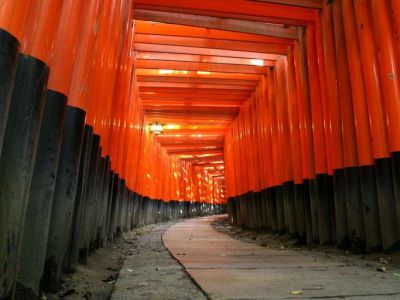
1) Fushimi Inari Taisha Shrine (must see)
If you can only squeeze in one Shinto shrine visit during your Kyoto stay, Fushimi Inari-Taisha should be your top choice. As the primary shrine for 40,000 Inari dedications nationwide, it holds sway as the divine abode of fertility, rice, sake, and prosperity.
A sight to behold, this captivating complex sprawls across a mountain, boasting over 10,000 vermillion torii gates that weave through dense woodlands along a 4-kilometer trail. Stone foxes, guardians with granary keys, dot the landscape, alongside five shrines, mausoleums, and sake-laden altars. In Shinto belief, foxes serve as messengers to 'kami' (gods), bridging our world and the next.
While wandering through the crimson tunnel may feel surreal, the shrine's focus remains firmly rooted in worldly affairs. Originally honoring rice and sake gods since AD 711, its emphasis later shifted to commerce, evidenced by black kanji inscriptions on torii gates, each donated by businesses hoping for prosperity.
Venture to the hilltop, where countless altars await, erected by devotees after individual visions of Inari. Traditional stores peddle noodles and religious items, while a viewing point offers a stunning panorama of southern Kyoto. With its playful yet sacred ambiance, embellished by myriad fox statues, the hill exudes an enchanting allure, making Fushimi Inari the city's crown jewel.
Why You Should Visit:
Apart from ample photo ops along the winding mountain trails, it offers a mystical journey through sacred terrain, rejuvenated by crisp mountain air.
Tips:
While amenities are sparse, stores and eateries dot the path, but consider carrying water. The trek to the summit is rewarding, especially in solitude, so aim for an early start to avoid crowds and relish the serene charm.
A sight to behold, this captivating complex sprawls across a mountain, boasting over 10,000 vermillion torii gates that weave through dense woodlands along a 4-kilometer trail. Stone foxes, guardians with granary keys, dot the landscape, alongside five shrines, mausoleums, and sake-laden altars. In Shinto belief, foxes serve as messengers to 'kami' (gods), bridging our world and the next.
While wandering through the crimson tunnel may feel surreal, the shrine's focus remains firmly rooted in worldly affairs. Originally honoring rice and sake gods since AD 711, its emphasis later shifted to commerce, evidenced by black kanji inscriptions on torii gates, each donated by businesses hoping for prosperity.
Venture to the hilltop, where countless altars await, erected by devotees after individual visions of Inari. Traditional stores peddle noodles and religious items, while a viewing point offers a stunning panorama of southern Kyoto. With its playful yet sacred ambiance, embellished by myriad fox statues, the hill exudes an enchanting allure, making Fushimi Inari the city's crown jewel.
Why You Should Visit:
Apart from ample photo ops along the winding mountain trails, it offers a mystical journey through sacred terrain, rejuvenated by crisp mountain air.
Tips:
While amenities are sparse, stores and eateries dot the path, but consider carrying water. The trek to the summit is rewarding, especially in solitude, so aim for an early start to avoid crowds and relish the serene charm.
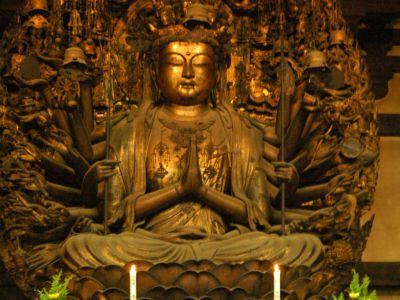
2) Sanjusangen-do Temple (must see)
Sanjūsangen-dō is truly remarkable in every aspect. Stretching a staggering 387 feet (118 meters), it holds the title of the longest wooden building worldwide. Within its walls stand 1,000 life-sized Buddha figures, arranged on each side of an immense sitting statue. Constructed in the 1160s, this hall served as the private sanctuary of Go-Shirakawa, a former emperor, within his vast estate.
Motivated by his faith in Amida, the ex-emperor sought to honor the deity who vowed to welcome all who invoked his name into his Pure Land paradise. The statues portray Kannon, a messenger of Amida and bodhisattva bridging the gap between worlds. Here, Kannon takes the form of the so-called Senjū Kannon, with eleven faces and a thousand arms!
Walking amidst these rows of statues can evoke a sense of awe akin to standing before a celestial choir. Despite their uniform appearance at first glance, each statue is subtly unique in body shape, eye width, and robe design. Legend has it that with enough contemplation, one may even recognize a familiar face among them.
Unfortunately, the original brightly colored building, representing the Pure Land, fell victim to fire in 1249; as a result, 875 of the statues had to be replaced. Facing west towards Amida's Pure Land, worshippers would have been greeted by the dazzling spectacle of the statues bathed in the morning sun's first rays when the central doors swung open. In a city renowned for its enchanting moments, this sight undoubtedly stood out as the most magical.
Tips:
Photography inside the hall is strictly prohibited, so consider purchasing the inexpensive guidebook with lovely pictures and informative text as a keepsake. And before departing, take a leisurely 10-15 minute stroll through the small garden surrounding the hall, a tranquil oasis deserving of appreciation.
Motivated by his faith in Amida, the ex-emperor sought to honor the deity who vowed to welcome all who invoked his name into his Pure Land paradise. The statues portray Kannon, a messenger of Amida and bodhisattva bridging the gap between worlds. Here, Kannon takes the form of the so-called Senjū Kannon, with eleven faces and a thousand arms!
Walking amidst these rows of statues can evoke a sense of awe akin to standing before a celestial choir. Despite their uniform appearance at first glance, each statue is subtly unique in body shape, eye width, and robe design. Legend has it that with enough contemplation, one may even recognize a familiar face among them.
Unfortunately, the original brightly colored building, representing the Pure Land, fell victim to fire in 1249; as a result, 875 of the statues had to be replaced. Facing west towards Amida's Pure Land, worshippers would have been greeted by the dazzling spectacle of the statues bathed in the morning sun's first rays when the central doors swung open. In a city renowned for its enchanting moments, this sight undoubtedly stood out as the most magical.
Tips:
Photography inside the hall is strictly prohibited, so consider purchasing the inexpensive guidebook with lovely pictures and informative text as a keepsake. And before departing, take a leisurely 10-15 minute stroll through the small garden surrounding the hall, a tranquil oasis deserving of appreciation.
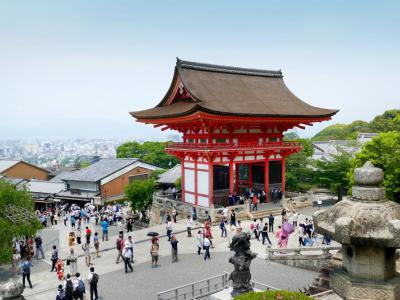
3) Kiyomizu-dera Temple (must see)
Towering above the treasure-packed sprawl of Southern Higashiyama, Kiyomizu-dera temple is both a place of worship and Kyoto’s dramatic headliner. Equal parts spiritual retreat and bucket-list selfie spot, it offers sweeping views of the city below (if you can peel your eyes away from the throngs of visitors doing the same). And should you be bold enough (or just patient) to visit during cherry blossom season, the nighttime glow of illuminated petals will be your reward for enduring the human traffic jam.
The temple’s story starts with a splash-quite literally. In 778, a monk named Enchin Shonin, nudged by a divine vision, stumbled upon the Otowa Spring. The water was so pure that it gave the temple its name: Kiyomizu, meaning “clear water.” A noble patron, moved by the miracle (or just in the mood for grand gestures), commissioned a hall built not in typical temple fashion but in the style of an aristocrat’s dream home-complete with a swooping shingled roof. At its heart is a rarely-seen 1,000-armed Kannon (a bodhisattva of compassion, widely revered in East Asian Buddhism, especially in Japan), which is unveiled to mere mortals once every 33 years. Blink and you’ll miss it... for another three decades.
Then there’s the famous stage-no nails, just massive wooden pillars holding up a 13-meter (or 43-foot) drop. Originally used for sacred dance performances, it later gained ill fame as a tragic endpoint for desperate folks hoping to leap their way into a better afterlife. Nowadays, you’re more likely to leap into a photo op with Kyoto’s hills in the background.
Wander a bit more and you'll find Jishu Shrine, matchmaking central, and the pagoda where expectant mothers whisper hopes for safe births. And don’t skip the Otowa Spring, of course: its three trickling streams promise health, longevity, or academic success. Just pick one-greedy sipping is frowned upon. After 1,200 years, the lines are still long and the stakes still high. So, choose wisely...
The temple’s story starts with a splash-quite literally. In 778, a monk named Enchin Shonin, nudged by a divine vision, stumbled upon the Otowa Spring. The water was so pure that it gave the temple its name: Kiyomizu, meaning “clear water.” A noble patron, moved by the miracle (or just in the mood for grand gestures), commissioned a hall built not in typical temple fashion but in the style of an aristocrat’s dream home-complete with a swooping shingled roof. At its heart is a rarely-seen 1,000-armed Kannon (a bodhisattva of compassion, widely revered in East Asian Buddhism, especially in Japan), which is unveiled to mere mortals once every 33 years. Blink and you’ll miss it... for another three decades.
Then there’s the famous stage-no nails, just massive wooden pillars holding up a 13-meter (or 43-foot) drop. Originally used for sacred dance performances, it later gained ill fame as a tragic endpoint for desperate folks hoping to leap their way into a better afterlife. Nowadays, you’re more likely to leap into a photo op with Kyoto’s hills in the background.
Wander a bit more and you'll find Jishu Shrine, matchmaking central, and the pagoda where expectant mothers whisper hopes for safe births. And don’t skip the Otowa Spring, of course: its three trickling streams promise health, longevity, or academic success. Just pick one-greedy sipping is frowned upon. After 1,200 years, the lines are still long and the stakes still high. So, choose wisely...
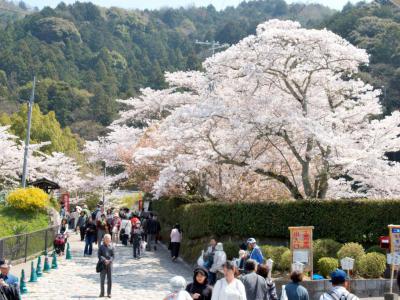
4) Philosopher's Path: South End (must see)
If you start on the Philosopher’s Path at the Nyakuoji Bridge, this south-end stretch of the Path offers far more than just a stroll along the scenic canal and canal-side contemplation.
About 20 meters to the left of the bridge, you’ll stumble upon SAYUU, an arts-and-crafts gallery so refined it could convince your suitcase to grow extra space. Open Thursday through Monday, from 11 AM to 6 PM, it’s a treasure trove of elegant glass and pottery at pocket-friendly prices.
Now pivot right and walk 50 meters to find the small and welcoming KUMANO NYAKUOJI-JINJA-a peaceful shrine that somehow slipped under the tourist radar. Open from 9 AM to 5 PM and originally established in 1160, it honors the god of academic brilliance and business success. Legend has it that Yatagarasu, the mythical three-legged raven, dwells within, serving the god as a messenger. Keep an eye out for its symbols on the roof tiles and in the "Kumanogongen" calligraphy of the main shrine. A sanctuary of tranquility, the surrounding park (and a conservation area) exudes peace and quiet, while the waterside provides a serene communion with nature throughout the year.
Those with a serious sweet tooth may hop across the river straight to KANOU, a confectionery shop and teahouse where they can enjoy their sweets and become one with their matcha without feeling rushed. Open from 10 AM till 8 PM, it’s a perfect finale for your soul-soothing detour-proof that a sweet ending is not just for fairy tales...
About 20 meters to the left of the bridge, you’ll stumble upon SAYUU, an arts-and-crafts gallery so refined it could convince your suitcase to grow extra space. Open Thursday through Monday, from 11 AM to 6 PM, it’s a treasure trove of elegant glass and pottery at pocket-friendly prices.
Now pivot right and walk 50 meters to find the small and welcoming KUMANO NYAKUOJI-JINJA-a peaceful shrine that somehow slipped under the tourist radar. Open from 9 AM to 5 PM and originally established in 1160, it honors the god of academic brilliance and business success. Legend has it that Yatagarasu, the mythical three-legged raven, dwells within, serving the god as a messenger. Keep an eye out for its symbols on the roof tiles and in the "Kumanogongen" calligraphy of the main shrine. A sanctuary of tranquility, the surrounding park (and a conservation area) exudes peace and quiet, while the waterside provides a serene communion with nature throughout the year.
Those with a serious sweet tooth may hop across the river straight to KANOU, a confectionery shop and teahouse where they can enjoy their sweets and become one with their matcha without feeling rushed. Open from 10 AM till 8 PM, it’s a perfect finale for your soul-soothing detour-proof that a sweet ending is not just for fairy tales...
5) Kyoto Imperial Palace (must see)
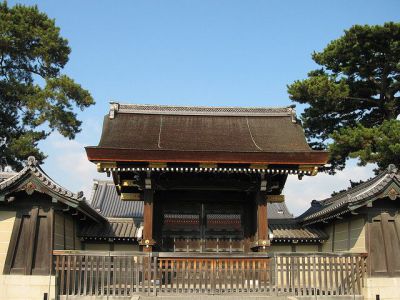
The Kyoto Imperial Palace-once the VIP lounge of Japan’s emperors (back when Kyoto still held the title of capital city)-was established in 794. This place remained home to the Imperial Family up until 1869, when the royals packed up and moved to Tokyo during the Meiji Restoration period (which brought about the modernization and Westernization of the country at the turn of the 20th century). The palace you see today dates from 1855, rebuilt after a series of devastating fires. Luckily, the entire complex retained its timeless look-with elegant wooden buildings, sweeping rooflines, and a firm commitment to traditional flair, complemented by a modern touch.
Set within the spacious Kyoto Gyoen National Garden, the palace grounds once teemed with court nobles and aristocrats. Back in its glory days, this leafy enclave held over 200 noble residences-like an elite gated community, only without the gates... These days, the grounds are open to the public and lined with some 50,000 trees, offering peace, shade, and the occasional squirrel sighting. Despite the modern calm, this place still hosts formal imperial ceremonies, keeping tradition alive with a bow and a fan flutter.
The palace itself, affectionately called Gosho by locals, is refreshingly unfortified-no defensive moats, towers, or any “keep out” signs. Instead, it embraces a philosophy of openness, with wide verandas looking out on reflective ponds, and sliding doors inviting the outdoors in. While you can’t wander inside the buildings, the gravel paths, the manicured, serene courtyards, and the dignified architecture outside are yours to explore and admire, camera in hand.
Curious minds can either follow a self-guided route marked with English signs or take a free one-hour guided tour from the Imperial Household Office-just make sure to bring your passport and a sense of wonder. Tours run daily at 10 AM and 2 PM and cover highlights like the grand Shishinden Hall, ornate gates, and the tree-filled serenity of Kyoto Gyoen Park, replete with shaded walkways, plum groves, and quiet retreats. So, whether you come for the history, the architecture, or just a break from temple fatigue, the Kyoto Imperial Palace delivers timeless elegance, minus the royal curtsies...
Set within the spacious Kyoto Gyoen National Garden, the palace grounds once teemed with court nobles and aristocrats. Back in its glory days, this leafy enclave held over 200 noble residences-like an elite gated community, only without the gates... These days, the grounds are open to the public and lined with some 50,000 trees, offering peace, shade, and the occasional squirrel sighting. Despite the modern calm, this place still hosts formal imperial ceremonies, keeping tradition alive with a bow and a fan flutter.
The palace itself, affectionately called Gosho by locals, is refreshingly unfortified-no defensive moats, towers, or any “keep out” signs. Instead, it embraces a philosophy of openness, with wide verandas looking out on reflective ponds, and sliding doors inviting the outdoors in. While you can’t wander inside the buildings, the gravel paths, the manicured, serene courtyards, and the dignified architecture outside are yours to explore and admire, camera in hand.
Curious minds can either follow a self-guided route marked with English signs or take a free one-hour guided tour from the Imperial Household Office-just make sure to bring your passport and a sense of wonder. Tours run daily at 10 AM and 2 PM and cover highlights like the grand Shishinden Hall, ornate gates, and the tree-filled serenity of Kyoto Gyoen Park, replete with shaded walkways, plum groves, and quiet retreats. So, whether you come for the history, the architecture, or just a break from temple fatigue, the Kyoto Imperial Palace delivers timeless elegance, minus the royal curtsies...
6) Nijo Castle (must see)
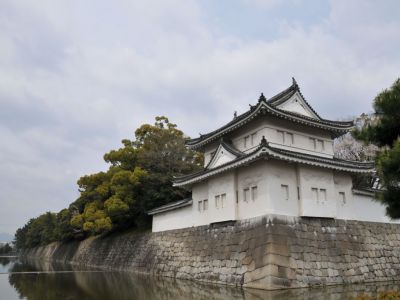
If you fancy a crash course in shogunate style, check out Nijo Castle-Kyoto’s architectural declaration: "Yes, I rule the realm, but do it tastefully." Its moat and stone walls are tidy and well-kept, though not exactly built for medieval tank warfare. But don't let their modesty fool you-what’s inside is where the real power play unfolds.
Built in 1603, Nijo wasn’t about brute force-it was a strategic base from which Tokugawa shoguns could oversee the emperor. Enter through the dramatic Chinese-style gate and you're headed straight into the Ninomaru Palace, constructed in 1626 to impress the emperor during a ceremonial visit. Think of it as a 17th-century flex, complete with hand-picked artists decorating over 1,000 paintings across five interconnected buildings. These spaces weren’t just eye candy-they laid out a strict social pecking order, from low-level bureaucrats to top-tier Tokugawa allies.
And then there’s the Nightingale Corridor. Not an actual aviary, but a squeaky hallway designed to chirp under your feet-an early form of home security to ward off would-be assassins and uninvited guests. As a bonus, those chirps now add a soundtrack to your stroll past golden screens, pine tree paintings (hint: power symbolism), and centuries of elite scheming.
Just outside, the garden adds its own drama. Craggy rocks shout military strength, while the surrounding cherry trees soften the scene with poetic flair-especially in spring, when they’re lit up like nature’s disco ball. Stroll the loop, sip from a tea house, and suddenly you're deep in a samurai movie without the sword fights.
Quick tips before you dive in: socks are a must, as no shoes are allowed inside. Want the full story? Rent the audio guide or hop on the English tour at 10 AM or 12:30 PM. Trust us, this Nightingale has tales to sing...
Built in 1603, Nijo wasn’t about brute force-it was a strategic base from which Tokugawa shoguns could oversee the emperor. Enter through the dramatic Chinese-style gate and you're headed straight into the Ninomaru Palace, constructed in 1626 to impress the emperor during a ceremonial visit. Think of it as a 17th-century flex, complete with hand-picked artists decorating over 1,000 paintings across five interconnected buildings. These spaces weren’t just eye candy-they laid out a strict social pecking order, from low-level bureaucrats to top-tier Tokugawa allies.
And then there’s the Nightingale Corridor. Not an actual aviary, but a squeaky hallway designed to chirp under your feet-an early form of home security to ward off would-be assassins and uninvited guests. As a bonus, those chirps now add a soundtrack to your stroll past golden screens, pine tree paintings (hint: power symbolism), and centuries of elite scheming.
Just outside, the garden adds its own drama. Craggy rocks shout military strength, while the surrounding cherry trees soften the scene with poetic flair-especially in spring, when they’re lit up like nature’s disco ball. Stroll the loop, sip from a tea house, and suddenly you're deep in a samurai movie without the sword fights.
Quick tips before you dive in: socks are a must, as no shoes are allowed inside. Want the full story? Rent the audio guide or hop on the English tour at 10 AM or 12:30 PM. Trust us, this Nightingale has tales to sing...
7) Kinkaku-ji Temple (must see)
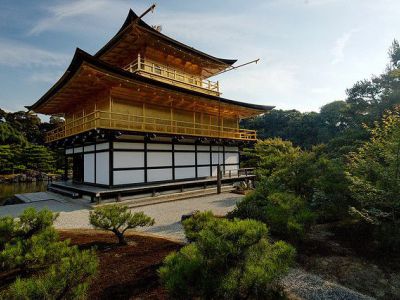
Kyoto's crowning jewel, Kinkaku-ji, stands out like a golden beacon, especially when the sun decides to show off. Its top floors are gilded with gold, casting an otherworldly shimmer that dances on the pond below. Originally a holiday home for shogun Ashikaga Yoshimitsu, it got a divine makeover into a temple after his passing in 1408.
Nestled amid lush greenery and facing a tranquil pond, Kinkaku-ji flaunts the grandeur of Kitayama's aristocratic era. The first floor echoes Heian-period palaces, with timber pillars and whitewashed walls. Ascend to the second floor, and you'll find yourself in a samurai's abode, complete with statues of Kannon, the Buddhist goddess of compassion, and the Four Heavenly Kings, mythical protectors of the cardinal directions. Meanwhile, the third floor adopts the aesthetics of a Zen Hall, inspired by Chinese design, topped with a golden phoenix.
Wandering the grounds, you'll stumble upon the former head priest's residence ("Hōjō"), and lush gardens frozen in time. Spot others tossing coins for luck? Take a shot yourself – aim for the statue's lap, and fortune may just smile upon you.
Exiting, you'll pass a teahouse, souvenir shops, and a quaint subtemple housing a statue of one of the Five Wisdom Kings, possibly carved by the esteemed monk and scholar Kobo Daishi, who founded the Shingon school of Buddhism.
Tip:
Dodge the crowds by visiting on Monday or Tuesday mornings. But if you crave the golden pavilion bathed in sunlight, swing by late afternoon or at sunset – it's pure magic.
Nestled amid lush greenery and facing a tranquil pond, Kinkaku-ji flaunts the grandeur of Kitayama's aristocratic era. The first floor echoes Heian-period palaces, with timber pillars and whitewashed walls. Ascend to the second floor, and you'll find yourself in a samurai's abode, complete with statues of Kannon, the Buddhist goddess of compassion, and the Four Heavenly Kings, mythical protectors of the cardinal directions. Meanwhile, the third floor adopts the aesthetics of a Zen Hall, inspired by Chinese design, topped with a golden phoenix.
Wandering the grounds, you'll stumble upon the former head priest's residence ("Hōjō"), and lush gardens frozen in time. Spot others tossing coins for luck? Take a shot yourself – aim for the statue's lap, and fortune may just smile upon you.
Exiting, you'll pass a teahouse, souvenir shops, and a quaint subtemple housing a statue of one of the Five Wisdom Kings, possibly carved by the esteemed monk and scholar Kobo Daishi, who founded the Shingon school of Buddhism.
Tip:
Dodge the crowds by visiting on Monday or Tuesday mornings. But if you crave the golden pavilion bathed in sunlight, swing by late afternoon or at sunset – it's pure magic.
8) Arashiyama Bamboo Grove (must see)
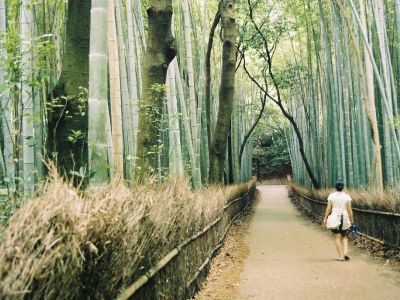
Arashiyama's bamboo grove is a magnet for photographers, enchanting visitors with its towering stalks swaying gracefully like nature's own dancers. While bamboo is renowned for its resilience and flexibility, here its aesthetic allure takes center stage.
Conveniently situated next to the Tenryu-ji Temple and connected to hidden shrines, this atmospheric forested area costs nothing to enjoy, and if you head out early in the morning on weekdays you will (almost) have it to yourself. With luck on your side and tourist crowds at bay, you'll hear the clink of the canes leaning into each other and – on a bright day – find radiant beams of sunlight filtering through the dense foliage, casting ethereal patterns on the forest floor.
A stroll through this verdant wonderland is a brief yet immersive experience, allowing you to traverse one of the "10 most beautiful tree tunnels in the world" before venturing forth to explore the myriad other treasures that Arashiyama has to offer.
Conveniently situated next to the Tenryu-ji Temple and connected to hidden shrines, this atmospheric forested area costs nothing to enjoy, and if you head out early in the morning on weekdays you will (almost) have it to yourself. With luck on your side and tourist crowds at bay, you'll hear the clink of the canes leaning into each other and – on a bright day – find radiant beams of sunlight filtering through the dense foliage, casting ethereal patterns on the forest floor.
A stroll through this verdant wonderland is a brief yet immersive experience, allowing you to traverse one of the "10 most beautiful tree tunnels in the world" before venturing forth to explore the myriad other treasures that Arashiyama has to offer.

9) Iwatayama Monkey Park (must see)
Nestled within this picturesque park are over 200 macaques, also known as snow monkeys, native to Japan. Beyond a wild spectacle like no other, the park offers marvelous view of the Arashiyama district and its sprawling surroundings.
Prepare for a hilariously hairy adventure as you enter this primate paradise, where monkeys reign supreme and antics abound. Guests have the unique opportunity to interact with the cheeky critters, feeding them peanuts and fruits like apples from within a designated enclosure atop the mountain. Attentive guides are on hand to assist in identifying the most amicable ones for memorable photo opps.
Tip:
To access the park, visitors can traverse the Ichitani-jinja gate, with tickets conveniently available for purchase from the adjacent machine. Be prepared for a steep ascent, ensuring you're equipped with ample water to combat fatigue and potential perspiration.
While engaging with the monkeys, exercise caution by avoiding direct eye contact, as this may agitate or provoke them.
Prepare for a hilariously hairy adventure as you enter this primate paradise, where monkeys reign supreme and antics abound. Guests have the unique opportunity to interact with the cheeky critters, feeding them peanuts and fruits like apples from within a designated enclosure atop the mountain. Attentive guides are on hand to assist in identifying the most amicable ones for memorable photo opps.
Tip:
To access the park, visitors can traverse the Ichitani-jinja gate, with tickets conveniently available for purchase from the adjacent machine. Be prepared for a steep ascent, ensuring you're equipped with ample water to combat fatigue and potential perspiration.
While engaging with the monkeys, exercise caution by avoiding direct eye contact, as this may agitate or provoke them.
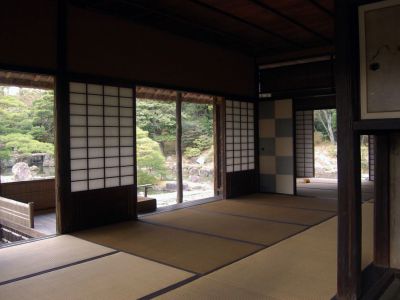
10) Katsura Imperial Villa (must see)
According to experts, Katsura is the crème de la crème of Japanese real estate. It's not just the garden that's a knockout; the buildings are the epitome of Japanese craftsmanship. Prince Toshihito (1571–1629), the brain behind this paradise, wanted a pad where he could entertain his artsy pals in style.
The highlight? A pond garden that plays peek-a-boo with your senses: as you stroll, strategically placed greenery keeps the pond a mystery, until suddenly, bam! You're hit with a clear view of the scenic shoreline, bridges, and scenes straight out of literary classics.
Toshihito, a tea enthusiast, sprinkled 'wabi-sabi' charm throughout the garden with rustic touches like stone lanterns and water basins. And don't miss the four tea houses, each with its own vibe – one's perched like a mountain retreat, while another appears to float serenely on the water.
The main buildings, crafted by Toshihito's son, are deceptively simple yet sneakily intricate – think doorbells shaped like flowers and shelves showcasing 18 wood varieties. So enchanted was the son with the estate that he rarely visited, fearing he might spoil the magic. Each trip was like stepping into his own personal paradise, and you'll likely feel the same if you pay a visit.
Tip:
To peek at this paradise, you’ll need to hop on a 40-minute tour (they have English audio guides), which loops around the centerpiece pond. Sadly, you can't snoop around the buildings, and snapping pics is only allowed in designated areas.
To snag a spot on a tour, you gotta rock up in person (don't forget your passport) to the Imperial Household Office at Kyoto Gyōen. If you're feeling lucky, you can try your hand at scoring a spot on their website, but move fast – they go like hotcakes!
The highlight? A pond garden that plays peek-a-boo with your senses: as you stroll, strategically placed greenery keeps the pond a mystery, until suddenly, bam! You're hit with a clear view of the scenic shoreline, bridges, and scenes straight out of literary classics.
Toshihito, a tea enthusiast, sprinkled 'wabi-sabi' charm throughout the garden with rustic touches like stone lanterns and water basins. And don't miss the four tea houses, each with its own vibe – one's perched like a mountain retreat, while another appears to float serenely on the water.
The main buildings, crafted by Toshihito's son, are deceptively simple yet sneakily intricate – think doorbells shaped like flowers and shelves showcasing 18 wood varieties. So enchanted was the son with the estate that he rarely visited, fearing he might spoil the magic. Each trip was like stepping into his own personal paradise, and you'll likely feel the same if you pay a visit.
Tip:
To peek at this paradise, you’ll need to hop on a 40-minute tour (they have English audio guides), which loops around the centerpiece pond. Sadly, you can't snoop around the buildings, and snapping pics is only allowed in designated areas.
To snag a spot on a tour, you gotta rock up in person (don't forget your passport) to the Imperial Household Office at Kyoto Gyōen. If you're feeling lucky, you can try your hand at scoring a spot on their website, but move fast – they go like hotcakes!
