Custom Walk in Porto, Portugal by gdrmaq_57c4a created on 2026-06-22
Guide Location: Portugal » Porto
Guide Type: Custom Walk
# of Sights: 9
Tour Duration: 2 Hour(s)
Travel Distance: 2.9 Km or 1.8 Miles
Share Key: TGK3G
Guide Type: Custom Walk
# of Sights: 9
Tour Duration: 2 Hour(s)
Travel Distance: 2.9 Km or 1.8 Miles
Share Key: TGK3G
How It Works
Please retrieve this walk in the GPSmyCity app. Once done, the app will guide you from one tour stop to the next as if you had a personal tour guide. If you created the walk on this website or come to the page via a link, please follow the instructions below to retrieve the walk in the app.
Retrieve This Walk in App
Step 1. Download the app "GPSmyCity: Walks in 1K+ Cities" on Apple App Store or Google Play Store.



Step 2. In the GPSmyCity app, download(or launch) the guide "Porto Map and Walking Tours".
Step 3. Tap the menu button located at upper right corner of the "Walks" screen and select "Retrieve custom walk". Enter the share key: TGK3G
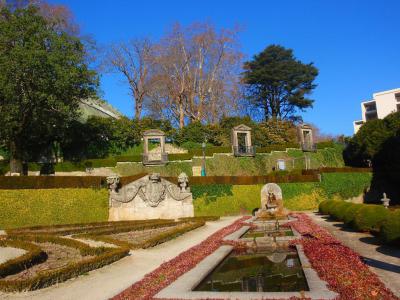
1) Jardim do Palácio de Cristal (Crystal Palace Garden)
When visiting Porto, guests will not want to miss the opportunity to stroll through the Crystal Palace Garden (Jardim do Palácio de Cristal). This tree-lined and pristinely landscaped park offers a sports pavilion, incredible native foliage, and an inconceivable view of the Douro River. The park was originally part of the Crystal Palace which has a history that goes back to the middle part of the 19th century. In current times, what once stood as the Crystal Palace has been replaced by a massive sports pavilion that holds over 10,000 visitors. The incredible domed pavilion of iron and glass is a main focal point and the namesake of the locale. It was constructed in 1956.
The park is broken into various venues and includes gardens designed by renowned landscape architects. One such garden is the Garden Emilio David which features many exotic flowers, fountains, and sculptures. In addition to the incredible foliage, tourists will truly enjoy seeing the peacocks that roam freely throughout the area. The Lime Tree Avenue, which runs through the middle of the park, will lead visitors to the many historic features and facilities within – including the Acoustic Shell, the Chapel of Charles Albert of Sardinia, and the Almeida Garrett Municipal Library.
Why You Should Visit:
Enjoy unbeatable views of the Douro, bridges, and the waterfront, as well as the company of hens, ducks, and peacocks that are not shy to come up to you.
Tip:
Free entry. Early evening, before sunset, is a great time to visit.
Bring some seeds and hang out with the beautiful and friendly birds!
The park is broken into various venues and includes gardens designed by renowned landscape architects. One such garden is the Garden Emilio David which features many exotic flowers, fountains, and sculptures. In addition to the incredible foliage, tourists will truly enjoy seeing the peacocks that roam freely throughout the area. The Lime Tree Avenue, which runs through the middle of the park, will lead visitors to the many historic features and facilities within – including the Acoustic Shell, the Chapel of Charles Albert of Sardinia, and the Almeida Garrett Municipal Library.
Why You Should Visit:
Enjoy unbeatable views of the Douro, bridges, and the waterfront, as well as the company of hens, ducks, and peacocks that are not shy to come up to you.
Tip:
Free entry. Early evening, before sunset, is a great time to visit.
Bring some seeds and hang out with the beautiful and friendly birds!
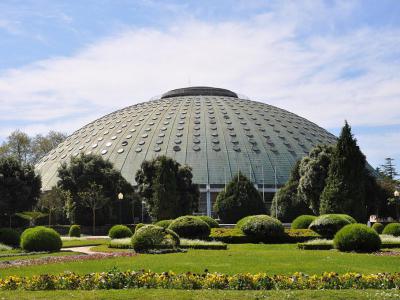
2) Pavilhão Rosa Mota (Rosa Mota Pavilion)
The Rosa Mota Pavilion (Pavilhão Rosa Mota) is a multifunctional venue located in the Crystal Palace Gardens in the Massarelos parish of Porto. Originally named Sports Pavilion (Pavilhão dos Desportos), it was designed by architect José Carlos Loureiro and has been a hub for cultural, sports, and business events since its inception. The venue, with its semi-spherical shell design, replaced the original Crystal Palace, which was inspired by London’s Crystal Palace and demolished in 1951.
Construction of the current pavilion began in 1952, and it quickly became a prominent space for various sporting events, including the World Roller Hockey Championship, where Portugal claimed victory. In addition to roller hockey, the pavilion hosted sports like badminton, basketball, boxing, gymnastics, and fencing, as well as cultural activities such as musical performances, theater, and exhibitions.
Renamed in 1991 to honor the renowned Portuguese marathon runner, Rosa Mota, the pavilion underwent significant renovations in 2019. These included the addition of a 500-person congress center, improved acoustics, and a dome that allows visitors to enjoy a 360-degree view of Porto. With retractable seating, the venue can accommodate up to 5,500 people, and its capacity can be expanded to over 8,000 for larger events.
The venue has hosted a variety of events over the years, from the Porto Book Fair to major concerts, including the inaugural performances of the newly renovated pavilion by the band Ornatos Violeta.
Construction of the current pavilion began in 1952, and it quickly became a prominent space for various sporting events, including the World Roller Hockey Championship, where Portugal claimed victory. In addition to roller hockey, the pavilion hosted sports like badminton, basketball, boxing, gymnastics, and fencing, as well as cultural activities such as musical performances, theater, and exhibitions.
Renamed in 1991 to honor the renowned Portuguese marathon runner, Rosa Mota, the pavilion underwent significant renovations in 2019. These included the addition of a 500-person congress center, improved acoustics, and a dome that allows visitors to enjoy a 360-degree view of Porto. With retractable seating, the venue can accommodate up to 5,500 people, and its capacity can be expanded to over 8,000 for larger events.
The venue has hosted a variety of events over the years, from the Porto Book Fair to major concerts, including the inaugural performances of the newly renovated pavilion by the band Ornatos Violeta.
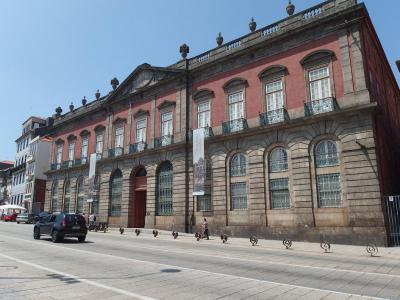
3) Museu Nacional de Soares dos Reis (Soares dos Reis National Museum)
The Soares dos Reis National Museum (Museu Nacional Soares dos Reis) in Porto is a prominent cultural institution housed in the Carrancas Palace. Established in 1833, it holds the distinction of being the first national museum in Portugal dedicated primarily to showcasing Portuguese art. The museum is named after António Soares dos Reis, a renowned Portuguese sculptor whose works are a highlight of the collection.
The museum was originally founded as the Museum Portuense by King Peter IV in 1833. Initially, it was located in the Convent of Santo António in central Porto, exhibiting religious art confiscated from convents and artworks expropriated from the absolutist supporters of Miguel I, who had opposed Peter IV. Throughout the 19th century, the museum expanded its collection, including significant acquisitions like the Allen Museum (Museu Allen) in 1850, a private collection of British port wine exporter John Francis Allen, which remained a branch of the museum until 1905.
In 1911, the museum officially became known as the Soares dos Reis National Museum following the acquisition of works by its namesake sculptor. In 1942, the museum moved to its current location in Carrancas Palace, a former residence of the Moraes e Castro family, commonly referred to as "Carrancas" (scowlers/frowners) due to the perceived stern demeanor of its past inhabitants. This relocation provided the museum with expanded and modernized spaces, thanks to renovations by architect Fernando Távora.
Today, the Soares dos Reis National Museum boasts a vast collection primarily focused on Portuguese art from the 19th and 20th centuries, including paintings, sculptures, furniture, metalwork, and ceramics. Notable artists represented in the collection include painters Domingos Sequeira, Vieira Portuense, Auguste Roquemont, Miguel Ângelo Lupi, António Carvalho de Silva Porto, Marques de Oliveira, Henrique Pousão, and Júlio Resende, as well as sculptors Soares dos Reis, Augusto Santo, António Teixeira Lopes, and Rodolfo Pinto do Couto, among many others. The museum continues to be a key institution in preserving and celebrating Portuguese cultural heritage.
Why You Should Visit:
The staff is friendly and there is a nice café, a courtyard garden, a gift shop, an auditorium, modern bathrooms, and a space for temporary exhibitions.
The upper floor has some striking artwork housed in beautiful rooms, while the overall sense is of discovery of the richness and depth of this national collection.
Tip:
After your visit, try the museum café – it has nice coffee & food at very good prices. The garden is also worth a visit, weather permitting.
The museum was originally founded as the Museum Portuense by King Peter IV in 1833. Initially, it was located in the Convent of Santo António in central Porto, exhibiting religious art confiscated from convents and artworks expropriated from the absolutist supporters of Miguel I, who had opposed Peter IV. Throughout the 19th century, the museum expanded its collection, including significant acquisitions like the Allen Museum (Museu Allen) in 1850, a private collection of British port wine exporter John Francis Allen, which remained a branch of the museum until 1905.
In 1911, the museum officially became known as the Soares dos Reis National Museum following the acquisition of works by its namesake sculptor. In 1942, the museum moved to its current location in Carrancas Palace, a former residence of the Moraes e Castro family, commonly referred to as "Carrancas" (scowlers/frowners) due to the perceived stern demeanor of its past inhabitants. This relocation provided the museum with expanded and modernized spaces, thanks to renovations by architect Fernando Távora.
Today, the Soares dos Reis National Museum boasts a vast collection primarily focused on Portuguese art from the 19th and 20th centuries, including paintings, sculptures, furniture, metalwork, and ceramics. Notable artists represented in the collection include painters Domingos Sequeira, Vieira Portuense, Auguste Roquemont, Miguel Ângelo Lupi, António Carvalho de Silva Porto, Marques de Oliveira, Henrique Pousão, and Júlio Resende, as well as sculptors Soares dos Reis, Augusto Santo, António Teixeira Lopes, and Rodolfo Pinto do Couto, among many others. The museum continues to be a key institution in preserving and celebrating Portuguese cultural heritage.
Why You Should Visit:
The staff is friendly and there is a nice café, a courtyard garden, a gift shop, an auditorium, modern bathrooms, and a space for temporary exhibitions.
The upper floor has some striking artwork housed in beautiful rooms, while the overall sense is of discovery of the richness and depth of this national collection.
Tip:
After your visit, try the museum café – it has nice coffee & food at very good prices. The garden is also worth a visit, weather permitting.
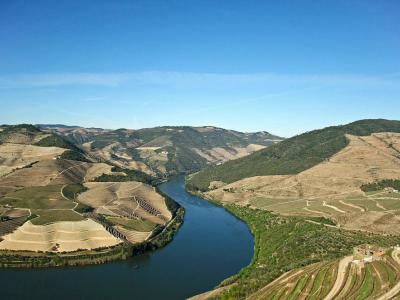
4) Douro River
The Douro River, the largest river of the Iberian Peninsula by discharge, is a vital and picturesque waterway that spans Spain and Portugal. It originates near Duruelo de la Sierra in Spain’s Soria Province and flows westward through the Meseta Central of Castile and León, eventually reaching northern Portugal and emptying into the Atlantic Ocean at Porto, Portugal’s second-largest city. Along its journey, the Douro is joined by several tributaries, including the significant right-bank Esla River, which carries more water than the Douro at their confluence.
In Portugal, the Douro Valley is celebrated for its stunning landscapes and rich winemaking traditions. The valley, recognized as a UNESCO World Heritage Site, is renowned for its vineyards that produce port wine, a mildly fortified wine historically transported downriver in traditional boats called rabelos to Vila Nova de Gaia for storage. Today, the transport has modernized with the use of tanker trucks. The scenic Douro railway line runs parallel to the river, offering a breathtaking route that draws tourists eager to explore the region's natural beauty and heritage.
Historically, the Douro was personified as the god Durius during Roman times and played a significant role in the area's development. In the 8th century, the region experienced deliberate depopulation under Alfonso I of Asturias for defensive reasons, an event known as "Repoblación." The river's importance continued to evolve, with the construction of dams and locks in the 1960s and 1970s enhancing river traffic and enabling better navigation.
Additionally, the Douro's basin includes other significant sites such as the Côa Valley, where a small tributary of the river hosts Paleolithic rock art, another UNESCO World Heritage Site, emphasizing the area’s rich archaeological patrimony. The river also flows through Spain’s Ribera del Duero DOP, a prominent wine-producing area in Castile and León.
In Portugal, the Douro Valley is celebrated for its stunning landscapes and rich winemaking traditions. The valley, recognized as a UNESCO World Heritage Site, is renowned for its vineyards that produce port wine, a mildly fortified wine historically transported downriver in traditional boats called rabelos to Vila Nova de Gaia for storage. Today, the transport has modernized with the use of tanker trucks. The scenic Douro railway line runs parallel to the river, offering a breathtaking route that draws tourists eager to explore the region's natural beauty and heritage.
Historically, the Douro was personified as the god Durius during Roman times and played a significant role in the area's development. In the 8th century, the region experienced deliberate depopulation under Alfonso I of Asturias for defensive reasons, an event known as "Repoblación." The river's importance continued to evolve, with the construction of dams and locks in the 1960s and 1970s enhancing river traffic and enabling better navigation.
Additionally, the Douro's basin includes other significant sites such as the Côa Valley, where a small tributary of the river hosts Paleolithic rock art, another UNESCO World Heritage Site, emphasizing the area’s rich archaeological patrimony. The river also flows through Spain’s Ribera del Duero DOP, a prominent wine-producing area in Castile and León.
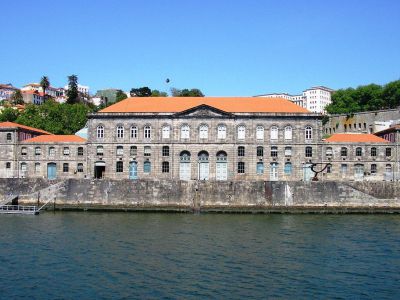
5) Museu dos Transportes e Comunicacoes (Museum of Transport and Communication)
The Museum of Transport and Communication (Museu dos Transportes e Comunicações) in Porto is a captivating institution that delves into the history of transportation, featuring automobiles, steam-powered vehicles, and electric cars. Located in Portugal's second-largest city, this museum offers an immersive experience, particularly for children, with interactive displays and hands-on exhibits that keep them engaged and curious.
Established in 1992 and managed by the Association for the Museum of Transportation and Communication, the institution is dedicated to preserving the legacy of the vehicles and tools housed within. Visitors can explore not only the historical vehicles but also an auto repair facility, showcasing the equipment used in restoration projects.
The museum is housed in an iconic stone, iron, and wood building constructed in 1869 by renowned engineer C. Colson. Situated along the north bank of the Douro River, its front façade is a recognizable feature in Porto's skyline. Inside, the vast exhibition hall, flanked by east and west wings, along with a central nave, offers visitors a journey through time, highlighting the evolution of transport and communication in a historic setting.
Established in 1992 and managed by the Association for the Museum of Transportation and Communication, the institution is dedicated to preserving the legacy of the vehicles and tools housed within. Visitors can explore not only the historical vehicles but also an auto repair facility, showcasing the equipment used in restoration projects.
The museum is housed in an iconic stone, iron, and wood building constructed in 1869 by renowned engineer C. Colson. Situated along the north bank of the Douro River, its front façade is a recognizable feature in Porto's skyline. Inside, the vast exhibition hall, flanked by east and west wings, along with a central nave, offers visitors a journey through time, highlighting the evolution of transport and communication in a historic setting.
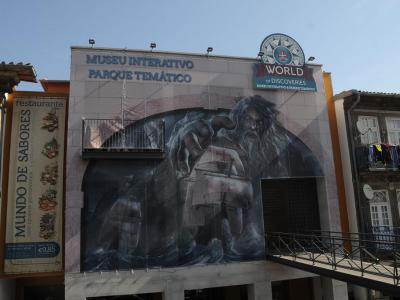
6) World of Discoveries
World of Discoveries in Porto offers a captivating journey through the history of Portuguese exploration, blending the allure of a theme park with the depth of a museum. Located in the Miragaia neighborhood, this interactive exhibition immerses visitors in the Age of Discoveries, showcasing the grand voyages and conquests of Portuguese navigators from the 13th to the 19th century.
Full-scale replicas, 3-dimensional terrestrial globes, and interactive touchscreens transport visitors to key moments in history, offering insights into the lives of famous explorers such as Dom Henrique, Gil Eanes, Bartolomeu Dias, Christopher Columbus, Vasco da Gama, Pedro Álvares Cabral, and Fernão de Magalhães.
The museum’s carefully designed scenarios depict the diverse regions reached by Portuguese explorers, including Africa, India, China, Timor, Japan, Macau, and Brazil. The journey begins in a room dedicated to the evolution of Portuguese ships, featuring scale models of iconic vessels, from rowboats to caravels, illustrating their adaptation for longer and more perilous voyages. Interactive screens provide detailed glimpses into the lives of sailors and the historical context of the discoveries.
Further along, visitors can explore a recreated cargo area of a large ship, showcasing the daily life of crew members, the storage of merchandise, and the living conditions aboard. The tour concludes in a meticulously reconstructed old naval shipyard, offering a behind-the-scenes look at shipbuilding and repair processes.
Designed with inclusivity in mind, World of Discoveries caters to visitors of all ages and abilities, with content available in six languages (Portuguese, Spanish, English, French, German, and Italian) and adaptations for individuals with special sensory and cognitive needs. This self-guided adventure, typically lasting about an hour, makes World of Discoveries an ideal destination for families exploring Porto, merging education with entertainment in a uniquely immersive setting.
Full-scale replicas, 3-dimensional terrestrial globes, and interactive touchscreens transport visitors to key moments in history, offering insights into the lives of famous explorers such as Dom Henrique, Gil Eanes, Bartolomeu Dias, Christopher Columbus, Vasco da Gama, Pedro Álvares Cabral, and Fernão de Magalhães.
The museum’s carefully designed scenarios depict the diverse regions reached by Portuguese explorers, including Africa, India, China, Timor, Japan, Macau, and Brazil. The journey begins in a room dedicated to the evolution of Portuguese ships, featuring scale models of iconic vessels, from rowboats to caravels, illustrating their adaptation for longer and more perilous voyages. Interactive screens provide detailed glimpses into the lives of sailors and the historical context of the discoveries.
Further along, visitors can explore a recreated cargo area of a large ship, showcasing the daily life of crew members, the storage of merchandise, and the living conditions aboard. The tour concludes in a meticulously reconstructed old naval shipyard, offering a behind-the-scenes look at shipbuilding and repair processes.
Designed with inclusivity in mind, World of Discoveries caters to visitors of all ages and abilities, with content available in six languages (Portuguese, Spanish, English, French, German, and Italian) and adaptations for individuals with special sensory and cognitive needs. This self-guided adventure, typically lasting about an hour, makes World of Discoveries an ideal destination for families exploring Porto, merging education with entertainment in a uniquely immersive setting.
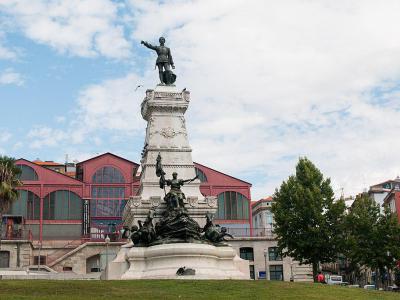
7) Statue of Prince Henry the Navigator
The Statue of Prince Henry the Navigator in Porto stands as a tribute to one of the country's most renowned maritime pioneers. Unveiled in 1894 and crafted by sculptor Tomás Costa, this monument honors the 14th-century prince who played a pivotal role in establishing Portugal as a global economic powerhouse through his numerous maritime discoveries.
Prince Henry, born in 1394 as the fifth son of King John I, the founder of the Dynasty of Avis, was a visionary master seaman. His expeditions secured vital trade routes and opened the doors to the vast riches of Africa, notably gold from the Ivory Coast. His achievements earned him prestigious titles, including the leadership of the Order of Christ.
Located near the Ribeira section of Porto, the statue is prominently positioned on a tall pedestal, with Prince Henry depicted turning towards the ocean, his posture commanding and directive, as if issuing orders to his crew. The pedestal is adorned with intricate relief sculptures that narrate significant moments from Prince Henry's life, encapsulating his legacy as a trailblazer of Portugal’s maritime dominance in the Age of Discovery.
Prince Henry, born in 1394 as the fifth son of King John I, the founder of the Dynasty of Avis, was a visionary master seaman. His expeditions secured vital trade routes and opened the doors to the vast riches of Africa, notably gold from the Ivory Coast. His achievements earned him prestigious titles, including the leadership of the Order of Christ.
Located near the Ribeira section of Porto, the statue is prominently positioned on a tall pedestal, with Prince Henry depicted turning towards the ocean, his posture commanding and directive, as if issuing orders to his crew. The pedestal is adorned with intricate relief sculptures that narrate significant moments from Prince Henry's life, encapsulating his legacy as a trailblazer of Portugal’s maritime dominance in the Age of Discovery.
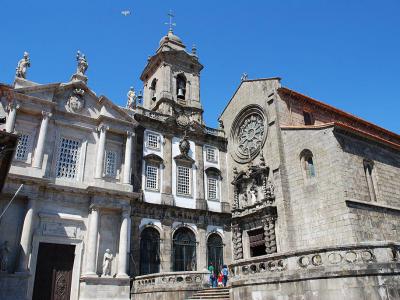
8) Igreja de São Francisco (St. Francis Church) (must see)
Back in 1244, the Franciscans in Porto found themselves in what might be called a less-than-warm welcome situation. The local bishop didn't quite like them, and other clergy didn't mind pushing them around either. So, the Franciscans did what any determined medieval order would do—they went straight to the top. Pope Innocent V promptly issued a papal bull, which firmly scolded the bishop and handed back the land that the bishop had taken from them. With that settled, the Franciscans wasted no time—they got to work, establishing their convent and laying the foundations of their church.
But staying modest wasn’t entirely their long-term plan. By 1383, with support from King Ferdinand I of Portugal, the Franciscans decided to go bigger. The new church, completed in 1425, followed the restrained Gothic style typical of mendicant orders—simple, functional, and focused. Even today, the Church of Saint Francis stands as one of the finest Gothic structures in Porto… at least on the outside.
On the inside, things take a dramatic turn.
From the 15th century onward, Porto’s elite families began adopting the church as their own. Chapels were added, like the Manueline-style Chapel of Saint John the Baptist, commissioned by the Carneiro family in the 1530s. Then came the 18th century, when subtlety officially left the building. The interior was covered—quite literally—in gilded woodcarving. Walls, columns, arches, ceilings… if it could be carved, it was carved, and then covered in gold. Lots of it.
Not everything survived intact, though. During the Siege of Porto in the 1830s, the cloisters were destroyed. In their place rose the Stock Exchange Palace, shifting the site’s role from spiritual to commercial.
Indeed, this place is where craftsmanship goes all in—an immersive display of intricate woodwork layered in gold, the kind that quietly suggests someone, somewhere, had both time and resources to spare.
And before you leave, take a few extra minutes. The small museum and the catacombs are included in your ticket—and they add just enough shadow and context to balance all that gold...
But staying modest wasn’t entirely their long-term plan. By 1383, with support from King Ferdinand I of Portugal, the Franciscans decided to go bigger. The new church, completed in 1425, followed the restrained Gothic style typical of mendicant orders—simple, functional, and focused. Even today, the Church of Saint Francis stands as one of the finest Gothic structures in Porto… at least on the outside.
On the inside, things take a dramatic turn.
From the 15th century onward, Porto’s elite families began adopting the church as their own. Chapels were added, like the Manueline-style Chapel of Saint John the Baptist, commissioned by the Carneiro family in the 1530s. Then came the 18th century, when subtlety officially left the building. The interior was covered—quite literally—in gilded woodcarving. Walls, columns, arches, ceilings… if it could be carved, it was carved, and then covered in gold. Lots of it.
Not everything survived intact, though. During the Siege of Porto in the 1830s, the cloisters were destroyed. In their place rose the Stock Exchange Palace, shifting the site’s role from spiritual to commercial.
Indeed, this place is where craftsmanship goes all in—an immersive display of intricate woodwork layered in gold, the kind that quietly suggests someone, somewhere, had both time and resources to spare.
And before you leave, take a few extra minutes. The small museum and the catacombs are included in your ticket—and they add just enough shadow and context to balance all that gold...
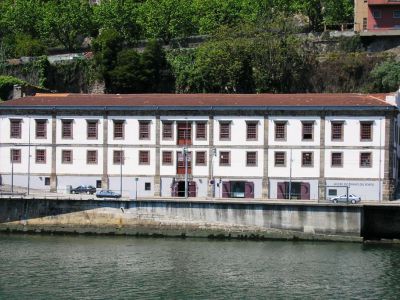
9) Museu do Vinho (Museum of Wine)
The Museum of Wine in Porto offers a deep dive into the history of Port wine and its integral role in the city’s development. Originally inaugurated in 2004 in the Cais Novo Warehouse, the museum moved to its current location in 2019. This new site, housed in a rehabilitated six-story building, brings a fresh approach to exploring the history of Port wine, focusing not just on the wine itself, but on the broader control and circulation of food products in Porto.
The museum’s collection spans models of Rabelo boats used to transport wine on the Douro River, metrology devices, and archival documents, paintings, sculptures, and furniture. These pieces, gathered from various municipal sources like the Soares dos Reis Museum and Porto’s Public Library, tell the story of how Port wine production led to the establishment of trade regulations that guaranteed the quality of this renowned product.
Visitors will find the first floor dedicated to the history of wine transportation by boat, with never-before-seen diagrams and models from the 1960s. Higher floors feature metrology instruments, some dating back to the reign of King João V, which were used to measure and regulate wine. The museum will also include a wine bar, offering tastings that complement the historical narratives displayed.
Currently closed for renovations since January 2024, the museum also features a multimedia exhibition titled The City Government and Wine, which delves into the governance of wine in Porto. It traces centuries of documentation and showcases how municipal officials managed the supply, quality, and pricing of wine. This aspect emphasizes the crucial role that local governance played in ensuring the reliability of Port wine-a product that proudly bears the city’s name on every label.
The museum’s collection spans models of Rabelo boats used to transport wine on the Douro River, metrology devices, and archival documents, paintings, sculptures, and furniture. These pieces, gathered from various municipal sources like the Soares dos Reis Museum and Porto’s Public Library, tell the story of how Port wine production led to the establishment of trade regulations that guaranteed the quality of this renowned product.
Visitors will find the first floor dedicated to the history of wine transportation by boat, with never-before-seen diagrams and models from the 1960s. Higher floors feature metrology instruments, some dating back to the reign of King João V, which were used to measure and regulate wine. The museum will also include a wine bar, offering tastings that complement the historical narratives displayed.
Currently closed for renovations since January 2024, the museum also features a multimedia exhibition titled The City Government and Wine, which delves into the governance of wine in Porto. It traces centuries of documentation and showcases how municipal officials managed the supply, quality, and pricing of wine. This aspect emphasizes the crucial role that local governance played in ensuring the reliability of Port wine-a product that proudly bears the city’s name on every label.
