

A La Raza Monument, Tijuana (must see)
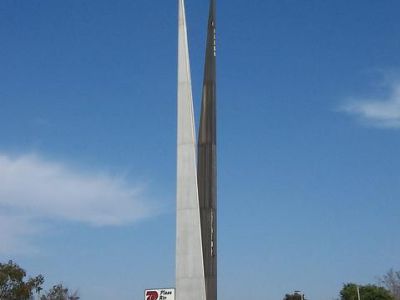
The Monumento a México, popularly known as “Las Tijeras,”directly translated into English as “The Scissors.” It is one of the most recognizable modern public sculptures in the city’s civic district. Created by Ángela Gurría, the monument reflects her role in a male-dominated field. She sometimes used male pseudonyms early in her career, later becoming the first woman admitted to Mexico’s Academia de Artes in 1973.
The sculpture was designed not only as a symbolic monument, but also as a carefully engineered structure. Built for a seismic region, it uses deeply anchored reinforced steel. Its two independent triangular forms can flex during earthquakes without touching at the top. The intersecting shapes create the appearance of open scissors, which inspired the popular nickname “Las Tijeras.” From some viewpoints, the structure also resembles a giant letter “M,” connecting its abstract design directly with Mexico.
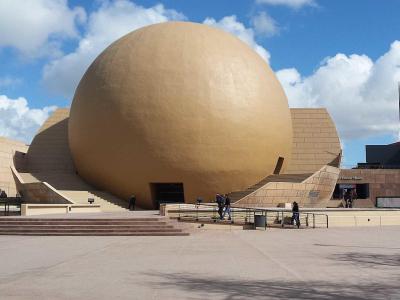
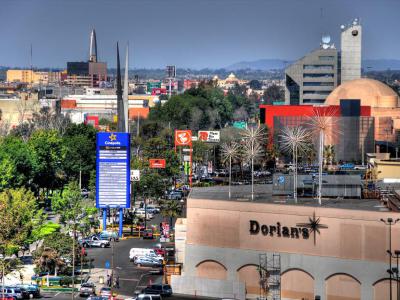
The monument’s symbolism is tied to Mexican Independence and the concept of mestizaje, the blending of Indigenous and European roots that shaped modern Mexican identity. The two rising forms can be interpreted as separate cultural forces joining together. The monument also became one of the earliest visual anchors of the surrounding redevelopment project, slightly predating the nearby Tijuana Cultural Center, whose famous dome opened in 1982.
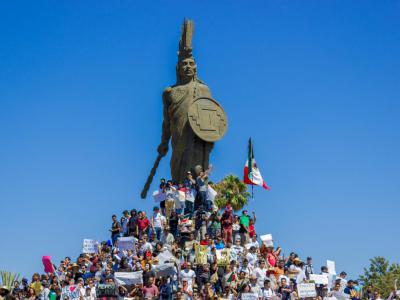
Today, the monument functions as far more than a historical landmark. It has become one of the city’s main civic gathering points and an important site for public demonstrations and cultural events. During International Women’s Day marches on March 8, purple and green banners often cover parts of the sculpture, transforming Gurría’s abstract design into a contemporary symbol of solidarity, protest, and public expression.
The sculpture was designed not only as a symbolic monument, but also as a carefully engineered structure. Built for a seismic region, it uses deeply anchored reinforced steel. Its two independent triangular forms can flex during earthquakes without touching at the top. The intersecting shapes create the appearance of open scissors, which inspired the popular nickname “Las Tijeras.” From some viewpoints, the structure also resembles a giant letter “M,” connecting its abstract design directly with Mexico.
The monument’s symbolism is tied to Mexican Independence and the concept of mestizaje, the blending of Indigenous and European roots that shaped modern Mexican identity. The two rising forms can be interpreted as separate cultural forces joining together. The monument also became one of the earliest visual anchors of the surrounding redevelopment project, slightly predating the nearby Tijuana Cultural Center, whose famous dome opened in 1982.
Today, the monument functions as far more than a historical landmark. It has become one of the city’s main civic gathering points and an important site for public demonstrations and cultural events. During International Women’s Day marches on March 8, purple and green banners often cover parts of the sculpture, transforming Gurría’s abstract design into a contemporary symbol of solidarity, protest, and public expression.
Want to visit this sight? Check out these Self-Guided Walking Tours in Tijuana. Alternatively, you can download the mobile app "GPSmyCity: Walks in 1K+ Cities" from Apple App Store or Google Play Store. The app turns your mobile device to a personal tour guide and it works offline, so no data plan is needed when traveling abroad.
Download The GPSmyCity App



A La Raza Monument on Map
Sight Name: A La Raza Monument
Sight Location: Tijuana, Mexico (See walking tours in Tijuana)
Sight Type: Attraction/Landmark
Guide(s) Containing This Sight:
Sight Location: Tijuana, Mexico (See walking tours in Tijuana)
Sight Type: Attraction/Landmark
Guide(s) Containing This Sight:
Nearby Sights




Walking Tours in Tijuana, Mexico

Create Your Own Walk in Tijuana
Creating your own self-guided walk in Tijuana is easy and fun. Choose the city attractions that you want to see and a walk route map will be created just for you. You can even set your hotel as the start point of the walk.
Paseo De Los Heroes Tour
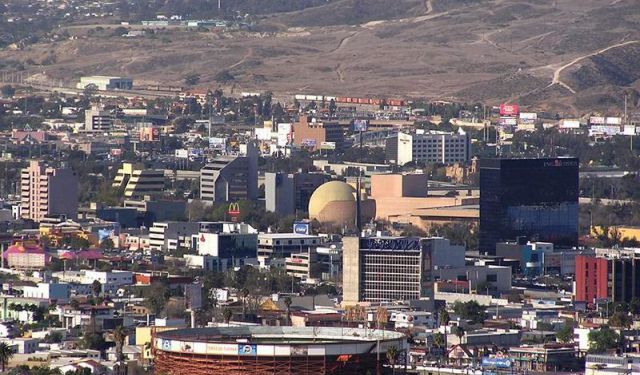
Paseo De Los Heroes Street, located in walking distance from the Mexican and US border, is famous for its numerous statues and monuments honoring distinguished figures and memorable events in Mexican history. Wandering across its palm alleys you can admire a grandiose sculpture or architectural construction on each roundabout of the street. Take this tour to discover the most popular attractions... view more
Tour Duration: 2 Hours
Travel Distance: 4.7 Km or 2.9 Miles
Tour Duration: 2 Hours
Travel Distance: 4.7 Km or 2.9 Miles
Tijuana Introduction Walking Tour
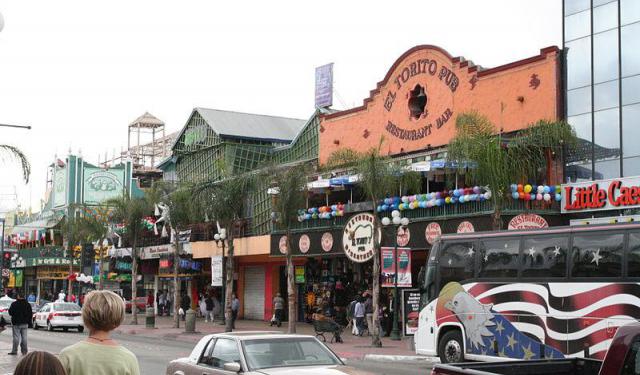
Tijuana is the most visited border city in the world, offering something for everybody. It has a lot of interesting attractions to see: monuments and towers, palaces and architectural buildings, museums and art galleries. Those who like shopping will also be satisfied by the variety of markets with Mexican arts and crafts. Take this tour to discover the best spots in Tijuana.
Tour Duration: 3 Hours
Travel Distance: 5.3 Km or 3.3 Miles
Tour Duration: 3 Hours
Travel Distance: 5.3 Km or 3.3 Miles
City Walks Overview
