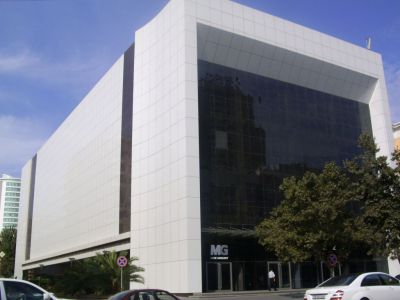


Baku Jazz Centre, Baku
The Baku Jazz Centre, established in 2002, serves as a pivotal institution in Azerbaijan, dedicated to the preservation and enhancement of jazz music in the region. Nestled in Baku, the center is a vibrant hub for jazz enthusiasts, offering live performances every evening. These performances showcase a diverse array of jazz styles, featuring both local and international musicians.
Jazz in Azerbaijan originated in the early 20th century, spurred by Baku's economic boom from its oil industry. The cultural scene flourished, attracting various professionals, including musicians. The pivotal moment for Azerbaijani jazz was in 1938 when composers Niyazi and Tofig Guliyev, inspired by Alexander Tsfasman's Soviet jazz orchestra, founded Baku's first jazz orchestra. This ensemble, featuring instruments like trombones, saxophones, trumpets, piano, guitar, and percussion, set the foundation for the genre in the region.
The initial concerts featured a mix of jazz standards and original compositions by Niyazi and Tofig Guliyev. A notable innovation during this era was the incorporation of mugham-a traditional form of Azerbaijani music-into jazz, exemplified by the performance of the mugham 'Chargah' with saxophone improvisations. Post-World War II, under the leadership of Rauf Hajiyev, the 'State Jazz' orchestra continued to develop and influence the local jazz scene.
The resurgence of jazz in Baku was further cemented by the reintroduction of the Baku Jazz Festival in 2005, after its inception in 1969. This annual festival has become a significant cultural event, attracting jazz luminaries from around the globe and showcasing local talent on an international stage. Azerbaijan's jazz community has produced renowned musicians like Vagif Mustafazadeh and Rafig Babayev, who have achieved recognition at various international jazz festivals and competitions.
Jazz in Azerbaijan originated in the early 20th century, spurred by Baku's economic boom from its oil industry. The cultural scene flourished, attracting various professionals, including musicians. The pivotal moment for Azerbaijani jazz was in 1938 when composers Niyazi and Tofig Guliyev, inspired by Alexander Tsfasman's Soviet jazz orchestra, founded Baku's first jazz orchestra. This ensemble, featuring instruments like trombones, saxophones, trumpets, piano, guitar, and percussion, set the foundation for the genre in the region.
The initial concerts featured a mix of jazz standards and original compositions by Niyazi and Tofig Guliyev. A notable innovation during this era was the incorporation of mugham-a traditional form of Azerbaijani music-into jazz, exemplified by the performance of the mugham 'Chargah' with saxophone improvisations. Post-World War II, under the leadership of Rauf Hajiyev, the 'State Jazz' orchestra continued to develop and influence the local jazz scene.
The resurgence of jazz in Baku was further cemented by the reintroduction of the Baku Jazz Festival in 2005, after its inception in 1969. This annual festival has become a significant cultural event, attracting jazz luminaries from around the globe and showcasing local talent on an international stage. Azerbaijan's jazz community has produced renowned musicians like Vagif Mustafazadeh and Rafig Babayev, who have achieved recognition at various international jazz festivals and competitions.
Want to visit this sight? Check out these Self-Guided Walking Tours in Baku. Alternatively, you can download the mobile app "GPSmyCity: Walks in 1K+ Cities" from Apple App Store or Google Play Store. The app turns your mobile device to a personal tour guide and it works offline, so no data plan is needed when traveling abroad.
Download The GPSmyCity App



Baku Jazz Centre on Map
Sight Name: Baku Jazz Centre
Sight Location: Baku, Azerbaijan (See walking tours in Baku)
Sight Type: Attraction/Landmark
Sight Location: Baku, Azerbaijan (See walking tours in Baku)
Sight Type: Attraction/Landmark
Nearby Sights
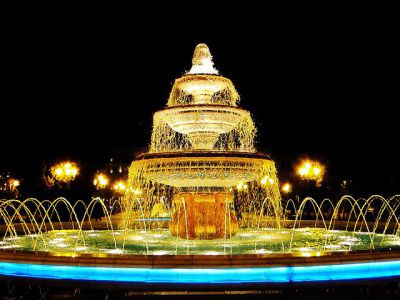
Walking Tours in Baku, Azerbaijan

Create Your Own Walk in Baku
Creating your own self-guided walk in Baku is easy and fun. Choose the city attractions that you want to see and a walk route map will be created just for you. You can even set your hotel as the start point of the walk.
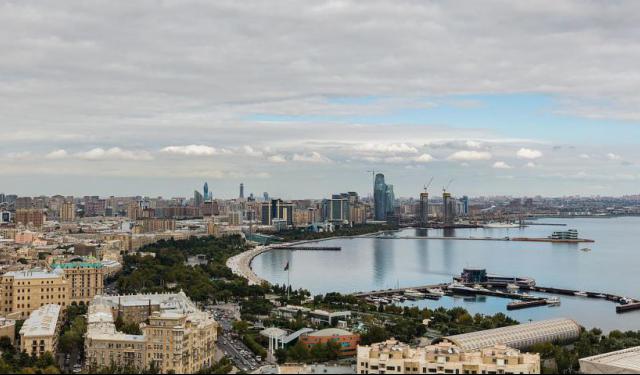
Explore Baku's Top Attractions on Foot
When French novelist Alexandre Dumas arrived here in 1858, he came looking for something Baku had been famous for long before oil derricks and skyscrapers-the mysterious fires that seemed to rise straight out of the earth.
The origin of the name Baku is uncertain. A popular explanation derives the name from the Persian Badkube, meaning roughly “wind-beaten” or “pounded by the wind,” an... view more
Tour Duration: 2 Hour(s)
Travel Distance: 4.1 Km or 2.5 Miles
The origin of the name Baku is uncertain. A popular explanation derives the name from the Persian Badkube, meaning roughly “wind-beaten” or “pounded by the wind,” an... view more
Tour Duration: 2 Hour(s)
Travel Distance: 4.1 Km or 2.5 Miles
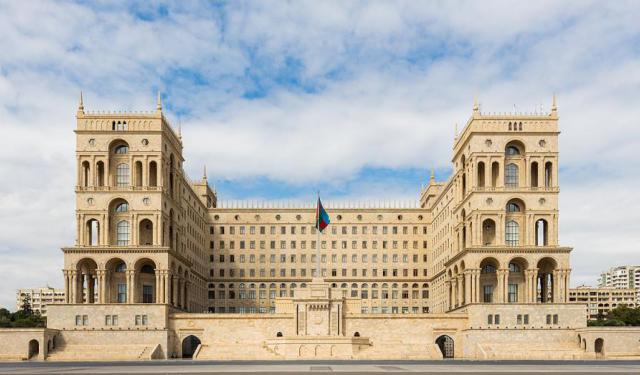
A Walking Guide to Baku's Architectural Jewels
The city of Baku is an architectural marvel that delights with its historic buildings, grand mansions and cultural diversity. The Old City, for example, is full of fantastic old mosques and palaces that are listed as heritage monuments by UNESCO. The city is especially beautiful at night when it is wonderfully illuminated. Follow this self-guided walking tour to see the most impressive... view more
Tour Duration: 2 Hour(s)
Travel Distance: 3.8 Km or 2.4 Miles
Tour Duration: 2 Hour(s)
Travel Distance: 3.8 Km or 2.4 Miles
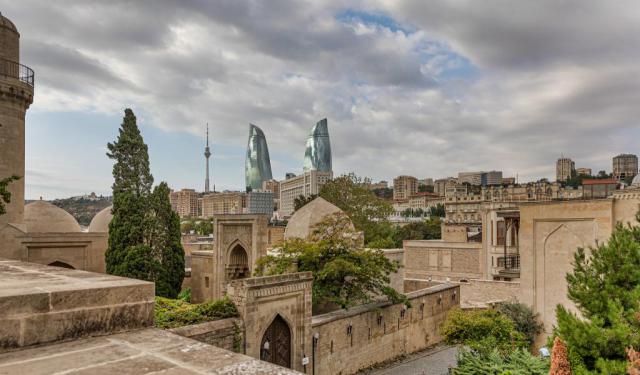
A Walk Through Baku Old City
Baku's "Ichari Shahar", which literally means "Inner City," is also often referred to by foreigners as the Old City. Its unique architecture differs considerably from other ancient places in Azerbaijan and is replete with fascinating historical monuments. The most prominent of them are the 12th-century, 97-foot Maiden Tower-the most distinctive symbol of the country,... view more
Tour Duration: 1 Hour(s)
Travel Distance: 1.0 Km or 0.6 Miles
Tour Duration: 1 Hour(s)
Travel Distance: 1.0 Km or 0.6 Miles