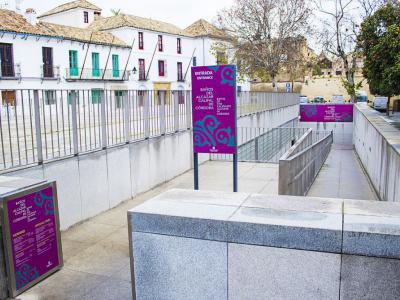


Banos del Alcazar Califal (Caliphal Baths), Cordoba
The ancient Caliphal Baths, also known as the Hammam Alcazar, date back to the 10th century and were originally built during the reign of the Caliph Al-Hakam II, which ruled over much of Spain during the medieval period. The Hammam Alcazar is considered one of the best-preserved examples of Islamic bathhouses in Spain and stands as a testament to the engineering and architectural skills of the Moors.
The Caliphal Baths served as an important social and cultural center in Cordoba, providing a place for people to relax, socialize, and practice personal hygiene. The bathhouse was also an architectural masterpiece, featuring intricate designs and decorations that reflected the artistic and engineering skills of the Moors.
The bathhouse is divided into three main sections: the cold room (bayt al-barid), the warm room (bayt al-warm), and the hot room (bayt al-sajun). The cold room, which is the entrance to the bathhouse, features a large dome with star-shaped skylights that allow natural light to filter in. The room is decorated with ornate arches and columns, as well as intricate tilework and plasterwork. The warm room is designed to prepare the body for the hotter temperatures in the hot room. It features a central pool surrounded by columns and arches, as well as more intricate tilework and plasterwork.
The hot room, which is the centerpiece of the bathhouse, is designed to induce perspiration and cleanse the body. It features a large dome with small circular openings that allow steam to escape. The room is heated by an underground furnace that heats the floor and walls, creating a warm and humid environment.
The Caliphal Baths were in use for several centuries, and underwent several renovations and additions during that time. However, by the 14th century, the bathhouse had fallen into disuse and disrepair, and was eventually abandoned.
In the 20th century, the Caliphal Baths were rediscovered during an archaeological excavation, and extensive restoration work was carried out to bring the bathhouse back to its former glory. Today, the Hammam Alcazar is open to the public, and visitors can explore the various rooms and pools that make up the bathhouse, including the hot, warm, and cold rooms, as well as the dressing rooms and relaxation areas. The Hammam Alcazar is a popular tourist attraction and cultural experience, providing visitors with a glimpse into the daily life and customs of the Moors who once inhabited Cordoba.
The Caliphal Baths served as an important social and cultural center in Cordoba, providing a place for people to relax, socialize, and practice personal hygiene. The bathhouse was also an architectural masterpiece, featuring intricate designs and decorations that reflected the artistic and engineering skills of the Moors.
The bathhouse is divided into three main sections: the cold room (bayt al-barid), the warm room (bayt al-warm), and the hot room (bayt al-sajun). The cold room, which is the entrance to the bathhouse, features a large dome with star-shaped skylights that allow natural light to filter in. The room is decorated with ornate arches and columns, as well as intricate tilework and plasterwork. The warm room is designed to prepare the body for the hotter temperatures in the hot room. It features a central pool surrounded by columns and arches, as well as more intricate tilework and plasterwork.
The hot room, which is the centerpiece of the bathhouse, is designed to induce perspiration and cleanse the body. It features a large dome with small circular openings that allow steam to escape. The room is heated by an underground furnace that heats the floor and walls, creating a warm and humid environment.
The Caliphal Baths were in use for several centuries, and underwent several renovations and additions during that time. However, by the 14th century, the bathhouse had fallen into disuse and disrepair, and was eventually abandoned.
In the 20th century, the Caliphal Baths were rediscovered during an archaeological excavation, and extensive restoration work was carried out to bring the bathhouse back to its former glory. Today, the Hammam Alcazar is open to the public, and visitors can explore the various rooms and pools that make up the bathhouse, including the hot, warm, and cold rooms, as well as the dressing rooms and relaxation areas. The Hammam Alcazar is a popular tourist attraction and cultural experience, providing visitors with a glimpse into the daily life and customs of the Moors who once inhabited Cordoba.
Want to visit this sight? Check out these Self-Guided Walking Tours in Cordoba. Alternatively, you can download the mobile app "GPSmyCity: Walks in 1K+ Cities" from Apple App Store or Google Play Store. The app turns your mobile device to a personal tour guide and it works offline, so no data plan is needed when traveling abroad.
Download The GPSmyCity App



Banos del Alcazar Califal (Caliphal Baths) on Map
Sight Name: Banos del Alcazar Califal (Caliphal Baths)
Sight Location: Cordoba, Spain (See walking tours in Cordoba)
Sight Type: Attraction/Landmark
Sight Location: Cordoba, Spain (See walking tours in Cordoba)
Sight Type: Attraction/Landmark
Nearby Sights
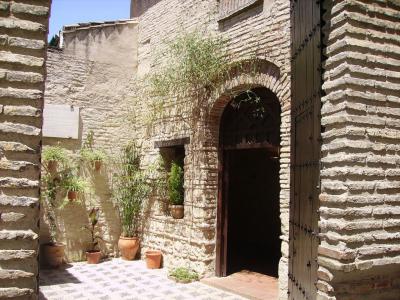
Walking Tours in Cordoba, Spain

Create Your Own Walk in Cordoba
Creating your own self-guided walk in Cordoba is easy and fun. Choose the city attractions that you want to see and a walk route map will be created just for you. You can even set your hotel as the start point of the walk.
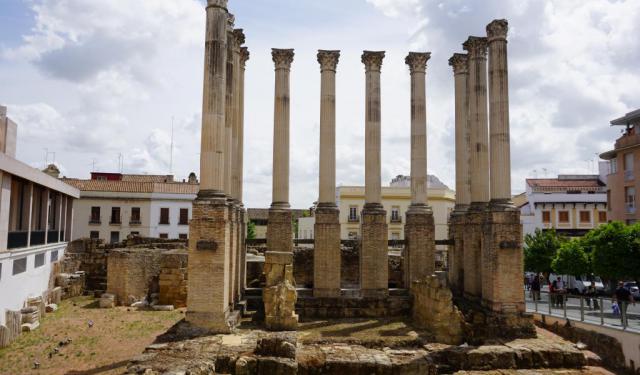
Ancient Roman Sites Walking Tour
Under all in Cordoba lies a once redoubtable Roman strongpoint. After Scipio's defeat of the Carthaginians in Llipa, the victorious Romans set up camp by the Guadalquivir River.
Under Augustus, the city gained the status of Colonia Patricia. A perimeter wall was built touching the Guadalquivir River. There were two forums, colonial and provincial. A large amphitheater has been uncovered.... view more
Tour Duration: 1 Hour
Travel Distance: 2.5 Km or 1.6 Miles
Under Augustus, the city gained the status of Colonia Patricia. A perimeter wall was built touching the Guadalquivir River. There were two forums, colonial and provincial. A large amphitheater has been uncovered.... view more
Tour Duration: 1 Hour
Travel Distance: 2.5 Km or 1.6 Miles
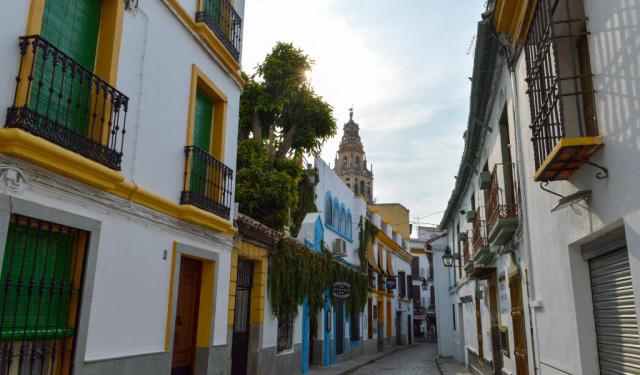
Cordoba Jewish Quarter Walk
Córdoba’s Jewish Quarter is one of the most atmospheric and historically rich districts of the city, located within the UNESCO-listed historic center. Its origins trace back to the Roman period, but it flourished most prominently during the Middle Ages, when Córdoba stood as one of the most important intellectual and cultural centers in Europe.
Under Muslim rule from the 8th to the 13th... view more
Tour Duration: 1 Hour
Travel Distance: 0.4 Km or 0.2 Miles
Under Muslim rule from the 8th to the 13th... view more
Tour Duration: 1 Hour
Travel Distance: 0.4 Km or 0.2 Miles
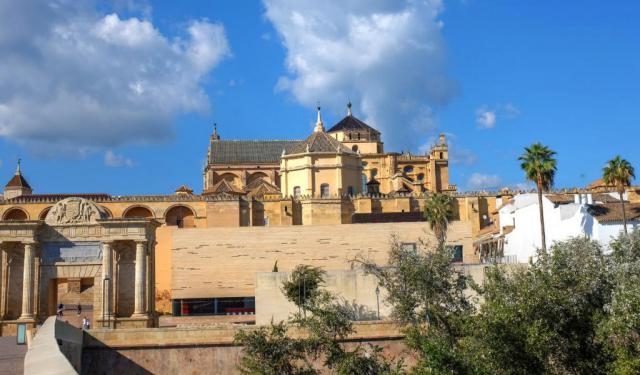
Cordoba Introduction Walking Tour
Córdoba treats history like a sculptor treats marble-layered, chiseled, and ever revealing something new. Situated in Andalusia, this city has seen empires rise, and its story spans over 2,200 years. Originally named Qart Juba by the Carthaginians, it was refounded in 206 BC by the Romans as Corduba. As the capital of the province Hispania Ulterior, it had to prove its reputation by having its... view more
Tour Duration: 2 Hours
Travel Distance: 3.3 Km or 2.1 Miles
Tour Duration: 2 Hours
Travel Distance: 3.3 Km or 2.1 Miles