

Jardin Botanico, Valencia
The Botanical Garden of Valencia is situated on Quart Street within the El Botànic neighborhood of Valencia. Its administrative oversight lies with the University of Valencia, and it holds membership in the Botanical Gardens Conservation International (BGCI).
Originally, the Botanical Garden of the University of Valencia emerged as an educational orchard focused on botany, dating back to the 16th century. During the 18th century, a new garden was established. This garden, known as the Tramoyeres orchard, was designed to align with scientific advancements and was located beyond the boundaries of Quart Street.
Félix Pizcueta, a Botany professor, played a pivotal role in enhancing the collections and facilitating the acclimatization of exotic plants from 1829 to 1863. Subsequently, the garden expanded towards Paseo de la Pechina, where the La Balsa greenhouse was constructed.
At present, the Botanical Garden boasts a significant botanical collection, featuring around 3,000 species of trees and plants from across the globe. Notable highlights include palm trees, tropical trees, cacti, and other desert plants.
In addition to preserving its historical significance, the Botanical Garden serves as a hub for botanical studies, research, development, and public outreach. It researches flora, biosystems, and vegetation, participating in international projects focused on biodiversity and the study of native plants. The facility houses a library, a herbarium, and a germplasm repository. It also facilitates specialist conferences, day classes, meetings, and exhibitions.
Today, the Botanical Garden of the University remains an essential institution for scientific and educational endeavors. It provides a green, architectural, and historically rich space, contributing to the urban landscape.
Originally, the Botanical Garden of the University of Valencia emerged as an educational orchard focused on botany, dating back to the 16th century. During the 18th century, a new garden was established. This garden, known as the Tramoyeres orchard, was designed to align with scientific advancements and was located beyond the boundaries of Quart Street.
Félix Pizcueta, a Botany professor, played a pivotal role in enhancing the collections and facilitating the acclimatization of exotic plants from 1829 to 1863. Subsequently, the garden expanded towards Paseo de la Pechina, where the La Balsa greenhouse was constructed.
At present, the Botanical Garden boasts a significant botanical collection, featuring around 3,000 species of trees and plants from across the globe. Notable highlights include palm trees, tropical trees, cacti, and other desert plants.
In addition to preserving its historical significance, the Botanical Garden serves as a hub for botanical studies, research, development, and public outreach. It researches flora, biosystems, and vegetation, participating in international projects focused on biodiversity and the study of native plants. The facility houses a library, a herbarium, and a germplasm repository. It also facilitates specialist conferences, day classes, meetings, and exhibitions.
Today, the Botanical Garden of the University remains an essential institution for scientific and educational endeavors. It provides a green, architectural, and historically rich space, contributing to the urban landscape.
Want to visit this sight? Check out these Self-Guided Walking Tours in Valencia. Alternatively, you can download the mobile app "GPSmyCity: Walks in 1K+ Cities" from Apple App Store or Google Play Store. The app turns your mobile device to a personal tour guide and it works offline, so no data plan is needed when traveling abroad.
Download The GPSmyCity App



Jardin Botanico on Map
Sight Name: Jardin Botanico
Sight Location: Valencia, Spain (See walking tours in Valencia)
Sight Type: Attraction/Landmark
Sight Location: Valencia, Spain (See walking tours in Valencia)
Sight Type: Attraction/Landmark
Nearby Sights


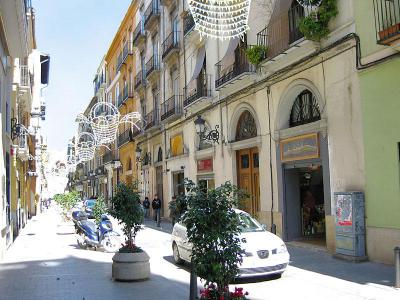


Walking Tours in Valencia, Spain

Create Your Own Walk in Valencia
Creating your own self-guided walk in Valencia is easy and fun. Choose the city attractions that you want to see and a walk route map will be created just for you. You can even set your hotel as the start point of the walk.
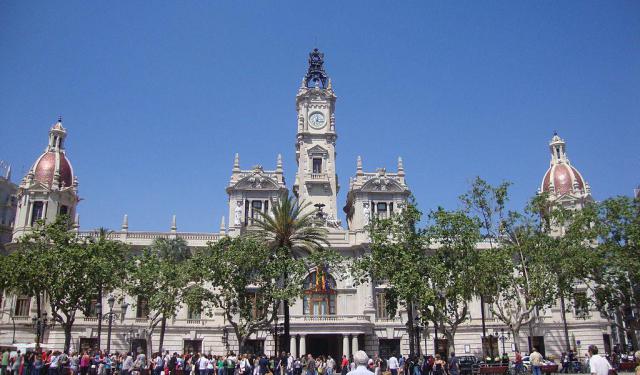
Valencia's Classical Architecture Tour
In Valencia, the architecture tells you right away-this city has layers. Indeed, this is not just a coastal getaway with sunshine, beaches, and a well-earned reputation for paella. Beneath the bright skies, “Spain’s Third Capital” reveals a rich and sometimes surprising blend of styles, bold in contrast yet delicate in detail. Nowhere is this more visible than in the Old Town, where nearly... view more
Tour Duration: 2 Hours
Travel Distance: 3.3 Km or 2.1 Miles
Tour Duration: 2 Hours
Travel Distance: 3.3 Km or 2.1 Miles
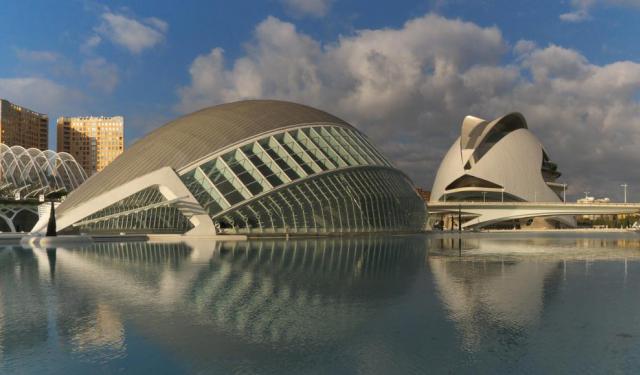
Contemporary Architecture Walk
With one foot in the past and the other planted firmly in the future, Valencia manages a balancing act few European cities can pull off. Gothic bell towers, Baroque façades, bustling markets, and centuries-old plazas all share the stage with structures that look as though they were delivered directly from the year 2150. Among the city’s many architectural personalities, contemporary design... view more
Tour Duration: 1 Hour
Travel Distance: 1.4 Km or 0.9 Miles
Tour Duration: 1 Hour
Travel Distance: 1.4 Km or 0.9 Miles
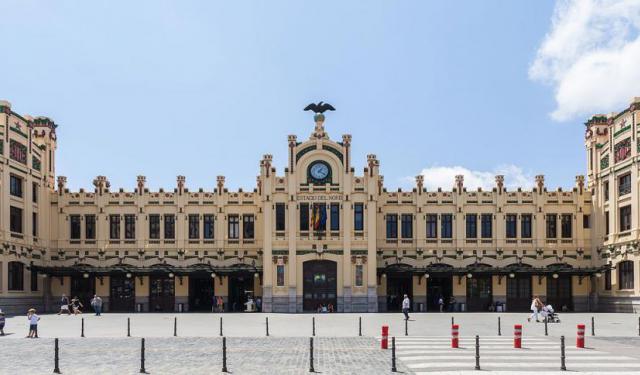
Valencia Top Attractions Walking Tour
Valencia, Spain’s third-largest city, has been around since 138 BC, when it was founded by the Romans as a colony for battle-tested veterans. Known then as Valentia, which means “valor,” it honored the courage of its first inhabitants. The city was destroyed in 75 BC by Pompey the Great, but was rebuilt within a century, later becoming home to Visigoths and then the Moors, who transformed... view more
Tour Duration: 2 Hours
Travel Distance: 3 Km or 1.9 Miles
Tour Duration: 2 Hours
Travel Distance: 3 Km or 1.9 Miles
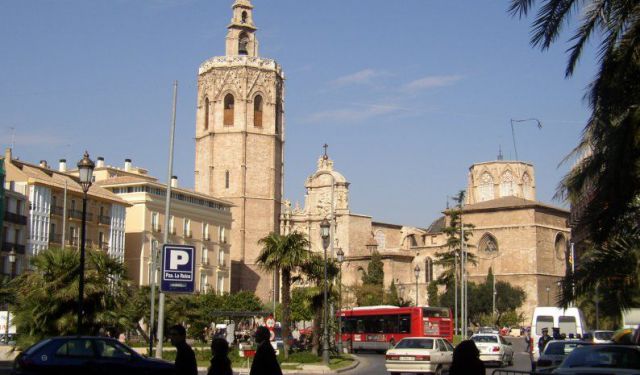
Valencia Old Town Walking Tour
Valencia’s Old Town is the sort of place where the Romans, Moors, medieval merchants, Gothic builders, Baroque decorators, and modern shoppers all seem to have comfortably found their place (albeit at different times). Beneath today’s squares, Roman streets and forum remains sit quietly underground, while above them, the city’s Islamic-era street plan still winds and twists, refusing to... view more
Tour Duration: 2 Hours
Travel Distance: 3 Km or 1.9 Miles
Tour Duration: 2 Hours
Travel Distance: 3 Km or 1.9 Miles
City Walks Overview
