


Monumento a la Carreta (La Carreta Monument), Montevideo
La Carreta Monument in Montevideo is a prominent sculptural work embodying significant historical and cultural values for the country. Created by the Uruguayan sculptor José Belloni, this monument was officially unveiled on October 14, 1934, in the scenic Batlle Park, near the historic Centenario Stadium. It commemorates the vital role of ox-cart drivers and rural labor in the nation's past, particularly before the advent of modern transportation methods like automobiles and railroads.
This bronze and pink granite sculpture captures a poignant scene typical of the Uruguayan countryside-an ox-drawn cart, laden and partially mired in a pond, pulled by oxen arranged in three yokes, with two additional oxen at the rear. The monument's dynamic composition not only highlights the physical challenges faced by these cart drivers but also serves as a testament to their resilience and endurance. The physical placement of the monument within a lush park setting enhances its aesthetic and historic resonance.
Declared a National Historic Monument in 1976, La Carreta Monument is celebrated for its artistic craftsmanship and its role in illustrating a significant era of Uruguayan history. It has garnered international accolades, including a gold medal and laudatory reviews in Italy, reflecting its worldwide recognition.
Today, this iconic piece remains integral to Montevideo’s cultural landscape, drawing visitors from around the globe. Alongside Belloni's other notable sculptures like the Monument to the Stagecoach, it forms a thematic ensemble that venerates the age of horse-drawn transportation. La Carreta Monument is not just a remarkable work of art; it is also a beloved landmark, capturing the essence of Uruguayan identity and rural heritage.
This bronze and pink granite sculpture captures a poignant scene typical of the Uruguayan countryside-an ox-drawn cart, laden and partially mired in a pond, pulled by oxen arranged in three yokes, with two additional oxen at the rear. The monument's dynamic composition not only highlights the physical challenges faced by these cart drivers but also serves as a testament to their resilience and endurance. The physical placement of the monument within a lush park setting enhances its aesthetic and historic resonance.
Declared a National Historic Monument in 1976, La Carreta Monument is celebrated for its artistic craftsmanship and its role in illustrating a significant era of Uruguayan history. It has garnered international accolades, including a gold medal and laudatory reviews in Italy, reflecting its worldwide recognition.
Today, this iconic piece remains integral to Montevideo’s cultural landscape, drawing visitors from around the globe. Alongside Belloni's other notable sculptures like the Monument to the Stagecoach, it forms a thematic ensemble that venerates the age of horse-drawn transportation. La Carreta Monument is not just a remarkable work of art; it is also a beloved landmark, capturing the essence of Uruguayan identity and rural heritage.
Want to visit this sight? Check out these Self-Guided Walking Tours in Montevideo. Alternatively, you can download the mobile app "GPSmyCity: Walks in 1K+ Cities" from Apple App Store or Google Play Store. The app turns your mobile device to a personal tour guide and it works offline, so no data plan is needed when traveling abroad.
Download The GPSmyCity App



Monumento a la Carreta (La Carreta Monument) on Map
Sight Name: Monumento a la Carreta (La Carreta Monument)
Sight Location: Montevideo, Uruguay (See walking tours in Montevideo)
Sight Type: Statue/Public Art
Sight Location: Montevideo, Uruguay (See walking tours in Montevideo)
Sight Type: Statue/Public Art
Nearby Sights




Walking Tours in Montevideo, Uruguay

Create Your Own Walk in Montevideo
Creating your own self-guided walk in Montevideo is easy and fun. Choose the city attractions that you want to see and a walk route map will be created just for you. You can even set your hotel as the start point of the walk.

Montevideo Old Town Walking Tour
In Charles Darwin's journals, who visited Montevideo in the 1830s during the voyage of the Beagle, he observed that the city felt like “a town living in a state of perpetual expectation”, shaped by sieges, trade, and uncertainty.
Montevideo is the capital and largest city of Uruguay, shaped by its position on the northern bank of the River Plate and by centuries of rivalry between... view more
Tour Duration: 2 Hours
Travel Distance: 2.5 Km or 1.6 Miles
Montevideo is the capital and largest city of Uruguay, shaped by its position on the northern bank of the River Plate and by centuries of rivalry between... view more
Tour Duration: 2 Hours
Travel Distance: 2.5 Km or 1.6 Miles
Prado District Walking Tour
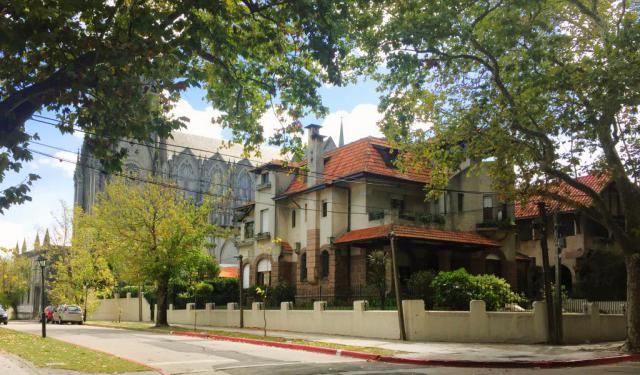
The Prado is one of Montevideo’s oldest and most historically layered districts, shaped by a long transition from rural outskirts to a residential and cultural area closely linked to the city’s elite and intellectual life. The name Prado comes from the Spanish word for “meadow” or “pasture”, reflecting the area’s original landscape: open grasslands along the Miguelete Stream.... view more
Tour Duration: 2 Hours
Travel Distance: 3.6 Km or 2.2 Miles
Tour Duration: 2 Hours
Travel Distance: 3.6 Km or 2.2 Miles