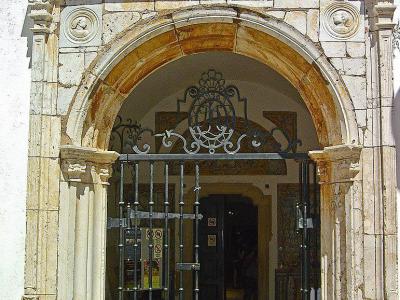


Municipal Museum Dr. Jose Formosinho, Lagos
The Municipal Museum Dr. Jose Formosinho in Lagos, Portugal is a treasure trove of history and culture. The museum is housed in a beautiful building, the annexe to the Igreja de Santo Antonio, which adds to its allure. The museum was founded in 1934 and has since then become one of the most popular tourist attractions in the area.
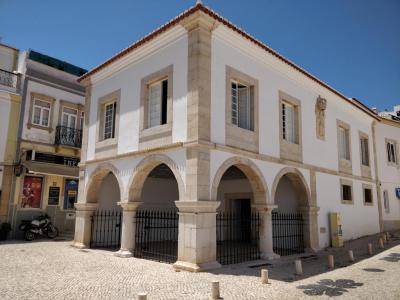
One of the most striking features of the museum is the Renaissance portico that adorns its entrance. This portico is originally from the Igreja do Compromisso Maritimo, and has been carefully adapted to the museum building. The iron gate, which is also a work of local artists, adds a touch of elegance to the entrance.
Inside the museum, visitors are treated to an impressive collection of artifacts and exhibits that are divided into various sections. The Archaeology section is home to a diverse collection of pieces from different periods in history, including the Neolithic, Luso-Iberian, Roman, and Arab periods. Visitors can explore the intricate details of these artifacts and learn more about the history of the region.
The Sacred Art section is situated in the sacristy of the church and is dedicated to showcasing paintings from the 18th century. These paintings are an excellent example of the traditional art styles of the region and are a testament to the rich cultural heritage of Lagos.
The History of Lagos section is another fascinating exhibit that showcases the city's past. It includes the Charter of Lagos, which was awarded by the King Dom Manuel I in 1504, and the Key to the City. These artifacts offer a glimpse into the political and social history of the area.
The Ethnography of the Algarve section is an intriguing display that highlights the traditional means of transport used for carrying olive-oil. A small stuffed donkey is the centerpiece of this exhibit, and visitors can learn about the importance of this animal in the region's history.
The Numismatics section is a must-see for history buffs and coin collectors. It features a vast collection of Portuguese coins and others from the former Portuguese overseas territories, providing a fascinating insight into the economic history of the region.
Finally, the Mineralogy and Overseas Ethnography section is a showcase of the geological diversity of the region, and it includes some remarkable examples of local minerals. This exhibit also features artifacts from former Portuguese colonies, highlighting the country's long history of exploration and colonization.
One of the most striking features of the museum is the Renaissance portico that adorns its entrance. This portico is originally from the Igreja do Compromisso Maritimo, and has been carefully adapted to the museum building. The iron gate, which is also a work of local artists, adds a touch of elegance to the entrance.
Inside the museum, visitors are treated to an impressive collection of artifacts and exhibits that are divided into various sections. The Archaeology section is home to a diverse collection of pieces from different periods in history, including the Neolithic, Luso-Iberian, Roman, and Arab periods. Visitors can explore the intricate details of these artifacts and learn more about the history of the region.
The Sacred Art section is situated in the sacristy of the church and is dedicated to showcasing paintings from the 18th century. These paintings are an excellent example of the traditional art styles of the region and are a testament to the rich cultural heritage of Lagos.
The History of Lagos section is another fascinating exhibit that showcases the city's past. It includes the Charter of Lagos, which was awarded by the King Dom Manuel I in 1504, and the Key to the City. These artifacts offer a glimpse into the political and social history of the area.
The Ethnography of the Algarve section is an intriguing display that highlights the traditional means of transport used for carrying olive-oil. A small stuffed donkey is the centerpiece of this exhibit, and visitors can learn about the importance of this animal in the region's history.
The Numismatics section is a must-see for history buffs and coin collectors. It features a vast collection of Portuguese coins and others from the former Portuguese overseas territories, providing a fascinating insight into the economic history of the region.
Finally, the Mineralogy and Overseas Ethnography section is a showcase of the geological diversity of the region, and it includes some remarkable examples of local minerals. This exhibit also features artifacts from former Portuguese colonies, highlighting the country's long history of exploration and colonization.
Want to visit this sight? Check out these Self-Guided Walking Tours in Lagos. Alternatively, you can download the mobile app "GPSmyCity: Walks in 1K+ Cities" from Apple App Store or Google Play Store. The app turns your mobile device to a personal tour guide and it works offline, so no data plan is needed when traveling abroad.
Download The GPSmyCity App



Municipal Museum Dr. Jose Formosinho on Map
Sight Name: Municipal Museum Dr. Jose Formosinho
Sight Location: Lagos, Portugal (See walking tours in Lagos)
Sight Type: Museum/Gallery
Sight Location: Lagos, Portugal (See walking tours in Lagos)
Sight Type: Museum/Gallery
Nearby Sights

Walking Tours in Lagos, Portugal

Create Your Own Walk in Lagos
Creating your own self-guided walk in Lagos is easy and fun. Choose the city attractions that you want to see and a walk route map will be created just for you. You can even set your hotel as the start point of the walk.
Lagos Old Town Walking Tour
Lagos is one of the oldest towns in the Algarve, with a history shaped by its coastal position, maritime activity, and strategic value. Its name is commonly traced to the Latin Lacobriga, itself likely derived from earlier Celtic roots: lac, meaning “lake” or “lagoon,” and briga, meaning “fortified place” or “hill settlement.”
The settlement’s story stretches back over two... view more
Tour Duration: 2 Hours
Travel Distance: 2.6 Km or 1.6 Miles
The settlement’s story stretches back over two... view more
Tour Duration: 2 Hours
Travel Distance: 2.6 Km or 1.6 Miles
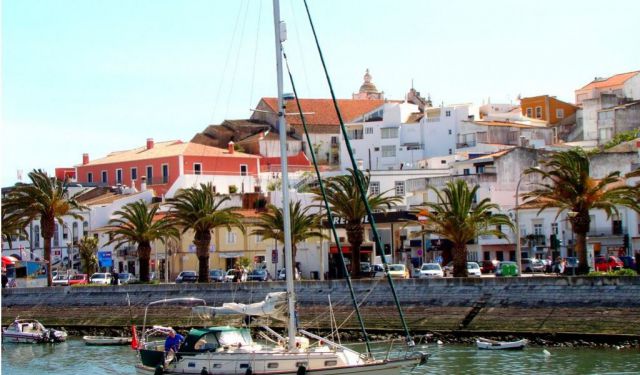
Lagos Coastline Walk
Lagos’s coastline has shaped the town’s character as much as its streets and walls, acting for centuries as both gateway and boundary. The natural harbour formed by the Bensafrim River and the chain of rocky headlands to the east created a sheltered maritime zone that defined how the town engaged with the Atlantic ocean.
For much of its history, the coastline was a working landscape. Under... view more
Tour Duration: 2 Hours
Travel Distance: 3.6 Km or 2.2 Miles
For much of its history, the coastline was a working landscape. Under... view more
Tour Duration: 2 Hours
Travel Distance: 3.6 Km or 2.2 Miles
City Walks Overview
