

Zeniarai Benzaiten Ugafuku Shrine, Yokohama
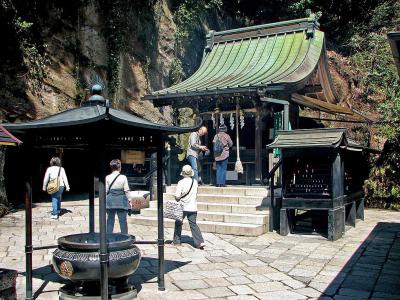
Hidden in a small valley west of central Kamakura, Zeniarai Benzaiten Ugafuku Shrine is one of the city’s most unusual sacred sites. The area is linked to Minamoto no Yoritomo, founder of the Kamakura shogunate, who is said to have discovered a spring here around 1185 after receiving guidance in a dream. Although the sacred site has medieval associations, the shrine itself was likely built much later, in the late 19th century.
The shrine is dedicated to Benzaiten, a goddess associated with water, wealth, wisdom, and the arts. Its worship reflects a distinctive blend of beliefs: Benzaiten combines elements of Sarasvati, a Buddhist goddess of Indian origin, with Ugafukujin, a local spirit connected with abundance. This mixture of Shinto and Buddhist traditions gives the shrine a character unlike many other sacred places in Japan.
The shrine’s most famous custom began in 1257 and remains its main attraction today. Visitors wash coins and banknotes in the cave spring, using small baskets, in the belief that the money will multiply or bring good fortune if later used wisely.
Reached through a tunnel cut into the rock, the grounds feel secluded and almost hidden from the outside world. Shinto gates, Buddhist statues, stone lanterns, small shrines, flowing water, and cave-like spaces create a memorable atmosphere. There is no entrance fee, though donations are accepted.
The shrine is dedicated to Benzaiten, a goddess associated with water, wealth, wisdom, and the arts. Its worship reflects a distinctive blend of beliefs: Benzaiten combines elements of Sarasvati, a Buddhist goddess of Indian origin, with Ugafukujin, a local spirit connected with abundance. This mixture of Shinto and Buddhist traditions gives the shrine a character unlike many other sacred places in Japan.
The shrine’s most famous custom began in 1257 and remains its main attraction today. Visitors wash coins and banknotes in the cave spring, using small baskets, in the belief that the money will multiply or bring good fortune if later used wisely.
Reached through a tunnel cut into the rock, the grounds feel secluded and almost hidden from the outside world. Shinto gates, Buddhist statues, stone lanterns, small shrines, flowing water, and cave-like spaces create a memorable atmosphere. There is no entrance fee, though donations are accepted.
Want to visit this sight? Check out these Self-Guided Walking Tours in Yokohama. Alternatively, you can download the mobile app "GPSmyCity: Walks in 1K+ Cities" from Apple App Store or Google Play Store. The app turns your mobile device to a personal tour guide and it works offline, so no data plan is needed when traveling abroad.
Download The GPSmyCity App



Zeniarai Benzaiten Ugafuku Shrine on Map
Sight Name: Zeniarai Benzaiten Ugafuku Shrine
Sight Location: Yokohama, Japan (See walking tours in Yokohama)
Sight Type: Religious
Guide(s) Containing This Sight:
Sight Location: Yokohama, Japan (See walking tours in Yokohama)
Sight Type: Religious
Guide(s) Containing This Sight:
Nearby Sights
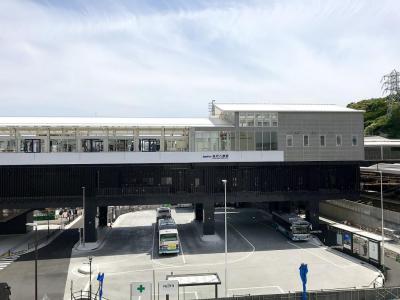
Walking Tours in Yokohama, Japan

Create Your Own Walk in Yokohama
Creating your own self-guided walk in Yokohama is easy and fun. Choose the city attractions that you want to see and a walk route map will be created just for you. You can even set your hotel as the start point of the walk.
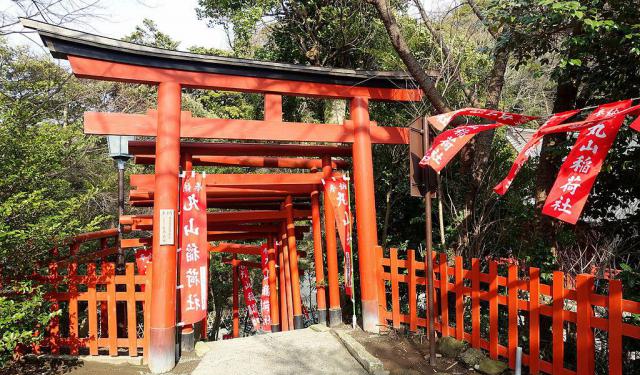
Kamakura Temples Walking Tour
Kamakura’s temples are inseparable from the story of the city itself. Once a small fishing village on Japan’s Pacific coast, Kamakura rose to national prominence in 1185, when the military leader Minamoto no Yoritomo established Japan’s first warrior government here. For nearly 150 years, Kamakura served as the political center of Japan, and its temples became both spiritual sanctuaries and... view more
Tour Duration: 2 Hours
Travel Distance: 4.7 Km or 2.9 Miles
Tour Duration: 2 Hours
Travel Distance: 4.7 Km or 2.9 Miles
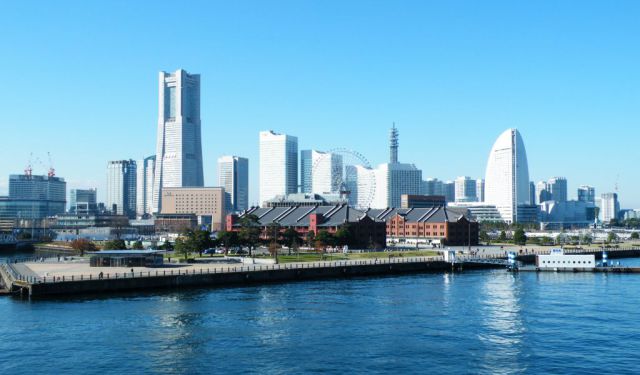
Yokohama Downtown Walking Tour
French writer Jules Verne featured Yokohama in his famous novel Around the World in Eighty Days. Even then, in 1873, Yokohama was seen as a symbol of modern, international Japan.
The city is Japan’s second-largest and one of its most important ports. The name Yokohama is derived from the words yoko, meaning “horizontal” or “sideways,” and hama, meaning “beach.” The name refers to... view more
Tour Duration: 2 Hours
Travel Distance: 3.7 Km or 2.3 Miles
The city is Japan’s second-largest and one of its most important ports. The name Yokohama is derived from the words yoko, meaning “horizontal” or “sideways,” and hama, meaning “beach.” The name refers to... view more
Tour Duration: 2 Hours
Travel Distance: 3.7 Km or 2.3 Miles
City Walks Overview
