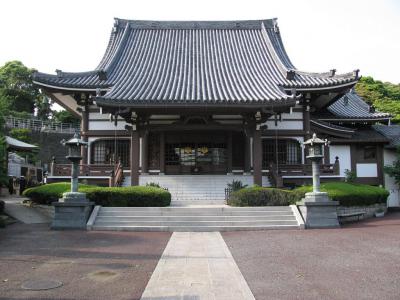


Hongakuji Temple, Yokohama
Hongakuji Temple, located in the historic city of Kamakura, holds a special place due to its association with the Kamakura Seven Deities of Good Luck. Initially founded as Ebisu-do to cater to the less privileged segment of the Kamakura shogunate, the site underwent a significant transformation when Ashikaga Mochiuji initiated the construction of a temple in 1436, later named Hongaku-ji Temple.
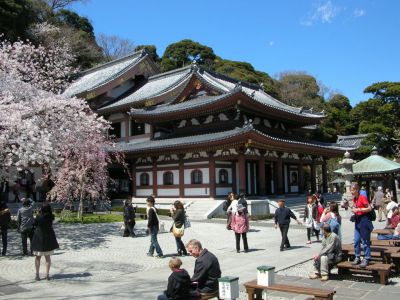
The main structure of the temple, constructed during the Taisho period, is renowned for its magnificent appearance, reflecting the architectural finesse of its time. Within the temple grounds stands the Ebisu-do, a lively edifice devoted to Ebisu, one of the seven deities of good fortune, notable for its vibrant green and red hues.
While the temple grounds usually offer a tranquil ambiance, they become lively during the Hatsu Ebisu festival in the New Year season. This festival, accompanied by decorative lanterns illuminating the area, fosters a celebratory mood, drawing numerous visitors eager to immerse themselves in Kamakura's traditions and spirituality.
Beyond its cultural and spiritual importance, Hongakuji Temple plays a vital role in the pilgrimage associated with the Kamakura Seven Deities of Good Luck. Pilgrims undertake a journey to collect red stamps at each of the seven designated locations (along with the bonus site of Enoshima Shrine, totaling eight) on a large square paper. This pilgrimage not only traverses the spiritual landscape of Kamakura but also offers participants the opportunity to seek blessings of good fortune and experience a sense of achievement upon completion.
With its rich history, architectural splendor, and spiritual significance, Hongakuji Temple stands as a cherished landmark in Kamakura, beckoning visitors to delve into its heritage and partake in its traditions.
The main structure of the temple, constructed during the Taisho period, is renowned for its magnificent appearance, reflecting the architectural finesse of its time. Within the temple grounds stands the Ebisu-do, a lively edifice devoted to Ebisu, one of the seven deities of good fortune, notable for its vibrant green and red hues.
While the temple grounds usually offer a tranquil ambiance, they become lively during the Hatsu Ebisu festival in the New Year season. This festival, accompanied by decorative lanterns illuminating the area, fosters a celebratory mood, drawing numerous visitors eager to immerse themselves in Kamakura's traditions and spirituality.
Beyond its cultural and spiritual importance, Hongakuji Temple plays a vital role in the pilgrimage associated with the Kamakura Seven Deities of Good Luck. Pilgrims undertake a journey to collect red stamps at each of the seven designated locations (along with the bonus site of Enoshima Shrine, totaling eight) on a large square paper. This pilgrimage not only traverses the spiritual landscape of Kamakura but also offers participants the opportunity to seek blessings of good fortune and experience a sense of achievement upon completion.
With its rich history, architectural splendor, and spiritual significance, Hongakuji Temple stands as a cherished landmark in Kamakura, beckoning visitors to delve into its heritage and partake in its traditions.
Want to visit this sight? Check out these Self-Guided Walking Tours in Yokohama. Alternatively, you can download the mobile app "GPSmyCity: Walks in 1K+ Cities" from Apple App Store or Google Play Store. The app turns your mobile device to a personal tour guide and it works offline, so no data plan is needed when traveling abroad.
Download The GPSmyCity App



Hongakuji Temple on Map
Sight Name: Hongakuji Temple
Sight Location: Yokohama, Japan (See walking tours in Yokohama)
Sight Type: Religious
Sight Location: Yokohama, Japan (See walking tours in Yokohama)
Sight Type: Religious
Nearby Sights
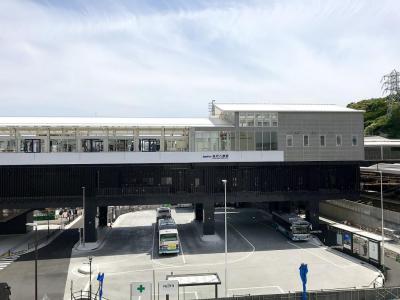
Walking Tours in Yokohama, Japan

Create Your Own Walk in Yokohama
Creating your own self-guided walk in Yokohama is easy and fun. Choose the city attractions that you want to see and a walk route map will be created just for you. You can even set your hotel as the start point of the walk.
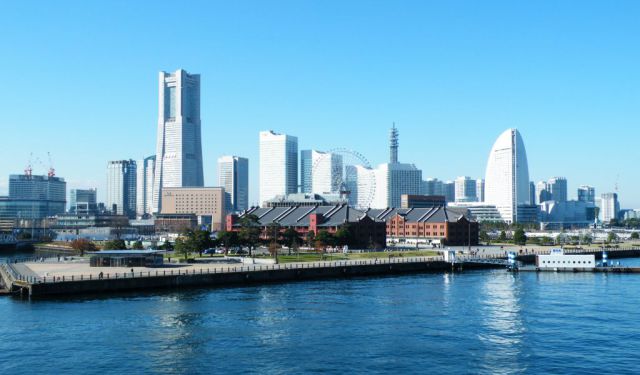
Yokohama Downtown Walking Tour
French writer Jules Verne featured Yokohama in his famous novel Around the World in Eighty Days. Even then, in 1873, Yokohama was seen as a symbol of modern, international Japan.
The city is Japan’s second-largest and one of its most important ports. The name Yokohama is derived from the words yoko, meaning “horizontal” or “sideways,” and hama, meaning “beach.” The name refers to... view more
Tour Duration: 2 Hour(s)
Travel Distance: 3.7 Km or 2.3 Miles
The city is Japan’s second-largest and one of its most important ports. The name Yokohama is derived from the words yoko, meaning “horizontal” or “sideways,” and hama, meaning “beach.” The name refers to... view more
Tour Duration: 2 Hour(s)
Travel Distance: 3.7 Km or 2.3 Miles
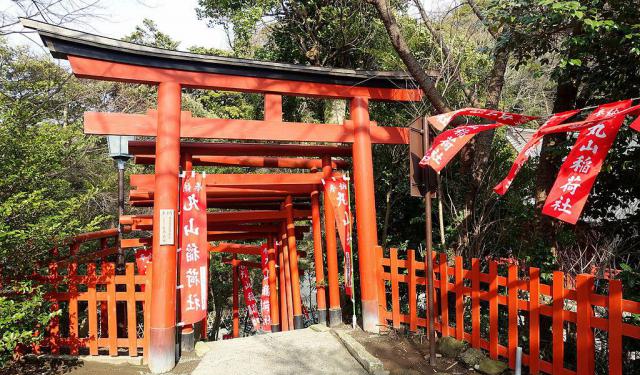
Kamakura Temples Walking Tour
Kamakura’s temples are inseparable from the story of the city itself. Once a small fishing village on Japan’s Pacific coast, Kamakura rose to national prominence in 1185, when the military leader Minamoto no Yoritomo established Japan’s first warrior government here. For nearly 150 years, Kamakura served as the political center of Japan, and its temples became both spiritual sanctuaries and... view more
Tour Duration: 2 Hour(s)
Travel Distance: 4.7 Km or 2.9 Miles
Tour Duration: 2 Hour(s)
Travel Distance: 4.7 Km or 2.9 Miles