Custom Walk in Nashville, Tennessee by karen_haldeman_beef2 created on 2023-05-16
Guide Location: USA » Nashville
Guide Type: Custom Walk
# of Sights: 6
Tour Duration: 1 Hour(s)
Travel Distance: 2.4 Km or 1.5 Miles
Share Key: KUCV5
Guide Type: Custom Walk
# of Sights: 6
Tour Duration: 1 Hour(s)
Travel Distance: 2.4 Km or 1.5 Miles
Share Key: KUCV5
How It Works
Please retrieve this walk in the GPSmyCity app. Once done, the app will guide you from one tour stop to the next as if you had a personal tour guide. If you created the walk on this website or come to the page via a link, please follow the instructions below to retrieve the walk in the app.
Retrieve This Walk in App
Step 1. Download the app "GPSmyCity: Walks in 1K+ Cities" on Apple App Store or Google Play Store.



Step 2. In the GPSmyCity app, download(or launch) the guide "Nashville Map and Walking Tours".
Step 3. Tap the menu button located at upper right corner of the "Walks" screen and select "Retrieve custom walk". Enter the share key: KUCV5

1) Honky Tonk Central
Suppose you came to Nashville looking for the hopping, rowdy, loud, unfettered party experience. In that case, this giant, three-story joint on Lower Broadway is definitely the one you would want to visit. Primarily, Honky Tonk Central stands out among other honky-tonk bars and music venues in the area for its size, energy, and lively atmosphere.
Seemingly a favorite stomping ground for the endless parade of bachelorette parties that roll through town, it gets quickly packed and usually hosts pretty good bands that play the more modern variety of country music. However, if you don't like crowds or don't tolerate loud noise, you might feel a little overwhelmed after a while, but it all depends on what you came for. Those looking for something a little tamer, where they can have a conversation without shouting over the din, might want to pass.
The building that houses Honky Tonk Central dates back to 1900 and has been home to various businesses over the years, including a men's clothing store, a bank, and a music shop. Back in the 1980s, it was converted into a bar called "Dancin' in the District," which was a popular spot for live music and dancing.
In 2011, Honky Tonk Central opened its doors, offering a modern twist on the classic honky-tonk experience. The venue features multiple stages, each with its own live band playing country music and other genres. They have TVs all over with usually some sport or another, so watching the game, enjoying the music, and having a couple of drinks at affordable prices would be a good plan for anyone looking to experience the heart and soul of Nashville's music scene.
Over the years, the place has appeared on several TV shows, including "Nashville" and "CMT's Hot 20 Countdown."
Seemingly a favorite stomping ground for the endless parade of bachelorette parties that roll through town, it gets quickly packed and usually hosts pretty good bands that play the more modern variety of country music. However, if you don't like crowds or don't tolerate loud noise, you might feel a little overwhelmed after a while, but it all depends on what you came for. Those looking for something a little tamer, where they can have a conversation without shouting over the din, might want to pass.
The building that houses Honky Tonk Central dates back to 1900 and has been home to various businesses over the years, including a men's clothing store, a bank, and a music shop. Back in the 1980s, it was converted into a bar called "Dancin' in the District," which was a popular spot for live music and dancing.
In 2011, Honky Tonk Central opened its doors, offering a modern twist on the classic honky-tonk experience. The venue features multiple stages, each with its own live band playing country music and other genres. They have TVs all over with usually some sport or another, so watching the game, enjoying the music, and having a couple of drinks at affordable prices would be a good plan for anyone looking to experience the heart and soul of Nashville's music scene.
Over the years, the place has appeared on several TV shows, including "Nashville" and "CMT's Hot 20 Countdown."
2) Country Music Hall of Fame and Museum (must see)
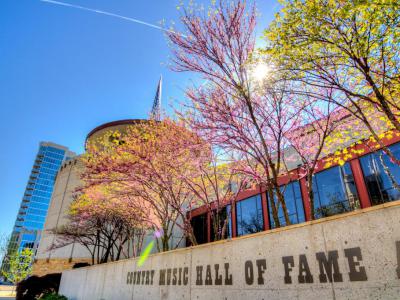
The Country Music Hall of Fame and Museum is one of the world's largest museums and research centers dedicated to the preservation and interpretation of American country music.
Founded in 1964, the museum's mission is to document the history of country music, an art form that has had a significant impact on the culture of the United States and beyond. It's often considered the definitive home for country music, given Nashville's storied connection to the genre.
The museum's architecture itself is a tribute to country music. The building's unique design features a piano keyboard merging into a car grille on one side and a Cadillac tailfin on the other, symbols that reflect country music's deep ties to southern culture. The museum's windows replicate the black diamond shapes found on a WSM radio tower, the station that broadcasts the Grand Ole Opry.
The Country Music Hall of Fame and Museum's expansive collection includes over 2.5 million artifacts. It features sound recordings, photographs, films, and a variety of musical instruments used by country music's most influential figures. Items such as Elvis Presley's "Solid Gold" Cadillac and Jimmie Rodgers' guitar can be found within the museum.
In addition to its vast collection, the museum also includes the 776-seat CMA Theater, the 213-seat Ford Theater, and the Taylor Swift Education Center. It hosts educational programs, live performances, public programs, exhibitions, and serves as a venue for artist interviews and panels.
The Hall of Fame Rotunda, part of the museum, is a sacred place where members of the Hall of Fame are commemorated with bronze plaques. The selection process is tightly controlled and being inducted into the Country Music Hall of Fame is considered one of the highest honors in the genre.
Tip:
Be sure to check the museum website for live music options. Also, consider getting the RCA Studio B tour combo ticket.
Founded in 1964, the museum's mission is to document the history of country music, an art form that has had a significant impact on the culture of the United States and beyond. It's often considered the definitive home for country music, given Nashville's storied connection to the genre.
The museum's architecture itself is a tribute to country music. The building's unique design features a piano keyboard merging into a car grille on one side and a Cadillac tailfin on the other, symbols that reflect country music's deep ties to southern culture. The museum's windows replicate the black diamond shapes found on a WSM radio tower, the station that broadcasts the Grand Ole Opry.
The Country Music Hall of Fame and Museum's expansive collection includes over 2.5 million artifacts. It features sound recordings, photographs, films, and a variety of musical instruments used by country music's most influential figures. Items such as Elvis Presley's "Solid Gold" Cadillac and Jimmie Rodgers' guitar can be found within the museum.
In addition to its vast collection, the museum also includes the 776-seat CMA Theater, the 213-seat Ford Theater, and the Taylor Swift Education Center. It hosts educational programs, live performances, public programs, exhibitions, and serves as a venue for artist interviews and panels.
The Hall of Fame Rotunda, part of the museum, is a sacred place where members of the Hall of Fame are commemorated with bronze plaques. The selection process is tightly controlled and being inducted into the Country Music Hall of Fame is considered one of the highest honors in the genre.
Tip:
Be sure to check the museum website for live music options. Also, consider getting the RCA Studio B tour combo ticket.
3) Tootsies Orchid Lounge
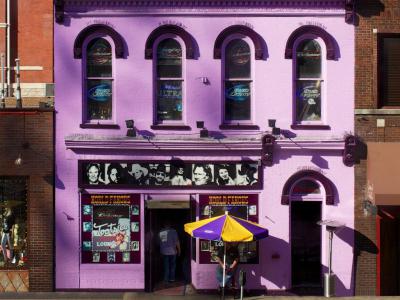
Despite being neither a singer nor a songwriter, Hattie Louis Bess – better known as Tootsie – has been inducted into Nashville's Country Music Hall of Fame. Founder of the most celebrated honky-tonk bar ever conceived, she purchased the building standing right behind the Ryman Auditorium in 1960. Originally called Mom's, the name was changed to Tootsies Orchid Lounge when a painter painted the lounge purple. Today, the exterior color remains unchanged.
History was made at Tootsie's. In the early days, Willie Nelson, Patsy Cline, Mel Tillis, Kris Kristrofferson, Waylon Jennings, Roger Miller and other famous country musicians hung out here (the former received his first songwriting gig after singing at Tootsies). At her funeral in 1978 (she was buried in an orchid gown), Roy Acuff spoke and Connie Smith sang some of Tootsie's favorite hymns. A 60-minute documentary, "Tootsie's Orchid Lounge: Where the Music Began", was released in 1996.
Plastered throughout the bar are pictures and memorabilia of past and present individuals who have influenced country music, along with pictures of hopefuls and never-wills who came to Music City chasing their dreams. Tootsie was known to slip $5 and $10 bills into the pockets of luckless singers, writers and pickers.
History was made at Tootsie's. In the early days, Willie Nelson, Patsy Cline, Mel Tillis, Kris Kristrofferson, Waylon Jennings, Roger Miller and other famous country musicians hung out here (the former received his first songwriting gig after singing at Tootsies). At her funeral in 1978 (she was buried in an orchid gown), Roy Acuff spoke and Connie Smith sang some of Tootsie's favorite hymns. A 60-minute documentary, "Tootsie's Orchid Lounge: Where the Music Began", was released in 1996.
Plastered throughout the bar are pictures and memorabilia of past and present individuals who have influenced country music, along with pictures of hopefuls and never-wills who came to Music City chasing their dreams. Tootsie was known to slip $5 and $10 bills into the pockets of luckless singers, writers and pickers.
4) Lower Broadway (must see)
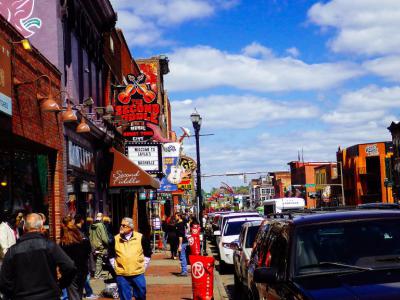
Lower Broadway is a vibrant and bustling street located in the heart of downtown Nashville. Often referred to as the city's entertainment district, Lower Broadway is renowned for its legendary honky-tonks, live country music, and southern hospitality, earning it the affectionate nickname "Honky Tonk Highway."
Running from 1st to 5th Avenue, Lower Broadway is lined with neon-lit venues, restaurants, souvenir shops, and landmarks steeped in music history. It's the beating heart of Nashville's country music scene, where both aspiring musicians and established country stars alike perform for locals and tourists.
Several iconic venues dot the street, including Tootsie's Orchid Lounge, Legends Corner, and Robert's Western World, each offering live music from early afternoon into the early hours of the morning. The street is also home to the Johnny Cash Museum, recognizing the life and music of one of country music's most influential artists.
At the end of Lower Broadway sits the Cumberland River, and the majestic riverfront views serve as the backdrop to the Ascend Amphitheater, a modern outdoor venue. A short stroll away is the Country Music Hall of Fame and Museum and the Bridgestone Arena, further embedding the street in the rich tapestry of Nashville's music scene.
Lower Broadway's energetic atmosphere and non-stop live music make it a favorite for locals and a must-visit for visitors seeking the authentic Nashville experience. Whether you're a lifelong country music fan, a budding musician, or a curious traveler, Lower Broadway offers a unique glimpse into the soul of Music City.
Running from 1st to 5th Avenue, Lower Broadway is lined with neon-lit venues, restaurants, souvenir shops, and landmarks steeped in music history. It's the beating heart of Nashville's country music scene, where both aspiring musicians and established country stars alike perform for locals and tourists.
Several iconic venues dot the street, including Tootsie's Orchid Lounge, Legends Corner, and Robert's Western World, each offering live music from early afternoon into the early hours of the morning. The street is also home to the Johnny Cash Museum, recognizing the life and music of one of country music's most influential artists.
At the end of Lower Broadway sits the Cumberland River, and the majestic riverfront views serve as the backdrop to the Ascend Amphitheater, a modern outdoor venue. A short stroll away is the Country Music Hall of Fame and Museum and the Bridgestone Arena, further embedding the street in the rich tapestry of Nashville's music scene.
Lower Broadway's energetic atmosphere and non-stop live music make it a favorite for locals and a must-visit for visitors seeking the authentic Nashville experience. Whether you're a lifelong country music fan, a budding musician, or a curious traveler, Lower Broadway offers a unique glimpse into the soul of Music City.
5) Wildhorse Saloon
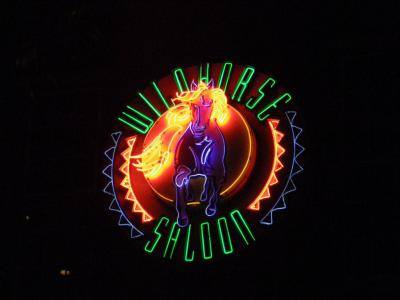
The Wildhorse Saloon is a boot-scootin', beer-drinkin' place to see and be seen, though almost exclusively by tourists. When it originally opened in 1994, promoters drove a herd of cattle through the streets of downtown Nashville. The huge dance floor is often packed with cowboys and cowgirls line dancing to the greatest country hits, just like they did in the early-to-mid-1990s. Free dance lessons are offered every day (times vary per season).
The Wildhorse books big-name acts many nights of the week, including country music, roots rock, and classic rock stars. The establishment is owned by Gaylord, the same folks who own the Ryman, Opryland, and the Opry. Because of its downtown location, open bar, large atrium, and permanent stage, the Wildhorse is also often used as a formal banquet hall. The only downside here is that you have to squeeze up to the bar to order food, which is otherwise good and reasonably priced.
The Wildhorse books big-name acts many nights of the week, including country music, roots rock, and classic rock stars. The establishment is owned by Gaylord, the same folks who own the Ryman, Opryland, and the Opry. Because of its downtown location, open bar, large atrium, and permanent stage, the Wildhorse is also often used as a formal banquet hall. The only downside here is that you have to squeeze up to the bar to order food, which is otherwise good and reasonably priced.
6) Bicentennial Capitol Mall State Park
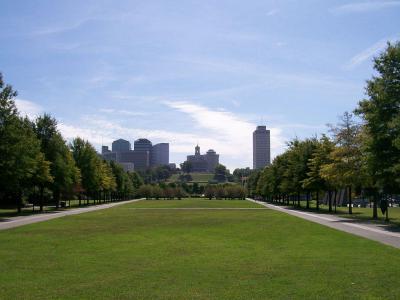
Bicentennial Capitol Mall State Park, commonly referred to as Bicentennial Mall, is a linear urban state park with landscaped features located in downtown Nashville. It is the most frequented among Tennessee's 56 state parks, attracting over 2.5 million visitors each year. This park was initially envisioned in 1989 by former Governor Ned McWherter as part of the preparations for the bicentennial celebration of the state of Tennessee. Construction began on June 27, 1994, and the park was officially opened to the public on June 1, 1996, coinciding with the 200th anniversary of Tennessee's statehood. Covering 19 acres (approximately 77,000 square meters), it is the smallest of Tennessee's state parks.
Bicentennial Mall draws inspiration from the design of the National Mall in Washington, D.C. It incorporates various design elements aimed at educating visitors about Tennessee's history, natural features, attractions, landmarks, and musical heritage. The park's architecture incorporates elements from Classical Greek, Baroque, and Beaux-Arts styles. Its boundaries are defined by Jefferson Street to the north, James Robertson Parkway to the south, 6th Avenue North to the east, and 7th Avenue North to the west. Notably, it is located just north of the hill that houses the Tennessee State Capitol, which is easily visible from the park. Additionally, the Nashville Farmers' Market is situated immediately west of the park, while the Tennessee State Museum is located directly to the west of the park's northern end, and the Tennessee State Library and Archives are situated east of the northern end. Several state office buildings are also in close proximity to the park.
Why You Should Visit:
Awesome views of the Capitol building and downtown. Water features great for kids, a huge map of TN on the ground and fascinating history wall outlining the history of TN (and earth) running the park's full length.
Tip:
Plan at least 30 mins for a walk through the park. More time will be needed when reading the historical facts.
Try to stick around for when the clock strikes every hour to be serenaded by the bell towers at one end of the park.
Then walk over to the Farmers Market for great food, farm produce at great prices, local honey, and just a nice piece of rural TN in the middle of a busy city.
Bicentennial Mall draws inspiration from the design of the National Mall in Washington, D.C. It incorporates various design elements aimed at educating visitors about Tennessee's history, natural features, attractions, landmarks, and musical heritage. The park's architecture incorporates elements from Classical Greek, Baroque, and Beaux-Arts styles. Its boundaries are defined by Jefferson Street to the north, James Robertson Parkway to the south, 6th Avenue North to the east, and 7th Avenue North to the west. Notably, it is located just north of the hill that houses the Tennessee State Capitol, which is easily visible from the park. Additionally, the Nashville Farmers' Market is situated immediately west of the park, while the Tennessee State Museum is located directly to the west of the park's northern end, and the Tennessee State Library and Archives are situated east of the northern end. Several state office buildings are also in close proximity to the park.
Why You Should Visit:
Awesome views of the Capitol building and downtown. Water features great for kids, a huge map of TN on the ground and fascinating history wall outlining the history of TN (and earth) running the park's full length.
Tip:
Plan at least 30 mins for a walk through the park. More time will be needed when reading the historical facts.
Try to stick around for when the clock strikes every hour to be serenaded by the bell towers at one end of the park.
Then walk over to the Farmers Market for great food, farm produce at great prices, local honey, and just a nice piece of rural TN in the middle of a busy city.
