Custom Walk in Stockholm, Sweden by bhaskarun_595f6 created on 2025-07-25
Guide Location: Sweden » Stockholm
Guide Type: Custom Walk
# of Sights: 15
Tour Duration: 6 Hour(s)
Travel Distance: 13 Km or 8.1 Miles
Share Key: TK7Y2
Guide Type: Custom Walk
# of Sights: 15
Tour Duration: 6 Hour(s)
Travel Distance: 13 Km or 8.1 Miles
Share Key: TK7Y2
How It Works
Please retrieve this walk in the GPSmyCity app. Once done, the app will guide you from one tour stop to the next as if you had a personal tour guide. If you created the walk on this website or come to the page via a link, please follow the instructions below to retrieve the walk in the app.
Retrieve This Walk in App
Step 1. Download the app "GPSmyCity: Walks in 1K+ Cities" on Apple App Store or Google Play Store.



Step 2. In the GPSmyCity app, download(or launch) the guide "Stockholm Map and Walking Tours".
Step 3. Tap the menu button located at upper right corner of the "Walks" screen and select "Retrieve custom walk". Enter the share key: TK7Y2
1) Moderna Museet (The Modern Museum) (must see)
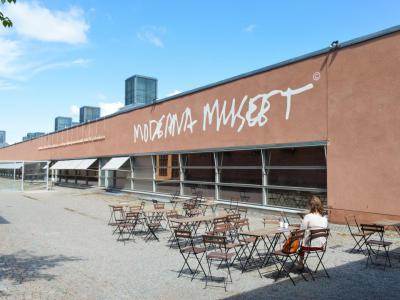
The Modern Museum (Moderna Museet), located on the island of Skeppsholmen in central Stockholm, is the country's premier state museum for modern and contemporary art. Established on May 9, 1958, the museum has become a key cultural institution, not just for its extensive collection but also for its role in the contemporary art scene. In 2009, the museum expanded its reach by opening a branch, Moderna Museet Malmö, in a building that previously housed the Rooseum Centre for Contemporary Art.
The museum's collection boasts a remarkable array of Swedish and international modern and contemporary art, featuring works by renowned artists such as Pablo Picasso, Salvador Dalí, Marcel Duchamp, Louise Bourgeois, Niki de Saint Phalle, Henri Matisse, and Robert Rauschenberg. Among its notable pieces is a model of Tatlin's Tower, a tribute to the visionary Russian artist Vladimir Tatlin.
In addition to its permanent collection, the Modern Museum is known for its vibrant program of temporary exhibitions, showcasing contemporary art from around the world. The museum has a history of hosting innovative events, such as the 2005 Onedotzero festival, which attracted a younger audience with its mix of screenings, installations, talks, and live audio-visual performances.
The museum's physical space has undergone significant changes since its inception. Initially housed in Exercishuset on Skeppsholmen, it was temporarily relocated between 1994 and 1998 to the Spårvägshallarna in Stockholm during the construction of a new building. The new museum building, designed by the acclaimed Spanish architect Rafael Moneo, now serves as the museum's main venue. Additionally, the Pontus Hultén Study Gallery, designed by Renzo Piano, adds another layer of architectural significance to the museum's facilities.
One of the most dramatic episodes in the museum's history occurred on November 8, 1993, when six Picasso paintings and two works by Georges Braque, valued at over £40 million, were stolen in a daring heist. The burglars, inspired by the 1955 French film "Rififi," entered through the roof at night. Fortunately, all but one of the stolen works have since been recovered.
Why You Should Visit:
The museum holds some iconic pieces, paying equal attention to contemporary artists at home and abroad.
Its design & signage are nice to explore, as is the garden outside with over a dozen cool sculptures.
Tip:
Stop in the café for a drink or cake and enjoy the view overlooking the boats and the harbor (try to grab a table by the window, or sit outdoors on the terrace).
The museum's collection boasts a remarkable array of Swedish and international modern and contemporary art, featuring works by renowned artists such as Pablo Picasso, Salvador Dalí, Marcel Duchamp, Louise Bourgeois, Niki de Saint Phalle, Henri Matisse, and Robert Rauschenberg. Among its notable pieces is a model of Tatlin's Tower, a tribute to the visionary Russian artist Vladimir Tatlin.
In addition to its permanent collection, the Modern Museum is known for its vibrant program of temporary exhibitions, showcasing contemporary art from around the world. The museum has a history of hosting innovative events, such as the 2005 Onedotzero festival, which attracted a younger audience with its mix of screenings, installations, talks, and live audio-visual performances.
The museum's physical space has undergone significant changes since its inception. Initially housed in Exercishuset on Skeppsholmen, it was temporarily relocated between 1994 and 1998 to the Spårvägshallarna in Stockholm during the construction of a new building. The new museum building, designed by the acclaimed Spanish architect Rafael Moneo, now serves as the museum's main venue. Additionally, the Pontus Hultén Study Gallery, designed by Renzo Piano, adds another layer of architectural significance to the museum's facilities.
One of the most dramatic episodes in the museum's history occurred on November 8, 1993, when six Picasso paintings and two works by Georges Braque, valued at over £40 million, were stolen in a daring heist. The burglars, inspired by the 1955 French film "Rififi," entered through the roof at night. Fortunately, all but one of the stolen works have since been recovered.
Why You Should Visit:
The museum holds some iconic pieces, paying equal attention to contemporary artists at home and abroad.
Its design & signage are nice to explore, as is the garden outside with over a dozen cool sculptures.
Tip:
Stop in the café for a drink or cake and enjoy the view overlooking the boats and the harbor (try to grab a table by the window, or sit outdoors on the terrace).
2) Nationalmuseet (National Museum of Fine Arts) (must see)
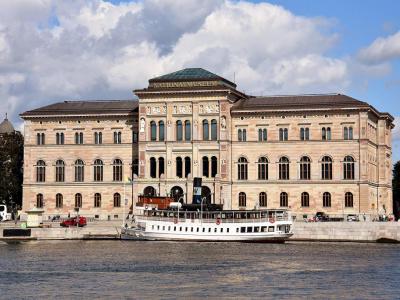
Tucked away on Stockholm’s Blasieholmen peninsula-just far enough from the tourist bustle to feel cultured but close enough for a scenic detour-the National Museum of Fine Arts, or simply the National Museum, is Sweden’s crown jewel of artistic grandeur. Think of it as the nation’s visual brain: refined, storied, and occasionally dramatic. It all began with generous patrons like King Gustav III and Carl Gustaf Tessin, whose taste for the finer things laid the groundwork for a collection that is as rich as it is eclectic.
Born in 1792 under the very regal name “Royal Museum”, it’s been hoarding beauty and boosting national pride ever since. Its current quarters, opened in 1866, were the brainchild of German architect Friedrich August Stüler, who borrowed a few pages from the northern Italian Renaissance playbook. Outside, it plays it cool with a somewhat restrained façade-but step inside, and you're greeted by a sweeping staircase that practically begs you to ascend like a minor royal.
Like any well-aged institution, the museum’s had a few makeovers over the years. In 1961, it bulked up with more workshops, and by 1996, it was civilized enough to add a restaurant. Then came the big one: a five-year, top-to-bottom renovation, from 2013 to 2018. Now it boasts modern infrastructure, swanky climate controls, proper accessibility, and enough security to make a Bond villain sweat.
But that's not all... The National Museum is more of a cultural empire than a single building. It oversees the National Portrait Gallery at Gripsholm, the Gustavsberg Porcelain Museum, assorted castle collections, and even the Institute Tessin in Paris. Oh, and since 2018, there’s also a satellite location way up north-the National Museum Jamtli in Östersund-because art deserves snow too...
Undoubtedly, today, the National Museum is more than just a vault of masterpieces-it’s a living, breathing celebration of Sweden’s creative soul. So, go on, give it a visit-and don’t forget to check out that staircase...
Born in 1792 under the very regal name “Royal Museum”, it’s been hoarding beauty and boosting national pride ever since. Its current quarters, opened in 1866, were the brainchild of German architect Friedrich August Stüler, who borrowed a few pages from the northern Italian Renaissance playbook. Outside, it plays it cool with a somewhat restrained façade-but step inside, and you're greeted by a sweeping staircase that practically begs you to ascend like a minor royal.
Like any well-aged institution, the museum’s had a few makeovers over the years. In 1961, it bulked up with more workshops, and by 1996, it was civilized enough to add a restaurant. Then came the big one: a five-year, top-to-bottom renovation, from 2013 to 2018. Now it boasts modern infrastructure, swanky climate controls, proper accessibility, and enough security to make a Bond villain sweat.
But that's not all... The National Museum is more of a cultural empire than a single building. It oversees the National Portrait Gallery at Gripsholm, the Gustavsberg Porcelain Museum, assorted castle collections, and even the Institute Tessin in Paris. Oh, and since 2018, there’s also a satellite location way up north-the National Museum Jamtli in Östersund-because art deserves snow too...
Undoubtedly, today, the National Museum is more than just a vault of masterpieces-it’s a living, breathing celebration of Sweden’s creative soul. So, go on, give it a visit-and don’t forget to check out that staircase...
3) Royal Palace (must see)
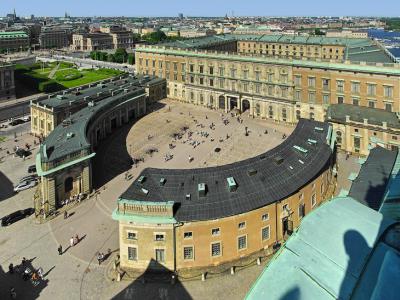
The Royal Palace in Stockholm, also known as Stockholm Palace, is the official residence of the Swedish monarch, although King Carl XVI Gustaf and Queen Silvia primarily reside at Drottningholm Palace. Situated in the Old Town of Stockholm (Gamla Stan), adjacent to the Parliament building, the Royal Palace is a significant ceremonial venue for the King in his role as head of state.
This historic site has served as a royal residence since the mid-13th century, originally home to the Three Crowns (Tre Kronor) Castle. Following a devastating fire in 1697, the current palace was constructed, with its completion delayed until 1754 due to the Great Northern War. The palace is one of the largest in the world, boasting over 1,400 rooms, including state and guest apartments, the Hall of State, the Royal Chapel, and several museums.
Visitors are welcomed by the Swedish Royal Guard, a tradition rooted in medieval Sweden, adding to the palace's majestic atmosphere. The palace’s interior is notable for its exquisite copper roof and houses significant cultural artifacts, including the Bernadotte Library, the Royal Armoury, and the Three Crowns Museum.
One of the most distinguished features is Gustav III's Museum of Antiquities, one of Europe’s oldest museums, which displays over 200 sculptures acquired by King Gustav III during his travels in Italy. The palace also offers a unique shopping experience at the Royal Gift Shop, where visitors can purchase exclusive items linked to the Royal Collections. The shop is open daily with free entry, making it a popular destination for both history enthusiasts and those seeking distinctive souvenirs.
Tip:
While the rooms are well-marked in English, it's always good to go on a guided tour for a more personalized experience.
The Treasury room, with all the regalia, would justify taking the tour as you get to learn more about what you're looking at.
This historic site has served as a royal residence since the mid-13th century, originally home to the Three Crowns (Tre Kronor) Castle. Following a devastating fire in 1697, the current palace was constructed, with its completion delayed until 1754 due to the Great Northern War. The palace is one of the largest in the world, boasting over 1,400 rooms, including state and guest apartments, the Hall of State, the Royal Chapel, and several museums.
Visitors are welcomed by the Swedish Royal Guard, a tradition rooted in medieval Sweden, adding to the palace's majestic atmosphere. The palace’s interior is notable for its exquisite copper roof and houses significant cultural artifacts, including the Bernadotte Library, the Royal Armoury, and the Three Crowns Museum.
One of the most distinguished features is Gustav III's Museum of Antiquities, one of Europe’s oldest museums, which displays over 200 sculptures acquired by King Gustav III during his travels in Italy. The palace also offers a unique shopping experience at the Royal Gift Shop, where visitors can purchase exclusive items linked to the Royal Collections. The shop is open daily with free entry, making it a popular destination for both history enthusiasts and those seeking distinctive souvenirs.
Tip:
While the rooms are well-marked in English, it's always good to go on a guided tour for a more personalized experience.
The Treasury room, with all the regalia, would justify taking the tour as you get to learn more about what you're looking at.
4) Stockholm Cathedral (must see)
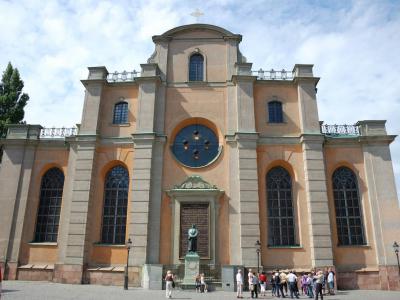
Stockholm Cathedral, also known as the Church of Saint Nicholas (Sankt Nikolai Kyrka), is the oldest and one of the most historically significant temples in Stockholm. Centrally located at the highest point of Old Town (Gamla Stan), it is flanked by the Stock Exchange Building and Stockholm Palace, forming an integral part of the city's Baroque architectural landscape.
The cathedral was consecrated in 1306, with its origins dating back to the 13th century. It features a late medieval hall interior, while the exterior showcases Baroque modifications added in the 18th century. As a crucial site during the Reformation, Stockholm Cathedral hosted the first Mass in the Swedish language. Since 1942, it has served as the seat of the Bishop of Stockholm, highlighting its ongoing religious importance.
The cathedral has a deep historical connection with the Swedish royal family, having served as the city's sole parish church for many centuries. It has been the venue for royal coronations and other significant ceremonies, including the wedding of Crown Princess Victoria in 2010. The cathedral continues to play a vital role in national events and memorials, such as the funeral of renowned Swedish author Astrid Lindgren.
Inside, the cathedral houses several significant artworks, including a medieval sculpture of Saint George and the Dragon and the Vädersolstavlan painting, one of the earliest depictions of Stockholm. The surrounding area of the cathedral is rich with historical courtyards and statues, including representations of Reason, Divine Love, Caution, and Hope. Additionally, a statue of Olaus Petri, a key figure in the Swedish Reformation, stands near the church's east facade, where the pavement also marks the former extent of a church choir demolished during the reign of King Gustav Vasa in the 16th century.
Why You Should Visit:
Architecturally interesting, culturally enriching, and very peaceful.
Tip:
Check for free organ recitals (usually at noon) and other events.
Make sure to pick up a brochure as it is very helpful in explaining several main focuses within the cathedral.
The cathedral was consecrated in 1306, with its origins dating back to the 13th century. It features a late medieval hall interior, while the exterior showcases Baroque modifications added in the 18th century. As a crucial site during the Reformation, Stockholm Cathedral hosted the first Mass in the Swedish language. Since 1942, it has served as the seat of the Bishop of Stockholm, highlighting its ongoing religious importance.
The cathedral has a deep historical connection with the Swedish royal family, having served as the city's sole parish church for many centuries. It has been the venue for royal coronations and other significant ceremonies, including the wedding of Crown Princess Victoria in 2010. The cathedral continues to play a vital role in national events and memorials, such as the funeral of renowned Swedish author Astrid Lindgren.
Inside, the cathedral houses several significant artworks, including a medieval sculpture of Saint George and the Dragon and the Vädersolstavlan painting, one of the earliest depictions of Stockholm. The surrounding area of the cathedral is rich with historical courtyards and statues, including representations of Reason, Divine Love, Caution, and Hope. Additionally, a statue of Olaus Petri, a key figure in the Swedish Reformation, stands near the church's east facade, where the pavement also marks the former extent of a church choir demolished during the reign of King Gustav Vasa in the 16th century.
Why You Should Visit:
Architecturally interesting, culturally enriching, and very peaceful.
Tip:
Check for free organ recitals (usually at noon) and other events.
Make sure to pick up a brochure as it is very helpful in explaining several main focuses within the cathedral.
5) Nobel Prize Museum (must see)
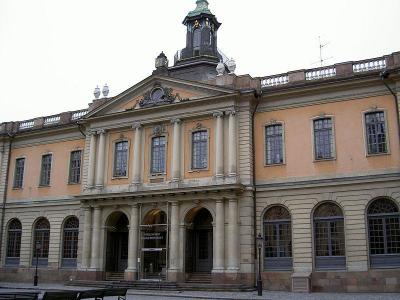
The Nobel Prize Museum in Stockholm is a must-visit destination for anyone interested in the legacy of Alfred Nobel, the Nobel Prize, and its distinguished laureates. Opened in 2001 to commemorate the centenary of the Nobel Prize, the museum offers an immersive experience into the world of this prestigious award.
The museum’s permanent exhibition showcases a fascinating collection of artifacts, personal stories, and historical accounts from Nobel Prize winners dating back to 1901. Visitors can learn about the lives and contributions of iconic figures such as Marie Curie, Nelson Mandela, and Winston Churchill.
One of the museum's highlights is the "Cultures of Creativity Exhibit," which guides visitors through the intricate process of selecting a Nobel Prize winner, culminating in the grandeur of the Nobel Banquet. An integral part of this experience is the Nobel ice cream, a treat traditionally served at the annual awards ceremony, which visitors can sample during their visit.
The museum offers daily multilingual tours, including in English, and hosts a variety of public events, conferences, and workshops. These activities are designed to engage and educate visitors, making the museum a dynamic hub of learning and inspiration.
For those wishing to take home a unique souvenir, the museum's shop offers a range of exclusive items, such as dark fair-trade chocolate versions of Alfred Nobel's gold medal and Swedish “dynamite” candy flavored with jalapeño pepper. The shop also features educational toys, books by and about Nobel laureates, and other distinctive keepsakes.
Visitors can also enjoy a meal at Bistro Nobel, which serves a selection of Swedish cakes, Nobel chocolate, and the famous Nobel ice cream and tea-both of which are featured at the Nobel Banquet. The bistro provides a perfect spot to relax and reflect on the museum's inspiring exhibits while enjoying traditional Swedish cuisine.
Tip:
Join the English tour to get the most out of your visit.
The museum’s permanent exhibition showcases a fascinating collection of artifacts, personal stories, and historical accounts from Nobel Prize winners dating back to 1901. Visitors can learn about the lives and contributions of iconic figures such as Marie Curie, Nelson Mandela, and Winston Churchill.
One of the museum's highlights is the "Cultures of Creativity Exhibit," which guides visitors through the intricate process of selecting a Nobel Prize winner, culminating in the grandeur of the Nobel Banquet. An integral part of this experience is the Nobel ice cream, a treat traditionally served at the annual awards ceremony, which visitors can sample during their visit.
The museum offers daily multilingual tours, including in English, and hosts a variety of public events, conferences, and workshops. These activities are designed to engage and educate visitors, making the museum a dynamic hub of learning and inspiration.
For those wishing to take home a unique souvenir, the museum's shop offers a range of exclusive items, such as dark fair-trade chocolate versions of Alfred Nobel's gold medal and Swedish “dynamite” candy flavored with jalapeño pepper. The shop also features educational toys, books by and about Nobel laureates, and other distinctive keepsakes.
Visitors can also enjoy a meal at Bistro Nobel, which serves a selection of Swedish cakes, Nobel chocolate, and the famous Nobel ice cream and tea-both of which are featured at the Nobel Banquet. The bistro provides a perfect spot to relax and reflect on the museum's inspiring exhibits while enjoying traditional Swedish cuisine.
Tip:
Join the English tour to get the most out of your visit.
6) Stortorget (Grand Square) (must see)
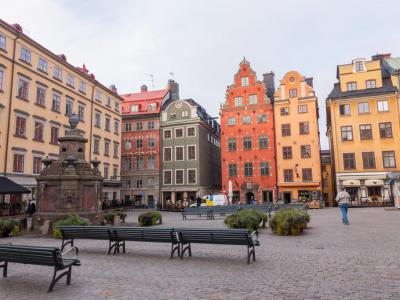
Contrary to its name, Stockholm's "Grand Square" (Stortorget) was never a stylish showpiece unlike the ones in many other European cities during the Middle Ages. It was created gradually, with the surrounding buildings added haphazardly throughout the years.
Nowadays, this is the city's oldest square and an artistic and shopping hub, particularly renowned for its annual Christmas market with fun shows, traditional handicrafts, and sumptuous culinary delights.
It is also the location of the Stock Exchange Building (Börshuset) – home to the Swedish Academy, the Nobel Museum, and the Nobel Library – built in 1773 through 1776. The nearby well dried up in 1856 due to land elevation. It was then relocated to another square (Brunkebergstorg) but eventually moved back to its original location in the 1950s, and has been connected to the city water conduit ever since.
Grand Square sits at the highest point in Stockholm and presents a carefully restored rendition of the historical buildings. Among them is house No. 3 constructed in the 1640s, commonly known as Grill House (Grillska Huset), named after its owner, Antoni Grill. The nearby building No. 5 was also Grill's property. The buildings at numbers 18 and 20 were merged into one in the 17th century and named for Johan Eberhard Schantz, the secretary of King Charles X Gustavus. House No. 22, on the left side of the square, once occupied by one of the closest friends of King Charles XI, was built in 1758 and is easily identified by its green color.
The square had a violent history, ill-famed as the location of the Stockholm Bloodbath, which took place in 1520 and resulted in the beheadings of over 80 noblemen. Their bodies were left there to bleed out, leaving pools of blood running throughout the town. Eww...(((
Indeed, the antique cobblestones of Grand Square make you feel like stepping back into the times of Old Sweden, with the pastel buildings mimicking the colors commonplace in those days.
Why You Should Visit:
The Old Town is by far the most picturesque area in Stockholm, and while this square seems unpretentious at first sight, it has a unique ambiance.
Tip:
Make sure to stand in the middle and look all around you.
Nowadays, this is the city's oldest square and an artistic and shopping hub, particularly renowned for its annual Christmas market with fun shows, traditional handicrafts, and sumptuous culinary delights.
It is also the location of the Stock Exchange Building (Börshuset) – home to the Swedish Academy, the Nobel Museum, and the Nobel Library – built in 1773 through 1776. The nearby well dried up in 1856 due to land elevation. It was then relocated to another square (Brunkebergstorg) but eventually moved back to its original location in the 1950s, and has been connected to the city water conduit ever since.
Grand Square sits at the highest point in Stockholm and presents a carefully restored rendition of the historical buildings. Among them is house No. 3 constructed in the 1640s, commonly known as Grill House (Grillska Huset), named after its owner, Antoni Grill. The nearby building No. 5 was also Grill's property. The buildings at numbers 18 and 20 were merged into one in the 17th century and named for Johan Eberhard Schantz, the secretary of King Charles X Gustavus. House No. 22, on the left side of the square, once occupied by one of the closest friends of King Charles XI, was built in 1758 and is easily identified by its green color.
The square had a violent history, ill-famed as the location of the Stockholm Bloodbath, which took place in 1520 and resulted in the beheadings of over 80 noblemen. Their bodies were left there to bleed out, leaving pools of blood running throughout the town. Eww...(((
Indeed, the antique cobblestones of Grand Square make you feel like stepping back into the times of Old Sweden, with the pastel buildings mimicking the colors commonplace in those days.
Why You Should Visit:
The Old Town is by far the most picturesque area in Stockholm, and while this square seems unpretentious at first sight, it has a unique ambiance.
Tip:
Make sure to stand in the middle and look all around you.
7) Gamla Stan (Old Town) (must see)
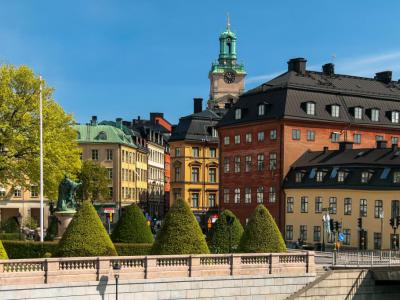
The Old Town (Gamla Stan) is the historic heart of Stockholm. Officially known until 1980 as "the Town between the Bridges," this area is situated primarily on the island of Stadsholmen. Although the name Gamla Stan is colloquially used to refer to the entire Old Town, it also officially includes the surrounding islets of Riddarholmen, Helgeandsholmen, and Strömsborg. The area is home to approximately 3,000 residents.
Dating back to the 13th century, Old Town is a well-preserved medieval district, characterized by its narrow alleyways, cobblestone streets, and historical architecture. The influence of North German architectural styles is particularly evident in many of the buildings. The area has been shaped by some of Sweden’s most notable architects, such as Nicodemus Tessin and Carl Hårleman, who played key roles in the construction of significant landmarks like the Stockholm Palace.
Old Town is rich in historical buildings, including the Stockholm Stock Exchange Building, Bonde Palace (the seat of the Swedish Supreme Court), and the House of Nobility, which once hosted the Swedish parliament. In the heart of Old Town lies Stortorget, a picturesque large square surrounded by old merchants' houses and notable buildings such as the Stockholm Stock Exchange Building. Stortorget is also infamous as the site of the Stockholm Bloodbath of 1520, where Danish King Christian II ordered the execution of Swedish noblemen, leading to a revolt that eventually dissolved the Kalmar Union and saw the rise of King Gustav I.
Key landmarks in Old Town include the Stockholm Cathedral, the Nobel Museum, and the Riddarholm Church, which is the royal burial church. Another significant site is the Royal Palace, which was constructed in the 18th century after the previous palace, Tre Kronor, was destroyed by fire. The House of Nobility (Riddarhuset), located in the north-western part of Old Town, is another historic structure of note.
Old Town is also home to one of the world's oldest continuously operating restaurants, Den Gyldene Freden, located on Österlånggatan. Established in 1722, it has maintained its original environment and is now owned by the Swedish Nobel Academy, which holds weekly luncheons there. The Stockholm Cathedral houses the famous statue of Saint George and the Dragon, sculpted by Bernt Notke, while the Riddarholm Church (Riddarholmskyrkan) serves as the royal burial church.
Tip:
Some streets can be a bit too touristy to handle, so try and stay away from the beaten tracks and explore a bit, or come in the morning for a stroll.
If you look beyond the tourist shops, there are quite a few nice little fascinating stores.
Dating back to the 13th century, Old Town is a well-preserved medieval district, characterized by its narrow alleyways, cobblestone streets, and historical architecture. The influence of North German architectural styles is particularly evident in many of the buildings. The area has been shaped by some of Sweden’s most notable architects, such as Nicodemus Tessin and Carl Hårleman, who played key roles in the construction of significant landmarks like the Stockholm Palace.
Old Town is rich in historical buildings, including the Stockholm Stock Exchange Building, Bonde Palace (the seat of the Swedish Supreme Court), and the House of Nobility, which once hosted the Swedish parliament. In the heart of Old Town lies Stortorget, a picturesque large square surrounded by old merchants' houses and notable buildings such as the Stockholm Stock Exchange Building. Stortorget is also infamous as the site of the Stockholm Bloodbath of 1520, where Danish King Christian II ordered the execution of Swedish noblemen, leading to a revolt that eventually dissolved the Kalmar Union and saw the rise of King Gustav I.
Key landmarks in Old Town include the Stockholm Cathedral, the Nobel Museum, and the Riddarholm Church, which is the royal burial church. Another significant site is the Royal Palace, which was constructed in the 18th century after the previous palace, Tre Kronor, was destroyed by fire. The House of Nobility (Riddarhuset), located in the north-western part of Old Town, is another historic structure of note.
Old Town is also home to one of the world's oldest continuously operating restaurants, Den Gyldene Freden, located on Österlånggatan. Established in 1722, it has maintained its original environment and is now owned by the Swedish Nobel Academy, which holds weekly luncheons there. The Stockholm Cathedral houses the famous statue of Saint George and the Dragon, sculpted by Bernt Notke, while the Riddarholm Church (Riddarholmskyrkan) serves as the royal burial church.
Tip:
Some streets can be a bit too touristy to handle, so try and stay away from the beaten tracks and explore a bit, or come in the morning for a stroll.
If you look beyond the tourist shops, there are quite a few nice little fascinating stores.
8) Fotografiska (Swedish Museum of Photography) (must see)
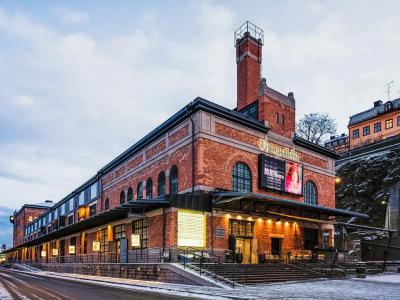
The Swedish Museum of Photography (Fotografiska) is a premier international destination for contemporary photography, showcasing works by globally renowned photographers such as Martin Schoeller, Robert Mapplethorpe, Nick Brandt, Annie Leibovitz, and David Drebin. The museum opened its doors on May 21, 2010, and is housed in a historic Art Nouveau building that once served as the Royal Customs Office at Stadgårdskai. This 1906 building, designed by Ferdinand Boberg, retains its original brick facade, although the interiors have been extensively renovated to accommodate the museum's needs.
The Swedish Museum of Photography boasts 2500 square meters of exhibition space spread over two floors, featuring an academy, bistro, cafe, bar, conference rooms, book and souvenir shop, photo gallery, and event spaces. It attracts over 500,000 visitors annually, making it one of Stockholm's key tourist attractions. The museum also offers a stunning panorama of Djurgården island and water views from its top-floor cafe.
Each year, the museum hosts four major exhibitions and about 20-25 smaller ones, highlighting both national and international photo artists. Beyond exhibitions, Fotografiska provides a rich array of educational programs, including courses, lectures, and workshops for both amateur and professional photographers. The museum also hosts concerts and artist talks, further enhancing its cultural offering.
The Swedish Museum of Photography restaurant is acclaimed for its commitment to sustainable gastronomy, focusing on seasonal, local, and organic produce. It serves lunch, dinner, and an extensive weekend brunch. The on-site bar aligns with the museum's sustainable ethos, offering organic, non-alcoholic beverages alongside alcoholic options. The cafe serves organic soups, pastries, and home-roasted coffee, and transforms into a bar in the evenings.
Tip:
The photography museum is barrier-free and accessible by wheelchairs and baby carriages. There are ramps at the entrances and lifts in the two stairwells, plus disabled toilets and changing tables on the ground floor and in the cafe on the second floor.
Dogs are not allowed in the building.
All payments at Fotografiska are made by card – no cash payments are possible.
The Swedish Museum of Photography boasts 2500 square meters of exhibition space spread over two floors, featuring an academy, bistro, cafe, bar, conference rooms, book and souvenir shop, photo gallery, and event spaces. It attracts over 500,000 visitors annually, making it one of Stockholm's key tourist attractions. The museum also offers a stunning panorama of Djurgården island and water views from its top-floor cafe.
Each year, the museum hosts four major exhibitions and about 20-25 smaller ones, highlighting both national and international photo artists. Beyond exhibitions, Fotografiska provides a rich array of educational programs, including courses, lectures, and workshops for both amateur and professional photographers. The museum also hosts concerts and artist talks, further enhancing its cultural offering.
The Swedish Museum of Photography restaurant is acclaimed for its commitment to sustainable gastronomy, focusing on seasonal, local, and organic produce. It serves lunch, dinner, and an extensive weekend brunch. The on-site bar aligns with the museum's sustainable ethos, offering organic, non-alcoholic beverages alongside alcoholic options. The cafe serves organic soups, pastries, and home-roasted coffee, and transforms into a bar in the evenings.
Tip:
The photography museum is barrier-free and accessible by wheelchairs and baby carriages. There are ramps at the entrances and lifts in the two stairwells, plus disabled toilets and changing tables on the ground floor and in the cafe on the second floor.
Dogs are not allowed in the building.
All payments at Fotografiska are made by card – no cash payments are possible.
9) Stadshuset (City Hall) (must see)
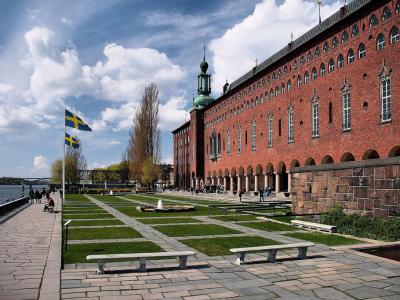
Stockholm City Hall (Stadshuset) serves as the seat of the Stockholm Municipality and stands as one of the city's most iconic landmarks. Located on the eastern tip of Kungsholmen island, it overlooks Riddarfjärden and faces the islands of Riddarholmen and Södermalm, creating a picturesque backdrop that integrates the city's architectural heritage with its natural waterways.
The building is renowned for its striking National Romantic style, characterized by a blend of robust Northern European brick construction with elements reminiscent of Venetian Gothic architecture. Designed by architect Ragnar Östberg, the City Hall was the result of an architectural competition initiated in 1907, with construction taking place between 1911 and 1923.
A prominent feature of the building is its monumental tower, rising 106 meters and crowned with the Three Crowns, a symbol of Sweden. Visitors can access the tower by elevator or by climbing a 365-step staircase. At the base of the tower is a gold-plated cenotaph dedicated to Birger Jarl, a 13th-century Swedish statesman.
The interior of Stockholm City Hall is equally impressive, with its Blue Hall and Golden Hall serving as major highlights. The Blue Hall, despite its name, lacks blue decorations; instead, it features a grand organ with 10,270 pipes, the largest in Scandinavia, and is the venue for the annual Nobel Prize banquet. The Golden Hall, located above the Blue Hall, is adorned with magnificent mosaics made of over 18 million tiles, depicting scenes from Swedish history and created by the German firm Puhl & Wagner.
Surrounding the City Hall is a small park that features several notable sculptures, including works by Carl Eldh, such as the ensemble representing artists August Strindberg, Gustaf Fröding, and Ernst Josephson. Another striking sculpture is the pillar topped with a statue of Engelbrekt Engelbrektsson, a 15th-century Swedish rebel leader, facing Riddarholmen.
Why You Should Visit:
Imposing from the outside but once inside, with the free guided tour that runs every 30 minutes, the building reveals its treasures.
The wall art is interesting and well-preserved; courtyards are attractive and the gardens provide great views across the water.
Tip:
From May to September, for a small fee, you can climb the tower (or take the lift up if needed) where you have a wonderful 360-degree view of Stockholm.
If you're short on time and want to both take the tour and climb the tower, make sure you visit the website and make note of the time slots (entry only at scheduled times).
The building is renowned for its striking National Romantic style, characterized by a blend of robust Northern European brick construction with elements reminiscent of Venetian Gothic architecture. Designed by architect Ragnar Östberg, the City Hall was the result of an architectural competition initiated in 1907, with construction taking place between 1911 and 1923.
A prominent feature of the building is its monumental tower, rising 106 meters and crowned with the Three Crowns, a symbol of Sweden. Visitors can access the tower by elevator or by climbing a 365-step staircase. At the base of the tower is a gold-plated cenotaph dedicated to Birger Jarl, a 13th-century Swedish statesman.
The interior of Stockholm City Hall is equally impressive, with its Blue Hall and Golden Hall serving as major highlights. The Blue Hall, despite its name, lacks blue decorations; instead, it features a grand organ with 10,270 pipes, the largest in Scandinavia, and is the venue for the annual Nobel Prize banquet. The Golden Hall, located above the Blue Hall, is adorned with magnificent mosaics made of over 18 million tiles, depicting scenes from Swedish history and created by the German firm Puhl & Wagner.
Surrounding the City Hall is a small park that features several notable sculptures, including works by Carl Eldh, such as the ensemble representing artists August Strindberg, Gustaf Fröding, and Ernst Josephson. Another striking sculpture is the pillar topped with a statue of Engelbrekt Engelbrektsson, a 15th-century Swedish rebel leader, facing Riddarholmen.
Why You Should Visit:
Imposing from the outside but once inside, with the free guided tour that runs every 30 minutes, the building reveals its treasures.
The wall art is interesting and well-preserved; courtyards are attractive and the gardens provide great views across the water.
Tip:
From May to September, for a small fee, you can climb the tower (or take the lift up if needed) where you have a wonderful 360-degree view of Stockholm.
If you're short on time and want to both take the tour and climb the tower, make sure you visit the website and make note of the time slots (entry only at scheduled times).
10) Nordic Museum (must see)
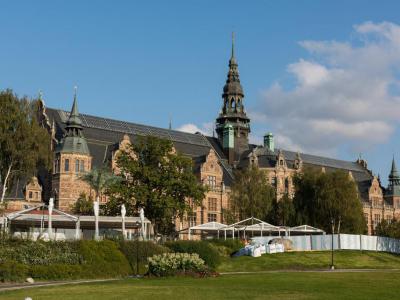
Guests to the Nordiska Museet located in Stockholm will be delighted to find over one and a half million items on display, which trace the rich cultural past of the country. The displays extend across centuries and eras, starting with the 16th century. Founded in 1873 by folklorist, Artur Hazelius, the museum was once known as the Scandinavian Ethnographic Collection. The building itself is a skillful example of Renaissance architecture. Made to resemble a palace, the museum opened its doors in 1907 after 19 years of construction.
After taking in the beauty of the structure, guests are greeted in the main hall by a large sculpture of the founder of Sweden, King Gustav Vasa. The uniqueness of the collections will captivate visitors for many hours, with displays filled with items which have been common to the Scandinavian culture, including clothing and the necessities of everyday life in a Swedish domicile. Broken into collections which reflect the class system of the past, the ground floor is known as the Royal Armory, a place devoted to the natural life and riggings of the affluent class. In other parts of the museum, guests will find cultural implements which were commonly used by the provincial class and regional society of the country.
Tip:
Get the free audio guide (available in 10 languages) at the main lobby and enjoy!
Audio guides are very easy to use; you only have to key in the exhibit's number.
They also have a great restaurant with good lunch as well as coffee & tea selection.
You might consider combining the Swedish History Museum & the Nordic Museum since the latter picks up where the former leaves off (Renaissance) in historical coverage.
After taking in the beauty of the structure, guests are greeted in the main hall by a large sculpture of the founder of Sweden, King Gustav Vasa. The uniqueness of the collections will captivate visitors for many hours, with displays filled with items which have been common to the Scandinavian culture, including clothing and the necessities of everyday life in a Swedish domicile. Broken into collections which reflect the class system of the past, the ground floor is known as the Royal Armory, a place devoted to the natural life and riggings of the affluent class. In other parts of the museum, guests will find cultural implements which were commonly used by the provincial class and regional society of the country.
Tip:
Get the free audio guide (available in 10 languages) at the main lobby and enjoy!
Audio guides are very easy to use; you only have to key in the exhibit's number.
They also have a great restaurant with good lunch as well as coffee & tea selection.
You might consider combining the Swedish History Museum & the Nordic Museum since the latter picks up where the former leaves off (Renaissance) in historical coverage.
11) Junibacken (Children's Museum) (must see)
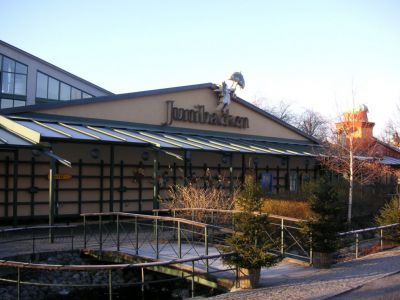
Children's Museum (Junibacken) is located on the picturesque island of Djurgården in central Stockholm. Opened in 1996 by the Swedish Royal Family, it has become one of Stockholm’s most popular tourist destinations, ranking as the city's fifth most-visited attraction. The museum is dedicated to celebrating Swedish children's literature, with a special focus on the works of beloved author Astrid Lindgren, whose legacy is honored with a bronze statue at the museum's entrance.
The interior of the Children's Museum is a visual delight, thanks to the artistic direction of Marit Törnqvist, a Swedish artist known for her illustrations in more recent editions of Lindgren's books. The museum's design is immersive and whimsical, perfectly capturing the magical world of children's stories. Upon entering, visitors are greeted by a unique display of lockers shaped like giant book spines, each featuring titles of classic works such as Treasure Island and The Jungle Book.
One of the key attractions of the Children's Museum is the Storybook Square, a charming mock public square where each house pays tribute to a different Swedish children's author, from early pioneers like Elsa Beskow to contemporary writers such as Sven Nordqvist. The square leads to a replica of the Vimmerby railway station, which not only serves as a nostalgic nod to Lindgren's hometown but also showcases treasured memorabilia, including a letter of admiration for Lindgren from former Soviet Union President Mikhail Gorbachev.
From the station, visitors embark on a magical train ride through the enchanting worlds created by Astrid Lindgren. Each stage of the ride is dedicated to one of her famous works, such as Madicken, Karlsson-on-the-Roof, Ronia the Robber's Daughter, Emil i Lönneberga, and The Brothers Lionheart. The journey concludes with a delightful half-size reconstruction of Villa Villekulla, the iconic home of Lindgren's most famous character, Pippi Longstocking.
The Children's Museum also features the largest children's bookstore in Sweden, a theatre for live performances, a restaurant, and a space for temporary exhibitions. These exhibitions typically focus on a specific author or character and remain in place for about 11 months.
Tip:
Choose lunchtime wisely or make sure you take sufficient water/juice for your tot as the queues for dining can get quite long.
Make sure that you get tickets for the fairy tale ride, as that is the main attraction of the place.
The interior of the Children's Museum is a visual delight, thanks to the artistic direction of Marit Törnqvist, a Swedish artist known for her illustrations in more recent editions of Lindgren's books. The museum's design is immersive and whimsical, perfectly capturing the magical world of children's stories. Upon entering, visitors are greeted by a unique display of lockers shaped like giant book spines, each featuring titles of classic works such as Treasure Island and The Jungle Book.
One of the key attractions of the Children's Museum is the Storybook Square, a charming mock public square where each house pays tribute to a different Swedish children's author, from early pioneers like Elsa Beskow to contemporary writers such as Sven Nordqvist. The square leads to a replica of the Vimmerby railway station, which not only serves as a nostalgic nod to Lindgren's hometown but also showcases treasured memorabilia, including a letter of admiration for Lindgren from former Soviet Union President Mikhail Gorbachev.
From the station, visitors embark on a magical train ride through the enchanting worlds created by Astrid Lindgren. Each stage of the ride is dedicated to one of her famous works, such as Madicken, Karlsson-on-the-Roof, Ronia the Robber's Daughter, Emil i Lönneberga, and The Brothers Lionheart. The journey concludes with a delightful half-size reconstruction of Villa Villekulla, the iconic home of Lindgren's most famous character, Pippi Longstocking.
The Children's Museum also features the largest children's bookstore in Sweden, a theatre for live performances, a restaurant, and a space for temporary exhibitions. These exhibitions typically focus on a specific author or character and remain in place for about 11 months.
Tip:
Choose lunchtime wisely or make sure you take sufficient water/juice for your tot as the queues for dining can get quite long.
Make sure that you get tickets for the fairy tale ride, as that is the main attraction of the place.
12) Vasa Museum (must see)
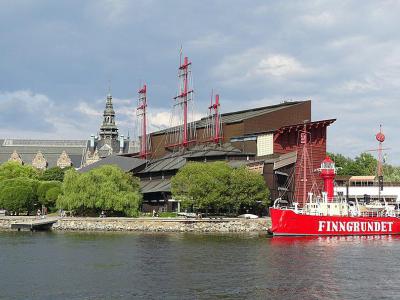
The Vasa Museum is a unique maritime museum experience; in fact, it is said to be the most popular museum in all of Scandinavia. It houses a 17th-century 64-gun warship that has been meticulously restored and preserved. It is a grand lady of the sea, measuring 69 meters and was built under the rule of King Gustavus Adolphus of Sweden. Intended to be the flagship of the Swedish Navy, the ship sunk on its maiden voyage, barely making it out of the harbor, when high seas and wind overtook its deck.
Vasa is filled with some of the most ornate and exquisite carvings ever seen on a ship of its kind. It is located in a climate and humidity controlled environment and is constantly monitored and maintained to keep it in the most ideal condition for a relic of its age. The ship is a terrific photographic subject but expect its interior to be dark, making it difficult to get that perfect photo. Besides the ship itself, the museum is filled with tools of the maritime trade and traces the history of Scandinavian maritime society.
Why You Should Visit:
It's not much of a stretch to say that there are not many ships available to examine that were built in 1628. Inside, there are several levels so you can see it from all angles.
As a bonus, at the back of the building, you can visit three interesting boats belonging to the Maritime Museum – and for free!
Tip:
Allow a couple of hours for the visit and therefore arrive 2/3 hours before it closes – it will be much quieter then.
Vasa is filled with some of the most ornate and exquisite carvings ever seen on a ship of its kind. It is located in a climate and humidity controlled environment and is constantly monitored and maintained to keep it in the most ideal condition for a relic of its age. The ship is a terrific photographic subject but expect its interior to be dark, making it difficult to get that perfect photo. Besides the ship itself, the museum is filled with tools of the maritime trade and traces the history of Scandinavian maritime society.
Why You Should Visit:
It's not much of a stretch to say that there are not many ships available to examine that were built in 1628. Inside, there are several levels so you can see it from all angles.
As a bonus, at the back of the building, you can visit three interesting boats belonging to the Maritime Museum – and for free!
Tip:
Allow a couple of hours for the visit and therefore arrive 2/3 hours before it closes – it will be much quieter then.
13) ABBA: The Museum (must see)
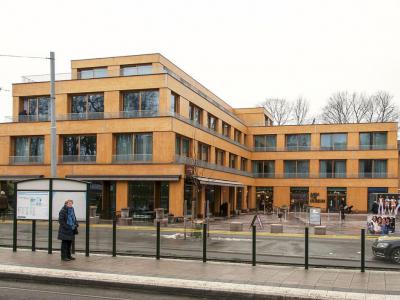
ABBA: The Museum in Stockholm is an immersive and interactive exhibition dedicated to the iconic pop band ABBA. Opened in May 2013, the museum is located on the picturesque island of Djurgården, a short walk or ride from Stockholm's city center.
The idea for a museum dedicated to ABBA was inspired by the success of The Beatles museum in Liverpool, England, and was first proposed in 2006. Although the initial plan faced several delays and financial challenges, resulting in the project being temporarily abandoned in 2009, new plans were unveiled in 2012. These plans culminated in the opening of ABBA: The Museum, which now serves as the permanent home for the ABBAWORLD exhibit that toured Europe and Australia from 2009 to 2011.
The museum offers a comprehensive look at ABBA's legacy, showcasing the band's iconic stage costumes, artifacts, concert footage, and interviews in a contemporary and interactive setting. Visitors can engage with several interactive audio and video stations, where they can perform ABBA's music, sing along with holograms of the band, and even try on digital versions of famous costumes, like Anni-Frid's 'tiger' tunic or Agnetha's 'cat' tunic.
ABBA: The Museum provides a unique experience for fans and newcomers alike, offering a deep dive into the history and impact of ABBA's music and cultural influence. The museum has the full support of the band members, with much of the material on display coming from their private collections. Whether you’re reliving the glamour of the 1970s or discovering the phenomenon for the first time, the museum offers a fascinating insight into ABBA's enduring legacy as a global superstars.
Tip:
Buy your tickets in advance for a discount and get there early or later in the day (2-3 hrs before closing).
On all the interactive exhibits that require singing, you should sing loudly and directly into the microphone.
Please keep your tickets as you'll need to scan your barcode so you can download your performances/quiz results later from their website.
The idea for a museum dedicated to ABBA was inspired by the success of The Beatles museum in Liverpool, England, and was first proposed in 2006. Although the initial plan faced several delays and financial challenges, resulting in the project being temporarily abandoned in 2009, new plans were unveiled in 2012. These plans culminated in the opening of ABBA: The Museum, which now serves as the permanent home for the ABBAWORLD exhibit that toured Europe and Australia from 2009 to 2011.
The museum offers a comprehensive look at ABBA's legacy, showcasing the band's iconic stage costumes, artifacts, concert footage, and interviews in a contemporary and interactive setting. Visitors can engage with several interactive audio and video stations, where they can perform ABBA's music, sing along with holograms of the band, and even try on digital versions of famous costumes, like Anni-Frid's 'tiger' tunic or Agnetha's 'cat' tunic.
ABBA: The Museum provides a unique experience for fans and newcomers alike, offering a deep dive into the history and impact of ABBA's music and cultural influence. The museum has the full support of the band members, with much of the material on display coming from their private collections. Whether you’re reliving the glamour of the 1970s or discovering the phenomenon for the first time, the museum offers a fascinating insight into ABBA's enduring legacy as a global superstars.
Tip:
Buy your tickets in advance for a discount and get there early or later in the day (2-3 hrs before closing).
On all the interactive exhibits that require singing, you should sing loudly and directly into the microphone.
Please keep your tickets as you'll need to scan your barcode so you can download your performances/quiz results later from their website.
14) Skansen (must see)
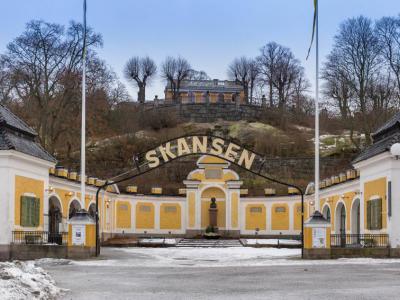
This incredibly impressive museum was the first of its kind in 1891. The open-air museum was created to celebrate Swedish culture and its traditions. The brainchild of Artur Hazelius, the founder of the Nordic Museum, Hazelius acquired land and a collection of buildings over time, which has now come to be known as Skansen. Today, this living museum paints over 300,000 square meters of the Scandinavian landscape.
The museum consists of gardens, fantastic architectural pieces, walking paths and a zoo which houses a variety of animals. Hazelius sought architectural structures which told the story of Scandinavian society. He purchased over 150 buildings throughout the country and moved them to Skansen for display. The buildings represent everything from affluent society to provincial living.
Guests to Skansen can expect to spend many hours exploring the features of the museum or visiting during one of its many celebrations and festivals. Discover the crafts, which were common to Swedish society, by observing traditionally clad craftsmen or explore the zoo, which is filled with animals native to Sweden's ecosystem.
Why You Should Visit:
If you're looking to get a 'sense' of Sweden outside the confines of great halls, Skansen is the place!
Friendly docents will explain really interesting things about the time period or the structure you're visiting.
Plenty of food/drink outlets to keep you refreshed as you explore the 300,000 square meters site, or you can bring a picnic.
Tip:
A must is the Skansen Aquarium and the "monkey house" with everything from funny baboons to scary crocs.
On different Holidays, there are some very exciting traditional celebrations that take place there.
The museum consists of gardens, fantastic architectural pieces, walking paths and a zoo which houses a variety of animals. Hazelius sought architectural structures which told the story of Scandinavian society. He purchased over 150 buildings throughout the country and moved them to Skansen for display. The buildings represent everything from affluent society to provincial living.
Guests to Skansen can expect to spend many hours exploring the features of the museum or visiting during one of its many celebrations and festivals. Discover the crafts, which were common to Swedish society, by observing traditionally clad craftsmen or explore the zoo, which is filled with animals native to Sweden's ecosystem.
Why You Should Visit:
If you're looking to get a 'sense' of Sweden outside the confines of great halls, Skansen is the place!
Friendly docents will explain really interesting things about the time period or the structure you're visiting.
Plenty of food/drink outlets to keep you refreshed as you explore the 300,000 square meters site, or you can bring a picnic.
Tip:
A must is the Skansen Aquarium and the "monkey house" with everything from funny baboons to scary crocs.
On different Holidays, there are some very exciting traditional celebrations that take place there.
15) Kungliga Djurgarden (Royal Djurgården) (must see)
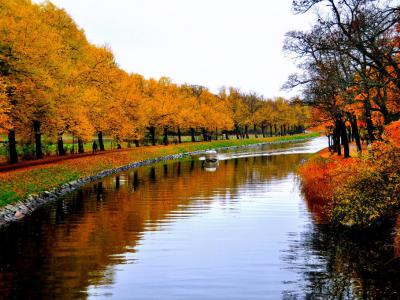
Royal Djurgården (Kungliga Djurgården), commonly referred to as Djurgården, is an island and district in Stockholm, forming part of the Royal National City Park. Historically known as Valdemar Island (Valdemarsön), Djurgården is renowned for its rich natural environment, featuring extensive parklands dotted with ancient oak trees, many of which have significant historical and cultural value.
The island is home to several urban settlements, with Djurgårdsstaden and Beckholmen located in its southwestern region. However, much of Djurgården is covered in park areas, which include a variety of museums, culturally significant villas, embassies, and other institutions. Notable landmarks include the open-air museum Skansen and the amusement park Gröna Lund, both of which attract numerous visitors annually. Djurgården has been historically associated with high-profile residents, including royalty, diplomats, and other prominent figures.
Djurgården is renowned for its oak trees, initially intended for Swedish Navy shipbuilding. Although many were slated for felling in the early 19th century, many were preserved, and new ones were planted by Israel af Ström in 1830. By the 1920s, botanist Rutger Sernander cataloged the most impressive oaks, some over 400 years old with circumferences of at least five meters. Despite a decline, Djurgården still has the largest stand of old oaks in Northern Europe.
Among the notable oaks is Prince Eugen's oak, located in the park north of Prince Eugen's Waldemarsudde, which is considered the largest living oak on the island. This majestic tree stands 21 meters tall with a trunk circumference of 920 centimeters and is estimated to be between 300 and 400 years old, with some sources suggesting it could be as old as 1,000 years.
Due to its historical and cultural significance, Southern Djurgården has been designated as a national interest for cultural environment conservation, further underscoring its importance as a treasured part of Sweden's heritage.
The island is home to several urban settlements, with Djurgårdsstaden and Beckholmen located in its southwestern region. However, much of Djurgården is covered in park areas, which include a variety of museums, culturally significant villas, embassies, and other institutions. Notable landmarks include the open-air museum Skansen and the amusement park Gröna Lund, both of which attract numerous visitors annually. Djurgården has been historically associated with high-profile residents, including royalty, diplomats, and other prominent figures.
Djurgården is renowned for its oak trees, initially intended for Swedish Navy shipbuilding. Although many were slated for felling in the early 19th century, many were preserved, and new ones were planted by Israel af Ström in 1830. By the 1920s, botanist Rutger Sernander cataloged the most impressive oaks, some over 400 years old with circumferences of at least five meters. Despite a decline, Djurgården still has the largest stand of old oaks in Northern Europe.
Among the notable oaks is Prince Eugen's oak, located in the park north of Prince Eugen's Waldemarsudde, which is considered the largest living oak on the island. This majestic tree stands 21 meters tall with a trunk circumference of 920 centimeters and is estimated to be between 300 and 400 years old, with some sources suggesting it could be as old as 1,000 years.
Due to its historical and cultural significance, Southern Djurgården has been designated as a national interest for cultural environment conservation, further underscoring its importance as a treasured part of Sweden's heritage.
