Custom Walk in Nuremberg, Germany by vkrao0908_a9ab6 created on 2025-09-04
Guide Location: Germany » Nuremberg
Guide Type: Custom Walk
# of Sights: 9
Tour Duration: 3 Hour(s)
Travel Distance: 5.6 Km or 3.5 Miles
Share Key: VHK3H
Guide Type: Custom Walk
# of Sights: 9
Tour Duration: 3 Hour(s)
Travel Distance: 5.6 Km or 3.5 Miles
Share Key: VHK3H
How It Works
Please retrieve this walk in the GPSmyCity app. Once done, the app will guide you from one tour stop to the next as if you had a personal tour guide. If you created the walk on this website or come to the page via a link, please follow the instructions below to retrieve the walk in the app.
Retrieve This Walk in App
Step 1. Download the app "GPSmyCity: Walks in 1K+ Cities" on Apple App Store or Google Play Store.



Step 2. In the GPSmyCity app, download(or launch) the guide "Nuremberg Map and Walking Tours".
Step 3. Tap the menu button located at upper right corner of the "Walks" screen and select "Retrieve custom walk". Enter the share key: VHK3H
1) Nuremberg Central Station
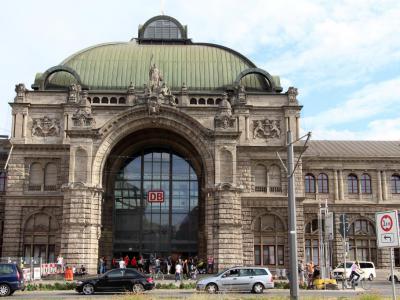
Nuremberg Central Station stands as a prominent transportation hub in northern Bavaria, classified among the top 20 most significant stations due to its substantial role and historical significance. Situated on the southeastern edge of Nuremberg's Old Town (Altstadt), the station faces the historic King's Gate (Königstor). This strategic location not only facilitates easy access to the city's core but also places it near notable landmarks such as the DB Museum and the Staatstheater Nürnberg opera house.
The architectural evolution of the station is marked by its transition from neo-Gothic to neo-Baroque styles. Originally built in the neo-Gothic style, the station underwent a significant reconstruction in 1900 adopting a largely neo-Baroque aesthetic. A notable feature of the station is its Muschelkalk facade which provides a distinctive external appearance. The station's portals are intricately adorned, displaying symbols of technological advancement like the winged wheel above the Mittelhalle portal, embodying the era's industrial spirit.
The interior of the station boasts a Jugendstil lounge designed by Bruno Paul in 1904, which survived the devastations of the Second World War. This area is renowned for its elegant mosaics and subtle stucco work on the roof, presenting a historic ambiance that complements the modern-day travel center located within. Additionally, an advertising column from the early 20th century, placed above the main portal, adds to the historical charm of the station.
Despite plans in 1950 to revert the architectural style to neo-Gothic, these were largely halted before significant changes could be made, leaving only minor modifications. This decision preserved the unique Neo-Baroque character of the station, making Nuremberg Central Station not only a crucial transportation node but also a cultural and historical landmark in the heart of Nuremberg.
Why You Should Visit:
While the building itself is very nice it is worth noting that the reason Nuremberg was chosen for the Nazi rallying grounds was its ability to link Germany by rail, so this central station is historical as well.
The architectural evolution of the station is marked by its transition from neo-Gothic to neo-Baroque styles. Originally built in the neo-Gothic style, the station underwent a significant reconstruction in 1900 adopting a largely neo-Baroque aesthetic. A notable feature of the station is its Muschelkalk facade which provides a distinctive external appearance. The station's portals are intricately adorned, displaying symbols of technological advancement like the winged wheel above the Mittelhalle portal, embodying the era's industrial spirit.
The interior of the station boasts a Jugendstil lounge designed by Bruno Paul in 1904, which survived the devastations of the Second World War. This area is renowned for its elegant mosaics and subtle stucco work on the roof, presenting a historic ambiance that complements the modern-day travel center located within. Additionally, an advertising column from the early 20th century, placed above the main portal, adds to the historical charm of the station.
Despite plans in 1950 to revert the architectural style to neo-Gothic, these were largely halted before significant changes could be made, leaving only minor modifications. This decision preserved the unique Neo-Baroque character of the station, making Nuremberg Central Station not only a crucial transportation node but also a cultural and historical landmark in the heart of Nuremberg.
Why You Should Visit:
While the building itself is very nice it is worth noting that the reason Nuremberg was chosen for the Nazi rallying grounds was its ability to link Germany by rail, so this central station is historical as well.
2) St. Lawrence's Church (must see)
Saint Lawrence's Church in Nuremberg stands as a testament to both the resiliency and rich artistic heritage of the region. Dedicated to Saint Lawrence, a revered Roman Catholic saint, the church is primarily noted for its transformation and significance within the Evangelical Lutheran tradition, particularly after it was one of the first to adopt Lutheranism in 1525. This historic church suffered considerable damage during World War II but was meticulously restored, preserving its status as a prominent landmark in Bavaria.
Architecturally, the church is celebrated for its splendid Gothic elements, particularly the "Saint Laurentius" choir, designed by the medieval master mason Konrad Roriczer in 1445. This choir is a masterpiece of Gothic design and craftsmanship, highlighting the church's architectural significance.
Artistically, Saint Lawrence's Church houses an impressive collection of medieval art, including altarpieces from the 14th and 15th centuries, with the earliest dating back to 1316. Among its notable sculptures is the "beautiful Madonna," an unusually cheerful representation from around 1280. Additionally, the church features a remarkable stone tabernacle created between 1493 and 1496, adorned with carvings that depict the Passion of Christ and capped with a dramatic array of pinnacles that reach up to the vaulting, soaring 20 meters high.
The church also boasts an exceptional collection of medieval stained glass, primarily from the 15th century, adding a vibrant splash of color and artistry to its interior. This collection survived the turbulent times of the Reformation, largely due to the determination of Nuremberg's affluent citizens who, during the Reformation's iconoclasm, chose to preserve these artworks as a tribute to their ancestors.
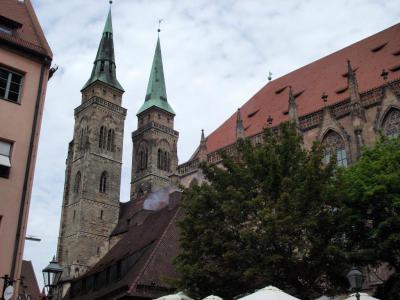
The west facade of the church is a striking feature, reflecting the opulence of the Nuremberg citizenry. It is distinguished by its two towers and an elaborate West portal that echoes the grandeur of Saint Sebald and Bamberg Cathedral, complete with a commanding rose window that measures 9 meters in diameter.
Architecturally, the church is celebrated for its splendid Gothic elements, particularly the "Saint Laurentius" choir, designed by the medieval master mason Konrad Roriczer in 1445. This choir is a masterpiece of Gothic design and craftsmanship, highlighting the church's architectural significance.
Artistically, Saint Lawrence's Church houses an impressive collection of medieval art, including altarpieces from the 14th and 15th centuries, with the earliest dating back to 1316. Among its notable sculptures is the "beautiful Madonna," an unusually cheerful representation from around 1280. Additionally, the church features a remarkable stone tabernacle created between 1493 and 1496, adorned with carvings that depict the Passion of Christ and capped with a dramatic array of pinnacles that reach up to the vaulting, soaring 20 meters high.
The church also boasts an exceptional collection of medieval stained glass, primarily from the 15th century, adding a vibrant splash of color and artistry to its interior. This collection survived the turbulent times of the Reformation, largely due to the determination of Nuremberg's affluent citizens who, during the Reformation's iconoclasm, chose to preserve these artworks as a tribute to their ancestors.
The west facade of the church is a striking feature, reflecting the opulence of the Nuremberg citizenry. It is distinguished by its two towers and an elaborate West portal that echoes the grandeur of Saint Sebald and Bamberg Cathedral, complete with a commanding rose window that measures 9 meters in diameter.
3) Heilig-Geist-Spital (Hospice of the Holy Spirit)
The Hospice of the Holy Spirit was completed in 1339. The Imperial Mayor built it to provide care to the poor and needy in the area. At the time, it was the largest hospital in the Empire.
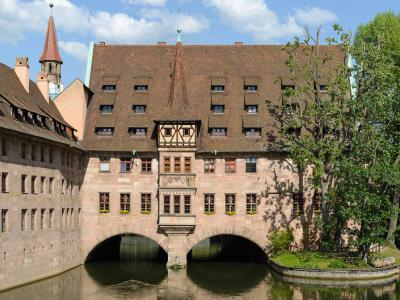
The hospital was expanded in the 16th century and stretched over the Pegntiz River. Today, visitors can view the "Sude," which housed the preacher, and the northern wall of the Hospice Church. The church has a polygonal roof turret.
An additional chapel that fell into ruins housed the crown jewels of the Empire from 1424 to 1796. These crown jewels included royal regalia and the Holy Lance, which was shown to believers once a year. In addition, the royal regalia would be transported to Frankfurt Cathedral for coronations.
The hospital houses Nuremberg's oldest bronze sculpture, which was created around 1380. Adam Kraft's Calvary dates to the early 1500s and is located in the Crucifixion Courtyard.
Today, the Hospice of the Holy Spirit houses a senior home as well as a restaurant. The medieval architecture reflecting over the river makes for an impressive photo opportunity.
The hospital was expanded in the 16th century and stretched over the Pegntiz River. Today, visitors can view the "Sude," which housed the preacher, and the northern wall of the Hospice Church. The church has a polygonal roof turret.
An additional chapel that fell into ruins housed the crown jewels of the Empire from 1424 to 1796. These crown jewels included royal regalia and the Holy Lance, which was shown to believers once a year. In addition, the royal regalia would be transported to Frankfurt Cathedral for coronations.
The hospital houses Nuremberg's oldest bronze sculpture, which was created around 1380. Adam Kraft's Calvary dates to the early 1500s and is located in the Crucifixion Courtyard.
Today, the Hospice of the Holy Spirit houses a senior home as well as a restaurant. The medieval architecture reflecting over the river makes for an impressive photo opportunity.
4) Frauenkirche (Church of Our Lady) (must see)
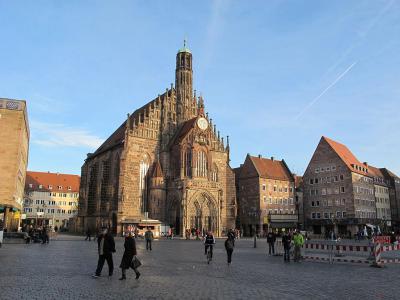
The Church of Our Lady (Frauenkirche) is a landmark of Nuremberg, located on the eastern side of the city's main market. This church, exemplifying brick Gothic architecture, was constructed between 1352 and 1362 under the direction of Charles IV, Holy Roman Emperor. It was built on the site of a former Jewish synagogue, tragically razed during the pogroms that followed the 1349 outbreak of the Black Death.
Designed to serve as a ceremonial place for imperial events, the church features a distinctive porch with a balcony. The architectural design is relatively modest, focusing on functionality and symbolic decorations, including the coats of arms of the Holy Roman Empire, the seven Electors, the town of Nuremberg, and the city of Rome-significant as the coronation site for Holy Roman Emperors.
Inside, the church houses a rich collection of medieval artworks. Notable among these is the Tucher Altar, circa 1440, which originally served as the high altar in the Augustinian Church of Saint Vitus. Additionally, the church contains two monuments crafted by Adam Kraft around 1498, showcasing the artistic heritage of the era. Many of the sculptures within the church have undergone extensive restoration, preserving their historical and artistic value.
A prominent feature of the Church of Our Lady is the mechanical clock (Männleinlaufen) installed between 1506 and 1509. This clock not only tells time but also commemorates the Golden Bull of 1356, featuring a mechanized display of the Holy Roman Emperor seated with his prince-electors. The clock stands as a symbol of the church's historical and cultural significance, bridging Nuremberg's past with the present.
Why You Should Visit:
Photogenic, easy to find, with some lovely stained glass windows and a late Gothic altarpiece from 1445 inside. On a very cold, rainy day it also provides a place of refuge, warmth and peace.
At its front door are the open-air stalls, selling lots of fresh fruit, vegetables, and gingerbread. Going up the steep steps to the viewing area overlooking the market is quite an experience.
Tip:
Try to visit at noontime when the clock mechanism is activated. After the bell tolls the hour, you can watch an animated procession with figures depicting the electors of the Holy Roman Empire paying homage to the Emperor. It's a brief but entertaining show if in the area.
Designed to serve as a ceremonial place for imperial events, the church features a distinctive porch with a balcony. The architectural design is relatively modest, focusing on functionality and symbolic decorations, including the coats of arms of the Holy Roman Empire, the seven Electors, the town of Nuremberg, and the city of Rome-significant as the coronation site for Holy Roman Emperors.
Inside, the church houses a rich collection of medieval artworks. Notable among these is the Tucher Altar, circa 1440, which originally served as the high altar in the Augustinian Church of Saint Vitus. Additionally, the church contains two monuments crafted by Adam Kraft around 1498, showcasing the artistic heritage of the era. Many of the sculptures within the church have undergone extensive restoration, preserving their historical and artistic value.
A prominent feature of the Church of Our Lady is the mechanical clock (Männleinlaufen) installed between 1506 and 1509. This clock not only tells time but also commemorates the Golden Bull of 1356, featuring a mechanized display of the Holy Roman Emperor seated with his prince-electors. The clock stands as a symbol of the church's historical and cultural significance, bridging Nuremberg's past with the present.
Why You Should Visit:
Photogenic, easy to find, with some lovely stained glass windows and a late Gothic altarpiece from 1445 inside. On a very cold, rainy day it also provides a place of refuge, warmth and peace.
At its front door are the open-air stalls, selling lots of fresh fruit, vegetables, and gingerbread. Going up the steep steps to the viewing area overlooking the market is quite an experience.
Tip:
Try to visit at noontime when the clock mechanism is activated. After the bell tolls the hour, you can watch an animated procession with figures depicting the electors of the Holy Roman Empire paying homage to the Emperor. It's a brief but entertaining show if in the area.
5) Hauptmarkt (Main Market Square) (must see)
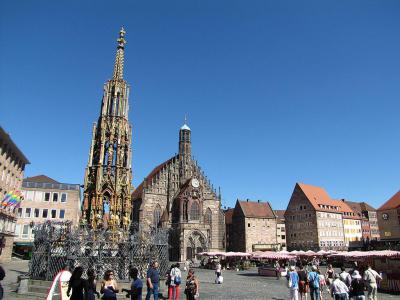
The Main Market Square has been the center of activity and commerce in Nuremberg since ancient times. The celebrated marketplace runs Monday through Saturday. Visitors and locals love to shop the plentiful fruits and vegetables, fresh bread, treats, ready-to-eat meals, and fresh flowers.
The Main Market Square features several iconic landmarks. The Beautiful Fountain was completed in 1396 and is a Gothic masterpiece. It stands an impressive 19 meters (62 feet) tall.
Forty ornate figures decorate the fountain. The figures represent important icons in the Holy Roman Empire such as philosophy, liberal arts, the four Church Fathers, the four Evangelists, the seven Prince-electors, the Nine Worthies, Moses, and the seven Prophets. Legend tells of good luck brought to visitors who spin the two brass rings on the fence.
Another impressive landmark on the square is The Church of Our Lady. This Gothic church was built in the 14th century and features a beautiful facade.
The Main Market Square hosts various festivals and events throughout the year. Popular events include the Nuremberg Flea Market, the Nuremberg Old Town Festival, and the Christmas market.
The Main Market Square features several iconic landmarks. The Beautiful Fountain was completed in 1396 and is a Gothic masterpiece. It stands an impressive 19 meters (62 feet) tall.
Forty ornate figures decorate the fountain. The figures represent important icons in the Holy Roman Empire such as philosophy, liberal arts, the four Church Fathers, the four Evangelists, the seven Prince-electors, the Nine Worthies, Moses, and the seven Prophets. Legend tells of good luck brought to visitors who spin the two brass rings on the fence.
Another impressive landmark on the square is The Church of Our Lady. This Gothic church was built in the 14th century and features a beautiful facade.
The Main Market Square hosts various festivals and events throughout the year. Popular events include the Nuremberg Flea Market, the Nuremberg Old Town Festival, and the Christmas market.
6) Weissgerbergasse (Weissgerber Street)
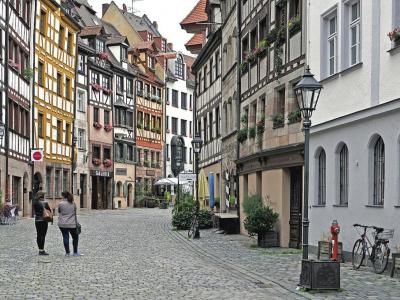
Weissgerber Street is one of the most beautiful streets in Nuremberg. While much of Nuremberg was damaged during WWII, this street features over a dozen historical homes that survived intact. The historical homes feature traditional half-timber construction and show off Nuremberg's delightful architecture.
Weissgerber refers to the tanners who lived in this lane. These tanners used potassium aluminum sulfate to craft soft, fine leather. First, the hides were soaked and treated with a rammer. Next, the tallow was scraped off with a special blade, and then tanners dried the leather in frames on the city wall. A depiction of a rammer and knife is visible at Number 24.
Today, the street is no longer home to leatherworks, but it is a popular spot for galleries, restaurants, and bars.
The beautifully preserved half-timbered buildings with colorful latticework make Weissgerber Street one of the most photographed spots in Nuremberg.
Weissgerber refers to the tanners who lived in this lane. These tanners used potassium aluminum sulfate to craft soft, fine leather. First, the hides were soaked and treated with a rammer. Next, the tallow was scraped off with a special blade, and then tanners dried the leather in frames on the city wall. A depiction of a rammer and knife is visible at Number 24.
Today, the street is no longer home to leatherworks, but it is a popular spot for galleries, restaurants, and bars.
The beautifully preserved half-timbered buildings with colorful latticework make Weissgerber Street one of the most photographed spots in Nuremberg.
7) Castle Garden (Burggarten)
Nuremberg's Castle Garden (Burggarten) is a historical gem that displays different styles of garden design linked to its royal heritage. The gardens, originating around 1425, have changed over the centuries, with no original designs surviving. The oldest depiction is a simple tree garden surrounded by a woven fence.
One notable historical feature is the "hanging gardens" created by Emperor Friedrich III in the 1450s on the south side of the main hall. Modeled after the fabled gardens of Semiramis, these gardens were built on pillars and decorated with vines, flowers, and small fruit trees. These gardens gained recognition in Johann Christoph Volkamer’s 18th-century copper engraving "Nuremberg Hesperides," which highlighted their detailed designs and diverse plant life.
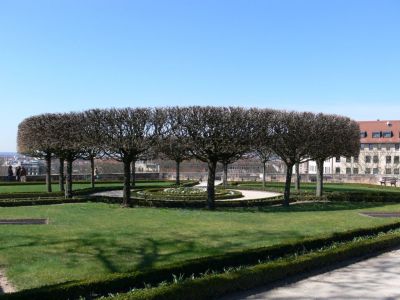
By the mid-1500s, the castle enhanced its defenses with bastions to the north and west, which later became the foundation for today’s Castle Garden. A standout part of the garden is a large bastion with a square area filled with roses, surrounded by a variety of trees, including the exotic pagoda trees (sophora japonica). A path leads from this area to the southern part of the garden, which features a circular bed surrounded by carefully pruned maples.
Next to the Heathens’ Tower, you’ll find the Maria Sibylla Merian Garden, named after the renowned Nuremberg artist and naturalist, adding a local and botanical highlight.
The garden also hosted the "Kunigunden lime tree" in the inner courtyard, reportedly planted by the canonized Empress Kunigunde. Although the original tree has been replaced, it remains a powerful symbol of the castle’s lively history, witnessing key events including castle court meetings and festivities, noted by Albrecht Dürer in 1455. These gardens are not just a tribute to the rich history of Nuremberg’s Imperial Castle, but they also provide a scenic sanctuary that combines historical stories with the beauty of nature.
One notable historical feature is the "hanging gardens" created by Emperor Friedrich III in the 1450s on the south side of the main hall. Modeled after the fabled gardens of Semiramis, these gardens were built on pillars and decorated with vines, flowers, and small fruit trees. These gardens gained recognition in Johann Christoph Volkamer’s 18th-century copper engraving "Nuremberg Hesperides," which highlighted their detailed designs and diverse plant life.
By the mid-1500s, the castle enhanced its defenses with bastions to the north and west, which later became the foundation for today’s Castle Garden. A standout part of the garden is a large bastion with a square area filled with roses, surrounded by a variety of trees, including the exotic pagoda trees (sophora japonica). A path leads from this area to the southern part of the garden, which features a circular bed surrounded by carefully pruned maples.
Next to the Heathens’ Tower, you’ll find the Maria Sibylla Merian Garden, named after the renowned Nuremberg artist and naturalist, adding a local and botanical highlight.
The garden also hosted the "Kunigunden lime tree" in the inner courtyard, reportedly planted by the canonized Empress Kunigunde. Although the original tree has been replaced, it remains a powerful symbol of the castle’s lively history, witnessing key events including castle court meetings and festivities, noted by Albrecht Dürer in 1455. These gardens are not just a tribute to the rich history of Nuremberg’s Imperial Castle, but they also provide a scenic sanctuary that combines historical stories with the beauty of nature.
8) Nuremberg Castle (must see)
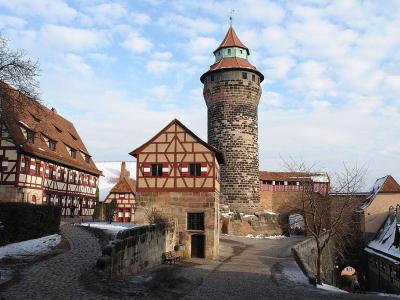
Nuremberg Castle is one of the most famous and magnificent castles in Germany. Every Holy Roman Emperor between 1050 and 1571 resided part-time at the castle. Essential administrative functions were carried out at the castle. Charles IV enacted the Golden Bull at the castle in 1356. This decree required that newly elected German kings would hold their first general assembly at Nuremberg.
The Sinwell Tower was built for defensive purposes in the 13th century. Sinwell means extremely round in Middle High German. Visitors can climb the tower's wooden spiral staircase to an observation platform. Photos of Nuremberg immediately after WWII are displayed at the top of the tower. You can see how much damage Nuremberg had and how meticulous the rebuild has been.
Visitors must be accompanied by a guide to see the Deep Well. This site is one of the highlights of the castle. The well is nearly 50 meters (164 feet) deep and was an essential water supply for the castle. The house covering the well was built in 1563.
The Double Chapel is another exquisite site. This Romanesque Imperial Chapel dates to the 13th century. The chapel features an emperor's gallery, which allowed the emperor to remain separate from the other worshippers.
The Imperial Hall was used as a dining hall and for festivities. Today, visitors can find Holy Roman Empire exhibits. The Emperor's Living Room features colorfully painted ceiling squares. The wall panels are decored with gold and date back to the 15th century.
The Corner Chamber features gorgeous art and gifts given to the Imperial Crown. Visitors will also find an impressive wooden model of the city, as well as the jeweled Imperial Crown. Visitors will find weapons from the 13th to 19th centuries in the Imperial Castle Museum.
After touring the castle, don't miss the Castle Garden with its beautiful flower beds.
Why You Should Visit:
Nuremberg Castle is steeped in history and has been beautifully restored. Visitors can walk the cobblestone paths, immerse themselves in the castle's history, and admire the stunning architecture and art displays.
Tips:
A combination ticket provides access to Nuremberg Castle, the Double Chapel, the Imperial Castle Museum, the Deep Well, and the Sinwell Tower. Guests can only visit the Deep Well with a guide. Audio guides for the castle are available in several languages.
The Sinwell Tower was built for defensive purposes in the 13th century. Sinwell means extremely round in Middle High German. Visitors can climb the tower's wooden spiral staircase to an observation platform. Photos of Nuremberg immediately after WWII are displayed at the top of the tower. You can see how much damage Nuremberg had and how meticulous the rebuild has been.
Visitors must be accompanied by a guide to see the Deep Well. This site is one of the highlights of the castle. The well is nearly 50 meters (164 feet) deep and was an essential water supply for the castle. The house covering the well was built in 1563.
The Double Chapel is another exquisite site. This Romanesque Imperial Chapel dates to the 13th century. The chapel features an emperor's gallery, which allowed the emperor to remain separate from the other worshippers.
The Imperial Hall was used as a dining hall and for festivities. Today, visitors can find Holy Roman Empire exhibits. The Emperor's Living Room features colorfully painted ceiling squares. The wall panels are decored with gold and date back to the 15th century.
The Corner Chamber features gorgeous art and gifts given to the Imperial Crown. Visitors will also find an impressive wooden model of the city, as well as the jeweled Imperial Crown. Visitors will find weapons from the 13th to 19th centuries in the Imperial Castle Museum.
After touring the castle, don't miss the Castle Garden with its beautiful flower beds.
Why You Should Visit:
Nuremberg Castle is steeped in history and has been beautifully restored. Visitors can walk the cobblestone paths, immerse themselves in the castle's history, and admire the stunning architecture and art displays.
Tips:
A combination ticket provides access to Nuremberg Castle, the Double Chapel, the Imperial Castle Museum, the Deep Well, and the Sinwell Tower. Guests can only visit the Deep Well with a guide. Audio guides for the castle are available in several languages.
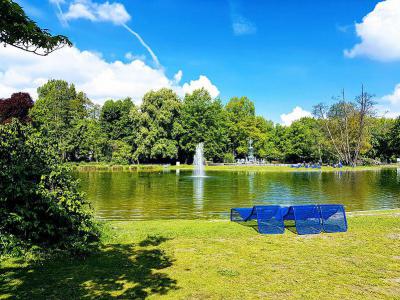
9) Stadtpark (City Park)
The City Park (Stadtpark) in Nuremberg stands as a splendid green oasis on the eastern side of the city, encompassing approximately 19 hectares-roughly equivalent to over 25 football fields. This vast area makes it the largest green space in Nuremberg, offering ample room for relaxation, sports, and leisurely strolls through its picturesque landscapes and secluded garden courtyards.
The park is a central hub of activity and enjoyment. At its heart lies the Parkcaf, a favored weekend rendezvous for both locals and tourists. Situated near a large pond, the café enhances the park's charm, making it an ideal spot for summer walks. The café is not just a place for refreshments; it is a lively social gathering spot surrounded by natural beauty, including interesting sculptures and fountains.
For families, the City Park is particularly appealing. A large, thoughtfully designed playground allows children to engage in various activities like climbing and swinging. This playground was notably designed with considerable input from the children who use it, adding a personal touch to its attractions. Besides the playground, there are natural play areas, a streetball field, a soccer field, and a movement course, providing diverse recreational options for all ages.
Cultural life in the park is vibrant, too. The Neptune Fountain adds a touch of romance and artistry to the surroundings. Evenings see the park transform into a cultural venue where the Kleine Komödie theater group performs, bringing drama and entertainment under the open sky.
As the day winds down, the ambiance shifts at the PARKS restaurant and bar. Here, visitors can unwind with a perfectly mixed drink under the palm trees by the lake, creating an almost instant holiday feel.
The park is a central hub of activity and enjoyment. At its heart lies the Parkcaf, a favored weekend rendezvous for both locals and tourists. Situated near a large pond, the café enhances the park's charm, making it an ideal spot for summer walks. The café is not just a place for refreshments; it is a lively social gathering spot surrounded by natural beauty, including interesting sculptures and fountains.
For families, the City Park is particularly appealing. A large, thoughtfully designed playground allows children to engage in various activities like climbing and swinging. This playground was notably designed with considerable input from the children who use it, adding a personal touch to its attractions. Besides the playground, there are natural play areas, a streetball field, a soccer field, and a movement course, providing diverse recreational options for all ages.
Cultural life in the park is vibrant, too. The Neptune Fountain adds a touch of romance and artistry to the surroundings. Evenings see the park transform into a cultural venue where the Kleine Komödie theater group performs, bringing drama and entertainment under the open sky.
As the day winds down, the ambiance shifts at the PARKS restaurant and bar. Here, visitors can unwind with a perfectly mixed drink under the palm trees by the lake, creating an almost instant holiday feel.
