Custom Walk in Berlin, Germany by mgarrett0_6878b created on 2025-10-09
Guide Location: Germany » Berlin
Guide Type: Custom Walk
# of Sights: 14
Tour Duration: 7 Hour(s)
Travel Distance: 17.7 Km or 11 Miles
Share Key: R68G9
Guide Type: Custom Walk
# of Sights: 14
Tour Duration: 7 Hour(s)
Travel Distance: 17.7 Km or 11 Miles
Share Key: R68G9
How It Works
Please retrieve this walk in the GPSmyCity app. Once done, the app will guide you from one tour stop to the next as if you had a personal tour guide. If you created the walk on this website or come to the page via a link, please follow the instructions below to retrieve the walk in the app.
Retrieve This Walk in App
Step 1. Download the app "GPSmyCity: Walks in 1K+ Cities" on Apple App Store or Google Play Store.



Step 2. In the GPSmyCity app, download(or launch) the guide "Berlin Map and Walking Tours".
Step 3. Tap the menu button located at upper right corner of the "Walks" screen and select "Retrieve custom walk". Enter the share key: R68G9
1) Reichstag (Parliament Building) (must see)
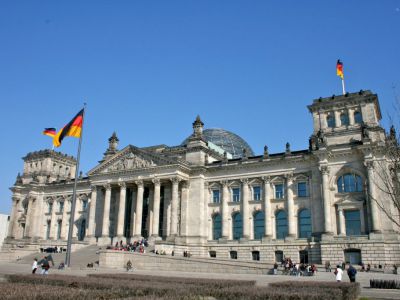
Reichstag is one of Berlin’s most enduring symbols. Its stone walls have borne witness to the tides of history, mirroring Germany’s tumultuous political evolution: from imperial unification, through dictatorship and division, to a modern democratic republic.
Once referring to the legislative body of the German Empire, today, the word “Reichstag” more commonly denotes the iconic building housing the country's parliament, Bundestag.
Following the unification of Germany in 1871, plans were laid to construct a grand hall for the newly formed state (“Second Reich”). Completed in 1894, the Neo-Baroque structure was intended to reflect the strength and unity of the empire. In 1916, amidst a world at war and against the wishes of Emperor Wilhelm II, the inscription-"To the German People"-was carved into the frieze above the entrance. Just two years later, with the empire dissolved, it was within these very walls that the German Republic was proclaimed.
In 1933, a fire engulfed the Reichstag-a blaze which the Nazi regime would exploit to issue the infamous decree, suspending civil liberties and consolidating authoritarian power. Thereafter, the building was no longer used for parliamentary functions during the Nazi era and instead served various other roles throughout the war.
The Second World War left the Reichstag in ruins. During the Cold War, the fractured remains of the building stood on the western side of a divided Berlin. Though no longer a seat of government, it occasionally hosted exhibitions, ceremonies, and even concerts during the 1980s.
Then, on the historic night of October 3rd, 1990, the Reichstag reclaimed its national significance. Within its restored chamber, the ceremony marking the official reunification of Germany was held-attended by Chancellor Helmut Kohl and numerous statesmen.
In the mid-1990s, the British architect Sir Norman Foster was commissioned to redesign the building. His intervention preserved historical scars-including Soviet graffiti etched in 1945-while introducing a strikingly modern glass dome. Completed in 1999, the dome serves as a powerful architectural metaphor for democratic transparency. Open to the public, it allows visitors to peer down into the debating chamber below, while its 360-degree panorama reveals the vast expanse of the capital. A sun-tracking shield ensures natural light floods the space without overwhelming glare.
Tip:
Plan your visit in advance, as security measures require booking and a valid ID for entry.
For those wishing to skip the queue, reserving a table at the Käfer DACHGARTEN restaurant provides expedited access.
Dress warmly-while the dome offers breathtaking views, its open windows invite Berlin’s brisk winds.
Once referring to the legislative body of the German Empire, today, the word “Reichstag” more commonly denotes the iconic building housing the country's parliament, Bundestag.
Following the unification of Germany in 1871, plans were laid to construct a grand hall for the newly formed state (“Second Reich”). Completed in 1894, the Neo-Baroque structure was intended to reflect the strength and unity of the empire. In 1916, amidst a world at war and against the wishes of Emperor Wilhelm II, the inscription-"To the German People"-was carved into the frieze above the entrance. Just two years later, with the empire dissolved, it was within these very walls that the German Republic was proclaimed.
In 1933, a fire engulfed the Reichstag-a blaze which the Nazi regime would exploit to issue the infamous decree, suspending civil liberties and consolidating authoritarian power. Thereafter, the building was no longer used for parliamentary functions during the Nazi era and instead served various other roles throughout the war.
The Second World War left the Reichstag in ruins. During the Cold War, the fractured remains of the building stood on the western side of a divided Berlin. Though no longer a seat of government, it occasionally hosted exhibitions, ceremonies, and even concerts during the 1980s.
Then, on the historic night of October 3rd, 1990, the Reichstag reclaimed its national significance. Within its restored chamber, the ceremony marking the official reunification of Germany was held-attended by Chancellor Helmut Kohl and numerous statesmen.
In the mid-1990s, the British architect Sir Norman Foster was commissioned to redesign the building. His intervention preserved historical scars-including Soviet graffiti etched in 1945-while introducing a strikingly modern glass dome. Completed in 1999, the dome serves as a powerful architectural metaphor for democratic transparency. Open to the public, it allows visitors to peer down into the debating chamber below, while its 360-degree panorama reveals the vast expanse of the capital. A sun-tracking shield ensures natural light floods the space without overwhelming glare.
Tip:
Plan your visit in advance, as security measures require booking and a valid ID for entry.
For those wishing to skip the queue, reserving a table at the Käfer DACHGARTEN restaurant provides expedited access.
Dress warmly-while the dome offers breathtaking views, its open windows invite Berlin’s brisk winds.
2) Pariser Platz (Paris Square)
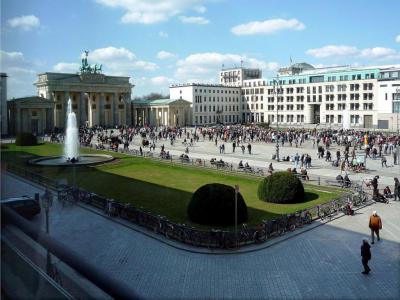
Once the outskirts of Berlin, today this grand square pulsates with life and is a vibrant hub at the core of Berlin. Situated immediately behind the Brandenburg Gate, Paris Square marks the western end of Unter den Linden, the capital's ceremonial axis, down which the victorious troops of all regimes, from the Imperial to those of the German Democratic Republic, have marched in triumph.
The square was laid out between 1732 and 1735 and was originally known as Quarrel or Direct Square. In March 1814, it was renamed after the French capital to commemorate the victorious alliance over Napoleon and the subsequent occupation of France by the Allied forces, including the Prussian army.
Before World War II, Paris Square was the grandest in Berlin, flanked by remarkable structures, including the American and French embassies, the finest in town Adlon Hotel, the Arts Academy, and several blocks of apartments and offices.
During the last years of World War II, the ravages of heavy artillery bombardment and air raids turned the surrounding buildings into rubble. The only structure that remained standing was the Brandenburg Gate. After the war and especially with the construction of the Berlin Wall, the square was laid waste and became part of the dead zone dividing the city.
Following Germany’s reunification in 1990, efforts were made to restore the square to its former grandeur. Embassies returned, the hotel and arts academy were rebuilt, and new buildings were designed to respect traditional heights and styles. The square is now framed by the Dresdner Bank building and the French Embassy on the north side, while the US Embassy, DZ Bank head office, and the Academy of Fine Arts line the south. The Hotel Adlon, restored to its former glory, stands to the east, symbolizing Berlin’s hospitality once again.
In addition to its historical significance, Paris Square is also a perfect spot for photographs of the Brandenburg Gate and a starting point for exploring the Unter den Linden Boulevard.
Tip:
Consider visiting early in the morning or late at night to enjoy the place in solitude. Alternatively, sneak into the DZ Bank to get a glimpse of some fascinating architecture or visit the Max-Liebermann-Haus, next to the gate, to view exhibitions with paintings from the 1920s.
The square was laid out between 1732 and 1735 and was originally known as Quarrel or Direct Square. In March 1814, it was renamed after the French capital to commemorate the victorious alliance over Napoleon and the subsequent occupation of France by the Allied forces, including the Prussian army.
Before World War II, Paris Square was the grandest in Berlin, flanked by remarkable structures, including the American and French embassies, the finest in town Adlon Hotel, the Arts Academy, and several blocks of apartments and offices.
During the last years of World War II, the ravages of heavy artillery bombardment and air raids turned the surrounding buildings into rubble. The only structure that remained standing was the Brandenburg Gate. After the war and especially with the construction of the Berlin Wall, the square was laid waste and became part of the dead zone dividing the city.
Following Germany’s reunification in 1990, efforts were made to restore the square to its former grandeur. Embassies returned, the hotel and arts academy were rebuilt, and new buildings were designed to respect traditional heights and styles. The square is now framed by the Dresdner Bank building and the French Embassy on the north side, while the US Embassy, DZ Bank head office, and the Academy of Fine Arts line the south. The Hotel Adlon, restored to its former glory, stands to the east, symbolizing Berlin’s hospitality once again.
In addition to its historical significance, Paris Square is also a perfect spot for photographs of the Brandenburg Gate and a starting point for exploring the Unter den Linden Boulevard.
Tip:
Consider visiting early in the morning or late at night to enjoy the place in solitude. Alternatively, sneak into the DZ Bank to get a glimpse of some fascinating architecture or visit the Max-Liebermann-Haus, next to the gate, to view exhibitions with paintings from the 1920s.
3) Brandenburger Tor (Brandenburg Gate) (must see)
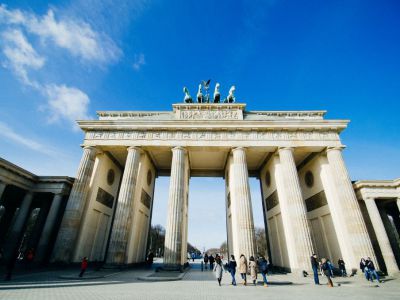
The Brandenburg Gate is the last standing part of the western side of the Customs Wall that surrounded Berlin in the 18th century. It marks a monumental entry to Unter den Linden, the famed boulevard lined with lime trees that once led to the palace of the Prussian monarchs.
This neoclassical landmark was built between 1788 and 1791 during the reign of King Frederick William II of Prussia. Inspired by Roman triumphal arches and the classical Greek gateway to the Acropolis of Athens, the gate has twelve fluted Doric columns flanked by two pavilions originally occupied by guards, as well as five passageways, and reliefs depicting the Labors of Hercules. Its crowning glory is the bronze Quadriga sculpture – the goddess of victory atop a four-horsed chariot, originally regarded as a symbol of peace.
Throughout its history, the gate has played a crucial role in Germany's political narrative. In 1806, during the French occupation, Napoleon ordered its dismantling and transportation to Paris. However, upon its return in 1814, after Napolean's defeat, the gate was declared a symbol of victory, and the goddess was adorned with the Prussian eagle and iron cross, symbolizing triumph. The structure has stood witness to many pivotal events in Berlin's history, from military parades to the rise of the Third Reich and Hitler's ascent to power, upon which it was used as a Nazi propaganda symbol.
The Brandenburg Gate also holds memories of the Fall of Berlin and the Russian flag's raising in May 1945. After World War II, it stood damaged but intact and became part of the Soviet occupation zone. During the Cold War era, the gate – blocked by the Berlin Wall from 1961 until the fall of the Berlin Wall in 1989 – remained in no-man's land between East and West Germany. Back then, it served as a defining symbol of Berlin's and Germany’s division and their eventual reunification.
Today, the Brandenburg Gate is a venue for commemorations and public events. Apart from being a photo-op, its historical importance is just as good a reason to visit.
Tip:
Consider visiting at night when the gate is beautifully illuminated and less crowded, allowing for contemplation of its storied past and symbolic value.
This neoclassical landmark was built between 1788 and 1791 during the reign of King Frederick William II of Prussia. Inspired by Roman triumphal arches and the classical Greek gateway to the Acropolis of Athens, the gate has twelve fluted Doric columns flanked by two pavilions originally occupied by guards, as well as five passageways, and reliefs depicting the Labors of Hercules. Its crowning glory is the bronze Quadriga sculpture – the goddess of victory atop a four-horsed chariot, originally regarded as a symbol of peace.
Throughout its history, the gate has played a crucial role in Germany's political narrative. In 1806, during the French occupation, Napoleon ordered its dismantling and transportation to Paris. However, upon its return in 1814, after Napolean's defeat, the gate was declared a symbol of victory, and the goddess was adorned with the Prussian eagle and iron cross, symbolizing triumph. The structure has stood witness to many pivotal events in Berlin's history, from military parades to the rise of the Third Reich and Hitler's ascent to power, upon which it was used as a Nazi propaganda symbol.
The Brandenburg Gate also holds memories of the Fall of Berlin and the Russian flag's raising in May 1945. After World War II, it stood damaged but intact and became part of the Soviet occupation zone. During the Cold War era, the gate – blocked by the Berlin Wall from 1961 until the fall of the Berlin Wall in 1989 – remained in no-man's land between East and West Germany. Back then, it served as a defining symbol of Berlin's and Germany’s division and their eventual reunification.
Today, the Brandenburg Gate is a venue for commemorations and public events. Apart from being a photo-op, its historical importance is just as good a reason to visit.
Tip:
Consider visiting at night when the gate is beautifully illuminated and less crowded, allowing for contemplation of its storied past and symbolic value.
4) Holocaust Denkmal (Holocaust Memorial) (must see)
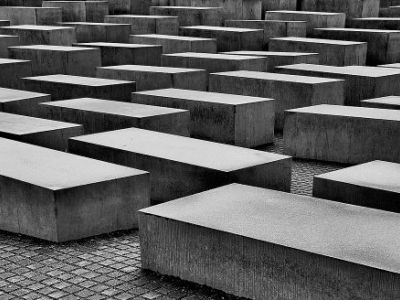
Officially named The Memorial to the Murdered Jews of Europe, this solemn expanse of concrete, situated near Berlin’s Brandenburg Gate, stands as a stark and enduring tribute to the millions of Jewish lives extinguished under the Nazi regime between the years 1933 and 1945.
Unveiled in 2005, the memorial was conceived by American architect Peter Eisenman. It spans nearly 19,000 square meters and consists of more than 2,700 concrete stelae-each of varying height and dimension-arranged in a strict grid across a subtly sloping field. The result is a landscape that is simultaneously orderly and disorienting.
Though the design is intentionally abstract and, according to its creator, devoid of explicit symbolism, its resemblance to a graveyard is unmistakable. Some interpret the sea of grey pillars as evoking unmarked graves or the cold efficiency of a bureaucratic system that facilitated mass murder. Others see in its rigid structure a metaphor for a state that lost its humanity behind walls of administration and ideology.
As one moves deeper into the memorial, the concrete blocks grow taller, eclipsing the cityscape and swallowing sound. The sensation is deliberate. It conveys isolation, loss of identity, and the disorienting fear that accompanied the systematic persecution of Jews under the Third Reich. The path dips downward, suggesting the slow descent into darkness that defined those years.
The unfinished quality of some surfaces serves as a quiet reminder: remembrance is not complete, and history’s wounds do not fully heal. The fragmentation of space may reflect the fragmented memories of survivors-and of those lost, whose stories were never told.
This memorial does not offer resolution or unity. It does not attempt to console. Instead, it confronts. It calls forth reflection-on individual memory, on collective guilt, and on the enduring responsibility to remember, in a world where forgetting is all too easy...
Unveiled in 2005, the memorial was conceived by American architect Peter Eisenman. It spans nearly 19,000 square meters and consists of more than 2,700 concrete stelae-each of varying height and dimension-arranged in a strict grid across a subtly sloping field. The result is a landscape that is simultaneously orderly and disorienting.
Though the design is intentionally abstract and, according to its creator, devoid of explicit symbolism, its resemblance to a graveyard is unmistakable. Some interpret the sea of grey pillars as evoking unmarked graves or the cold efficiency of a bureaucratic system that facilitated mass murder. Others see in its rigid structure a metaphor for a state that lost its humanity behind walls of administration and ideology.
As one moves deeper into the memorial, the concrete blocks grow taller, eclipsing the cityscape and swallowing sound. The sensation is deliberate. It conveys isolation, loss of identity, and the disorienting fear that accompanied the systematic persecution of Jews under the Third Reich. The path dips downward, suggesting the slow descent into darkness that defined those years.
The unfinished quality of some surfaces serves as a quiet reminder: remembrance is not complete, and history’s wounds do not fully heal. The fragmentation of space may reflect the fragmented memories of survivors-and of those lost, whose stories were never told.
This memorial does not offer resolution or unity. It does not attempt to console. Instead, it confronts. It calls forth reflection-on individual memory, on collective guilt, and on the enduring responsibility to remember, in a world where forgetting is all too easy...
5) Checkpoint Charlie (must see)
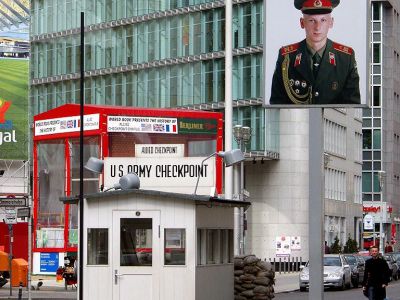
Immortalized by American movies and spy novels, Checkpoint Charlie is one of the most famous and historically significant spots in Berlin. A symbol of the Cold War, originally it was one of the three designated crossing points – A (Alpha), B (Bravo), and C (Charlie) – for foreigners and members of the Allied forces, established after the construction of the Berlin Wall. Here the documents of visitors and diplomats were checked by East Germans prior to issuing visas.
Checkpoint Charlie became a sole crossing point in 1962. A year earlier, it made history as the venue of a famous stand-off between US and Soviet tanks facing each other across the border, when an American diplomat was refused a visa. The stand-off nearly led to a war but fortunately ended peacefully.
Today, a replica of the original Checkpoint Charlie booth with a "You are now leaving the American Sector" sign serves largely as a photo opportunity in the middle of the street that once marked the border between East and West Berlin. Nearby is the Wall Museum-House dedicated to freedom, featuring, among other exhibits, a piece of the Berlin Wall and historical information relating to the many escape attempts made over the Wall throughout decades. There are also a number of panels and photos that give a useful summary and timeline. Not far away is the Topography of Terror exhibition which also deserves attention.
Lately, to keep the site from turning into a commercial circus, the German authorities have put the kibosh on actors donning military uniforms and cashing in on clueless tourists. Undoubtedly an interesting location, albeit the guard house and other elements are only replicas, Checkpoint Charlie is about an appreciation of how things once were in this great city.
Why You Should Visit:
Bit of a tourist trap, but a good part of the city's history. The surrounding area is also steeped in history and you can walk around the streets to see the Berlin Wall and try the great local cafes.
Tip:
Get here early to avoid crowds, as taking a photo can be quite tricky due to the hustle and bustle of traffic, etc.
Checkpoint Charlie became a sole crossing point in 1962. A year earlier, it made history as the venue of a famous stand-off between US and Soviet tanks facing each other across the border, when an American diplomat was refused a visa. The stand-off nearly led to a war but fortunately ended peacefully.
Today, a replica of the original Checkpoint Charlie booth with a "You are now leaving the American Sector" sign serves largely as a photo opportunity in the middle of the street that once marked the border between East and West Berlin. Nearby is the Wall Museum-House dedicated to freedom, featuring, among other exhibits, a piece of the Berlin Wall and historical information relating to the many escape attempts made over the Wall throughout decades. There are also a number of panels and photos that give a useful summary and timeline. Not far away is the Topography of Terror exhibition which also deserves attention.
Lately, to keep the site from turning into a commercial circus, the German authorities have put the kibosh on actors donning military uniforms and cashing in on clueless tourists. Undoubtedly an interesting location, albeit the guard house and other elements are only replicas, Checkpoint Charlie is about an appreciation of how things once were in this great city.
Why You Should Visit:
Bit of a tourist trap, but a good part of the city's history. The surrounding area is also steeped in history and you can walk around the streets to see the Berlin Wall and try the great local cafes.
Tip:
Get here early to avoid crowds, as taking a photo can be quite tricky due to the hustle and bustle of traffic, etc.
6) Mall of Berlin
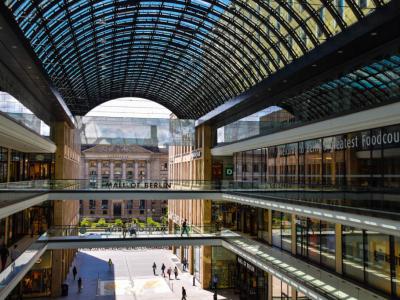
Situated in Leipzig Square, not far from Potsdam Square, the Mall of Berlin is a relatively new addition to the city, having been completed in 2014. It sits on the grounds of the once-famous Wertheim department store, which was the city's symbol of luxury shopping during its prime. The mall now stands as an elegant shopping paradise extraordinaire, preserving Berlin's rich shopping heritage while offering a sophisticated atmosphere with a well-rounded mix of retail, dining, residential, hotel, and office spaces.
The venue's architectural highlight is the plaza in the center under a vast curved glass roof, from which one can enjoy a terrific view of the House of Lords of Prussia, currently serving as the seat of the German Federal Council.
With a staggering 270 retail stores spread across four floors, an extensive food court, and a matching ample underground car parking, this is the largest shopping center in the German capital. The stores offer extended operating hours and specialize in fashion, electronics, home goods, souvenirs, and toys. Additionally, a variety of coffee shops, restaurants, and fast-food outlets make it a convenient one-stop destination for a wide range of needs.
Tip:
At the southern end of Leipzig Square, you'll find the Dalí Museum, which houses hundreds of works by the renowned Surrealist artist Salvador Dalí. Just a few doors down is the German Spy Museum, a multimedia museum that explores the history of secret services worldwide, with a particular focus on espionage during the Cold War era in Berlin.
The venue's architectural highlight is the plaza in the center under a vast curved glass roof, from which one can enjoy a terrific view of the House of Lords of Prussia, currently serving as the seat of the German Federal Council.
With a staggering 270 retail stores spread across four floors, an extensive food court, and a matching ample underground car parking, this is the largest shopping center in the German capital. The stores offer extended operating hours and specialize in fashion, electronics, home goods, souvenirs, and toys. Additionally, a variety of coffee shops, restaurants, and fast-food outlets make it a convenient one-stop destination for a wide range of needs.
Tip:
At the southern end of Leipzig Square, you'll find the Dalí Museum, which houses hundreds of works by the renowned Surrealist artist Salvador Dalí. Just a few doors down is the German Spy Museum, a multimedia museum that explores the history of secret services worldwide, with a particular focus on espionage during the Cold War era in Berlin.
7) Panoramapunkt (Panoramic Viewing Point)
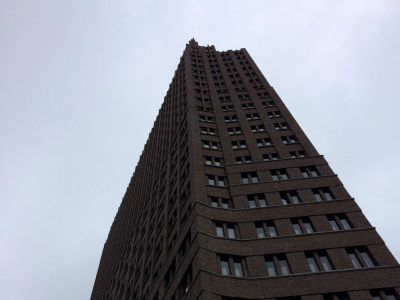
The Panoramapunkt observation deck sits 300 feet (100 metres) above Potsdam Square, perched atop one of its tallest towers, which is named Kolhoff after one of the architects responsible for designing the modern Potsdam district following Germany's reunification. Constructed between 1994 and 1999, the tower is made of red peat-fired bricks, creating a striking contrast with the predominantly glass and steel facades of the surrounding buildings.
Situated on the 24th and 25th floors of the tower, Panoramapunkt not only features the world's highest-standing original segment of the Berlin Wall but also hosts a captivating multimedia exhibition that delves into the dramatic history of Berlin's former city center. Additionally, there's a café and a sun terrace facing west, making this open-air viewing platform one of the city's most romantic spots.
To reach the observation deck, you'll hop aboard the fastest elevator in Europe, which zooms to the summit in just 20 seconds. If you want to skip the elevator queues, consider purchasing a VIP ticket.
Situated on the 24th and 25th floors of the tower, Panoramapunkt not only features the world's highest-standing original segment of the Berlin Wall but also hosts a captivating multimedia exhibition that delves into the dramatic history of Berlin's former city center. Additionally, there's a café and a sun terrace facing west, making this open-air viewing platform one of the city's most romantic spots.
To reach the observation deck, you'll hop aboard the fastest elevator in Europe, which zooms to the summit in just 20 seconds. If you want to skip the elevator queues, consider purchasing a VIP ticket.

8) Zoo Berlin
Zoo Berlin ranks among the top attractions in the city, drawing a diverse range of animals. Situated within the Tiergarten and sprawling across 34 hectares (84 acres), this zoo has a rich history dating back to 1844, making it Germany's oldest zoo. Visitors can access it from Hardenbergplatz through the iconic Lion's Gate or from Budapester Strasse via the ornate Elephant Gate.
The zoo boasts a variety of highlights, including the monkey house, which is home to a gorilla family, and a dimly lit pavilion showcasing nocturnal animals. You can observe hippos underwater through a glass wall in their pool. Since 2017, the zoo has been the residence of a pair of giant pandas. Moreover, the aquarium, one of the largest in Europe, houses sharks, piranhas, and exotic creatures from coral reefs. To top it off, there's a vast terrarium resembling an overgrown jungle, providing a habitat for a group of crocodiles.
The zoo boasts a variety of highlights, including the monkey house, which is home to a gorilla family, and a dimly lit pavilion showcasing nocturnal animals. You can observe hippos underwater through a glass wall in their pool. Since 2017, the zoo has been the residence of a pair of giant pandas. Moreover, the aquarium, one of the largest in Europe, houses sharks, piranhas, and exotic creatures from coral reefs. To top it off, there's a vast terrarium resembling an overgrown jungle, providing a habitat for a group of crocodiles.
9) Victory Column and Great Star Roundabout
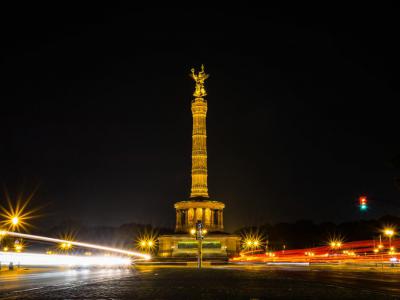
Originally located in front of the Reichstag building until it was relocated to the Tiergarten during the Nazi era, the Victory Column was initially designed in the 1860s to commemorate Prussia's success in the Prusso-Danish war of 1864. However, by the time of its inauguration in September 1873, Prussia had achieved additional victories over both Austria and France, prompting the column's new purpose. To celebrate these later triumphs in the "unification wars", the column was adorned with the addition of a massive bronze sculpture of Victoria, standing at a towering height of 8.3 meters (27 feet) and weighing an impressive 35 tonnes. Locals affectionately refer to this iconic landmark as "Goldelse", which roughly translates to "Golden Lizzy".
Frequently part of the route for marches and parades, the column – a Berlin landmark – is also accessible to pedestrians through four convenient underpasses, which are particularly useful due to the heavy traffic in the area. For a fee, those in good physical condition can climb a steep spiral staircase comprising 281 steps, almost reaching the top of the column, to enjoy magnificent views overlooking the Tiergarten and the radial roads emanating from the Great Star roundabout.
This impressive roundabout, located at the heart of the sprawling Tiergarten park, derives its name from the five major roads that fan out from its center. While the Victory Column stands prominently in the middle, the adjacent square is surrounded by monuments that were moved here from the nearby Reichstag building in the late 1930s. In the square's northern part, you'll encounter a grand bronze monument dedicated to Otto von Bismarck (1815–98), the first German Chancellor, encircled by allegorical figures. Other statues in the vicinity pay homage to national heroes, including Field Marshal Helmuth von Moltke (1800–91), who served as the chief of the Prussian general staff from 1858 to 1888 and played a pivotal role in the Franco-German War.
On a beautiful day, you can easily lose track of time exploring the area or simply relaxing on blankets for a delightful picnic.
Frequently part of the route for marches and parades, the column – a Berlin landmark – is also accessible to pedestrians through four convenient underpasses, which are particularly useful due to the heavy traffic in the area. For a fee, those in good physical condition can climb a steep spiral staircase comprising 281 steps, almost reaching the top of the column, to enjoy magnificent views overlooking the Tiergarten and the radial roads emanating from the Great Star roundabout.
This impressive roundabout, located at the heart of the sprawling Tiergarten park, derives its name from the five major roads that fan out from its center. While the Victory Column stands prominently in the middle, the adjacent square is surrounded by monuments that were moved here from the nearby Reichstag building in the late 1930s. In the square's northern part, you'll encounter a grand bronze monument dedicated to Otto von Bismarck (1815–98), the first German Chancellor, encircled by allegorical figures. Other statues in the vicinity pay homage to national heroes, including Field Marshal Helmuth von Moltke (1800–91), who served as the chief of the Prussian general staff from 1858 to 1888 and played a pivotal role in the Franco-German War.
On a beautiful day, you can easily lose track of time exploring the area or simply relaxing on blankets for a delightful picnic.
10) Gedenkstatte Berliner Mauer (Berlin Wall Memorial) (must see)
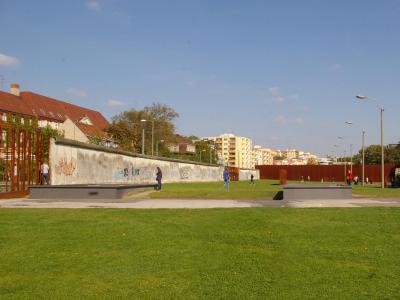
Located a bit away from the tourist hubbub, allowing you to avoid the crowds at Checkpoint Charlie, the Berlin Wall Memorial offers a more scholarly perspective on Germany's division. More precisely, it focuses on a section of the former border strip, with an outdoor exhibition tracing the history of Bernauer Strasse and the Wall. This outdoor exhibit extends for 1.4 kilometers, reaching up to the Mauerpark, and includes remnants of border obstacles that preserve the appearance of the Wall as it stood in the past.
Across from the memorial, the museum expanded in 2014 and now houses a permanent exhibition titled "1961–1989: the Berlin Wall", which delves into the lives of those who tried to escape the dictatorship (notably, some of the most successful escape tunnels were dug nearby) and the resistance efforts, often deadly, organized by those living in the vicinity. Additionally, there is a separate exhibition within the adjacent Nordbahnhof station, detailing the division of the U-Bahn and S-Bahn lines (open during station hours). On weekdays at noon, the chapel hosts prayer services in memory of the Berlin Wall's victims.
Across from the memorial, the museum expanded in 2014 and now houses a permanent exhibition titled "1961–1989: the Berlin Wall", which delves into the lives of those who tried to escape the dictatorship (notably, some of the most successful escape tunnels were dug nearby) and the resistance efforts, often deadly, organized by those living in the vicinity. Additionally, there is a separate exhibition within the adjacent Nordbahnhof station, detailing the division of the U-Bahn and S-Bahn lines (open during station hours). On weekdays at noon, the chapel hosts prayer services in memory of the Berlin Wall's victims.
11) Berliner Dom (Berlin Cathedral) (must see)
Despite what its lofty name suggests, the Berlin Cathedral is... not a cathedral. Yep, never was. Because Berlin never had a Catholic bishop in the house.
Now, rewind to 1451, when Prince-Elector Frederick II-nicknamed "Iron-tooth" because, well, medieval PR was wild-built a castle chapel right here. It started out Catholic, then switched to Lutheran in 1539, and just to keep things spicy, went Calvinist by 1608.
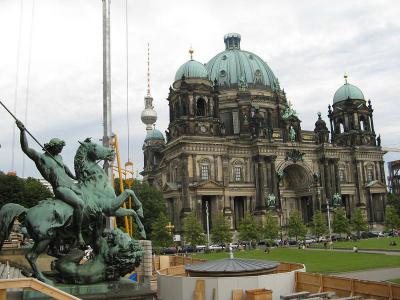
The version we see today is a Neo-Renaissance stunner, built between 1894 and 1905 by order of Emperor Wilhelm II, who basically wanted his very own Protestant answer to the Vatican’s Saint Peter’s Basilica. And what a power move it was: 114 meters long, 73 wide, and 116 tall-this place made everything else in Berlin look like dollhouse furniture.
And it wasn’t just for show, either. The Hohenzollerns-Germany’s royal family-worshipped here and even used the crypt as their final resting place. That lasted until 1918, when Wilhelm II peaced out to the Netherlands after abdicating the throne.
Then came World War II, and let’s just say the cathedral did not come out looking its best. East Germany did some repairs-thanks, GDR-but also tore down the Memorial Church in 1975, which wasn’t their finest hour.
Fast forward to 1993, and voilà: the place got a full glow-up. It now has the majestic pipe organ, pristine acoustics, priceless art, and vibes so divine they practically echo. Today, it’s home to choirs galore, including the English Choir Berlin, which hosts monthly Choral Evensong in true Anglican style.
If you're feeling brave, you can climb the dome! There’s a roomy stairwell, plenty of landings to catch your breath-and yes, actual chairs if you need a moment. At the bottom, history buffs rejoice: the crypt holds 94 royal sarcophagi. It's like Prussian Netflix, but... quieter.
Tip:
Snag the audio guide-it’s a small fee for a big info boost. Or grab a printed guide if you're old school. And in the summer, feel free to stretch out on the lawn across the street, near the fountain. It's the perfect picnic spot, and the cathedral makes a dramatic lunch backdrop.
Now, rewind to 1451, when Prince-Elector Frederick II-nicknamed "Iron-tooth" because, well, medieval PR was wild-built a castle chapel right here. It started out Catholic, then switched to Lutheran in 1539, and just to keep things spicy, went Calvinist by 1608.
The version we see today is a Neo-Renaissance stunner, built between 1894 and 1905 by order of Emperor Wilhelm II, who basically wanted his very own Protestant answer to the Vatican’s Saint Peter’s Basilica. And what a power move it was: 114 meters long, 73 wide, and 116 tall-this place made everything else in Berlin look like dollhouse furniture.
And it wasn’t just for show, either. The Hohenzollerns-Germany’s royal family-worshipped here and even used the crypt as their final resting place. That lasted until 1918, when Wilhelm II peaced out to the Netherlands after abdicating the throne.
Then came World War II, and let’s just say the cathedral did not come out looking its best. East Germany did some repairs-thanks, GDR-but also tore down the Memorial Church in 1975, which wasn’t their finest hour.
Fast forward to 1993, and voilà: the place got a full glow-up. It now has the majestic pipe organ, pristine acoustics, priceless art, and vibes so divine they practically echo. Today, it’s home to choirs galore, including the English Choir Berlin, which hosts monthly Choral Evensong in true Anglican style.
If you're feeling brave, you can climb the dome! There’s a roomy stairwell, plenty of landings to catch your breath-and yes, actual chairs if you need a moment. At the bottom, history buffs rejoice: the crypt holds 94 royal sarcophagi. It's like Prussian Netflix, but... quieter.
Tip:
Snag the audio guide-it’s a small fee for a big info boost. Or grab a printed guide if you're old school. And in the summer, feel free to stretch out on the lawn across the street, near the fountain. It's the perfect picnic spot, and the cathedral makes a dramatic lunch backdrop.
12) Fernsehturm (TV Tower) (must see)
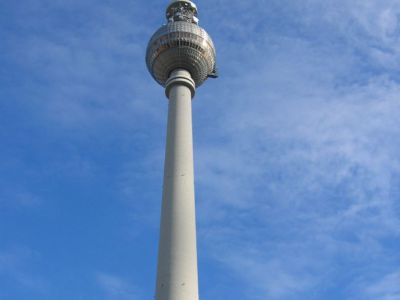
The Berlin Television Tower was built by East Germany in the late 1960s. Inaugurated on October 3, 1969, it is the tallest structure in Germany and the third-tallest in the European Union.
Designated as a monument in 1979, the tower attracts around 1.2 million visitors annually and is one of Germany’s top tourist attractions. It has an observation deck at 203 meters and the rotating restaurant “Sphere” at 207 meters, offering panoramic views of the city, extending up to 40 kilometers (or 25 miles) on a clear day.
The tower’s height increased from 365 to 368 meters in 1997 after a new antenna was added, making it the fourth tallest free-standing structure in Europe, surpassed only by Moscow's Ostankino Tower and TV towers in Kiev and Riga. If you have a mild fear of heights, fear not-the elevator whisks you to the top in a mere 40 seconds. You can also opt for a more adventurous ascent via 985 steps.
Inside, enjoy the authentic Sputnik-era ambiance complete with period-appropriate decor and finishes. If you have specific dietary preferences, particularly as a vegetarian, it's advisable to peruse the restaurant menu on their website before making a reservation. The dining experience itself is quite lovely otherwise, comprising a starter, main course, and dessert, plus a glass of sparkling wine and two glasses of red or white wine, along with unlimited water. Moreover, the restaurant rotates slowly, affording you a comprehensive view of Berlin, making it an ideal setting for photography. A full rotation takes about half an hour, offering ample opportunity to capture the city from a bird's-eye perspective while sipping a coffee.
Presently dubbed "the toothpick" by locals, the tower previously earned the nickname “Pope’s Revenge” because sunlight reflecting off its dome forms a Greek cross, which some saw as a rebuke to East Germany’s anti-religious stance, and was mentioned by the former US president Ronald Reagan in his 1987 “Tear down this wall” speech. For the same reasons, it was also jokingly called "Saint Walter" after Walter Ulbricht, leader of the Socialist Unity Party which governed East Germany.
Originally a symbol of Communist power, the TV tower is now a unified Berlin landmark and a cultural and tourist icon, hosting events like the Festival of Lights.
Designated as a monument in 1979, the tower attracts around 1.2 million visitors annually and is one of Germany’s top tourist attractions. It has an observation deck at 203 meters and the rotating restaurant “Sphere” at 207 meters, offering panoramic views of the city, extending up to 40 kilometers (or 25 miles) on a clear day.
The tower’s height increased from 365 to 368 meters in 1997 after a new antenna was added, making it the fourth tallest free-standing structure in Europe, surpassed only by Moscow's Ostankino Tower and TV towers in Kiev and Riga. If you have a mild fear of heights, fear not-the elevator whisks you to the top in a mere 40 seconds. You can also opt for a more adventurous ascent via 985 steps.
Inside, enjoy the authentic Sputnik-era ambiance complete with period-appropriate decor and finishes. If you have specific dietary preferences, particularly as a vegetarian, it's advisable to peruse the restaurant menu on their website before making a reservation. The dining experience itself is quite lovely otherwise, comprising a starter, main course, and dessert, plus a glass of sparkling wine and two glasses of red or white wine, along with unlimited water. Moreover, the restaurant rotates slowly, affording you a comprehensive view of Berlin, making it an ideal setting for photography. A full rotation takes about half an hour, offering ample opportunity to capture the city from a bird's-eye perspective while sipping a coffee.
Presently dubbed "the toothpick" by locals, the tower previously earned the nickname “Pope’s Revenge” because sunlight reflecting off its dome forms a Greek cross, which some saw as a rebuke to East Germany’s anti-religious stance, and was mentioned by the former US president Ronald Reagan in his 1987 “Tear down this wall” speech. For the same reasons, it was also jokingly called "Saint Walter" after Walter Ulbricht, leader of the Socialist Unity Party which governed East Germany.
Originally a symbol of Communist power, the TV tower is now a unified Berlin landmark and a cultural and tourist icon, hosting events like the Festival of Lights.
13) Alexanderplatz and World Clock
Often referred to as 'Alex' by Berliners, the epicenter of the old East is inevitable to run across while exploring the city. Originally a cattle market in the Middle Ages, the square was named in honor of a visit by the Russian Emperor Alexander I in 1805. It evolved into a significant commercial hub in the 19th century and, alongside Potsdam Square, became the heart of Berlin's nightlife in the roaring 1920s.
Today, Alexanderplatz has a distinct atmosphere reminiscent of the 1960s and the heyday of East Germany (GDR), offering a unique opportunity to glimpse what high-rise flats looked like before the fall of the Berlin Wall. Notably, the largest demonstration against the GDR regime took place here in the autumn of 1989, with half a million citizens demanding freedom of speech and press freedom.
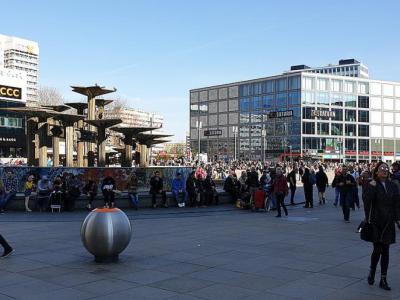
The large area around the iconic TV Tower is often teeming with tourists but also serves as a venue for interesting events; for instance, during the Christmas season, a significant portion is transformed into a Christmas village. The bustling train station is surrounded by shops, bars, and restaurants, providing plenty of options for visitors.
Don't miss the Fountain of Friendship between Peoples and the Neptune Fountain located past the TV tower; both offer great opportunities for photos. Another intriguing sight is the Weltzeituhr, a massive 16-ton clock built in 1969 that displays the times in 148 cities worldwide. This attraction perfectly complements Alexanderplatz's role as a central meeting point: no need for discussing the correct time when a friend arrives late.
Tip:
Before your visit, it's worthwhile to view pictures of how the square appeared in the early 20th century and during the Cold War era.
Today, Alexanderplatz has a distinct atmosphere reminiscent of the 1960s and the heyday of East Germany (GDR), offering a unique opportunity to glimpse what high-rise flats looked like before the fall of the Berlin Wall. Notably, the largest demonstration against the GDR regime took place here in the autumn of 1989, with half a million citizens demanding freedom of speech and press freedom.
The large area around the iconic TV Tower is often teeming with tourists but also serves as a venue for interesting events; for instance, during the Christmas season, a significant portion is transformed into a Christmas village. The bustling train station is surrounded by shops, bars, and restaurants, providing plenty of options for visitors.
Don't miss the Fountain of Friendship between Peoples and the Neptune Fountain located past the TV tower; both offer great opportunities for photos. Another intriguing sight is the Weltzeituhr, a massive 16-ton clock built in 1969 that displays the times in 148 cities worldwide. This attraction perfectly complements Alexanderplatz's role as a central meeting point: no need for discussing the correct time when a friend arrives late.
Tip:
Before your visit, it's worthwhile to view pictures of how the square appeared in the early 20th century and during the Cold War era.
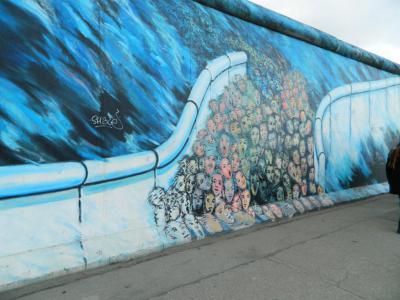
14) East Side Gallery (must see)
In just three months, this one-kilometer (approximately half-mile) expanse of concrete transformed from a heavily guarded border to an open-air art gallery. The momentous breach of the Berlin Wall by East Berliners on November 9, 1989, paved the way for a remarkable change. Between February and June of 1990, 118 artists from various corners of the world converged here to craft distinctive works of art along its longest remaining section.
Among the most iconic pieces is the creation by Russian artist Dmitri Vrubel, portraying the embrace of Brezhnev and Honecker, the former leader of East Germany, accompanied by the poignant caption, "My God. Help me survive this deadly love."
This extraordinary stretch of art lines the banks of the Spree Canal, spanning from the Warschauer Strasse S- and U-bahn station to Ostbahnhof. Adding to its charm, the scene is graced by the redbrick Oberbaumbrücke, a bridge dating back to 1896, located at Warschauer Street.
Among the most iconic pieces is the creation by Russian artist Dmitri Vrubel, portraying the embrace of Brezhnev and Honecker, the former leader of East Germany, accompanied by the poignant caption, "My God. Help me survive this deadly love."
This extraordinary stretch of art lines the banks of the Spree Canal, spanning from the Warschauer Strasse S- and U-bahn station to Ostbahnhof. Adding to its charm, the scene is graced by the redbrick Oberbaumbrücke, a bridge dating back to 1896, located at Warschauer Street.
