Custom Walk in Montreal, Canada by sonya_zeitlerfletcher_a948d created on 2025-10-26
Guide Location: Canada » Montreal
Guide Type: Custom Walk
# of Sights: 12
Tour Duration: 6 Hour(s)
Travel Distance: 14.9 Km or 9.3 Miles
Share Key: 5QVWQ
Guide Type: Custom Walk
# of Sights: 12
Tour Duration: 6 Hour(s)
Travel Distance: 14.9 Km or 9.3 Miles
Share Key: 5QVWQ
How It Works
Please retrieve this walk in the GPSmyCity app. Once done, the app will guide you from one tour stop to the next as if you had a personal tour guide. If you created the walk on this website or come to the page via a link, please follow the instructions below to retrieve the walk in the app.
Retrieve This Walk in App
Step 1. Download the app "GPSmyCity: Walks in 1K+ Cities" on Apple App Store or Google Play Store.



Step 2. In the GPSmyCity app, download(or launch) the guide "Montreal Map and Walking Tours".
Step 3. Tap the menu button located at upper right corner of the "Walks" screen and select "Retrieve custom walk". Enter the share key: 5QVWQ
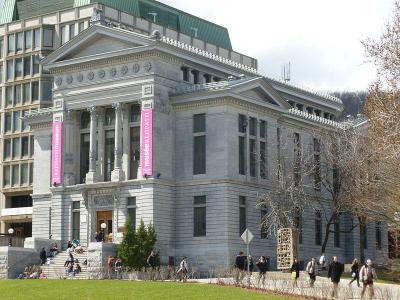
1) Redpath Museum of Natural History
Redpath Museum came into existence in 1882 and is one of the oldest buildings in the country constructed for the very purpose it serves today. Located on the McGill campus, it's one of the few museums in the city open on Mondays, showcasing an extensive collection of Sir William Dawson – the well-known natural scientist and former principal of McGill.
Redpath has always been appreciated for its unique design, along the lines of the Greek Revival style which was popular in the 1800s. At this gorgeous museum, you can find a whopping three million object collection in different genres such as ethnology, zoology, geology, paleontology, and mineralogy.
The permanent exhibition features one shrunken head, 16,000 specimens of minerals, 3 Egyptian mummies, 2300 Roman and Greek coins and 150,000 fossils that include bones of dinosaurs.
A science myth is busted by McGill scientist every Friday called Freaky Fridays. Those who are interested attend free, informative lectures at the Redpath Auditorium. Visit on a Sunday when science documentaries are screened at 4pm, or if you are interested in attending lecture series given by prominent McGill and other scientists, be there on Thursdays at 6pm.
Between September and April, Redpath holds interesting and exciting family events such as Discovery Workshops. Kids of any age enjoy participating in hands-on activities that are related to science. If you are in Montreal on a Sunday, do take part in the mummy tour. This guided tour is offered to the public free of cost. Beginning at 3pm, the tour takes you through mummy and Egyptian exhibits.
Why You Should Visit:
If you are interested in minerals/rocks you'll be in heaven, but there are plenty of other things to appreciate and learn. How can you go wrong with mummies, shrunken heads and fossils of everything?
Tip:
You can visit the museum for free but a donation is welcomed.
Redpath has always been appreciated for its unique design, along the lines of the Greek Revival style which was popular in the 1800s. At this gorgeous museum, you can find a whopping three million object collection in different genres such as ethnology, zoology, geology, paleontology, and mineralogy.
The permanent exhibition features one shrunken head, 16,000 specimens of minerals, 3 Egyptian mummies, 2300 Roman and Greek coins and 150,000 fossils that include bones of dinosaurs.
A science myth is busted by McGill scientist every Friday called Freaky Fridays. Those who are interested attend free, informative lectures at the Redpath Auditorium. Visit on a Sunday when science documentaries are screened at 4pm, or if you are interested in attending lecture series given by prominent McGill and other scientists, be there on Thursdays at 6pm.
Between September and April, Redpath holds interesting and exciting family events such as Discovery Workshops. Kids of any age enjoy participating in hands-on activities that are related to science. If you are in Montreal on a Sunday, do take part in the mummy tour. This guided tour is offered to the public free of cost. Beginning at 3pm, the tour takes you through mummy and Egyptian exhibits.
Why You Should Visit:
If you are interested in minerals/rocks you'll be in heaven, but there are plenty of other things to appreciate and learn. How can you go wrong with mummies, shrunken heads and fossils of everything?
Tip:
You can visit the museum for free but a donation is welcomed.
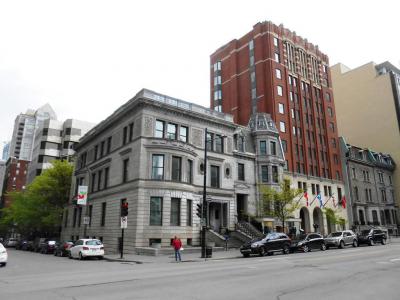
2) Maison Alcan
Montreal is a very interesting city with many beautiful and unique tourist attractions. One of the buildings tourists do not miss visiting is the Maison Alcan. This building is popular for its atrium and was constructed in 1983.
Maison Alcan houses the Aluminum Company of Canada. Here you will find a hotel, three historic row houses, the elegant and stunningly beautiful glass atrium connected to the aluminum-clad office structure.
Maison Alcan is extremely popular for its amazing architectural design. Here you will find an aquarium as well as a museum. Spend a leisurely couple of hours and learn in detail about all the structures and houses at Maison Alcan as each one of them has a unique background story.
People in Montreal are fiercely passionate about their old buildings and take great efforts to rehabilitate and maintain them on a constant basis. Many of the old buildings in the city were rehabilitated by the Maison Alcan also known as the Alcan House.
The atrium is built exquisitely in contemporary style and aids with effective communication between the Victorian houses and the historical hotel. Do not miss the hugely impressive main entrance that was rehabilitated to its present version.
Maison Alcan houses the Aluminum Company of Canada. Here you will find a hotel, three historic row houses, the elegant and stunningly beautiful glass atrium connected to the aluminum-clad office structure.
Maison Alcan is extremely popular for its amazing architectural design. Here you will find an aquarium as well as a museum. Spend a leisurely couple of hours and learn in detail about all the structures and houses at Maison Alcan as each one of them has a unique background story.
People in Montreal are fiercely passionate about their old buildings and take great efforts to rehabilitate and maintain them on a constant basis. Many of the old buildings in the city were rehabilitated by the Maison Alcan also known as the Alcan House.
The atrium is built exquisitely in contemporary style and aids with effective communication between the Victorian houses and the historical hotel. Do not miss the hugely impressive main entrance that was rehabilitated to its present version.
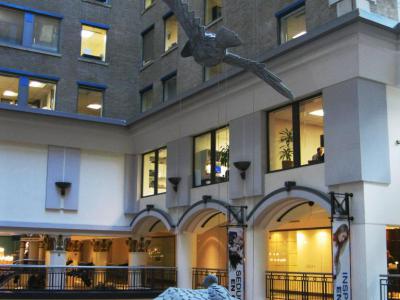
3) Les Cours Mont-Royal (LCMR)
Linked to the city's huge net of underground malls, Les Cours Mont-Royal is a rather small – but elegant – upscale shopping center housed in a former hotel – once the largest in the British Empire, having featured 1,100 rooms! The architecture inside truly is gorgeous, with original ceiling mosaics and a dazzling giant chandelier adding elegance to the main hall.
While boutiques are for the most part classy and high-end (e.g. DKNY, Harry Rosen, or Ethan Allen), you can also find some unique places that sell reasonably priced items, so don't be discouraged or intimidated. Come here to find trendy shoes/kicks, a suit, a classy outfit, luxury street ware, coffee, healthy snacks or lunch, and more.
Albeit small, the food court is quite nice, and there's also a spa and a hair salon if you're in need of a beauty break.
Tip:
Stop by the Barbie Expo – a unique large display of over 1,000 dolls spanning different eras, wearing outfits from major designers including Dior and Givenchy.
While boutiques are for the most part classy and high-end (e.g. DKNY, Harry Rosen, or Ethan Allen), you can also find some unique places that sell reasonably priced items, so don't be discouraged or intimidated. Come here to find trendy shoes/kicks, a suit, a classy outfit, luxury street ware, coffee, healthy snacks or lunch, and more.
Albeit small, the food court is quite nice, and there's also a spa and a hair salon if you're in need of a beauty break.
Tip:
Stop by the Barbie Expo – a unique large display of over 1,000 dolls spanning different eras, wearing outfits from major designers including Dior and Givenchy.
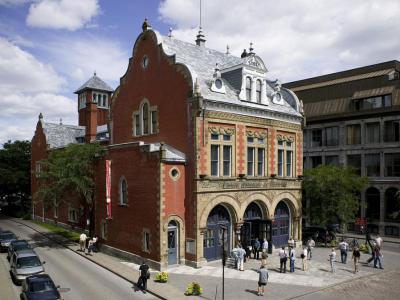
4) Caserne Centrale de Pompiers (Central Fire Station)
Standing prominently on Place d’Youville, the former Central Fire Station in Montreal is a distinctive landmark that blends architectural charm with deep historical roots. Built between 1903 and 1904 by architects Joseph Perrault and Simon Lesage, the building was originally designed as the headquarters for the Montreal Fire Department. Its Flemish-inspired architecture-uncommon in the city at the time-features buff sandstone, red brick, a mansard roof with a skylight, and a striking square tower capped by a hipped roof. This stylistic choice set it apart from surrounding structures and continues to draw the eye today.
When the station opened in 1904, it operated with horse-drawn steam pumps, symbolizing the era’s firefighting technology. By 1908, it had transitioned to a district station, and the gradual modernization of equipment saw motor vehicles replace horses by 1931. The building remained in active service until 1972, faithfully serving Montreal’s growing urban population. Following its decommissioning, the structure stood unused until its revival in the early 1980s.
In 1983, the fire station was reborn as the Montreal History Centre, a museum dedicated to preserving and presenting the city’s heritage. This new function not only ensured the building’s preservation but also allowed visitors to engage with Montreal’s past in a setting rich with historical resonance. The unique combination of civic architecture and cultural programming made it a meaningful stop for both locals and tourists.
Though the museum has since moved to a new location, the former Central Fire Station remains a symbol of Montreal’s adaptive reuse of heritage buildings. Its story reflects the city’s ongoing dialogue between preservation and progress-a place where bricks and mortar continue to speak of lives, labor, and transformation across generations.
When the station opened in 1904, it operated with horse-drawn steam pumps, symbolizing the era’s firefighting technology. By 1908, it had transitioned to a district station, and the gradual modernization of equipment saw motor vehicles replace horses by 1931. The building remained in active service until 1972, faithfully serving Montreal’s growing urban population. Following its decommissioning, the structure stood unused until its revival in the early 1980s.
In 1983, the fire station was reborn as the Montreal History Centre, a museum dedicated to preserving and presenting the city’s heritage. This new function not only ensured the building’s preservation but also allowed visitors to engage with Montreal’s past in a setting rich with historical resonance. The unique combination of civic architecture and cultural programming made it a meaningful stop for both locals and tourists.
Though the museum has since moved to a new location, the former Central Fire Station remains a symbol of Montreal’s adaptive reuse of heritage buildings. Its story reflects the city’s ongoing dialogue between preservation and progress-a place where bricks and mortar continue to speak of lives, labor, and transformation across generations.
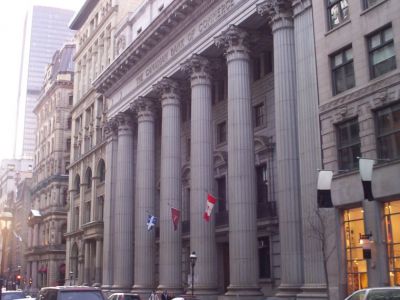
5) Canadian Imperial Bank of Commerce Building
The five-storey building was designed by Darling and Pearson in the Edwardian Baroque style and is fronted by a monumental hexastyle Corinthian portico carved from grey Stanstead granite from Stanstead in Quebec's Eastern Townships. The building was constructed as the main Montreal branch of the Canadian Bank of Commerce (which merged with the Imperial Bank of Canada in 1961 to form the Canadian Imperial Bank of Commerce). From 1909 to 1939, it also housed the Montreal offices of the White Star Line, which sold tickets to the maiden voyage of Titanic in 1912.
In 2012, the owners of the Montreal landmark, The Rialto Theatre, purchased the former bank and crowned it The Saint James Theatre. While staying true to the history of the building and highlighting its breathtaking architecture, the Saint James Theatre is one of Montreal newest high-end venues for private events.
In 2012, the owners of the Montreal landmark, The Rialto Theatre, purchased the former bank and crowned it The Saint James Theatre. While staying true to the history of the building and highlighting its breathtaking architecture, the Saint James Theatre is one of Montreal newest high-end venues for private events.
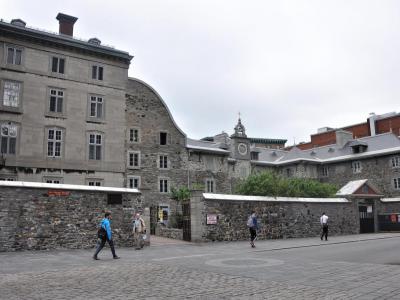
6) Old Saint-Sulpice Seminary
Montréal's second-oldest structure, the Sulpician Seminary located next to Notre-Dame Basilica was declared a National Historic Site of Canada in 1980, taking into consideration the quality of the architecture, which is a rare and remarkable example of 17th-century classical design built during the French Regime, but also the remarkable integrity of its convent garden, which once served as a means of subsistence, besides its use for meditation and leisure.
Since the 1680s, the seminary has served as the residence and administrative centre of the Messieurs of Saint-Sulpice who were the seigneurs of the Island of Montréal until the end of the seigneurial regime. The main building, which is the oldest part, is also the one that has been the least changed over the centuries. Its façade, of rough-cut limestone masonry, has a remarkable neoclassical-style entrance gate, built in 1740, through which you can peek at the clock – one of the oldest of its kind in North America. A real window on Montréal's past, and the oldest Seminary where priests still live today!
Since the 1680s, the seminary has served as the residence and administrative centre of the Messieurs of Saint-Sulpice who were the seigneurs of the Island of Montréal until the end of the seigneurial regime. The main building, which is the oldest part, is also the one that has been the least changed over the centuries. Its façade, of rough-cut limestone masonry, has a remarkable neoclassical-style entrance gate, built in 1740, through which you can peek at the clock – one of the oldest of its kind in North America. A real window on Montréal's past, and the oldest Seminary where priests still live today!
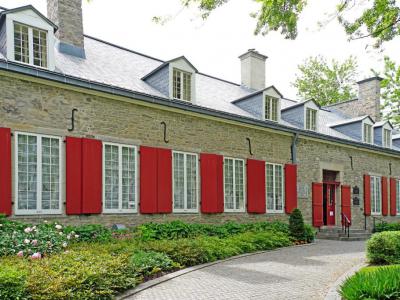
7) Chateau Ramezay Museum
Overlooking the Montreal City Hall from across Notre-Dame Street is the Ramezay Castle (Château Ramezay). This historic "château" was built in 1705 as the residence of the then-governor of the city, Claude de Ramezay, who paid for its construction out of his own pocket. This was the first building proclaimed as a historical monument in Quebec and was designated a National Historic Site of Canada in 1949.
Over the course of its three-century-long history, the building went through many incarnations, changing several owners and serving different functions. These included head offices for the French West India Company (1745-64) and the Canadian headquarters for the Continental Army in 1775. Benjamin Franklin stayed here overnight in 1776 while trying to raise troops to fight for the Americans in the American Revolutionary War. After the British Conquest, the house once again served as a governor's residence, this time for the British governors. And in 1878, the building hosted the University of Montreal's (Université de Montréal) first Faculty of Medicine.
In 1894, the property was bought by the Numismatic and Antiquarian Society of Montreal and turned into a historical museum and portrait gallery. Today, its collection comprises some 30,000 objects, mainly gifts from private donators, including manuscripts, printed publications, numismatics, ethnological items, paintings, prints, and other works of art, as well as furniture.
Although multimedia displays take you through the building's evolution, the real focus is on the history and progression of the city, from the time of its foundation until Confederation. One of its highlights is the Salle de Nantes, a mahogany-paneled room from 1725, whose decoration was rightly or wrongly attributed to Germain Boffrand, chief architect to Louis XIV and Louis XV. The room was part of the French pavilion at the 1967 Expo and was donated to the museum shortly after. There are also kid-oriented exhibits, at the basement level.
Over the course of its three-century-long history, the building went through many incarnations, changing several owners and serving different functions. These included head offices for the French West India Company (1745-64) and the Canadian headquarters for the Continental Army in 1775. Benjamin Franklin stayed here overnight in 1776 while trying to raise troops to fight for the Americans in the American Revolutionary War. After the British Conquest, the house once again served as a governor's residence, this time for the British governors. And in 1878, the building hosted the University of Montreal's (Université de Montréal) first Faculty of Medicine.
In 1894, the property was bought by the Numismatic and Antiquarian Society of Montreal and turned into a historical museum and portrait gallery. Today, its collection comprises some 30,000 objects, mainly gifts from private donators, including manuscripts, printed publications, numismatics, ethnological items, paintings, prints, and other works of art, as well as furniture.
Although multimedia displays take you through the building's evolution, the real focus is on the history and progression of the city, from the time of its foundation until Confederation. One of its highlights is the Salle de Nantes, a mahogany-paneled room from 1725, whose decoration was rightly or wrongly attributed to Germain Boffrand, chief architect to Louis XIV and Louis XV. The room was part of the French pavilion at the 1967 Expo and was donated to the museum shortly after. There are also kid-oriented exhibits, at the basement level.
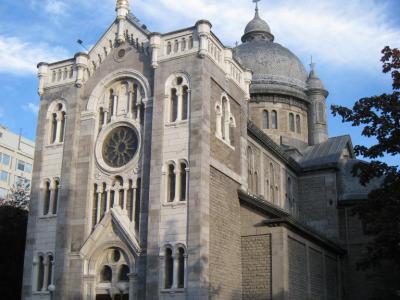
8) Our Lady of Lourdes Chapel (Notre-Dame-de-Lourdes)
Our Lady of Lourdes Chapel, also known as Notre-Dame-de-Lourdes, is a magnificent religious landmark located in downtown Montreal. The chapel holds a special place in the heart of its creator, Napoléon Bourassa (1827-1916), an artist-apostle who poured his love and devotion into every aspect of its design and construction.
The Chapel of Our Lady of Lourdes is built in the Romano-Byzantine style. Its interior decoration guides the eye to the center of the dome, which portrays the proclamation of the dogma of the Immaculate Conception. This architectural masterpiece surpasses previous religious art in Canada.
On April 30, 1881, the Chapel of Our Lady of Lourdes was opened for worship. Since then, it has become a place of pilgrimage and a sanctuary of prayer and peace. The chapel offers a serene refuge where the Virgin Mary welcomes pilgrims from across Quebec and beyond.
Entering the chapel, one is mesmerized by its architectural beauty. The single nave showcases a barrel vault supported by gray marble pilasters with engaged columns. Transverse arches add support and a touch of grandeur. Trefoil windows bring in ample natural light, illuminating the detailed decoration that harmoniously follows a Mariological theme.
The colors used throughout the chapel blend together harmoniously, culminating in the hemisphere of the dome, which is supported by four pendentives. Each pendentive showcases a painted angel, seemingly in contemplation of their Queen. At the apex of the dome, against a backdrop of stars and cherubim, stands the figure of Mary, the focal point of devotion and reverence.
The Chapel of Our Lady of Lourdes is built in the Romano-Byzantine style. Its interior decoration guides the eye to the center of the dome, which portrays the proclamation of the dogma of the Immaculate Conception. This architectural masterpiece surpasses previous religious art in Canada.
On April 30, 1881, the Chapel of Our Lady of Lourdes was opened for worship. Since then, it has become a place of pilgrimage and a sanctuary of prayer and peace. The chapel offers a serene refuge where the Virgin Mary welcomes pilgrims from across Quebec and beyond.
Entering the chapel, one is mesmerized by its architectural beauty. The single nave showcases a barrel vault supported by gray marble pilasters with engaged columns. Transverse arches add support and a touch of grandeur. Trefoil windows bring in ample natural light, illuminating the detailed decoration that harmoniously follows a Mariological theme.
The colors used throughout the chapel blend together harmoniously, culminating in the hemisphere of the dome, which is supported by four pendentives. Each pendentive showcases a painted angel, seemingly in contemplation of their Queen. At the apex of the dome, against a backdrop of stars and cherubim, stands the figure of Mary, the focal point of devotion and reverence.
9) Montreal Memory Center
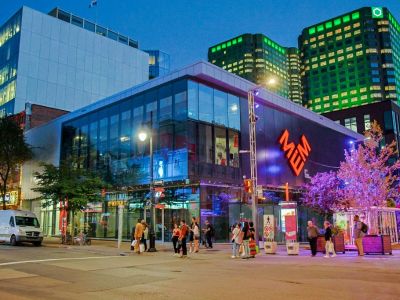
The MEM – Centre des mémoires montréalaises (Montreal Memory Centre) is a citizen-focused museum that celebrates the city through the voices of its people. Opened in September 2023, the MEM invites visitors to explore Montreal’s identity by engaging with the lived experiences of the communities that shape it. Far from a traditional museum, the MEM offers a wide range of participatory exhibits, events, and storytelling initiatives that reflect the diversity and vitality of the city’s population.
This new institution builds on the legacy of the former Montréal History Centre, which was housed in a historic fire station in Old Montreal. Since its founding in 1983, the earlier centre aimed to preserve and interpret Montreal’s heritage, eventually shifting its focus to include the voices and stories of everyday Montrealers. In 2020, the Centre closed its doors to begin a transformation into what is now the MEM, located in the contemporary building in the bustling Quartier des spectacles. The new setting provides more space, central access, and a dynamic platform for community engagement.
At its core, the MEM is a museum of co-creation. Its programming is shaped in close collaboration with Montrealers, making it both a platform and a mirror of the city’s evolving identity. Through exhibitions, online initiatives, and city-wide activities, the MEM fosters dialogue, inclusion, and pride in the mosaic of cultures that define Montreal. This participatory approach ensures that the museum remains rooted in the present while honoring the past.
For tourists, the MEM offers a unique and human-centred way to experience Montreal. Rather than presenting a distant or static version of history, the centre invites you into the lives, memories, and voices of its residents.
This new institution builds on the legacy of the former Montréal History Centre, which was housed in a historic fire station in Old Montreal. Since its founding in 1983, the earlier centre aimed to preserve and interpret Montreal’s heritage, eventually shifting its focus to include the voices and stories of everyday Montrealers. In 2020, the Centre closed its doors to begin a transformation into what is now the MEM, located in the contemporary building in the bustling Quartier des spectacles. The new setting provides more space, central access, and a dynamic platform for community engagement.
At its core, the MEM is a museum of co-creation. Its programming is shaped in close collaboration with Montrealers, making it both a platform and a mirror of the city’s evolving identity. Through exhibitions, online initiatives, and city-wide activities, the MEM fosters dialogue, inclusion, and pride in the mosaic of cultures that define Montreal. This participatory approach ensures that the museum remains rooted in the present while honoring the past.
For tourists, the MEM offers a unique and human-centred way to experience Montreal. Rather than presenting a distant or static version of history, the centre invites you into the lives, memories, and voices of its residents.
10) Dieu du Ciel
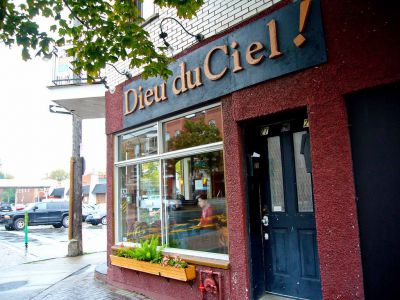
Dieu du Ciel, which translates to "Oh my god!" in English, is a renowned brewpub located on Laurier Avenue West in Montreal. Since its establishment in 1998, this brewery has been delighting beer enthusiasts with its exceptional offerings. Widely regarded as the best "brewpub" in the world, Dieu du Ciel stands out for its commitment to superior quality and a wide variety of beers.
One of the remarkable aspects of Dieu du Ciel is its ever-changing menu of beers. In Montreal, beer lovers are treated to a constantly evolving selection of brews, ensuring that there is always something new and exciting to try. Whether you have a preference for hoppy IPAs, rich stouts, refreshing lagers, or unique experimental brews, Dieu du Ciel has something to satisfy every palate.
In addition to their impressive beer lineup, Dieu du Ciel also offers a larger selection of dishes. With a dedicated kitchen area, they have expanded their menu to provide a diverse range of delectable options that perfectly complement their beers. Whether you're in the mood for mouthwatering pub-style fare or gourmet dishes, the brewpub ensures a memorable dining experience.
Dieu du Ciel has also expanded its offerings beyond the brewpub itself. They have introduced a brand new boutique where patrons can purchase their favorite beers, wines, ciders, and more. This expanded selection of products allows beer enthusiasts to take a piece of Dieu du Ciel home with them, ensuring that the experience doesn't end with their visit to the brewpub.
One of the remarkable aspects of Dieu du Ciel is its ever-changing menu of beers. In Montreal, beer lovers are treated to a constantly evolving selection of brews, ensuring that there is always something new and exciting to try. Whether you have a preference for hoppy IPAs, rich stouts, refreshing lagers, or unique experimental brews, Dieu du Ciel has something to satisfy every palate.
In addition to their impressive beer lineup, Dieu du Ciel also offers a larger selection of dishes. With a dedicated kitchen area, they have expanded their menu to provide a diverse range of delectable options that perfectly complement their beers. Whether you're in the mood for mouthwatering pub-style fare or gourmet dishes, the brewpub ensures a memorable dining experience.
Dieu du Ciel has also expanded its offerings beyond the brewpub itself. They have introduced a brand new boutique where patrons can purchase their favorite beers, wines, ciders, and more. This expanded selection of products allows beer enthusiasts to take a piece of Dieu du Ciel home with them, ensuring that the experience doesn't end with their visit to the brewpub.
11) Jean-Talon Market (must see)
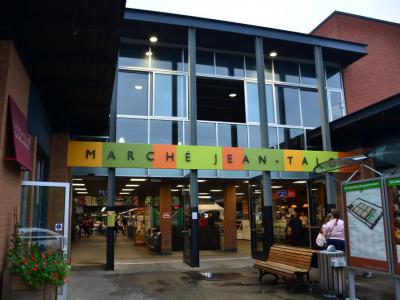
Jean-Talon Market, it's a fascinating food market located within the Little Italy neighborhood. Here you will find all kinds of vegetables, fruits, fish, cheese, bakeries, and other shops specializing in food. Everything is so fresh and yummy.
What to buy here: Canned Foods.
Who would think of buying canned food abroad when so few people eat them at home anyway? When in Montreal, think again. Quebeckers were not always prosperous - men worked draining hours in the cold and women had to find ingenious ways to use all of the food they got their hands on and cook substantial meals with it, so cans quickly became the most cost-effective option. While availability isn’t that much of an issue nowadays, the tradition of canned foods is still very much anchored in Quebec’s families.
Grandmothers and aunts take great pleasure in preparing the cans for the Christmas holidays, but if you don’t have a Quebecker relative, just pay a visit to the Jean-Talon Market and browse their numerous stalls for the perfect $7 love-made delicacy. From berry jams to fruity ketchup to meat sauce, you are guaranteed a wholesome and succulent meal back home, for a great taste of both Montreal’s culinary traditions but also its rich history.
What to buy here: Canned Foods.
Who would think of buying canned food abroad when so few people eat them at home anyway? When in Montreal, think again. Quebeckers were not always prosperous - men worked draining hours in the cold and women had to find ingenious ways to use all of the food they got their hands on and cook substantial meals with it, so cans quickly became the most cost-effective option. While availability isn’t that much of an issue nowadays, the tradition of canned foods is still very much anchored in Quebec’s families.
Grandmothers and aunts take great pleasure in preparing the cans for the Christmas holidays, but if you don’t have a Quebecker relative, just pay a visit to the Jean-Talon Market and browse their numerous stalls for the perfect $7 love-made delicacy. From berry jams to fruity ketchup to meat sauce, you are guaranteed a wholesome and succulent meal back home, for a great taste of both Montreal’s culinary traditions but also its rich history.
12) Marche aux Puces St-Michel
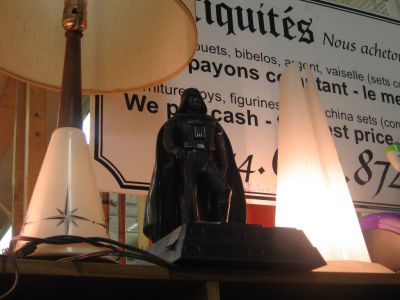
Saint-Michel Flea Market (Marché aux Puces Saint Michel) is an indoor flea market located at the bustling corner of Boulevard Saint Michel and Cremazie in Montreal. This vibrant marketplace takes place every weekend from Friday to Sunday and has earned a well-deserved reputation as one of the city's most popular destinations for treasure hunting and unique finds.
Upon entering the Saint Michel market, visitors are greeted with a bustling atmosphere and a wide array of offerings. The market encompasses two floors and features around a hundred kiosks, each filled with a fascinating assortment of goods. Whether you're a collector, antique enthusiast, or simply in search of eclectic home decor, this flea market has something for everyone.
Antique lovers will be delighted to discover a diverse selection of items, ranging from vintage furniture to precious trinkets. The market also caters to collectors, with specialized merchants offering an impressive range of collectibles, such as hockey cards, gold and silver jewelry, watches, and records. Art enthusiasts can explore a variety of paintings, both contemporary and classic, while those with a penchant for nostalgia can indulge in mid-century, post-industrial, and vintage items.
Bookworms and history buffs will find joy in perusing the market's assortment of used and old books, documents, photography, and postcards. If you have a fondness for military memorabilia or are seeking unique design pieces, the Saint Michel market has you covered as well. Additionally, you'll find an assortment of decorative items, teak furniture, sound systems, and both old and modern collectible toys.
Upon entering the Saint Michel market, visitors are greeted with a bustling atmosphere and a wide array of offerings. The market encompasses two floors and features around a hundred kiosks, each filled with a fascinating assortment of goods. Whether you're a collector, antique enthusiast, or simply in search of eclectic home decor, this flea market has something for everyone.
Antique lovers will be delighted to discover a diverse selection of items, ranging from vintage furniture to precious trinkets. The market also caters to collectors, with specialized merchants offering an impressive range of collectibles, such as hockey cards, gold and silver jewelry, watches, and records. Art enthusiasts can explore a variety of paintings, both contemporary and classic, while those with a penchant for nostalgia can indulge in mid-century, post-industrial, and vintage items.
Bookworms and history buffs will find joy in perusing the market's assortment of used and old books, documents, photography, and postcards. If you have a fondness for military memorabilia or are seeking unique design pieces, the Saint Michel market has you covered as well. Additionally, you'll find an assortment of decorative items, teak furniture, sound systems, and both old and modern collectible toys.
