Custom Walk in Kyoto, Japan by wdks_2713_d2674f created on 2026-05-03
Guide Location: Japan » Kyoto
Guide Type: Custom Walk
# of Sights: 5
Tour Duration: 2 Hour(s)
Travel Distance: 4.1 Km or 2.5 Miles
Share Key: WHL3E
Guide Type: Custom Walk
# of Sights: 5
Tour Duration: 2 Hour(s)
Travel Distance: 4.1 Km or 2.5 Miles
Share Key: WHL3E
How It Works
Please retrieve this walk in the GPSmyCity app. Once done, the app will guide you from one tour stop to the next as if you had a personal tour guide. If you created the walk on this website or come to the page via a link, please follow the instructions below to retrieve the walk in the app.
Retrieve This Walk in App
Step 1. Download the app "GPSmyCity: Walks in 1K+ Cities" on Apple App Store or Google Play Store.



Step 2. In the GPSmyCity app, download(or launch) the guide "Kyoto Map and Walking Tours".
Step 3. Tap the menu button located at upper right corner of the "Walks" screen and select "Retrieve custom walk". Enter the share key: WHL3E
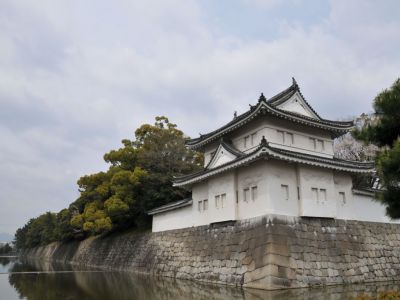
1) Nijo Castle (must see)
If you fancy a crash course in shogunate style, check out Nijo Castle-Kyoto’s architectural declaration: "Yes, I rule the realm, but do it tastefully." Its moat and stone walls are tidy and well-kept, though not exactly built for medieval tank warfare. But don't let their modesty fool you-what’s inside is where the real power play unfolds.
Built in 1603, Nijo wasn’t about brute force-it was a strategic base from which Tokugawa shoguns could oversee the emperor. Enter through the dramatic Chinese-style gate and you're headed straight into the Ninomaru Palace, constructed in 1626 to impress the emperor during a ceremonial visit. Think of it as a 17th-century flex, complete with hand-picked artists decorating over 1,000 paintings across five interconnected buildings. These spaces weren’t just eye candy-they laid out a strict social pecking order, from low-level bureaucrats to top-tier Tokugawa allies.
And then there’s the Nightingale Corridor. Not an actual aviary, but a squeaky hallway designed to chirp under your feet-an early form of home security to ward off would-be assassins and uninvited guests. As a bonus, those chirps now add a soundtrack to your stroll past golden screens, pine tree paintings (hint: power symbolism), and centuries of elite scheming.
Just outside, the garden adds its own drama. Craggy rocks shout military strength, while the surrounding cherry trees soften the scene with poetic flair-especially in spring, when they’re lit up like nature’s disco ball. Stroll the loop, sip from a tea house, and suddenly you're deep in a samurai movie without the sword fights.
Quick tips before you dive in: socks are a must, as no shoes are allowed inside. Want the full story? Rent the audio guide or hop on the English tour at 10 AM or 12:30 PM. Trust us, this Nightingale has tales to sing...
Built in 1603, Nijo wasn’t about brute force-it was a strategic base from which Tokugawa shoguns could oversee the emperor. Enter through the dramatic Chinese-style gate and you're headed straight into the Ninomaru Palace, constructed in 1626 to impress the emperor during a ceremonial visit. Think of it as a 17th-century flex, complete with hand-picked artists decorating over 1,000 paintings across five interconnected buildings. These spaces weren’t just eye candy-they laid out a strict social pecking order, from low-level bureaucrats to top-tier Tokugawa allies.
And then there’s the Nightingale Corridor. Not an actual aviary, but a squeaky hallway designed to chirp under your feet-an early form of home security to ward off would-be assassins and uninvited guests. As a bonus, those chirps now add a soundtrack to your stroll past golden screens, pine tree paintings (hint: power symbolism), and centuries of elite scheming.
Just outside, the garden adds its own drama. Craggy rocks shout military strength, while the surrounding cherry trees soften the scene with poetic flair-especially in spring, when they’re lit up like nature’s disco ball. Stroll the loop, sip from a tea house, and suddenly you're deep in a samurai movie without the sword fights.
Quick tips before you dive in: socks are a must, as no shoes are allowed inside. Want the full story? Rent the audio guide or hop on the English tour at 10 AM or 12:30 PM. Trust us, this Nightingale has tales to sing...
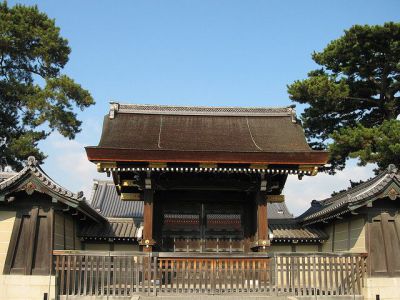
2) Kyoto Imperial Palace (must see)
The Kyoto Imperial Palace-once the VIP lounge of Japan’s emperors (back when Kyoto still held the title of capital city)-was established in 794. This place remained home to the Imperial Family up until 1869, when the royals packed up and moved to Tokyo during the Meiji Restoration period (which brought about the modernization and Westernization of the country at the turn of the 20th century). The palace you see today dates from 1855, rebuilt after a series of devastating fires. Luckily, the entire complex retained its timeless look-with elegant wooden buildings, sweeping rooflines, and a firm commitment to traditional flair, complemented by a modern touch.
Set within the spacious Kyoto Gyoen National Garden, the palace grounds once teemed with court nobles and aristocrats. Back in its glory days, this leafy enclave held over 200 noble residences-like an elite gated community, only without the gates... These days, the grounds are open to the public and lined with some 50,000 trees, offering peace, shade, and the occasional squirrel sighting. Despite the modern calm, this place still hosts formal imperial ceremonies, keeping tradition alive with a bow and a fan flutter.
The palace itself, affectionately called Gosho by locals, is refreshingly unfortified-no defensive moats, towers, or any “keep out” signs. Instead, it embraces a philosophy of openness, with wide verandas looking out on reflective ponds, and sliding doors inviting the outdoors in. While you can’t wander inside the buildings, the gravel paths, the manicured, serene courtyards, and the dignified architecture outside are yours to explore and admire, camera in hand.
Curious minds can either follow a self-guided route marked with English signs or take a free one-hour guided tour from the Imperial Household Office-just make sure to bring your passport and a sense of wonder. Tours run daily at 10 AM and 2 PM and cover highlights like the grand Shishinden Hall, ornate gates, and the tree-filled serenity of Kyoto Gyoen Park, replete with shaded walkways, plum groves, and quiet retreats. So, whether you come for the history, the architecture, or just a break from temple fatigue, the Kyoto Imperial Palace delivers timeless elegance, minus the royal curtsies...
Set within the spacious Kyoto Gyoen National Garden, the palace grounds once teemed with court nobles and aristocrats. Back in its glory days, this leafy enclave held over 200 noble residences-like an elite gated community, only without the gates... These days, the grounds are open to the public and lined with some 50,000 trees, offering peace, shade, and the occasional squirrel sighting. Despite the modern calm, this place still hosts formal imperial ceremonies, keeping tradition alive with a bow and a fan flutter.
The palace itself, affectionately called Gosho by locals, is refreshingly unfortified-no defensive moats, towers, or any “keep out” signs. Instead, it embraces a philosophy of openness, with wide verandas looking out on reflective ponds, and sliding doors inviting the outdoors in. While you can’t wander inside the buildings, the gravel paths, the manicured, serene courtyards, and the dignified architecture outside are yours to explore and admire, camera in hand.
Curious minds can either follow a self-guided route marked with English signs or take a free one-hour guided tour from the Imperial Household Office-just make sure to bring your passport and a sense of wonder. Tours run daily at 10 AM and 2 PM and cover highlights like the grand Shishinden Hall, ornate gates, and the tree-filled serenity of Kyoto Gyoen Park, replete with shaded walkways, plum groves, and quiet retreats. So, whether you come for the history, the architecture, or just a break from temple fatigue, the Kyoto Imperial Palace delivers timeless elegance, minus the royal curtsies...
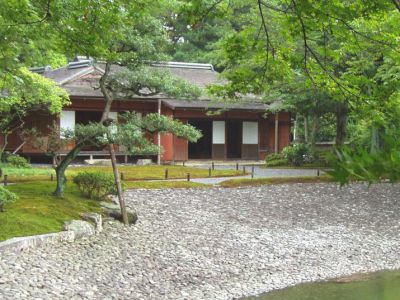
3) Sento Imperial Palace
If you ever wondered what the imperial retirement plan-Kyoto-style-can possibly look like, here's your chance. Check out the Sento Imperial Palace (or Sento Gosho if you're feeling formal), built in 1630 for Emperor Go-Mizunoo when he decided to call it a day. Two centuries later, alas, fire consumed the property. But like any good royal legacy, it didn’t vanish-it evolved. Today, it’s still part of the Imperial family’s Kyoto digs, quietly nestled behind an age-old mud wall that knows more secrets than it lets on.
Inside is a sprawling 22-acre garden that’s less "backyard" and more "living museum of serenity." To get in, you’ll need to join a free tour run by the Imperial Household Agency-because nothing illustrates exclusivity better than a wooden gate and a bureaucratic approval process...
Now, the garden isn’t just green. It’s thoughtfully green. We're talking pebble-edged ponds so pristine they might as well be hand-curated, and tea houses that look like they’ve time-traveled straight out of a minimalist dream. The Seikatei teahouse even lets you peek inside-because, when it comes to appreciating "imperial style," nothing can beat the quiet admiration of architecture through a respectfully ajar door.
The tours are all in Japanese, but don’t worry-audio guides in other languages are also available, so you won’t have to pretend to understand everything while nodding thoughtfully at moss.
And here’s the twist: this noble garden isn’t all solemn strolls and poetry. Among the pines and perfectly groomed paths, you'll find groves of plum and cherry trees, plus the occasional tennis match or baseball practice. Yes, really. Add in some dog walkers, birdwatchers, and people just trying to mentally escape their inboxes, and you’ve got a city oasis with imperial flair-and just enough whimsy to remind you that, like anyone else, retired emperors needed fresh air and a good view.
Inside is a sprawling 22-acre garden that’s less "backyard" and more "living museum of serenity." To get in, you’ll need to join a free tour run by the Imperial Household Agency-because nothing illustrates exclusivity better than a wooden gate and a bureaucratic approval process...
Now, the garden isn’t just green. It’s thoughtfully green. We're talking pebble-edged ponds so pristine they might as well be hand-curated, and tea houses that look like they’ve time-traveled straight out of a minimalist dream. The Seikatei teahouse even lets you peek inside-because, when it comes to appreciating "imperial style," nothing can beat the quiet admiration of architecture through a respectfully ajar door.
The tours are all in Japanese, but don’t worry-audio guides in other languages are also available, so you won’t have to pretend to understand everything while nodding thoughtfully at moss.
And here’s the twist: this noble garden isn’t all solemn strolls and poetry. Among the pines and perfectly groomed paths, you'll find groves of plum and cherry trees, plus the occasional tennis match or baseball practice. Yes, really. Add in some dog walkers, birdwatchers, and people just trying to mentally escape their inboxes, and you’ve got a city oasis with imperial flair-and just enough whimsy to remind you that, like anyone else, retired emperors needed fresh air and a good view.
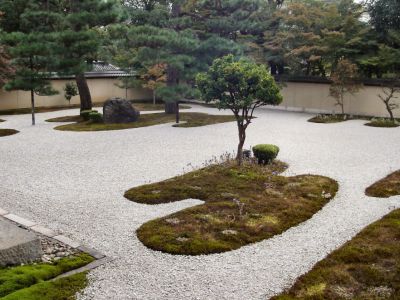
4) Rozan-ji Temple
To the east of Kyoto’s Imperial Palace stands a temple with serious literary street cred-Rozan-ji, built on the former estate of the father of Murasaki Shikibu, the noblewoman who went down in history as the author of the epic novel, The Tale of Genji, often regarded as the world’s first novel, penned in the 11th century. Devotees of classic literature still drop by to pay their respects to Lady Murasaki, the Heian-era icon who turned palace gossip into timeless prose.
Rozan-ji itself was founded way back in 938 by the Buddhist priest Ganzan Daishi on a hill called Funaokayama. And while much of Kyoto went up in flames in 1571 thanks to warlord Oda Nobunaga’s scorched-earth policy, Rozan-ji somehow dodged the fireball. Later, Emperor Kokaku gave it an upgrade and relocated it to its current, more serene spot.
The temple grounds are now home to the graves of numerous Edo-period VIPs, including Jocho Busshi, the Heian sculptor behind some of Japan’s most revered Buddhist statues. Out front, a moss and gravel garden blooms with delicate bellflowers, the kind of place you might expect Genji himself to stroll through-deep in thought, fan in hand...
Visit in early February, precisely on the 2nd and 3rd day of the month, and you'll catch Rozan-ji’s theatrical side during the Setsubun festivities, featuring a traditional annual court ceremony of driving out demons. Picture this: monks, masks, and ritual demon-banishing that’s part ancient rite, part Kyoto drama. In short, Rozan-ji offers literary heritage, imperial whispers, and just the right amount of spiritual flair.
Rozan-ji itself was founded way back in 938 by the Buddhist priest Ganzan Daishi on a hill called Funaokayama. And while much of Kyoto went up in flames in 1571 thanks to warlord Oda Nobunaga’s scorched-earth policy, Rozan-ji somehow dodged the fireball. Later, Emperor Kokaku gave it an upgrade and relocated it to its current, more serene spot.
The temple grounds are now home to the graves of numerous Edo-period VIPs, including Jocho Busshi, the Heian sculptor behind some of Japan’s most revered Buddhist statues. Out front, a moss and gravel garden blooms with delicate bellflowers, the kind of place you might expect Genji himself to stroll through-deep in thought, fan in hand...
Visit in early February, precisely on the 2nd and 3rd day of the month, and you'll catch Rozan-ji’s theatrical side during the Setsubun festivities, featuring a traditional annual court ceremony of driving out demons. Picture this: monks, masks, and ritual demon-banishing that’s part ancient rite, part Kyoto drama. In short, Rozan-ji offers literary heritage, imperial whispers, and just the right amount of spiritual flair.
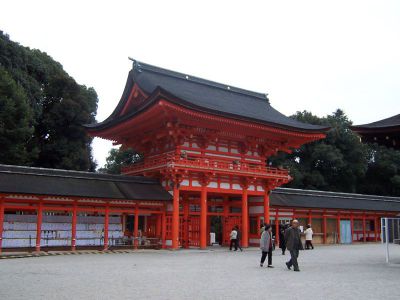
5) Shimogamo-Jinja Shrine
Let’s rewind the clock to the 6th century-back when Kyoto wasn’t even Kyoto yet-and meet Shimogamo-Jinja, one of the city’s oldest shrines and now a proud member of the elite club of 17 UNESCO World Heritage sites in Kyoto. That’s right, this isn’t just another pretty torii gate-it’s got serious historical clout.
Originally built to keep evil spirits out and good vibes in, Shimogamo-Jinja sits inside Tadasu no Mori, which translates to “The Forest of Truth.” Think of it as Kyoto’s ancient lie detector, only greener. Here, among towering trees and whispering leaves, you’ll find the shrine dedicated to some serious deity heavyweights: Kamotaketsunumi-no-Mikoto, his daughter Tamayorihime-no-Mikoto, and the ever-dramatic Honoikazuchi-no-Mikoto, the god of fire and thunder. Add in a generous dose of imperial patronage from the Heian era through to the 20th century, and you’ve got yourself one seriously sacred spot.
But if you thought it’s all just solemn rituals and ancient deities, then don't. Shimogamo-Jinja still knows how to throw a party. Every May 15th, it hosts the Aoi Matsuri, or Hollyhock Festival, where Heian-period cosplay meets spiritual parade. And if you swing by in early January, you might catch the Kemari Hajime, a formal New Year’s kickabout of a centuries-old game that looks like soccer, only slower, quieter, and with a lot more silk robes.
As for the forest itself, imagine peaceful bamboo groves, ancient trees, and babbling streams. Honestly, it’s like Kyoto hit pause. And yes, it’s a fantastic alternative to the shoulder-to-shoulder Arashiyama bamboo crowds-here, you’ll actually hear the bamboo rustle instead of a hundred camera shutters.
The shrine is modest, but the atmosphere is anything but. Tadasu no Mori offers shade, serenity, and a chance to wander through living history. Come for the quiet. Stay for the sacred ambiance.
Pro Tip:
Festivals here aren’t your average weekend fairs. If you visit during one, bring along a guide who knows their imperial onions-this way, you’ll get more out of it than just pretty photos and a brochure.
Originally built to keep evil spirits out and good vibes in, Shimogamo-Jinja sits inside Tadasu no Mori, which translates to “The Forest of Truth.” Think of it as Kyoto’s ancient lie detector, only greener. Here, among towering trees and whispering leaves, you’ll find the shrine dedicated to some serious deity heavyweights: Kamotaketsunumi-no-Mikoto, his daughter Tamayorihime-no-Mikoto, and the ever-dramatic Honoikazuchi-no-Mikoto, the god of fire and thunder. Add in a generous dose of imperial patronage from the Heian era through to the 20th century, and you’ve got yourself one seriously sacred spot.
But if you thought it’s all just solemn rituals and ancient deities, then don't. Shimogamo-Jinja still knows how to throw a party. Every May 15th, it hosts the Aoi Matsuri, or Hollyhock Festival, where Heian-period cosplay meets spiritual parade. And if you swing by in early January, you might catch the Kemari Hajime, a formal New Year’s kickabout of a centuries-old game that looks like soccer, only slower, quieter, and with a lot more silk robes.
As for the forest itself, imagine peaceful bamboo groves, ancient trees, and babbling streams. Honestly, it’s like Kyoto hit pause. And yes, it’s a fantastic alternative to the shoulder-to-shoulder Arashiyama bamboo crowds-here, you’ll actually hear the bamboo rustle instead of a hundred camera shutters.
The shrine is modest, but the atmosphere is anything but. Tadasu no Mori offers shade, serenity, and a chance to wander through living history. Come for the quiet. Stay for the sacred ambiance.
Pro Tip:
Festivals here aren’t your average weekend fairs. If you visit during one, bring along a guide who knows their imperial onions-this way, you’ll get more out of it than just pretty photos and a brochure.
