Custom Walk in Nashville, Tennessee by rsenko52_98265 created on 2026-05-08
Guide Location: USA » Nashville
Guide Type: Custom Walk
# of Sights: 10
Tour Duration: 15 Hour(s)
Travel Distance: 41.6 Km or 25.8 Miles
Share Key: TZ928
Guide Type: Custom Walk
# of Sights: 10
Tour Duration: 15 Hour(s)
Travel Distance: 41.6 Km or 25.8 Miles
Share Key: TZ928
How It Works
Please retrieve this walk in the GPSmyCity app. Once done, the app will guide you from one tour stop to the next as if you had a personal tour guide. If you created the walk on this website or come to the page via a link, please follow the instructions below to retrieve the walk in the app.
Retrieve This Walk in App
Step 1. Download the app "GPSmyCity: Walks in 1K+ Cities" on Apple App Store or Google Play Store.



Step 2. In the GPSmyCity app, download(or launch) the guide "Nashville Map and Walking Tours".
Step 3. Tap the menu button located at upper right corner of the "Walks" screen and select "Retrieve custom walk". Enter the share key: TZ928
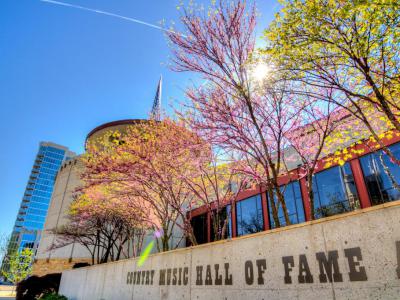
1) Country Music Hall of Fame and Museum (must see)
The Country Music Hall of Fame and Museum is one of the world's largest museums and research centers dedicated to the preservation and interpretation of American country music.
Founded in 1964, the museum's mission is to document the history of country music, an art form that has had a significant impact on the culture of the United States and beyond. It's often considered the definitive home for country music, given Nashville's storied connection to the genre.
The museum's architecture itself is a tribute to country music. The building's unique design features a piano keyboard merging into a car grille on one side and a Cadillac tailfin on the other, symbols that reflect country music's deep ties to southern culture. The museum's windows replicate the black diamond shapes found on a WSM radio tower, the station that broadcasts the Grand Ole Opry.
The Country Music Hall of Fame and Museum's expansive collection includes over 2.5 million artifacts. It features sound recordings, photographs, films, and a variety of musical instruments used by country music's most influential figures. Items such as Elvis Presley's "Solid Gold" Cadillac and Jimmie Rodgers' guitar can be found within the museum.
In addition to its vast collection, the museum also includes the 776-seat CMA Theater, the 213-seat Ford Theater, and the Taylor Swift Education Center. It hosts educational programs, live performances, public programs, exhibitions, and serves as a venue for artist interviews and panels.
The Hall of Fame Rotunda, part of the museum, is a sacred place where members of the Hall of Fame are commemorated with bronze plaques. The selection process is tightly controlled and being inducted into the Country Music Hall of Fame is considered one of the highest honors in the genre.
Tip:
Be sure to check the museum website for live music options. Also, consider getting the RCA Studio B tour combo ticket.
Founded in 1964, the museum's mission is to document the history of country music, an art form that has had a significant impact on the culture of the United States and beyond. It's often considered the definitive home for country music, given Nashville's storied connection to the genre.
The museum's architecture itself is a tribute to country music. The building's unique design features a piano keyboard merging into a car grille on one side and a Cadillac tailfin on the other, symbols that reflect country music's deep ties to southern culture. The museum's windows replicate the black diamond shapes found on a WSM radio tower, the station that broadcasts the Grand Ole Opry.
The Country Music Hall of Fame and Museum's expansive collection includes over 2.5 million artifacts. It features sound recordings, photographs, films, and a variety of musical instruments used by country music's most influential figures. Items such as Elvis Presley's "Solid Gold" Cadillac and Jimmie Rodgers' guitar can be found within the museum.
In addition to its vast collection, the museum also includes the 776-seat CMA Theater, the 213-seat Ford Theater, and the Taylor Swift Education Center. It hosts educational programs, live performances, public programs, exhibitions, and serves as a venue for artist interviews and panels.
The Hall of Fame Rotunda, part of the museum, is a sacred place where members of the Hall of Fame are commemorated with bronze plaques. The selection process is tightly controlled and being inducted into the Country Music Hall of Fame is considered one of the highest honors in the genre.
Tip:
Be sure to check the museum website for live music options. Also, consider getting the RCA Studio B tour combo ticket.
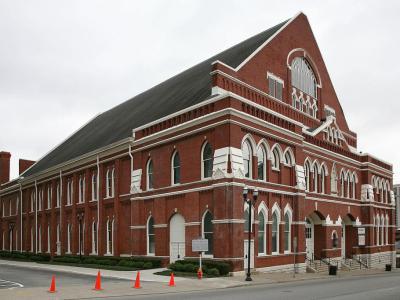
2) Ryman Auditorium (must see)
Ryman Auditorium, also known as the "Mother Church of Country Music," is a historic venue in downtown Nashville. Established by Thomas G. Ryman, it has become one of the most iconic landmarks in the country music industry.
Thomas Ryman was a businessman and riverboat captain who was converted to Christianity during a revival meeting led by evangelist Reverend Sam Jones. Inspired by his new faith, Ryman decided to build a tabernacle to host large revival meetings and to support Jones's ministry. Construction of the Union Gospel Tabernacle began in 1885 and was completed in 1892. After Ryman's death in 1904, the building was renamed the Ryman Auditorium in his honor.
Although initially built for religious purposes, Ryman Auditorium has been used for a variety of events over the years. In the early 20th century, it hosted political debates, community meetings, and various entertainment programs. It served as the home of the Grand Ole Opry, the world's longest-running live radio show, from 1943 to 1974, which marked the beginning of its reputation as the "Mother Church of Country Music."
Some of the biggest names in the music industry, including Johnny Cash, Elvis Presley, Hank Williams, Dolly Parton, and Patsy Cline, have performed on the Ryman stage. The venue is renowned for its exceptional acoustics, which contribute to the unique sound and atmosphere that attract musicians and audiences alike.
Despite the introduction of modern venues in Nashville, the Ryman Auditorium has held onto its charm and historical significance. It fell into disrepair when the Grand Ole Opry moved to a new location in 1974, but it was renovated and reopened in 1994. Since then, it has continued to host a variety of music performances, including country, rock, bluegrass, gospel, and pop.
Today Ryman Auditorium is a treasured symbol of Nashville's musical heritage and a must-visit destination for music lovers worldwide.
Tip:
There are two options on tours; self-guided and guided. With the former you can roam about the amphitheater and balcony levels, enjoying the many displays on the auditorium, its history, and the many diverse artists and orators who have visited the stage. If you're really into it, buy the (extra-cost) guided backstage tour tickets, and the guide will take you backstage through many of the dressing rooms, with history about the place and the artists included. Ending up at the side of the stage at the control area where you can grab a pic looking out into the bowl, you are then free to roam around the rest of the place with the other visitors. Pictures are allowed everywhere except in the dressing rooms on the backstage tour.
Thomas Ryman was a businessman and riverboat captain who was converted to Christianity during a revival meeting led by evangelist Reverend Sam Jones. Inspired by his new faith, Ryman decided to build a tabernacle to host large revival meetings and to support Jones's ministry. Construction of the Union Gospel Tabernacle began in 1885 and was completed in 1892. After Ryman's death in 1904, the building was renamed the Ryman Auditorium in his honor.
Although initially built for religious purposes, Ryman Auditorium has been used for a variety of events over the years. In the early 20th century, it hosted political debates, community meetings, and various entertainment programs. It served as the home of the Grand Ole Opry, the world's longest-running live radio show, from 1943 to 1974, which marked the beginning of its reputation as the "Mother Church of Country Music."
Some of the biggest names in the music industry, including Johnny Cash, Elvis Presley, Hank Williams, Dolly Parton, and Patsy Cline, have performed on the Ryman stage. The venue is renowned for its exceptional acoustics, which contribute to the unique sound and atmosphere that attract musicians and audiences alike.
Despite the introduction of modern venues in Nashville, the Ryman Auditorium has held onto its charm and historical significance. It fell into disrepair when the Grand Ole Opry moved to a new location in 1974, but it was renovated and reopened in 1994. Since then, it has continued to host a variety of music performances, including country, rock, bluegrass, gospel, and pop.
Today Ryman Auditorium is a treasured symbol of Nashville's musical heritage and a must-visit destination for music lovers worldwide.
Tip:
There are two options on tours; self-guided and guided. With the former you can roam about the amphitheater and balcony levels, enjoying the many displays on the auditorium, its history, and the many diverse artists and orators who have visited the stage. If you're really into it, buy the (extra-cost) guided backstage tour tickets, and the guide will take you backstage through many of the dressing rooms, with history about the place and the artists included. Ending up at the side of the stage at the control area where you can grab a pic looking out into the bowl, you are then free to roam around the rest of the place with the other visitors. Pictures are allowed everywhere except in the dressing rooms on the backstage tour.

3) Hadley Park
Opened on July 4, 1912, this 30-acre park in the northwest part of downtown Nashville was the city's first park, and one of the earliest parks in the United States to be designated exclusively for use by African Americans by the city's municipal authorities. The park's namesake is a matter of debate, with some claiming it's John L. Hadley, a former slave owner who later regretted his actions, and others proposing Dr. W.A. Hadley, a prominent African American physician who worked with Lewis on the 1897 Tennessee Centennial Exposition.
The park occupies the land that was once the Hadley plantation, and the main house, where it is believed that Frederick Douglass gave a speech in 1873 from the porch, remained within the park until 1948. In the 1930s, stone columns bearing the names of African American soldiers from Davidson County who had died in World War I were erected at the park's main entrance on 28th Street.
The park is situated between Fisk University and Tennessee State University, both historically African American institutions. It has an L-shaped layout and is shaded by large-canopy trees, including hickory, ash, and elm, scattered across the gently rolling terrain. The southern part of the park features picnic shelters, two baseball diamonds, a playground, and open grassy fields, all surrounded by a paved walking trail that follows the outline of the adjacent streets. The northern section of the park houses the bandshell and the Hadley Park Community Center, with a U-shaped parking area in front. Further north is the Hadley Park Tennis Center, opened in 2018, with nine outdoor hard courts and four indoor courts in a grid layout.
The park occupies the land that was once the Hadley plantation, and the main house, where it is believed that Frederick Douglass gave a speech in 1873 from the porch, remained within the park until 1948. In the 1930s, stone columns bearing the names of African American soldiers from Davidson County who had died in World War I were erected at the park's main entrance on 28th Street.
The park is situated between Fisk University and Tennessee State University, both historically African American institutions. It has an L-shaped layout and is shaded by large-canopy trees, including hickory, ash, and elm, scattered across the gently rolling terrain. The southern part of the park features picnic shelters, two baseball diamonds, a playground, and open grassy fields, all surrounded by a paved walking trail that follows the outline of the adjacent streets. The northern section of the park houses the bandshell and the Hadley Park Community Center, with a U-shaped parking area in front. Further north is the Hadley Park Tennis Center, opened in 2018, with nine outdoor hard courts and four indoor courts in a grid layout.
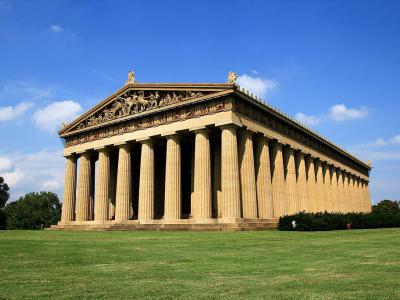
4) The Parthenon (must see)
Nashville's Parthenon is an exact replica of the original Parthenon located in Athens. It was constructed in 1897 as part of the Tennessee Centennial Exposition. The decision to build this replica was influenced by Nashville's nickname, "the Athens of the South," which made it a fitting choice for the centerpiece of the 1897 fair. While several buildings at the Exposition were inspired by ancient architecture, the Parthenon was the only one that faithfully reproduced the original and has since been preserved by the city.
Today, the Parthenon serves as an art museum and occupies a central position in Centennial Park, a sizable public park just west of downtown Nashville. The highlight of the Parthenon is the 1990 recreation of the Athena Parthenos statue by Alan LeQuire, replicating its role in ancient Greece.
Functioning as an art museum, the Parthenon houses a permanent collection of 63 paintings created by American artists from the 19th and 20th centuries, generously donated by James M. Cowan. Additionally, the museum offers gallery spaces for hosting various temporary exhibitions and shows.
During the summer season, local theater productions often use the Parthenon as a backdrop for staging classic Greek plays like Euripides' "Medea" and Sophocles' "Antigone." These performances typically take place on the Parthenon's steps and are often offered to the public free of charge. Some productions, such as Mary Zimmerman's "Metamorphoses," have even been presented indoors, at the base of the Athena statue.
In 2002, the Parthenon underwent a comprehensive restoration, including cleaning and refurbishment of its exterior. Furthermore, the exterior lighting system was upgraded to allow for the illumination of the building's columns in various colors, creating a versatile display of visual effects for different events.
Why You Should Visit:
Almost like being at the original! You can go inside for a small price or just enjoy it from the outside. Fun to take pictures with.
This is also a perfect spot to stop for a picnic lunch. Nice tree coverage, lake and picnic area as well as walking trails.
Tip:
You can also buy tickets inside the gift shop to save time if the ticket line is a bit long.
Today, the Parthenon serves as an art museum and occupies a central position in Centennial Park, a sizable public park just west of downtown Nashville. The highlight of the Parthenon is the 1990 recreation of the Athena Parthenos statue by Alan LeQuire, replicating its role in ancient Greece.
Functioning as an art museum, the Parthenon houses a permanent collection of 63 paintings created by American artists from the 19th and 20th centuries, generously donated by James M. Cowan. Additionally, the museum offers gallery spaces for hosting various temporary exhibitions and shows.
During the summer season, local theater productions often use the Parthenon as a backdrop for staging classic Greek plays like Euripides' "Medea" and Sophocles' "Antigone." These performances typically take place on the Parthenon's steps and are often offered to the public free of charge. Some productions, such as Mary Zimmerman's "Metamorphoses," have even been presented indoors, at the base of the Athena statue.
In 2002, the Parthenon underwent a comprehensive restoration, including cleaning and refurbishment of its exterior. Furthermore, the exterior lighting system was upgraded to allow for the illumination of the building's columns in various colors, creating a versatile display of visual effects for different events.
Why You Should Visit:
Almost like being at the original! You can go inside for a small price or just enjoy it from the outside. Fun to take pictures with.
This is also a perfect spot to stop for a picnic lunch. Nice tree coverage, lake and picnic area as well as walking trails.
Tip:
You can also buy tickets inside the gift shop to save time if the ticket line is a bit long.
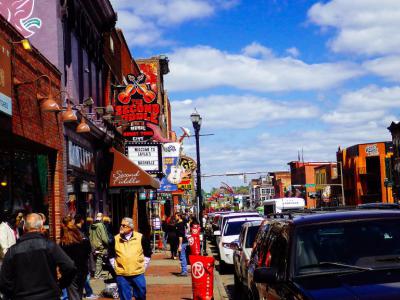
5) Lower Broadway (must see)
Lower Broadway is a vibrant and bustling street located in the heart of downtown Nashville. Often referred to as the city's entertainment district, Lower Broadway is renowned for its legendary honky-tonks, live country music, and southern hospitality, earning it the affectionate nickname "Honky Tonk Highway."
Running from 1st to 5th Avenue, Lower Broadway is lined with neon-lit venues, restaurants, souvenir shops, and landmarks steeped in music history. It's the beating heart of Nashville's country music scene, where both aspiring musicians and established country stars alike perform for locals and tourists.
Several iconic venues dot the street, including Tootsie's Orchid Lounge, Legends Corner, and Robert's Western World, each offering live music from early afternoon into the early hours of the morning. The street is also home to the Johnny Cash Museum, recognizing the life and music of one of country music's most influential artists.
At the end of Lower Broadway sits the Cumberland River, and the majestic riverfront views serve as the backdrop to the Ascend Amphitheater, a modern outdoor venue. A short stroll away is the Country Music Hall of Fame and Museum and the Bridgestone Arena, further embedding the street in the rich tapestry of Nashville's music scene.
Lower Broadway's energetic atmosphere and non-stop live music make it a favorite for locals and a must-visit for visitors seeking the authentic Nashville experience. Whether you're a lifelong country music fan, a budding musician, or a curious traveler, Lower Broadway offers a unique glimpse into the soul of Music City.
Running from 1st to 5th Avenue, Lower Broadway is lined with neon-lit venues, restaurants, souvenir shops, and landmarks steeped in music history. It's the beating heart of Nashville's country music scene, where both aspiring musicians and established country stars alike perform for locals and tourists.
Several iconic venues dot the street, including Tootsie's Orchid Lounge, Legends Corner, and Robert's Western World, each offering live music from early afternoon into the early hours of the morning. The street is also home to the Johnny Cash Museum, recognizing the life and music of one of country music's most influential artists.
At the end of Lower Broadway sits the Cumberland River, and the majestic riverfront views serve as the backdrop to the Ascend Amphitheater, a modern outdoor venue. A short stroll away is the Country Music Hall of Fame and Museum and the Bridgestone Arena, further embedding the street in the rich tapestry of Nashville's music scene.
Lower Broadway's energetic atmosphere and non-stop live music make it a favorite for locals and a must-visit for visitors seeking the authentic Nashville experience. Whether you're a lifelong country music fan, a budding musician, or a curious traveler, Lower Broadway offers a unique glimpse into the soul of Music City.
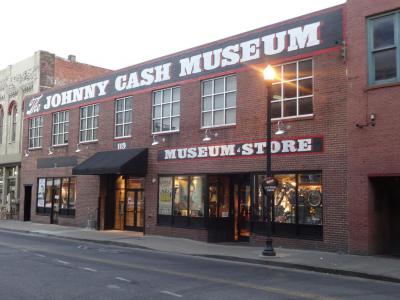
6) Johnny Cash Museum (must see)
The Johnny Cash Museum, located in downtown Nashville, Tennessee, is a tribute to one of the most influential musicians of the 20th century. Dedicated to preserving the legacy of "The Man in Black," the museum offers an in-depth look at Johnny Cash's life, music, and impact on the world.
Opened in 2013, the museum was founded by Bill Miller, a close friend of Cash, and is considered the largest archive of Johnny Cash artifacts and memorabilia in the world. It houses a comprehensive collection that includes stage costumes, instruments, personal letters, artwork, and handwritten song lyrics, as well as rare recordings and photographs.
The exhibits within the Johnny Cash Museum tell a chronological story of Cash's extraordinary life, starting with his early years in Dyess, Arkansas, through his legendary music career, to his enduring influence on music and culture. Interactive exhibits and a series of films also provide a multifaceted exploration of Cash's work and his contributions to country music and American history.
The museum has received numerous accolades and is considered one of the best music museums in the world. It is not just a destination for Johnny Cash fans, but also for anyone interested in the history of American music, providing a profound understanding of the man behind the music, his values, and his lasting influence on the music industry.
Opened in 2013, the museum was founded by Bill Miller, a close friend of Cash, and is considered the largest archive of Johnny Cash artifacts and memorabilia in the world. It houses a comprehensive collection that includes stage costumes, instruments, personal letters, artwork, and handwritten song lyrics, as well as rare recordings and photographs.
The exhibits within the Johnny Cash Museum tell a chronological story of Cash's extraordinary life, starting with his early years in Dyess, Arkansas, through his legendary music career, to his enduring influence on music and culture. Interactive exhibits and a series of films also provide a multifaceted exploration of Cash's work and his contributions to country music and American history.
The museum has received numerous accolades and is considered one of the best music museums in the world. It is not just a destination for Johnny Cash fans, but also for anyone interested in the history of American music, providing a profound understanding of the man behind the music, his values, and his lasting influence on the music industry.
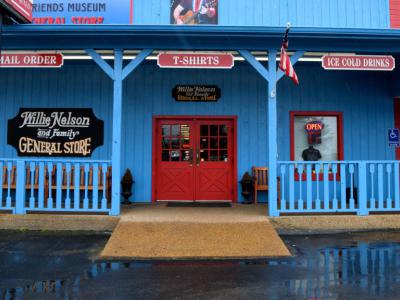
7) Willie Nelson and Friends Museum and Nashville Souvenirs
Located conveniently across the street from Opryland, the Willie Nelson and Friends Museum and Nashville Souvenirs stands as a prominent and captivating destination for visitors to Music City. Combining the allure of a souvenir store with the intrigue of a museum, this establishment pays homage to the iconic artist Willie Nelson while also celebrating the companions who played pivotal roles in shaping the modern form of country music.
As you step inside, you'll find yourself immersed in a world of music history and memorabilia. The museum section offers a captivating tour through the life and career of Willie Nelson, allowing visitors to gain a deeper understanding of his immense impact on the genre. Exhibits are carefully curated, showcasing a wide range of artifacts, including personal items, stage costumes, instruments, photographs, and awards. The museum doesn't limit itself to solely showcasing Willie Nelson's legacy; it also celebrates the artists and friends who influenced and collaborated with him throughout his career.
However, the experience doesn't end with the museum tour. Adjacent to the exhibition area, you'll discover the general store, which boasts an extensive selection of souvenirs and merchandise. Whether you're a die-hard Willie Nelson fan, a lover of country music, or simply seeking a unique keepsake from your time in Nashville, the store has something to offer everyone. From t-shirts and hats adorned with Willie Nelson's likeness to CDs, vinyl records, posters, and more, you'll find a treasure trove of memorabilia that embodies the spirit of Nashville and country music.
The Willie Nelson and Friends Museum and Nashville Souvenirs provides a one-of-a-kind experience that seamlessly blends education, entertainment, and the opportunity to bring home a piece of music history.
As you step inside, you'll find yourself immersed in a world of music history and memorabilia. The museum section offers a captivating tour through the life and career of Willie Nelson, allowing visitors to gain a deeper understanding of his immense impact on the genre. Exhibits are carefully curated, showcasing a wide range of artifacts, including personal items, stage costumes, instruments, photographs, and awards. The museum doesn't limit itself to solely showcasing Willie Nelson's legacy; it also celebrates the artists and friends who influenced and collaborated with him throughout his career.
However, the experience doesn't end with the museum tour. Adjacent to the exhibition area, you'll discover the general store, which boasts an extensive selection of souvenirs and merchandise. Whether you're a die-hard Willie Nelson fan, a lover of country music, or simply seeking a unique keepsake from your time in Nashville, the store has something to offer everyone. From t-shirts and hats adorned with Willie Nelson's likeness to CDs, vinyl records, posters, and more, you'll find a treasure trove of memorabilia that embodies the spirit of Nashville and country music.
The Willie Nelson and Friends Museum and Nashville Souvenirs provides a one-of-a-kind experience that seamlessly blends education, entertainment, and the opportunity to bring home a piece of music history.
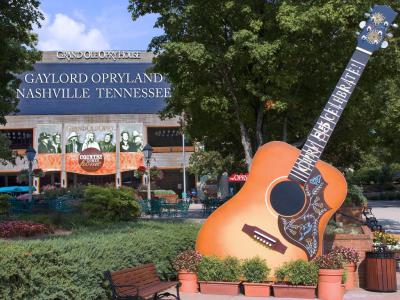
8) Grand Ole Opry House (must see)
The Grand Ole Opry, located in Nashville, is a true American icon and a cornerstone of country music. Founded in 1925, the Opry is the United States' longest-running radio broadcast and is renowned for introducing a wealth of talent to the national stage, including legends such as Hank Williams, Patsy Cline, and Johnny Cash.
Starting as a simple radio program named the "WSM Barn Dance," the Opry quickly grew in popularity, becoming a Nashville institution and helping to earn the city its nickname as "Music City, USA." Its weekly Saturday night shows have become a beloved tradition, bringing together fans from around the world to celebrate the best of country music.
Housed in the Grand Ole Opry House since 1974, the Opry offers a unique live music experience that blends a mix of new stars, superstars, and legends of country music. Unlike a typical concert, the Opry presents eight or more artists on each show, giving the audience a sample of each artist’s musical style.
The Grand Ole Opry also holds the distinction of being a live radio program. Listeners can still tune in on the Opry's home radio station, 650 AM WSM, to hear live performances, just as they did when the show began a century ago.
Visitors to the Opry House can take a backstage tour and get a behind-the-scenes look at the world's most famous country music venue. The tour guides visitors through the artists' entrance, the dressing rooms, and onto the stage itself, all while sharing stories from the Opry's rich history.
Whether you're a diehard country music fan or a casual listener, a visit to the Grand Ole Opry is a must when in Nashville. It's more than just a music venue; it's a piece of living history, carrying on the traditions of the past while showcasing the country music stars of today and tomorrow.
Tip:
If you take a tour, try to take the last one on the night of a show because then you can see the tour bus pull in, artists check in and go into their dressing rooms and warm up on stage.
Starting as a simple radio program named the "WSM Barn Dance," the Opry quickly grew in popularity, becoming a Nashville institution and helping to earn the city its nickname as "Music City, USA." Its weekly Saturday night shows have become a beloved tradition, bringing together fans from around the world to celebrate the best of country music.
Housed in the Grand Ole Opry House since 1974, the Opry offers a unique live music experience that blends a mix of new stars, superstars, and legends of country music. Unlike a typical concert, the Opry presents eight or more artists on each show, giving the audience a sample of each artist’s musical style.
The Grand Ole Opry also holds the distinction of being a live radio program. Listeners can still tune in on the Opry's home radio station, 650 AM WSM, to hear live performances, just as they did when the show began a century ago.
Visitors to the Opry House can take a backstage tour and get a behind-the-scenes look at the world's most famous country music venue. The tour guides visitors through the artists' entrance, the dressing rooms, and onto the stage itself, all while sharing stories from the Opry's rich history.
Whether you're a diehard country music fan or a casual listener, a visit to the Grand Ole Opry is a must when in Nashville. It's more than just a music venue; it's a piece of living history, carrying on the traditions of the past while showcasing the country music stars of today and tomorrow.
Tip:
If you take a tour, try to take the last one on the night of a show because then you can see the tour bus pull in, artists check in and go into their dressing rooms and warm up on stage.
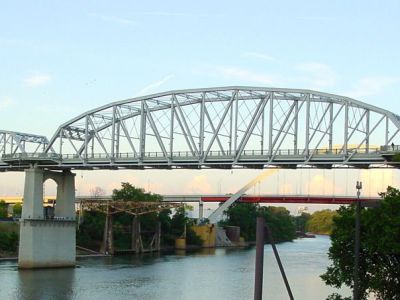
9) John Seigenthaler Pedestrian Bridge (must see)
The John Seigenthaler Pedestrian Bridge, previously known as the Shelby Street Bridge, is a landmark in Nashville. Constructed in 1909 and spanning the Cumberland River, it was one of the first bridges in the country designed exclusively for automobile traffic. However, today it serves as one of the most scenic pedestrian thoroughfares in the city.
The bridge was renamed in 2014 to honor John Seigenthaler, a notable figure in the Nashville community who served as editor and publisher of The Tennessean, was a founding editorial director of USA Today, and made significant contributions to the Civil Rights Movement.
Originally, this truss bridge was intended to connect downtown Nashville with East Nashville. However, after closing to vehicular traffic in 1998 due to structural concerns, it was preserved and renovated into a pedestrian bridge, reopening in 2003.
Spanning nearly 3,150 feet, the John Seigenthaler Pedestrian Bridge provides an outstanding vantage point for viewing the Nashville skyline and the Cumberland River. It is frequently used by pedestrians and cyclists and is a popular spot for tourist photos.
The bridge also serves as a gathering place for community events. It is part of the course for the Country Music Marathon and is a popular viewing area for Nashville’s Fourth of July fireworks display.
John Seigenthaler Pedestrian Bridge is a perfect place for enjoying a leisurely walk, a brisk jog, or simply taking in the stunning panoramic views of downtown Nashville.
The bridge was renamed in 2014 to honor John Seigenthaler, a notable figure in the Nashville community who served as editor and publisher of The Tennessean, was a founding editorial director of USA Today, and made significant contributions to the Civil Rights Movement.
Originally, this truss bridge was intended to connect downtown Nashville with East Nashville. However, after closing to vehicular traffic in 1998 due to structural concerns, it was preserved and renovated into a pedestrian bridge, reopening in 2003.
Spanning nearly 3,150 feet, the John Seigenthaler Pedestrian Bridge provides an outstanding vantage point for viewing the Nashville skyline and the Cumberland River. It is frequently used by pedestrians and cyclists and is a popular spot for tourist photos.
The bridge also serves as a gathering place for community events. It is part of the course for the Country Music Marathon and is a popular viewing area for Nashville’s Fourth of July fireworks display.
John Seigenthaler Pedestrian Bridge is a perfect place for enjoying a leisurely walk, a brisk jog, or simply taking in the stunning panoramic views of downtown Nashville.
10) Music City Walk of Fame
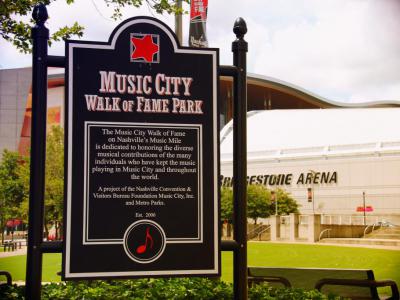
Across the street from the Country Music Hall of Fame & Museum, you can experience another of the popular tourist attractions in Nashville, established in 2006 to honor significant contributors the city's musical heritage and significant achievements in the music industry. Each honoree is commemorated with a large stainless steel and terrazzo star embedded in the sidewalk in Walk of Fame Park, which is located between the Country Music Hall of Fame, Bridgestone Arena and Schermerhorn Symphony Center.
Honorees are inducted twice annually, in the spring and fall. The first inductees were Reba McEntire, Ronnie Milsap, Kenneth Schermerhorn, The Fisk Jubilee Singers, Boudleaux and Felice Bryant, and Roy Orbison. Look for your favorites, from Kris Kristofferson to Loretta Lynn to Johnny Cash to Elvis Presley to Hank Williams to Eddy Arnold to Little Jimmy Dickens to Ernest Tubb to Kenny Rogers. The walk is free and brings back a lot of memories.
Honorees are inducted twice annually, in the spring and fall. The first inductees were Reba McEntire, Ronnie Milsap, Kenneth Schermerhorn, The Fisk Jubilee Singers, Boudleaux and Felice Bryant, and Roy Orbison. Look for your favorites, from Kris Kristofferson to Loretta Lynn to Johnny Cash to Elvis Presley to Hank Williams to Eddy Arnold to Little Jimmy Dickens to Ernest Tubb to Kenny Rogers. The walk is free and brings back a lot of memories.
