

Audio Guide: Walking Through Lille's Old Town (Self Guided), Lille
Often called France’s “Capital of Flanders,” Lille and its surroundings belong to the historic region of Romance Flanders. Legend has it that, in AD 620, Salvaert, Prince of Dijon, was passing through the region with his pregnant wife when he was attacked and killed by Phinaert, a local lord known as the Giant. Years later, his son, Lydéric, avenged his father by killing Phinaert and is said to have founded Lille in AD 640.
The name “Lille” derives from the Old French word “l’Isle”, meaning “island.” It refers to the city’s beginnings on an island amid the marshes of the Deûle River.
A historic garrison town, as demonstrated by its formidable Citadel, Lille has experienced an eventful history from the Middle Ages onward. Frequently besieged over the centuries, it belonged successively to the County of Flanders, the Burgundian Netherlands, the Habsburg Netherlands, and the Spanish Netherlands. In 1668, Lille was formally incorporated into the Kingdom of France under Louis XIV. The city was besieged again in 1792, during the War of the First Coalition, and occupied in both 1914 and 1940. It suffered considerable hardship and destruction during the two world wars of the 20th century.
A merchant city from its earliest days and a manufacturing center since the 16th century, Lille prospered during the Industrial Revolution, particularly through its textile and engineering industries. The industrial decline that began in the 1960s prompted an extensive economic and urban transformation during the late 20th century, giving the city an entirely new character.
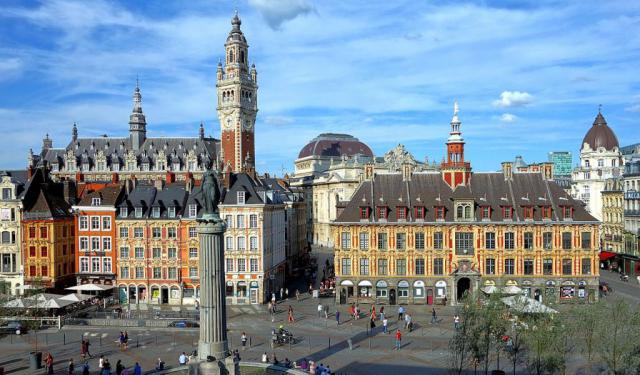
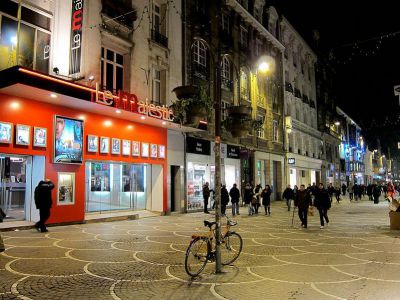
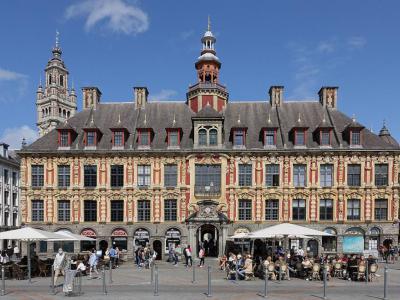
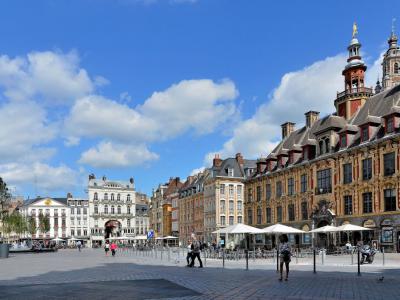
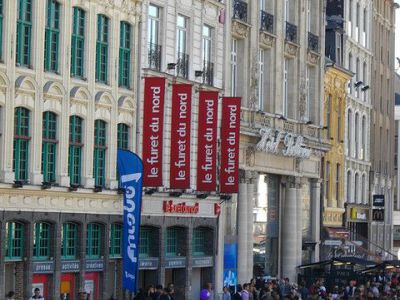
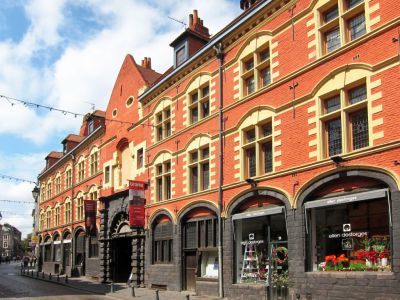
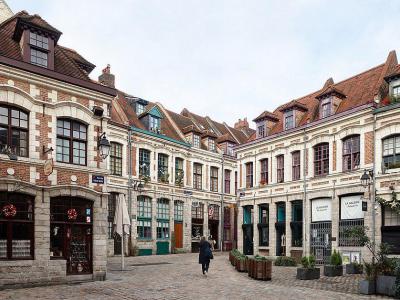
Lille’s historic center, known as Vieux-Lille, is characterized by 17th-century red-brick townhouses, colorful Flemish façades, and paved pedestrian streets. The heart of the city is the General de Gaulle Square, which is surrounded by ornate buildings. Nearby stands the Ferrets of the North Bookstore, one of Europe’s largest bookstores.
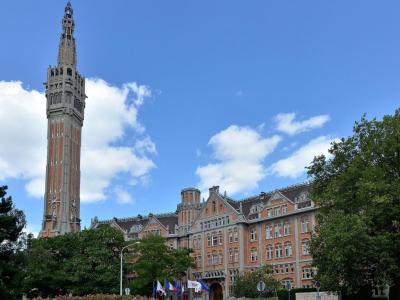
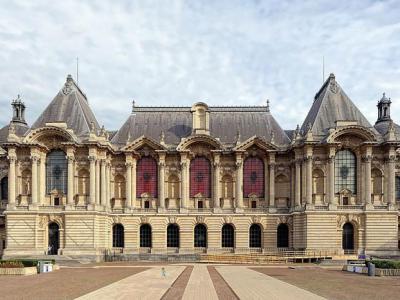
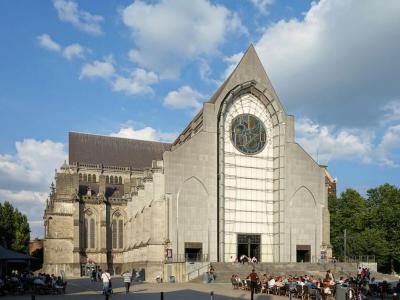
The belfry of Lille City Hall is included among the Belfries of Belgium and France, a UNESCO World Heritage Site. Art enthusiasts will appreciate the Palace of Fine Arts, which houses an impressive collection of European paintings, sculptures, antiquities, and decorative arts. Another major landmark is Cathedral of Our Lady of the Treille, an unusual Gothic Revival building whose construction extended from the 19th century into the late 20th century.
Lille effortlessly combines its storied past with a lively contemporary atmosphere. So, set out to explore its Flemish façades, grand squares, and winding streets-and discover the many layers of Lille for yourself.
The name “Lille” derives from the Old French word “l’Isle”, meaning “island.” It refers to the city’s beginnings on an island amid the marshes of the Deûle River.
A historic garrison town, as demonstrated by its formidable Citadel, Lille has experienced an eventful history from the Middle Ages onward. Frequently besieged over the centuries, it belonged successively to the County of Flanders, the Burgundian Netherlands, the Habsburg Netherlands, and the Spanish Netherlands. In 1668, Lille was formally incorporated into the Kingdom of France under Louis XIV. The city was besieged again in 1792, during the War of the First Coalition, and occupied in both 1914 and 1940. It suffered considerable hardship and destruction during the two world wars of the 20th century.
A merchant city from its earliest days and a manufacturing center since the 16th century, Lille prospered during the Industrial Revolution, particularly through its textile and engineering industries. The industrial decline that began in the 1960s prompted an extensive economic and urban transformation during the late 20th century, giving the city an entirely new character.
Lille’s historic center, known as Vieux-Lille, is characterized by 17th-century red-brick townhouses, colorful Flemish façades, and paved pedestrian streets. The heart of the city is the General de Gaulle Square, which is surrounded by ornate buildings. Nearby stands the Ferrets of the North Bookstore, one of Europe’s largest bookstores.
The belfry of Lille City Hall is included among the Belfries of Belgium and France, a UNESCO World Heritage Site. Art enthusiasts will appreciate the Palace of Fine Arts, which houses an impressive collection of European paintings, sculptures, antiquities, and decorative arts. Another major landmark is Cathedral of Our Lady of the Treille, an unusual Gothic Revival building whose construction extended from the 19th century into the late 20th century.
Lille effortlessly combines its storied past with a lively contemporary atmosphere. So, set out to explore its Flemish façades, grand squares, and winding streets-and discover the many layers of Lille for yourself.
How it works: Download the app "GPSmyCity: Walks in 1K+ Cities" from Apple App Store or Google Play Store to your mobile phone or tablet. The app turns your mobile device into a personal tour guide and its built-in GPS navigation functions guide you from one tour stop to next. The app works offline, so no data plan is needed when traveling abroad.
Download The GPSmyCity App



Walking Through Lille's Old Town Map
Guide Name: Walking Through Lille's Old Town
Guide Location: France » Lille (See other walking tours in Lille)
Guide Type: Self-guided Walking Tour (Sightseeing)
Tour Duration: 2 Hours
Travel Distance: 4 Km or 2.5 Miles
Tour Best Suited For: First-time visit
Guide Location: France » Lille (See other walking tours in Lille)
Guide Type: Self-guided Walking Tour (Sightseeing)
Tour Duration: 2 Hours
Travel Distance: 4 Km or 2.5 Miles
Tour Best Suited For: First-time visit
Sights Featured in This Walk
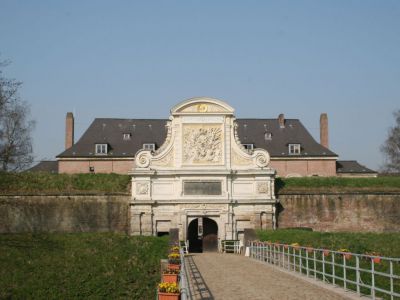
Walking Tours in Lille, France

Create Your Own Walk in Lille
Creating your own self-guided walk in Lille is easy and fun. Choose the city attractions that you want to see and a walk route map will be created just for you. You can even set your hotel as the start point of the walk.
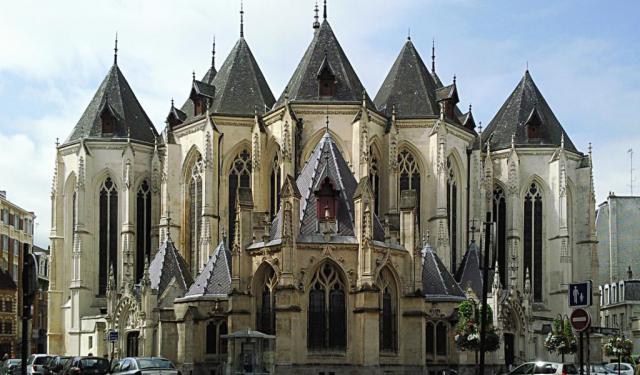
Lille's Historical Buildings Tour
Historically, Lille's architecture differs from that of other French cities. Prior to being invaded by Louis XIV in 1667, Lille was Flemish, which is evident in its red-brick and other structures, quite uncommon for the rest of France.
Among many things, Lille is reputed for its fabulous historic center, abounding in time-honored buildings, palaces, and churches, offering a great deal of... view more
Tour Duration: 2 Hours
Travel Distance: 3.7 Km or 2.3 Miles
Among many things, Lille is reputed for its fabulous historic center, abounding in time-honored buildings, palaces, and churches, offering a great deal of... view more
Tour Duration: 2 Hours
Travel Distance: 3.7 Km or 2.3 Miles