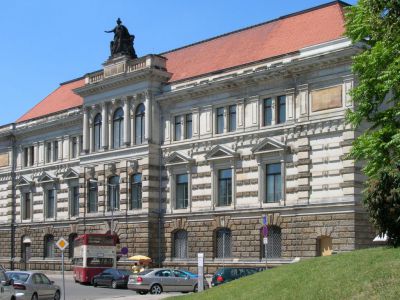


Albertinum, Dresden
The Albertinum in Dresden is a distinguished fine arts museum that bears a rich historical legacy, intertwined with the cultural fabric of Saxony. Named after King Albert of Saxony, the museum stands as a monumental repository of art and sculpture, originally rooted in the collections of Saxon Elector, August the Strong. These collections included an extensive array of paintings, graphics, coins, and sculptures that laid the foundational exhibits of the Albertinum.
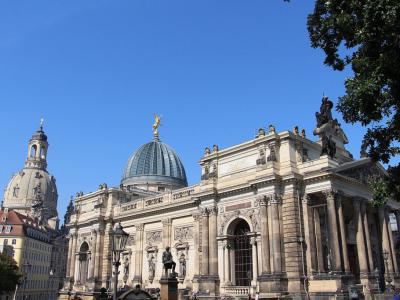
Built between 1884 and 1887 under Carl Adolf Canzler, the Albertinum originally served as an art repository and archive. Throughout its history, it faced numerous challenges, including significant damage during the 1945 bombings, requiring a rebuild in 1953, and severe flooding in 2004 from the River Elbe. A notable auction by 40 German contemporary artists raised funds for its restoration, which not only repaired the building but also modernized it with flood-proofing and a new courtyard while maintaining the original façade.
Today, the Albertinum houses four major collections. The coin collection is particularly notable, featuring over 20,000 items including coins, medals, seals, and seal impressions, with many pieces minted in Saxony, reflecting the region's rich numismatic history. The upper floors of the museum are dedicated to paintings by both old and modern masters. The gallery of old masters showcases works from the Romantic, Biedermeier, and Realist periods. Notably, while many modern works were lost during Nazi rule through sales and withdrawals, the museum has successfully rebuilt a significant collection of post-war modern art.
Additionally, the print cabinet holds an impressive collection of over 180,000 sheets, consisting of graphics and watercolors by European artists dating back to the 15th century. The sculpture collection at the Albertinum is equally vast, including remarkable pieces such as the marble reproductions of the Lemnian Athena by Adolf Furtwängler.
The Albertinum not only stands as a beacon of cultural heritage in Dresden but also as a testament to resilience and renewal in the face of historical trials, continuously evolving to maintain and expand its rich artistic legacy.
Built between 1884 and 1887 under Carl Adolf Canzler, the Albertinum originally served as an art repository and archive. Throughout its history, it faced numerous challenges, including significant damage during the 1945 bombings, requiring a rebuild in 1953, and severe flooding in 2004 from the River Elbe. A notable auction by 40 German contemporary artists raised funds for its restoration, which not only repaired the building but also modernized it with flood-proofing and a new courtyard while maintaining the original façade.
Today, the Albertinum houses four major collections. The coin collection is particularly notable, featuring over 20,000 items including coins, medals, seals, and seal impressions, with many pieces minted in Saxony, reflecting the region's rich numismatic history. The upper floors of the museum are dedicated to paintings by both old and modern masters. The gallery of old masters showcases works from the Romantic, Biedermeier, and Realist periods. Notably, while many modern works were lost during Nazi rule through sales and withdrawals, the museum has successfully rebuilt a significant collection of post-war modern art.
Additionally, the print cabinet holds an impressive collection of over 180,000 sheets, consisting of graphics and watercolors by European artists dating back to the 15th century. The sculpture collection at the Albertinum is equally vast, including remarkable pieces such as the marble reproductions of the Lemnian Athena by Adolf Furtwängler.
The Albertinum not only stands as a beacon of cultural heritage in Dresden but also as a testament to resilience and renewal in the face of historical trials, continuously evolving to maintain and expand its rich artistic legacy.
Want to visit this sight? Check out these Self-Guided Walking Tours in Dresden. Alternatively, you can download the mobile app "GPSmyCity: Walks in 1K+ Cities" from Apple App Store or Google Play Store. The app turns your mobile device to a personal tour guide and it works offline, so no data plan is needed when traveling abroad.
Download The GPSmyCity App



Albertinum on Map
Sight Name: Albertinum
Sight Location: Dresden, Germany (See walking tours in Dresden)
Sight Type: Museum/Gallery
Sight Location: Dresden, Germany (See walking tours in Dresden)
Sight Type: Museum/Gallery
Nearby Sights
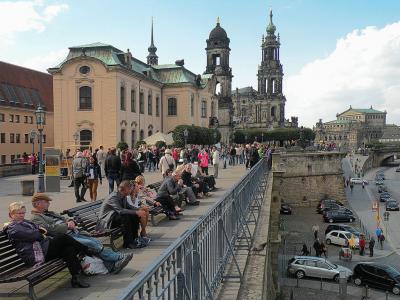
Walking Tours in Dresden, Germany

Create Your Own Walk in Dresden
Creating your own self-guided walk in Dresden is easy and fun. Choose the city attractions that you want to see and a walk route map will be created just for you. You can even set your hotel as the start point of the walk.
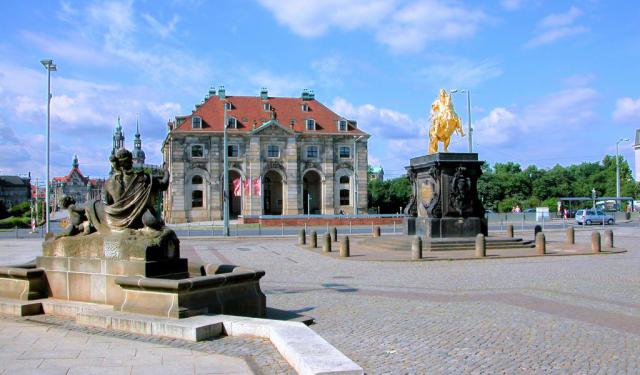
Exploring Dresden New Town on Foot
Dresden’s New Town occupies the northern bank of the Elbe, directly opposite the historic Old Town. Despite its name, it is far from new. The area was settled in the Middle Ages and was historically known as Old Dresden. It was incorporated into Dresden in 1549 under Elector Moritz but remained a relatively modest settlement for centuries compared with the more prestigious city on the opposite... view more
Tour Duration: 1 Hour(s)
Travel Distance: 2.2 Km or 1.4 Miles
Tour Duration: 1 Hour(s)
Travel Distance: 2.2 Km or 1.4 Miles
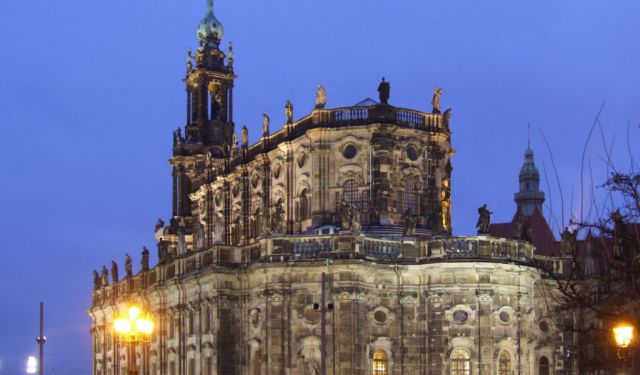
Dresden's Architectural Jewels
If there is one thing Dresden is particularly famous for, it is the magnificent architecture. Although known primarily for its Baroque buildings, the city has several other architectural styles present too, such as Renaissance, Historicism, Modernism and Post-modernism.
Much of downtown Dresden was destroyed in February 1945 by Allied bombing, which in turn prompted the rebuilding of the... view more
Tour Duration: 1 Hour(s)
Travel Distance: 1.9 Km or 1.2 Miles
Much of downtown Dresden was destroyed in February 1945 by Allied bombing, which in turn prompted the rebuilding of the... view more
Tour Duration: 1 Hour(s)
Travel Distance: 1.9 Km or 1.2 Miles
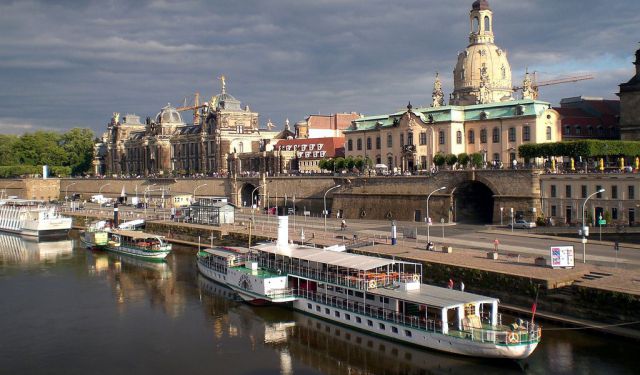
A Walk Through Dresden's Historic Old Town
Dresden’s reputation as a city of art and architecture has earned it the nickname “Florence on the Elbe.”
Dresden, the capital of Saxony, lies on the banks of the River Elbe in eastern Germany. The area may have been settled by Neolithic communities as early as 7500 BC, but Dresden’s documented history begins much later. The city developed within the Margraviate of Meissen, a territory... view more
Tour Duration: 2 Hour(s)
Travel Distance: 2.5 Km or 1.6 Miles
Dresden, the capital of Saxony, lies on the banks of the River Elbe in eastern Germany. The area may have been settled by Neolithic communities as early as 7500 BC, but Dresden’s documented history begins much later. The city developed within the Margraviate of Meissen, a territory... view more
Tour Duration: 2 Hour(s)
Travel Distance: 2.5 Km or 1.6 Miles