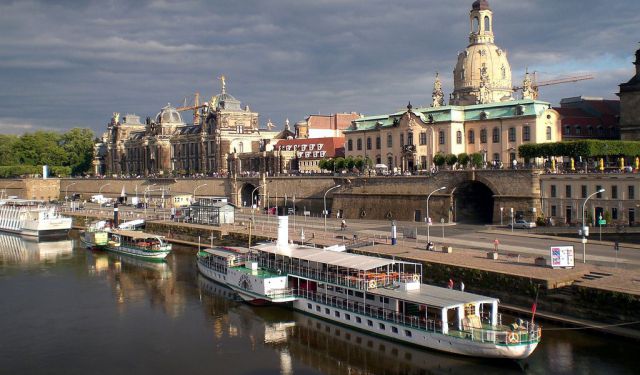


Dresden Introduction Walking Tour (Self Guided), Dresden
Dresden was likely settled on the banks of the River Elbe by Neolithic tribes as far back as 7,500 BC. But it also has a long and storied history as the long-time capital of Saxony. The Electors and Kings lived here for centuries, appointing the city with every cultural and artistic treasure.
Its modern form--and its name--comes from early Germanic people, who expanded East to mine the Ore Mountains. The Margraviate of Meissen, a territory of the Holy Roman Empire, was here. Dresden became its capital in 1270, the name deriving from an Old Sorbian word meaning "people of the forest" or "dense forest."
Dresden became the capital of Saxony around 1500. In 1697, King Augustus II the Strong began bringing many of Europe's best artists and musicians to the city, thus beginning the city's emergency as a cultural center.
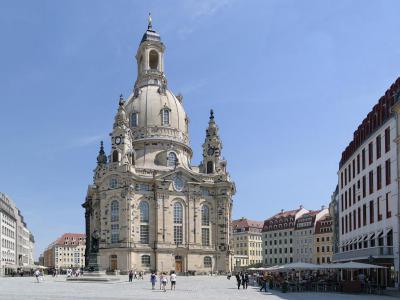
Many of the baroque landmarks you will see were built during this period, including Church of Our Lady and the Zwinger Royal Palace. Augustus also rebuilt the Dresden Castle. You can get a feel for the history of Saxony and the Kings that ruled it at the Procession of Princes.
The city was bombed heavily by the Allied Forces during World War II. The bombings leveled the inner city.
The Soviet Red Army occupied the city after the war. The overall economic situation of East Germany meant that not much rebuilding occurred. In fact, the city was so heavily damaged from the war that it took until 1977 before the last of the debris clearance teams had finished.
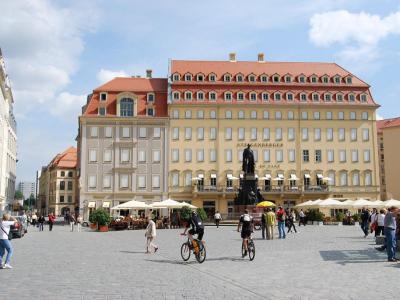
Dresden did, however, become a major industrial center for the East Germany. Thankfully, since reunification in the early 1990s, the city has seen a boom in reconstruction. Many renewals and reconstructions you'll see, such as New Market Square and the restored Church of Our Lady, have occurred since.
Today, the city is a beautiful modern Germany city--full of fascinating history and tastes of Europe. Join us as we stroll the streets and catch the best sights.
Its modern form--and its name--comes from early Germanic people, who expanded East to mine the Ore Mountains. The Margraviate of Meissen, a territory of the Holy Roman Empire, was here. Dresden became its capital in 1270, the name deriving from an Old Sorbian word meaning "people of the forest" or "dense forest."
Dresden became the capital of Saxony around 1500. In 1697, King Augustus II the Strong began bringing many of Europe's best artists and musicians to the city, thus beginning the city's emergency as a cultural center.
Many of the baroque landmarks you will see were built during this period, including Church of Our Lady and the Zwinger Royal Palace. Augustus also rebuilt the Dresden Castle. You can get a feel for the history of Saxony and the Kings that ruled it at the Procession of Princes.
The city was bombed heavily by the Allied Forces during World War II. The bombings leveled the inner city.
The Soviet Red Army occupied the city after the war. The overall economic situation of East Germany meant that not much rebuilding occurred. In fact, the city was so heavily damaged from the war that it took until 1977 before the last of the debris clearance teams had finished.
Dresden did, however, become a major industrial center for the East Germany. Thankfully, since reunification in the early 1990s, the city has seen a boom in reconstruction. Many renewals and reconstructions you'll see, such as New Market Square and the restored Church of Our Lady, have occurred since.
Today, the city is a beautiful modern Germany city--full of fascinating history and tastes of Europe. Join us as we stroll the streets and catch the best sights.
How it works: Download the app "GPSmyCity: Walks in 1K+ Cities" from Apple App Store or Google Play Store to your mobile phone or tablet. The app turns your mobile device into a personal tour guide and its built-in GPS navigation functions guide you from one tour stop to next. The app works offline, so no data plan is needed when traveling abroad.
Download The GPSmyCity App



Dresden Introduction Walking Tour Map
Guide Name: Dresden Introduction Walking Tour
Guide Location: Germany » Dresden (See other walking tours in Dresden)
Guide Type: Self-guided Walking Tour (Sightseeing)
Tour Duration: 2 Hour(s)
Travel Distance: 2.5 Km or 1.6 Miles
Guide Location: Germany » Dresden (See other walking tours in Dresden)
Guide Type: Self-guided Walking Tour (Sightseeing)
Tour Duration: 2 Hour(s)
Travel Distance: 2.5 Km or 1.6 Miles
Sights Featured in This Walk
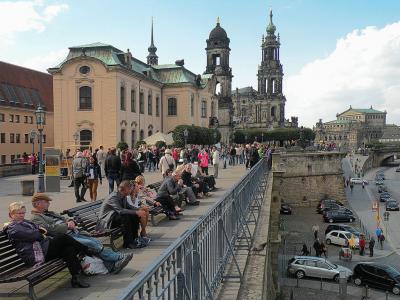
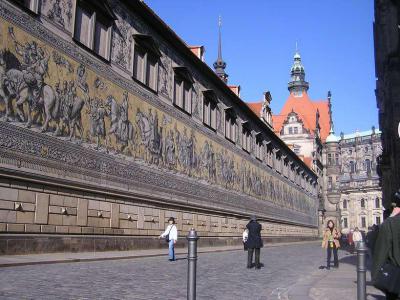
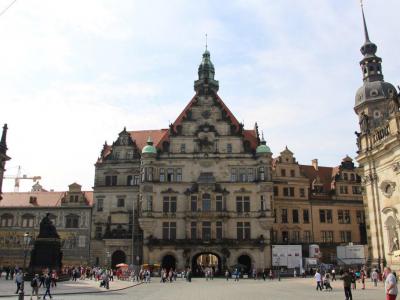
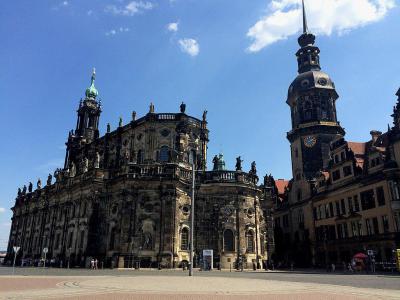
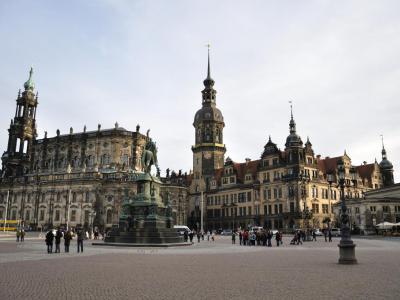
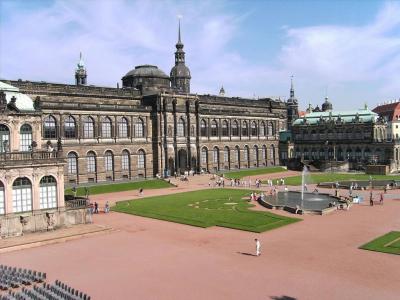
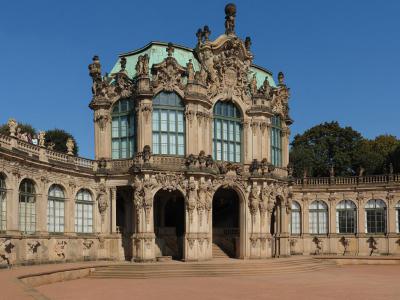
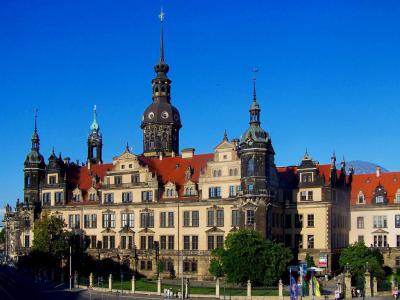
10) Dresden Castle (must see)
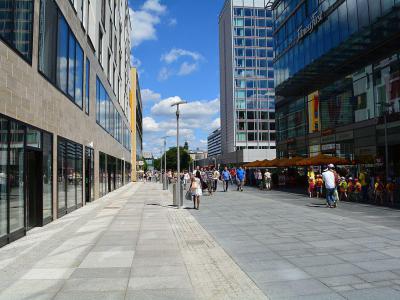
Walking Tours in Dresden, Germany

Create Your Own Walk in Dresden
Creating your own self-guided walk in Dresden is easy and fun. Choose the city attractions that you want to see and a walk route map will be created just for you. You can even set your hotel as the start point of the walk.
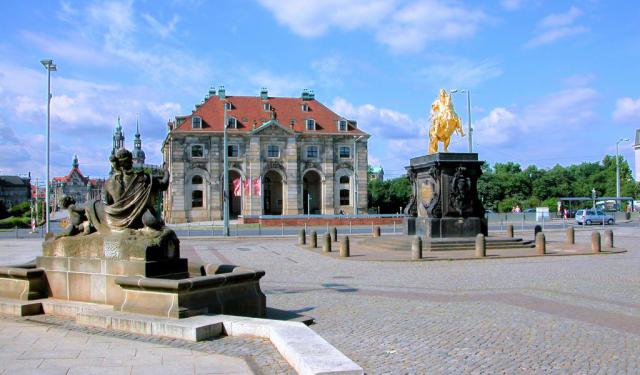
Dresden New Town Walk
The Neustadt (New Town) of Dresden is a central district located on the north bank of the Elbe. Despite the name, this part of the city is not at all new and has been inhabited for as long as the Old Town on the opposite side of the river. Its “novelty” derives from "Neue Königliche Stadt" (New Royal Town), which is the title given to the area, formerly the district of Altendresden,... view more
Tour Duration: 1 Hour(s)
Travel Distance: 2.2 Km or 1.4 Miles
Tour Duration: 1 Hour(s)
Travel Distance: 2.2 Km or 1.4 Miles
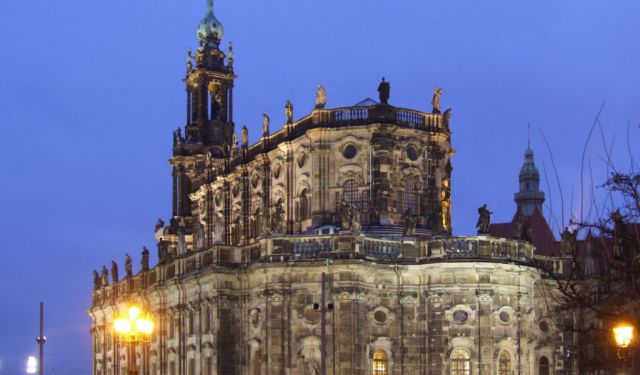
Dresden's Architectural Jewels
If there is one thing Dresden is particularly famous for, it is the magnificent architecture. Although known primarily for its Baroque buildings, the city has several other architectural styles present too, such as Renaissance, Historicism, Modernism and Post-modernism.
Much of downtown Dresden was destroyed in February 1945 by Allied bombing, which in turn prompted the rebuilding of the... view more
Tour Duration: 1 Hour(s)
Travel Distance: 1.9 Km or 1.2 Miles
Much of downtown Dresden was destroyed in February 1945 by Allied bombing, which in turn prompted the rebuilding of the... view more
Tour Duration: 1 Hour(s)
Travel Distance: 1.9 Km or 1.2 Miles
The Most Popular Cities
/ view all