

Audio Guide: Hiroshima Peace Memorial Tour (Self Guided), Hiroshima
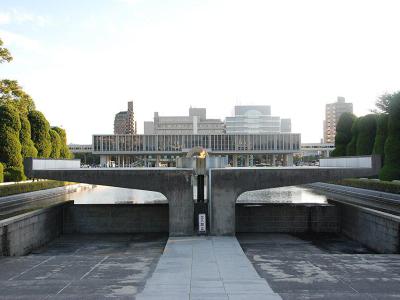
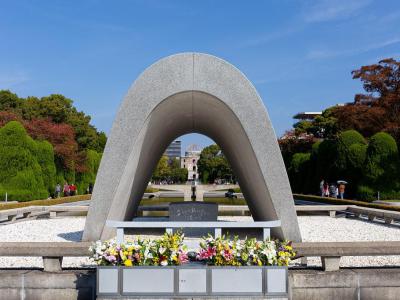
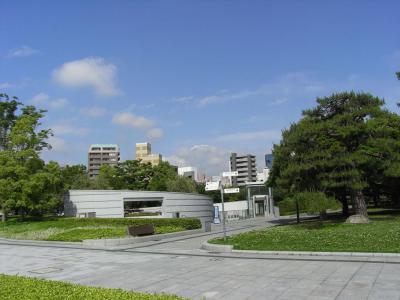
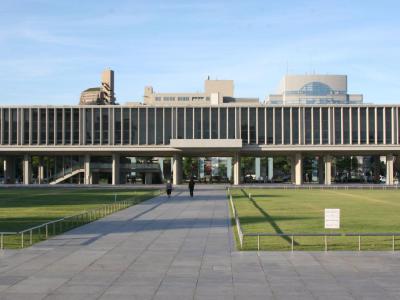
Hiroshima Peace Memorial Park stands as a solemn testament to one of the darkest chapters in human history. It is a haunting reminder of the catastrophic consequences of nuclear warfare during the Second World War. Its grounds, marked by deeply moving memorials, bear witness to the immense suffering and loss caused by the atomic bombing of Hiroshima on August 6, 1945.
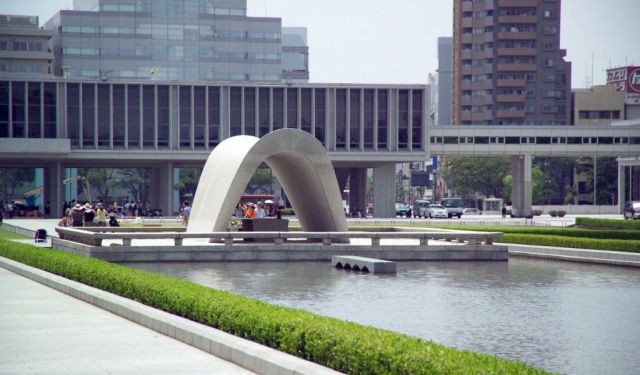
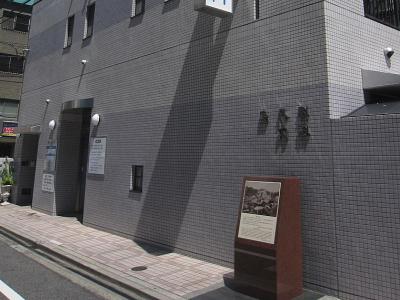
Among the most significant sites is the hypocenter, often referred to as Ground Zero, which marks the point directly beneath the bomb’s detonation and the center of the unprecedented destruction that followed.
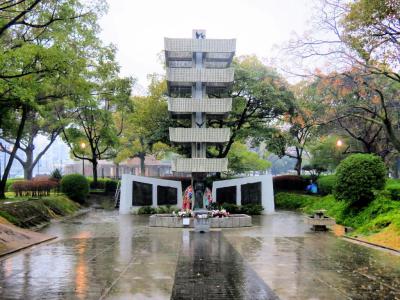
The Memorial Tower to the Mobilized Students pays tribute to the thousands of young people who were assigned to wartime labor and lost their lives in the bombing, becoming victims of a conflict they had not chosen.
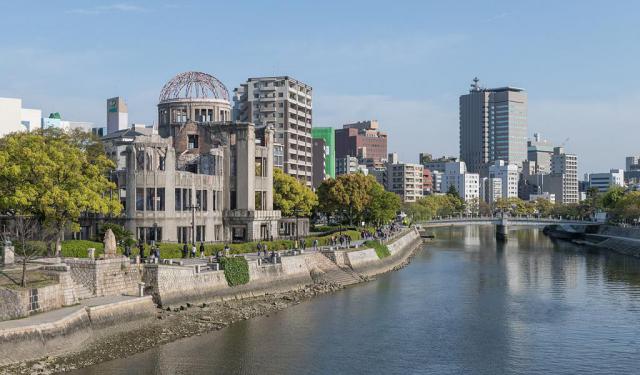
The iconic Atomic Bomb Dome is the surviving shell of the former Hiroshima Prefectural Industrial Promotion Hall. Its haunting silhouette has been carefully preserved in its ruined state as a powerful symbol of both devastation and resilience.
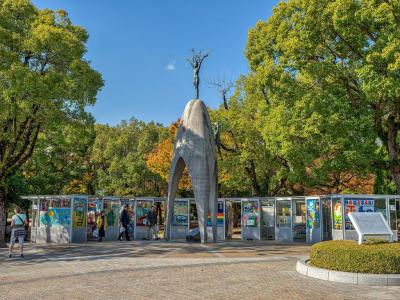
Nearby, the Children’s Peace Monument depicts a young girl holding a paper crane above her head. Inspired by Sadako Sasaki, who developed leukemia after being exposed to radiation from the bombing, the monument commemorates the children who died as a result of the attack and expresses a shared hope for a world free from war and suffering.
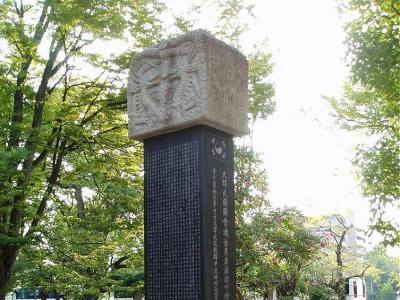
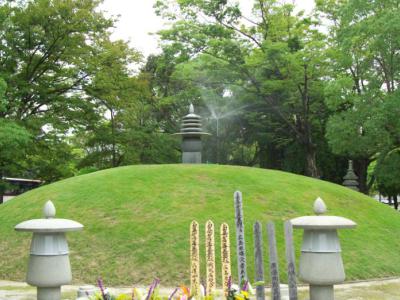
The Cenotaph for Korean Victims acknowledges the many Koreans who died in the bombing, while the Atomic Bomb Memorial Mound contains the ashes of thousands of unidentified victims. Although many of their individual stories have been lost, their remains are honored within this sacred ground.
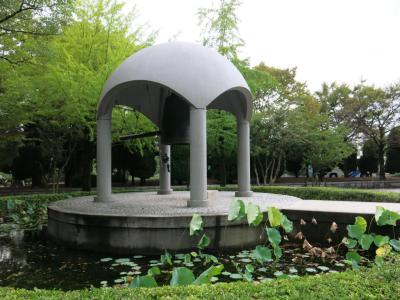
Echoes of remembrance resound through the Peace Bell, which visitors are invited to ring, while the Flame of Peace burns as a fragile but enduring beacon of hope. The flame is intended to remain alight until all nuclear weapons have disappeared from the world.
Hiroshima Peace Memorial Park serves as an enduring tribute to the unfathomable suffering caused by the bombing. It is a place of solemn reflection where the wounds of history are remembered and where healing continues. As we contemplate the past, we should also heed the park’s call to action: to work tirelessly toward a world that rejects nuclear weapons and embraces dialogue, cooperation, and lasting peace.
Among the most significant sites is the hypocenter, often referred to as Ground Zero, which marks the point directly beneath the bomb’s detonation and the center of the unprecedented destruction that followed.
The Memorial Tower to the Mobilized Students pays tribute to the thousands of young people who were assigned to wartime labor and lost their lives in the bombing, becoming victims of a conflict they had not chosen.
The iconic Atomic Bomb Dome is the surviving shell of the former Hiroshima Prefectural Industrial Promotion Hall. Its haunting silhouette has been carefully preserved in its ruined state as a powerful symbol of both devastation and resilience.
Nearby, the Children’s Peace Monument depicts a young girl holding a paper crane above her head. Inspired by Sadako Sasaki, who developed leukemia after being exposed to radiation from the bombing, the monument commemorates the children who died as a result of the attack and expresses a shared hope for a world free from war and suffering.
The Cenotaph for Korean Victims acknowledges the many Koreans who died in the bombing, while the Atomic Bomb Memorial Mound contains the ashes of thousands of unidentified victims. Although many of their individual stories have been lost, their remains are honored within this sacred ground.
Echoes of remembrance resound through the Peace Bell, which visitors are invited to ring, while the Flame of Peace burns as a fragile but enduring beacon of hope. The flame is intended to remain alight until all nuclear weapons have disappeared from the world.
Hiroshima Peace Memorial Park serves as an enduring tribute to the unfathomable suffering caused by the bombing. It is a place of solemn reflection where the wounds of history are remembered and where healing continues. As we contemplate the past, we should also heed the park’s call to action: to work tirelessly toward a world that rejects nuclear weapons and embraces dialogue, cooperation, and lasting peace.
How it works: Download the app "GPSmyCity: Walks in 1K+ Cities" from Apple App Store or Google Play Store to your mobile phone or tablet. The app turns your mobile device into a personal tour guide and its built-in GPS navigation functions guide you from one tour stop to next. The app works offline, so no data plan is needed when traveling abroad.
Download The GPSmyCity App



Hiroshima Peace Memorial Tour Map
Guide Name: Hiroshima Peace Memorial Tour
Guide Location: Japan » Hiroshima (See other walking tours in Hiroshima)
Guide Type: Self-guided Walking Tour (Sightseeing)
Tour Duration: 1 Hour
Travel Distance: 1.2 Km or 0.7 Miles
Tour Best Suited For: Archtecture buffs
Guide Location: Japan » Hiroshima (See other walking tours in Hiroshima)
Guide Type: Self-guided Walking Tour (Sightseeing)
Tour Duration: 1 Hour
Travel Distance: 1.2 Km or 0.7 Miles
Tour Best Suited For: Archtecture buffs
Sights Featured in This Walk
3
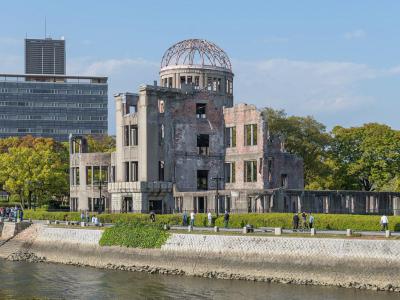
3) Atomic Bomb Dome (must see)
Walking Tours in Hiroshima, Japan

Create Your Own Walk in Hiroshima
Creating your own self-guided walk in Hiroshima is easy and fun. Choose the city attractions that you want to see and a walk route map will be created just for you. You can even set your hotel as the start point of the walk.
A Walk Through Hiroshima Downtown
Hiroshima is a major city in southwestern Japan, situated on the broad delta formed by the Ōta River. Its name combines the kanji hiro, meaning “wide” or “broad,” and shima, meaning “island.”
Hiroshima's history began in 1589, when the powerful feudal lord Mōri Terumoto established it as a castle town. At its center rose Hiroshima Castle, whose elegant reconstruction now... view more
Tour Duration: 2 Hours
Travel Distance: 3.8 Km or 2.4 Miles
Hiroshima's history began in 1589, when the powerful feudal lord Mōri Terumoto established it as a castle town. At its center rose Hiroshima Castle, whose elegant reconstruction now... view more
Tour Duration: 2 Hours
Travel Distance: 3.8 Km or 2.4 Miles
City Walks Overview
