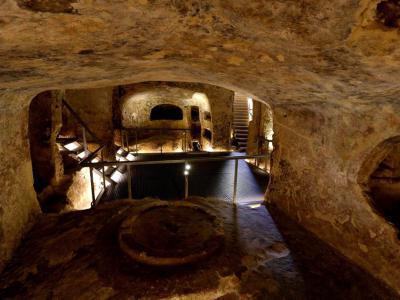


Catacombs of Saint Paul, Mdina
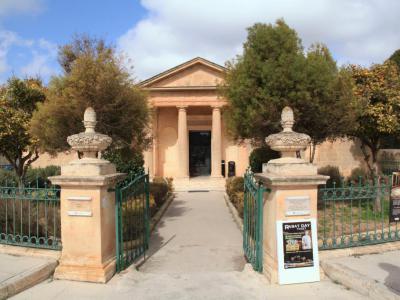
The Catacombs of Saint Paul form the largest complex of underground Roman cemeteries in Malta and provide fascinating evidence of the island’s early Christian history. Located in Rabat, just outside the ancient Roman city of Melite, the catacombs developed from earlier Punic and Roman tombs, with the main burial complex dating from around the 3rd century AD. They remained in use until the 7th or possibly 8th century.
The site consists of more than 30 underground burial complexes, with the main network covering over 2,000 square metres. Their location outside ancient Melite reflects Roman customs and laws that generally required burials to take place beyond inhabited areas. Descend beneath the streets of Rabat to explore a labyrinth of galleries, chambers and remarkably well-preserved rock-cut tombs. Christian, Jewish and polytheistic burial traditions have all been identified in the wider cemetery, providing valuable insights into the diverse society and burial customs of ancient Malta.
Among the most interesting features are the baldacchino tombs, carved from the living rock, traces of ancient decoration and two circular stone tables known as agape tables, probably used during commemorative meals held in honour of the dead.
According to local tradition, Saint Paul sought refuge here following his shipwreck in Malta. However, there is no archaeological evidence that he actually used the catacombs, and their association with him developed through their proximity to Saint Paul’s Grotto.
The site consists of more than 30 underground burial complexes, with the main network covering over 2,000 square metres. Their location outside ancient Melite reflects Roman customs and laws that generally required burials to take place beyond inhabited areas. Descend beneath the streets of Rabat to explore a labyrinth of galleries, chambers and remarkably well-preserved rock-cut tombs. Christian, Jewish and polytheistic burial traditions have all been identified in the wider cemetery, providing valuable insights into the diverse society and burial customs of ancient Malta.
Among the most interesting features are the baldacchino tombs, carved from the living rock, traces of ancient decoration and two circular stone tables known as agape tables, probably used during commemorative meals held in honour of the dead.
According to local tradition, Saint Paul sought refuge here following his shipwreck in Malta. However, there is no archaeological evidence that he actually used the catacombs, and their association with him developed through their proximity to Saint Paul’s Grotto.
Want to visit this sight? Check out these Self-Guided Walking Tours in Mdina. Alternatively, you can download the mobile app "GPSmyCity: Walks in 1K+ Cities" from Apple App Store or Google Play Store. The app turns your mobile device to a personal tour guide and it works offline, so no data plan is needed when traveling abroad.
Download The GPSmyCity App



Catacombs of Saint Paul on Map
Sight Name: Catacombs of Saint Paul
Sight Location: Mdina, Malta (See walking tours in Mdina)
Sight Type: Attraction/Landmark
Guide(s) Containing This Sight:
Sight Location: Mdina, Malta (See walking tours in Mdina)
Sight Type: Attraction/Landmark
Guide(s) Containing This Sight:
Nearby Sights
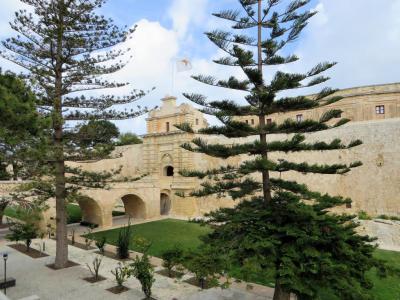


Walking Tours in Mdina, Malta

Create Your Own Walk in Mdina
Creating your own self-guided walk in Mdina is easy and fun. Choose the city attractions that you want to see and a walk route map will be created just for you. You can even set your hotel as the start point of the walk.
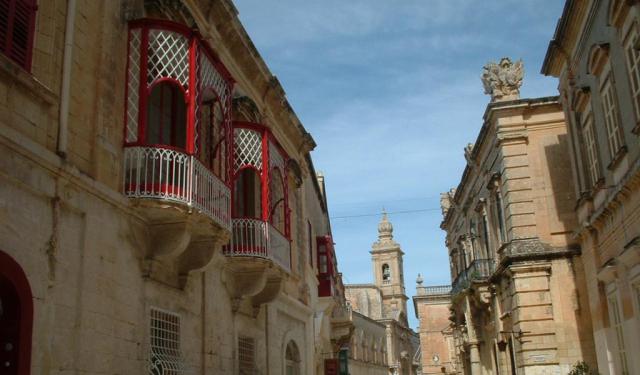
Mdina Introduction Walking Tour
A picturesque walled city in the heart of Malta, Mdina is a true gem of the Mediterranean, perched atop a hill overlooking much of the country.
Mdina’s history spans almost 3,000 years, making it one of Europe’s oldest continuously inhabited cities. Originally settled by the Phoenicians around the 8th century BC, it has been inhabited by various civilisations, including the Romans,... view more
Tour Duration: 2 Hour(s)
Travel Distance: 0.8 Km or 0.5 Miles
Mdina’s history spans almost 3,000 years, making it one of Europe’s oldest continuously inhabited cities. Originally settled by the Phoenicians around the 8th century BC, it has been inhabited by various civilisations, including the Romans,... view more
Tour Duration: 2 Hour(s)
Travel Distance: 0.8 Km or 0.5 Miles
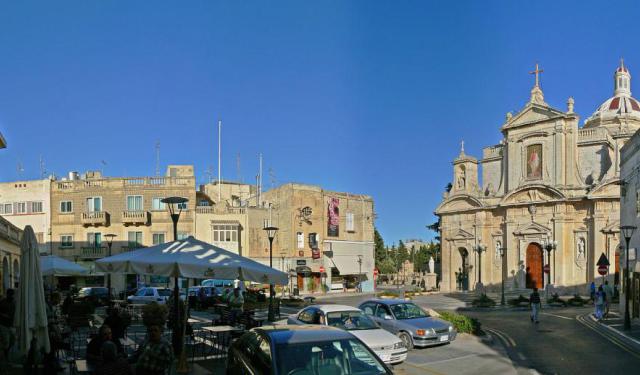
Rabat Walking Tour
In ancient times, the city of Melite, the precursor of present-day Mdina and Rabat, was considerably larger than Mdina is today. During the period of Arab rule in Malta, the settlement was reduced in size and divided into two distinct areas: the fortified city of Mdina and the suburb that developed outside its walls.
Rabat’s name derives directly from the Arabic word for “suburb” or... view more
Tour Duration: 1 Hour(s)
Travel Distance: 0.6 Km or 0.4 Miles
Rabat’s name derives directly from the Arabic word for “suburb” or... view more
Tour Duration: 1 Hour(s)
Travel Distance: 0.6 Km or 0.4 Miles