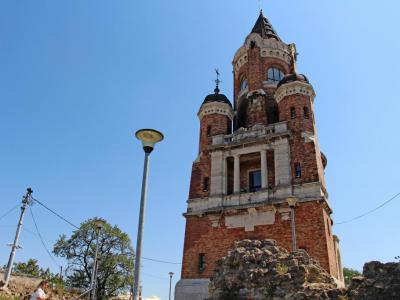


Gardoš Tower, Belgrade
Gardoš Tower is a prominent historical landmark perched atop Gardoš Hill in Zemun, amid the remains of a medieval fortress. The tower was constructed to commemorate the millennium of Hungarian settlement in the Pannonian Basin. Its construction formed part of a broader commemorative project that included several monuments in Budapest and four Millennium Towers erected at symbolic locations across the Kingdom of Hungary.
Gardoš Tower was inaugurated on August 20, 1896. Zemun was chosen as the location of the southernmost of the four towers, reflecting its position near the southern frontier of the Kingdom of Hungary at the time. The tower’s eclectic design combines several architectural influences, with particularly noticeable Romanesque elements. Its robust structure was built using sandstone and specially made hollow bricks, which helped reduce its weight. As you approach the tower, take a closer look at the textured brickwork, much of which is now covered with handwritten messages left by visitors.
The tower rises 36 meters (118 feet) above Gardoš Hill and measures approximately 18 meters (59 feet) across at its base. Its exceptionally thick lower walls leave an interior diameter of only about 6 meters (20 feet), gradually becoming thinner toward the upper levels. Originally, the tower was crowned by a large eagle and decorated with various sculptures, including lions and coats of arms. Today, only one of the original lion sculptures remains. Look for it inside the tower, near the staircase and ticket counter.
The tower’s commanding position also gave it a practical purpose. For many decades, the local fire brigade used it as a lookout tower, taking advantage of its sweeping views over Zemun and the surrounding area. Follow in the footsteps of the old fire watchmen and climb the interior staircase to the viewing platform at the top. From here, enjoy panoramic views over Zemun’s red-tiled rooftops, the Danube River and the wider Belgrade skyline.
Gardoš Tower was inaugurated on August 20, 1896. Zemun was chosen as the location of the southernmost of the four towers, reflecting its position near the southern frontier of the Kingdom of Hungary at the time. The tower’s eclectic design combines several architectural influences, with particularly noticeable Romanesque elements. Its robust structure was built using sandstone and specially made hollow bricks, which helped reduce its weight. As you approach the tower, take a closer look at the textured brickwork, much of which is now covered with handwritten messages left by visitors.
The tower rises 36 meters (118 feet) above Gardoš Hill and measures approximately 18 meters (59 feet) across at its base. Its exceptionally thick lower walls leave an interior diameter of only about 6 meters (20 feet), gradually becoming thinner toward the upper levels. Originally, the tower was crowned by a large eagle and decorated with various sculptures, including lions and coats of arms. Today, only one of the original lion sculptures remains. Look for it inside the tower, near the staircase and ticket counter.
The tower’s commanding position also gave it a practical purpose. For many decades, the local fire brigade used it as a lookout tower, taking advantage of its sweeping views over Zemun and the surrounding area. Follow in the footsteps of the old fire watchmen and climb the interior staircase to the viewing platform at the top. From here, enjoy panoramic views over Zemun’s red-tiled rooftops, the Danube River and the wider Belgrade skyline.
Want to visit this sight? Check out these Self-Guided Walking Tours in Belgrade. Alternatively, you can download the mobile app "GPSmyCity: Walks in 1K+ Cities" from Apple App Store or Google Play Store. The app turns your mobile device to a personal tour guide and it works offline, so no data plan is needed when traveling abroad.
Download The GPSmyCity App



Gardoš Tower on Map
Sight Name: Gardoš Tower
Sight Location: Belgrade, Serbia (See walking tours in Belgrade)
Sight Type: Attraction/Landmark
Guide(s) Containing This Sight:
Sight Location: Belgrade, Serbia (See walking tours in Belgrade)
Sight Type: Attraction/Landmark
Guide(s) Containing This Sight:
Nearby Sights

Walking Tours in Belgrade, Serbia

Create Your Own Walk in Belgrade
Creating your own self-guided walk in Belgrade is easy and fun. Choose the city attractions that you want to see and a walk route map will be created just for you. You can even set your hotel as the start point of the walk.
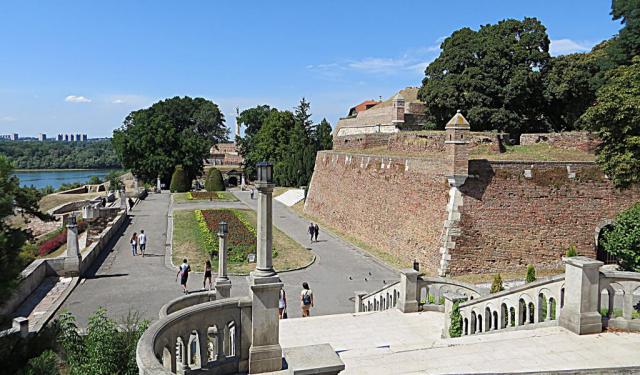
Kalemegdan Park and Belgrade Fortress Walking Tour
The most beautiful park in Belgrade, Kalemegdan Park, or simply Kalemegdan, is also the largest park and the most important cultural and historical complex in the city. The actual park occupies a smaller portion, in the southern corner, of another, grander monument - the Belgrade Fortress (which is some two millennia older).
The fortress itself, often erroneously referred to, even by the... view more
Tour Duration: 2 Hours
Travel Distance: 2.1 Km or 1.3 Miles
The fortress itself, often erroneously referred to, even by the... view more
Tour Duration: 2 Hours
Travel Distance: 2.1 Km or 1.3 Miles
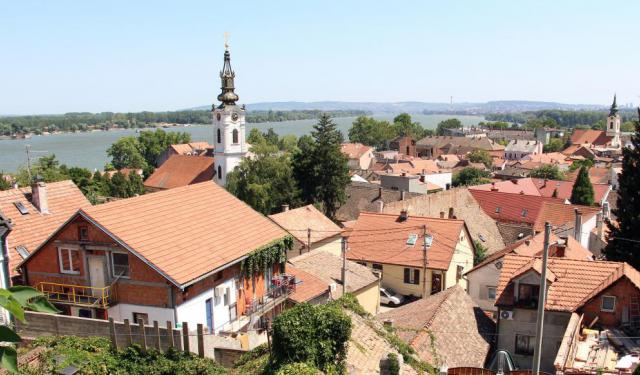
Zemun Old Town Walking Tour
Belgrade's Old Town, also known as Zemun, spread around Gardos Hill, is one of the city's oldest parts. Throughout the centuries, as the Balkans were part first of the Roman, then the Byzantine, and then the Austro-Hungarian empires, this area transformed into a beautiful neighborhood with narrow streets, cute buildings, and breathtaking views opening from the hill onto the Old Town and... view more
Tour Duration: 2 Hours
Travel Distance: 2.4 Km or 1.5 Miles
Tour Duration: 2 Hours
Travel Distance: 2.4 Km or 1.5 Miles
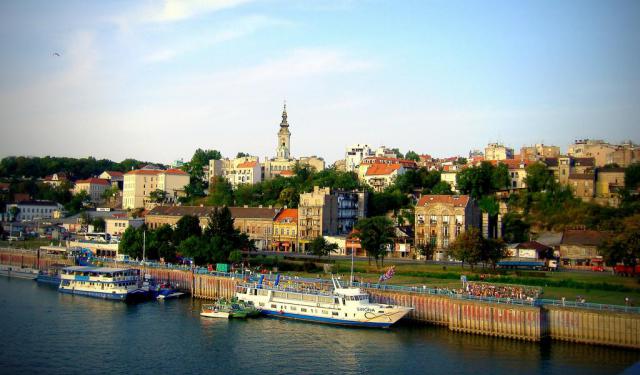
Belgrade's Top Attractions Walking Tour
Belgrade has been a city of strategic importance for millennia with its location at the confluence of the Sava and Danube rivers. In fact, it is one of the oldest continually inhabited cities on the planet.
Nomadic tribes inhabited the area as far back as 20,000 to 50,000 years ago. Some of these may have been Neanderthals rather than modern humans. By the sixth century BC, the Vinca culture... view more
Tour Duration: 2 Hours
Travel Distance: 4 Km or 2.5 Miles
Nomadic tribes inhabited the area as far back as 20,000 to 50,000 years ago. Some of these may have been Neanderthals rather than modern humans. By the sixth century BC, the Vinca culture... view more
Tour Duration: 2 Hours
Travel Distance: 4 Km or 2.5 Miles