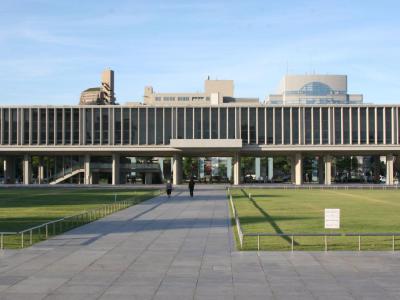


Hiroshima Peace Memorial Museum, Hiroshima (must see)
The Hiroshima Peace Memorial Museum stands as a powerful testament to the catastrophic consequences of the atomic bomb. Opened in August 1955, the museum seeks to communicate the realities of the atomic bombing to people around the world and to contribute to the abolition of nuclear weapons and the achievement of lasting global peace.
Hiroshima became the first city in history to be attacked with an atomic bomb. The explosion, heat, fires, and radiation devastated much of the city and caused immense loss of life. Hiroshima City estimates that approximately 140,000 people had died by the end of December 1945, although the precise number remains unknown. Those who survived, known as hibakusha, often endured severe injuries, radiation-related illnesses, psychological trauma, social discrimination, and the lasting loss of relatives and friends.
The museum collects, preserves, and displays victims’ personal belongings, photographs, documents, and objects damaged by the bombing. Many exhibits are accompanied by the individual stories of their owners, helping visitors understand the tragedy through the experiences of real people rather than through statistics alone. The permanent displays also examine Hiroshima before and after the bombing, the physical effects of the blast, heat, and radiation, the development and use of the atomic bomb, and the continuing dangers posed by nuclear weapons.
It also documents Hiroshima’s reconstruction and presents the city’s continuing efforts to promote nuclear abolition and a culture of peace. An important part of the museum’s work is the preservation and transmission of survivor testimonies. Visitors may hear accounts from hibakusha, watch recorded interviews, or participate in educational programs in which trained successors relate the experiences entrusted to them by survivors.
The museum has recorded video testimonies since 1986, ensuring that these personal memories remain accessible to future generations. By preserving the memories of those who experienced the bombing, the Hiroshima Peace Memorial Museum encourages empathy, reflection, and a shared responsibility to prevent nuclear devastation from ever occurring again.
Hiroshima became the first city in history to be attacked with an atomic bomb. The explosion, heat, fires, and radiation devastated much of the city and caused immense loss of life. Hiroshima City estimates that approximately 140,000 people had died by the end of December 1945, although the precise number remains unknown. Those who survived, known as hibakusha, often endured severe injuries, radiation-related illnesses, psychological trauma, social discrimination, and the lasting loss of relatives and friends.
The museum collects, preserves, and displays victims’ personal belongings, photographs, documents, and objects damaged by the bombing. Many exhibits are accompanied by the individual stories of their owners, helping visitors understand the tragedy through the experiences of real people rather than through statistics alone. The permanent displays also examine Hiroshima before and after the bombing, the physical effects of the blast, heat, and radiation, the development and use of the atomic bomb, and the continuing dangers posed by nuclear weapons.
It also documents Hiroshima’s reconstruction and presents the city’s continuing efforts to promote nuclear abolition and a culture of peace. An important part of the museum’s work is the preservation and transmission of survivor testimonies. Visitors may hear accounts from hibakusha, watch recorded interviews, or participate in educational programs in which trained successors relate the experiences entrusted to them by survivors.
The museum has recorded video testimonies since 1986, ensuring that these personal memories remain accessible to future generations. By preserving the memories of those who experienced the bombing, the Hiroshima Peace Memorial Museum encourages empathy, reflection, and a shared responsibility to prevent nuclear devastation from ever occurring again.
Want to visit this sight? Check out these Self-Guided Walking Tours in Hiroshima. Alternatively, you can download the mobile app "GPSmyCity: Walks in 1K+ Cities" from Apple App Store or Google Play Store. The app turns your mobile device to a personal tour guide and it works offline, so no data plan is needed when traveling abroad.
Download The GPSmyCity App



Hiroshima Peace Memorial Museum on Map
Sight Name: Hiroshima Peace Memorial Museum
Sight Location: Hiroshima, Japan (See walking tours in Hiroshima)
Sight Type: Museum/Gallery
Guide(s) Containing This Sight:
Sight Location: Hiroshima, Japan (See walking tours in Hiroshima)
Sight Type: Museum/Gallery
Guide(s) Containing This Sight:
Nearby Sights
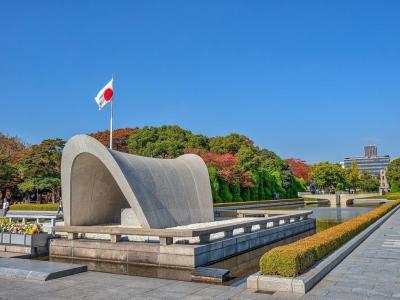
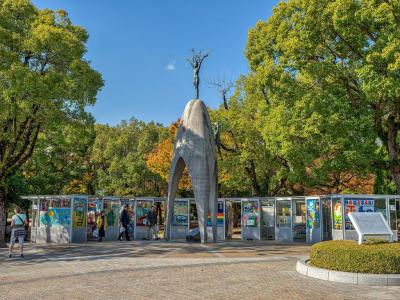
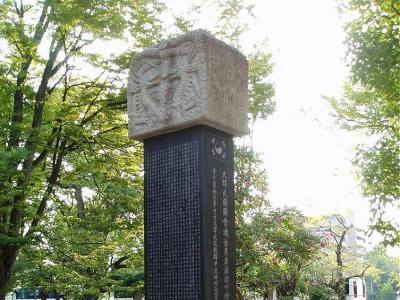
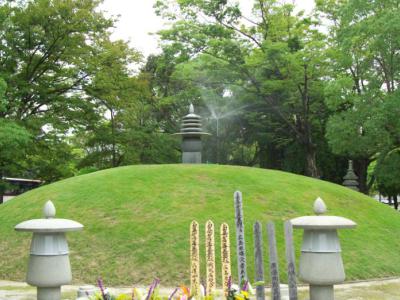
Walking Tours in Hiroshima, Japan

Create Your Own Walk in Hiroshima
Creating your own self-guided walk in Hiroshima is easy and fun. Choose the city attractions that you want to see and a walk route map will be created just for you. You can even set your hotel as the start point of the walk.
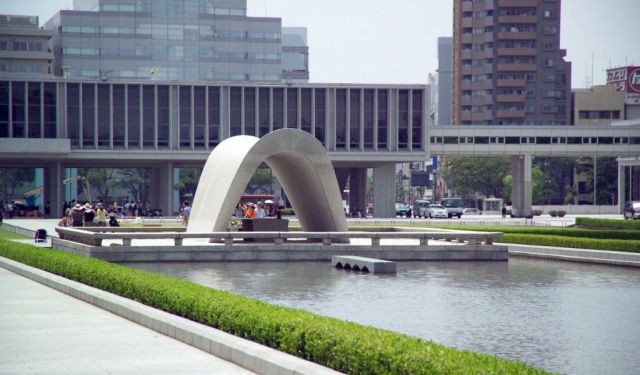
Hiroshima Peace Memorial Tour
Hiroshima Peace Memorial Park stands as a solemn testament to one of the darkest chapters in human history. It is a haunting reminder of the catastrophic consequences of nuclear warfare during the Second World War. Its grounds, marked by deeply moving memorials, bear witness to the immense suffering and loss caused by the atomic bombing of Hiroshima on August 6, 1945.
Among the most significant... view more
Tour Duration: 1 Hour
Travel Distance: 1.2 Km or 0.7 Miles
Among the most significant... view more
Tour Duration: 1 Hour
Travel Distance: 1.2 Km or 0.7 Miles
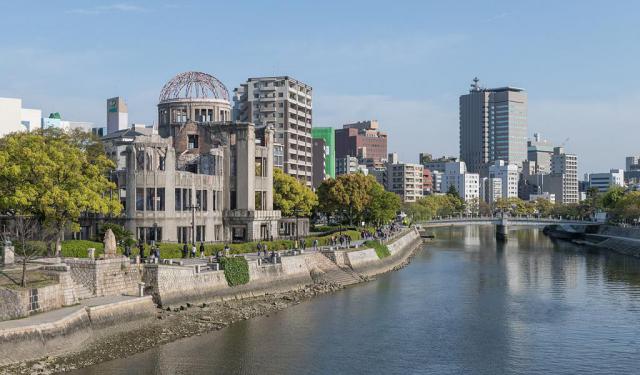
A Walk Through Hiroshima Downtown
Hiroshima is a major city in southwestern Japan, situated on the broad delta formed by the Ōta River. Its name combines the kanji hiro, meaning “wide” or “broad,” and shima, meaning “island.”
Hiroshima's history began in 1589, when the powerful feudal lord Mōri Terumoto established it as a castle town. At its center rose Hiroshima Castle, whose elegant reconstruction now... view more
Tour Duration: 2 Hours
Travel Distance: 3.8 Km or 2.4 Miles
Hiroshima's history began in 1589, when the powerful feudal lord Mōri Terumoto established it as a castle town. At its center rose Hiroshima Castle, whose elegant reconstruction now... view more
Tour Duration: 2 Hours
Travel Distance: 3.8 Km or 2.4 Miles
City Walks Overview
