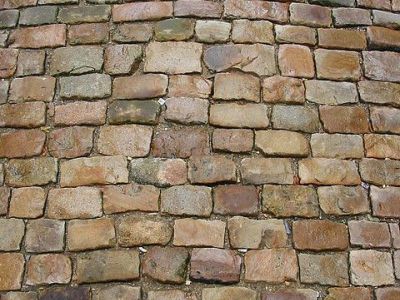


Hranilniska ulica (Savings Bank Street), Ljubljana
Hranilniška ulica is the oldest street in the Bežigrad district, laid out in the 1880s as the area north of the railway began to expand. Unlike the historic streets in the old centre, it developed as part of a carefully planned residential neighbourhood intended to accommodate a growing urban population. Today, it remains a quiet mixed-use street lined with apartment buildings, small businesses, and everyday local services.
The street played an important role in one of Slovenia's earliest planned non-profit housing projects. After the Society for the Construction of Workers' Apartments was founded in 1886, the area became a focus for improving living conditions for industrial workers. Construction accelerated after the 1895 earthquake, creating healthier workers’ housing with more light, better sanitation, and shared green areas.
The architecture reflects practical urban planning rather than decorative grandeur. The modest apartment blocks were influenced by contemporary workers' housing developments in Vienna and the wider Austro-Hungarian Empire, where functionality, healthy living conditions, and efficient layouts were becoming important planning principles. The street offers insight into urban expansion and early planned workers’ housing in Slovenia.
The street played an important role in one of Slovenia's earliest planned non-profit housing projects. After the Society for the Construction of Workers' Apartments was founded in 1886, the area became a focus for improving living conditions for industrial workers. Construction accelerated after the 1895 earthquake, creating healthier workers’ housing with more light, better sanitation, and shared green areas.
The architecture reflects practical urban planning rather than decorative grandeur. The modest apartment blocks were influenced by contemporary workers' housing developments in Vienna and the wider Austro-Hungarian Empire, where functionality, healthy living conditions, and efficient layouts were becoming important planning principles. The street offers insight into urban expansion and early planned workers’ housing in Slovenia.
Want to visit this sight? Check out these Self-Guided Walking Tours in Ljubljana. Alternatively, you can download the mobile app "GPSmyCity: Walks in 1K+ Cities" from Apple App Store or Google Play Store. The app turns your mobile device to a personal tour guide and it works offline, so no data plan is needed when traveling abroad.
Download The GPSmyCity App



Hranilniska ulica (Savings Bank Street) on Map
Sight Name: Hranilniska ulica (Savings Bank Street)
Sight Location: Ljubljana, Slovenia (See walking tours in Ljubljana)
Sight Type: Attraction/Landmark
Sight Location: Ljubljana, Slovenia (See walking tours in Ljubljana)
Sight Type: Attraction/Landmark
Nearby Sights



Walking Tours in Ljubljana, Slovenia

Create Your Own Walk in Ljubljana
Creating your own self-guided walk in Ljubljana is easy and fun. Choose the city attractions that you want to see and a walk route map will be created just for you. You can even set your hotel as the start point of the walk.
Historic Buildings Walking Tour
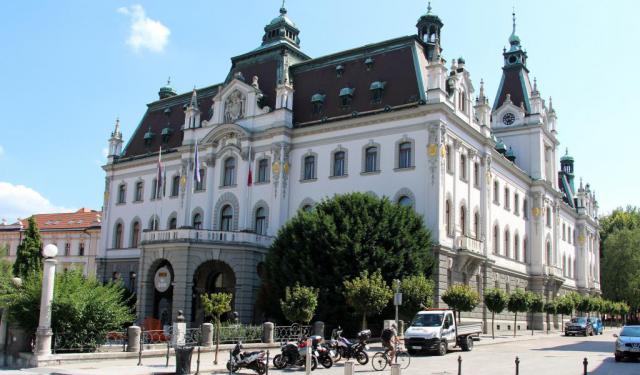
The Slovenian capital has no shortage of historical buildings. The architectural wealth of Ljubljana accumulated over the years received a significant boost in the early 20th century thanks to the famous Slovenian architect, Joze Plecnik, a classicist, who tried to model the city on ancient Athens.
Among the notable local landmarks is the Ljubljana Central Pharmacy, a testament to the... view more
Tour Duration: 2 Hour(s)
Travel Distance: 2.8 Km or 1.7 Miles
Among the notable local landmarks is the Ljubljana Central Pharmacy, a testament to the... view more
Tour Duration: 2 Hour(s)
Travel Distance: 2.8 Km or 1.7 Miles
Explore Ljubljana Old Town on Foot
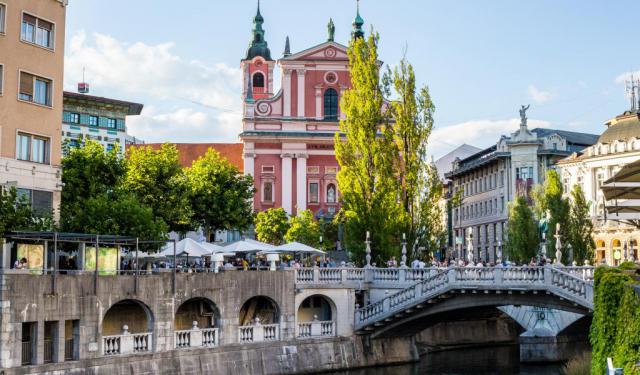
Ljubljana, Slovenia’s capital and largest city, developed at a natural crossroads between Central Europe, the Adriatic, and the Balkans, beside the navigable Ljubljanica River. People lived in the surrounding marshes in prehistoric times, leaving behind pile-dwelling settlements and a wooden wheel with an axle dating back about 5,200 years. By the early first century AD, the Romans had... view more
Tour Duration: 2 Hour(s)
Travel Distance: 2.0 Km or 1.2 Miles
Tour Duration: 2 Hour(s)
Travel Distance: 2.0 Km or 1.2 Miles