

Porta de la Mar (Gate of the Sea), Valencia
Long seen as the symbolic handshake between Valencia’s historic center and the Mediterranean, the original Gate of the Sea was built in 1356 as part of the city’s walls. In medieval Valencia, they took security seriously, and getting to the port involved passing through actual fortifications rather than just waiting for public transport...
For centuries, this was the main access point to the harbor, which made it one of Valencia’s most important thresholds. Goods, travelers, news, gossip, and probably a fair amount of suspiciously mysterious port aroma all passed through here. But in 1868, during a major wave of urban redevelopment, the old gate was demolished along with much of the city’s defensive walls. Valencia was opening itself up, and medieval masonry was politely-well, not so much-shown the door...
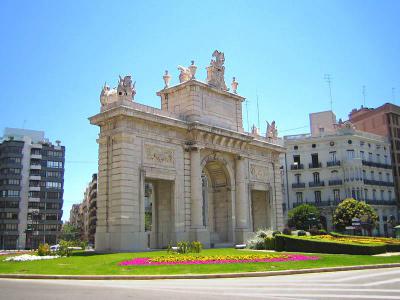
The monument you see today is a later creation, built in 1946. It was not designed for defense, but as a memorial to those who died during the Spanish Civil War. Its style looks back even further, echoing the form of Roman triumphal arches, because, apparently, in some cases, a public monument looks its best if borrowing a little imperial confidence from ancient Rome...
Made of white stone, the structure has a central arch flanked by two rectangular side passages. Above the main arch is the heraldic bat, a symbol associated with the Kings of Aragon and with Valencia itself.
Beneath the arch, a large cross points to the site’s more solemn purpose, while the surrounding gardens soften the scene with greenery and seasonal change. The planting may shift from time to time, but the monument remains steady, holding together several chapters of the city’s past: medieval walls, vanished gateways, civil conflict, and modern remembrance.
Set at a busy crossroads, the Gate of the Sea is also a useful starting point for exploring nearby landmarks, such as the Turia Garden, the Glorieta Garden, or the older streets of Valencia. In other words, it is a gateway in more ways than one-even if today, thankfully, nobody is checking whether you belong on the city side or the sea side...
For centuries, this was the main access point to the harbor, which made it one of Valencia’s most important thresholds. Goods, travelers, news, gossip, and probably a fair amount of suspiciously mysterious port aroma all passed through here. But in 1868, during a major wave of urban redevelopment, the old gate was demolished along with much of the city’s defensive walls. Valencia was opening itself up, and medieval masonry was politely-well, not so much-shown the door...
The monument you see today is a later creation, built in 1946. It was not designed for defense, but as a memorial to those who died during the Spanish Civil War. Its style looks back even further, echoing the form of Roman triumphal arches, because, apparently, in some cases, a public monument looks its best if borrowing a little imperial confidence from ancient Rome...
Made of white stone, the structure has a central arch flanked by two rectangular side passages. Above the main arch is the heraldic bat, a symbol associated with the Kings of Aragon and with Valencia itself.
Beneath the arch, a large cross points to the site’s more solemn purpose, while the surrounding gardens soften the scene with greenery and seasonal change. The planting may shift from time to time, but the monument remains steady, holding together several chapters of the city’s past: medieval walls, vanished gateways, civil conflict, and modern remembrance.
Set at a busy crossroads, the Gate of the Sea is also a useful starting point for exploring nearby landmarks, such as the Turia Garden, the Glorieta Garden, or the older streets of Valencia. In other words, it is a gateway in more ways than one-even if today, thankfully, nobody is checking whether you belong on the city side or the sea side...
Want to visit this sight? Check out these Self-Guided Walking Tours in Valencia. Alternatively, you can download the mobile app "GPSmyCity: Walks in 1K+ Cities" from Apple App Store or Google Play Store. The app turns your mobile device to a personal tour guide and it works offline, so no data plan is needed when traveling abroad.
Download The GPSmyCity App



Porta de la Mar (Gate of the Sea) on Map
Sight Name: Porta de la Mar (Gate of the Sea)
Sight Location: Valencia, Spain (See walking tours in Valencia)
Sight Type: Attraction/Landmark
Guide(s) Containing This Sight:
Sight Location: Valencia, Spain (See walking tours in Valencia)
Sight Type: Attraction/Landmark
Guide(s) Containing This Sight:
Nearby Sights



Walking Tours in Valencia, Spain

Create Your Own Walk in Valencia
Creating your own self-guided walk in Valencia is easy and fun. Choose the city attractions that you want to see and a walk route map will be created just for you. You can even set your hotel as the start point of the walk.
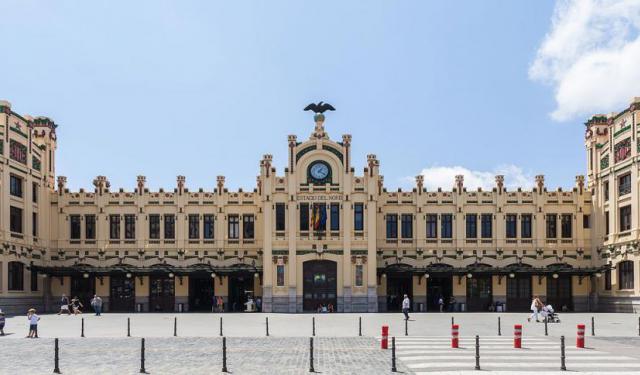
Valencia Top Attractions Walking Tour
Valencia, Spain’s third-largest city, has been around since 138 BC, when it was founded by the Romans as a colony for battle-tested veterans. Known then as Valentia, which means “valor,” it honored the courage of its first inhabitants. The city was destroyed in 75 BC by Pompey the Great, but was rebuilt within a century, later becoming home to Visigoths and then the Moors, who transformed... view more
Tour Duration: 2 Hours
Travel Distance: 3 Km or 1.9 Miles
Tour Duration: 2 Hours
Travel Distance: 3 Km or 1.9 Miles
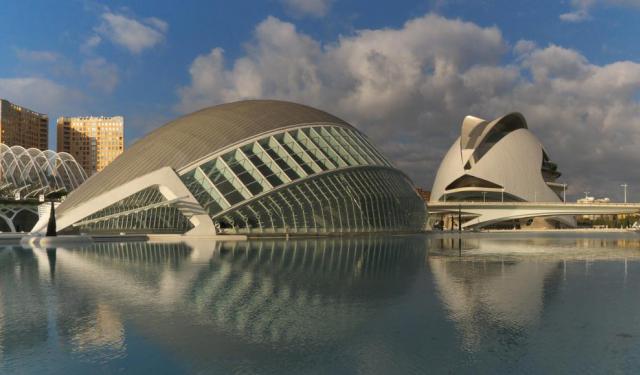
Contemporary Architecture Walk
With one foot in the past and the other planted firmly in the future, Valencia manages a balancing act few European cities can pull off. Gothic bell towers, Baroque façades, bustling markets, and centuries-old plazas all share the stage with structures that look as though they were delivered directly from the year 2150. Among the city’s many architectural personalities, contemporary design... view more
Tour Duration: 1 Hour
Travel Distance: 1.4 Km or 0.9 Miles
Tour Duration: 1 Hour
Travel Distance: 1.4 Km or 0.9 Miles
Valencia Old Town Walking Tour
Valencia’s Old Town is the sort of place where the Romans, Moors, medieval merchants, Gothic builders, Baroque decorators, and modern shoppers all seem to have comfortably found their place (albeit at different times). Beneath today’s squares, Roman streets and forum remains sit quietly underground, while above them, the city’s Islamic-era street plan still winds and twists, refusing to... view more
Tour Duration: 2 Hours
Travel Distance: 3 Km or 1.9 Miles
Tour Duration: 2 Hours
Travel Distance: 3 Km or 1.9 Miles
Valencia's Classical Architecture Tour
In Valencia, the architecture tells you right away-this city has layers. Indeed, this is not just a coastal getaway with sunshine, beaches, and a well-earned reputation for paella. Beneath the bright skies, “Spain’s Third Capital” reveals a rich and sometimes surprising blend of styles, bold in contrast yet delicate in detail. Nowhere is this more visible than in the Old Town, where nearly... view more
Tour Duration: 2 Hours
Travel Distance: 3.3 Km or 2.1 Miles
Tour Duration: 2 Hours
Travel Distance: 3.3 Km or 2.1 Miles
City Walks Overview
