Custom Walk in Venice, Italy by bjva78_ec68f created on 2025-06-26
Guide Location: Italy » Venice
Guide Type: Custom Walk
# of Sights: 14
Tour Duration: 5 Hour(s)
Travel Distance: 10.1 Km or 6.3 Miles
Share Key: PXBDR
Guide Type: Custom Walk
# of Sights: 14
Tour Duration: 5 Hour(s)
Travel Distance: 10.1 Km or 6.3 Miles
Share Key: PXBDR
How It Works
Please retrieve this walk in the GPSmyCity app. Once done, the app will guide you from one tour stop to the next as if you had a personal tour guide. If you created the walk on this website or come to the page via a link, please follow the instructions below to retrieve the walk in the app.
Retrieve This Walk in App
Step 1. Download the app "GPSmyCity: Walks in 1K+ Cities" on Apple App Store or Google Play Store.



Step 2. In the GPSmyCity app, download(or launch) the guide "Venice Map and Walking Tours".
Step 3. Tap the menu button located at upper right corner of the "Walks" screen and select "Retrieve custom walk". Enter the share key: PXBDR
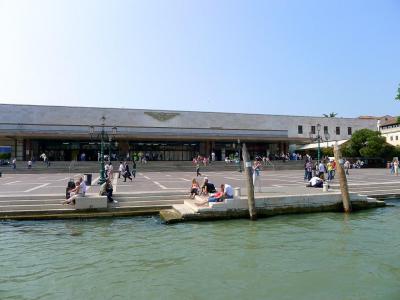
1) Stazione di Venezia Santa Lucia (Santa Lucia Train Station)
All mainland trains reach their final destination at the Santa Lucia train station, often referred to as "Ferrovia" on Venice's signage. Situated in the Cannaregio district, the northernmost of the city's six historic districts, the station is conveniently located near the western end of the Grand Canal. Opposite platform 3, you'll find a tourist office where you can obtain maps, purchase vaporetto (water bus) tickets, and a left-luggage facility across from platform 1.
For a captivating introduction to the city, hop on vaporetto number 1 or 2 from Santa Lucia. These boats traverse the Grand Canal, making 16 stops along the way, ultimately reaching the iconic Saint Mark's Square ("Piazza San Marco") in a leisurely 30-40 minutes. With a total of 21 lines available, you can download maps from ACTV or find them at individual vaporetto stops. Additionally, there is a dedicated night service (N) and several seasonal lines that operate during the summer months.
Tip:
Outside the train station, the Info Point (open daily from 7am to 9pm) sells museum and transportation passes. In case the office is crowded, automated machines near the Grand Canal are also available for your convenience.
For a captivating introduction to the city, hop on vaporetto number 1 or 2 from Santa Lucia. These boats traverse the Grand Canal, making 16 stops along the way, ultimately reaching the iconic Saint Mark's Square ("Piazza San Marco") in a leisurely 30-40 minutes. With a total of 21 lines available, you can download maps from ACTV or find them at individual vaporetto stops. Additionally, there is a dedicated night service (N) and several seasonal lines that operate during the summer months.
Tip:
Outside the train station, the Info Point (open daily from 7am to 9pm) sells museum and transportation passes. In case the office is crowded, automated machines near the Grand Canal are also available for your convenience.
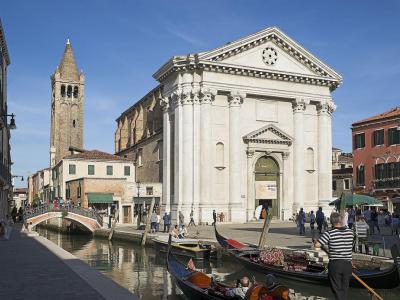
2) Campo San Barnaba (St. Barnabas' Square)
The San Barnaba Parish, situated by the canal in its central square, was renowned in the 18th century as the dwelling place of the Barnabotti, impoverished noble families who resided in affordable lodgings to sustain their meager incomes. As members of the aristocracy, they were prohibited from engaging in trades or running shops. Some Barnabotti resorted to selling their votes to more powerful families in the Great Council ("Maggior Consiglio"), while others survived on meager state assistance, begging, or working in the state gambling house. Visitors to the city often marveled at the paradoxical sight of silk-clad beggars, as the Venetian nobility were required to wear silk, regardless of their financial means.
Today, the square and canal retain their quiet charm, adorned with a vegetable barge. The church, open in the mornings from Monday to Saturday, boasts a simple design with a Tiepolesque ceiling. Film enthusiasts may recognize it from its appearance in the 1989 film "Indiana Jones and the Last Crusade". There are numerous dining options available, such as Oniga (12-11pm), featuring an eclectic yet cozy interior and delightful outdoor seating on the square. Their menu offers a variety of vegetarian and meat dishes, but the focus lies on fresh seafood, with their specialty being the "bucintoro"-a delectable combination of mussels, clams, prawns, calamari, and spaghetti-prepared for two at a premium price. On the other hand, La Bitta (Mon-Fri: 7-10pm) provides a dark and rustic ambiance, resembling a welcoming bistro with limited indoor seating. They take pride in serving beautifully presented, traditional Venetian cuisine, proudly excluding fish from their offerings. Their attentive waitstaff and handwritten daily menu emphasize local ingredients, including rabbit, following a "slow food" ethos. La Bitta offers two dinner seatings at 7pm and 9pm, and reservations are required.
Today, the square and canal retain their quiet charm, adorned with a vegetable barge. The church, open in the mornings from Monday to Saturday, boasts a simple design with a Tiepolesque ceiling. Film enthusiasts may recognize it from its appearance in the 1989 film "Indiana Jones and the Last Crusade". There are numerous dining options available, such as Oniga (12-11pm), featuring an eclectic yet cozy interior and delightful outdoor seating on the square. Their menu offers a variety of vegetarian and meat dishes, but the focus lies on fresh seafood, with their specialty being the "bucintoro"-a delectable combination of mussels, clams, prawns, calamari, and spaghetti-prepared for two at a premium price. On the other hand, La Bitta (Mon-Fri: 7-10pm) provides a dark and rustic ambiance, resembling a welcoming bistro with limited indoor seating. They take pride in serving beautifully presented, traditional Venetian cuisine, proudly excluding fish from their offerings. Their attentive waitstaff and handwritten daily menu emphasize local ingredients, including rabbit, following a "slow food" ethos. La Bitta offers two dinner seatings at 7pm and 9pm, and reservations are required.
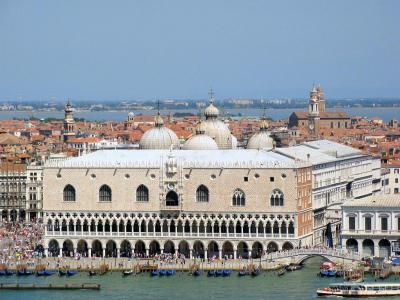
3) Palazzo Ducale (Doge's Palace) (must see)
Built on the foundations of a 9th-century fortress, this palace is unquestionably the finest secular European building of its time. Over the course of centuries, it has served many purposes, including Doge residence, seat of the Venetian government, court of law, civil office, and even a prison.
First built in the 14th century, much of the edifice was destroyed by fire in the 16th century, reducing to ashes most of the art treasures held inside. Some of the greatest Venetian masters of the time, such as Tintoretto, Veronese, Titian, Bellini, and Tiepolo, contributed to the restoration efforts, recreating gilded stucco, sculptures, frescoes, and canvases that returned the palace to its former glory.
Externally, the palace exhibits a blend of Byzantine and Gothic architectural styles, while the interior exudes Classical elements, leading art critic John Ruskin to proclaim it "the central building of the world". Inside, visitors are treated to a lavish display of furnishings, paintings, and elaborately adorned ceilings. Of notable grandeur is the Grand Council chamber, featuring Tintoretto's monumental "Paradise", reputedly the largest oil painting in the world. Equally magnificent is the Sala dello Scrutinio, or "Voting Hall," adorned with paintings depicting Venice's glorious past.
In stark contrast, the opposite side of the canal reveals the grim remnants of medieval justice-the prison cells. Linked to the outside world by the Bridge of Sighs ("Ponte dei Sospiri"), these cells serve as a haunting reminder of the horrors endured by prisoners who faced torture and potential death at the hands of the city's appointed state inquisitors. The term "sighs" refers to the lamentations of countless victims forced across the bridge.
To get the most of your time at the Doge's Palace, consider using the infrared audio guide available at the entrance, which provides a captivating narrative of the 1,000-year-old maritime republic of Venice and the intricacies of its former government.
***CASANOVA TOUR***
At the age of 30, on the fateful night of 25 July 1755, Casanova found himself arrested, accused of offending religion and common decency. Shockingly, he was sentenced to five years of imprisonment without even being granted a trial. His confinement took place in the Doge's Palace, where he was confined to a cell beneath the lead-covered roof. In the sweltering summer months, the oppressive heat turned his place of incarceration into an unbearable oven, further exacerbated by the torment of countless fleas infesting the premises.
Physically, Casanova was not far from the opulence of Venice and the seat of power, yet the psychological distance between his confinement and the world outside was immeasurable. Enduring 15 months of torment and despair, he finally hatched a daring plan to escape. Creating a hole in the ceiling, he ingeniously fashioned ropes from bed sheets and descended to freedom. This remarkable escape made Casanova the only person ever to break free from the prison of the Doge's Palace. Seeking sanctuary, he first sought refuge in Munich, then continued his journey to Strasbourg, eventually concluding his odyssey by coach to Paris, where he would start a new life.
Tip:
Make sure to book in advance for the guided "Secret Itinerary" tour – an exclusive experience grants access to otherwise restricted quarters and hidden passageways, including the Doge's private chambers, the interrogation rooms where prisoners were questioned, and the two cells once occupied by Casanova.
First built in the 14th century, much of the edifice was destroyed by fire in the 16th century, reducing to ashes most of the art treasures held inside. Some of the greatest Venetian masters of the time, such as Tintoretto, Veronese, Titian, Bellini, and Tiepolo, contributed to the restoration efforts, recreating gilded stucco, sculptures, frescoes, and canvases that returned the palace to its former glory.
Externally, the palace exhibits a blend of Byzantine and Gothic architectural styles, while the interior exudes Classical elements, leading art critic John Ruskin to proclaim it "the central building of the world". Inside, visitors are treated to a lavish display of furnishings, paintings, and elaborately adorned ceilings. Of notable grandeur is the Grand Council chamber, featuring Tintoretto's monumental "Paradise", reputedly the largest oil painting in the world. Equally magnificent is the Sala dello Scrutinio, or "Voting Hall," adorned with paintings depicting Venice's glorious past.
In stark contrast, the opposite side of the canal reveals the grim remnants of medieval justice-the prison cells. Linked to the outside world by the Bridge of Sighs ("Ponte dei Sospiri"), these cells serve as a haunting reminder of the horrors endured by prisoners who faced torture and potential death at the hands of the city's appointed state inquisitors. The term "sighs" refers to the lamentations of countless victims forced across the bridge.
To get the most of your time at the Doge's Palace, consider using the infrared audio guide available at the entrance, which provides a captivating narrative of the 1,000-year-old maritime republic of Venice and the intricacies of its former government.
***CASANOVA TOUR***
At the age of 30, on the fateful night of 25 July 1755, Casanova found himself arrested, accused of offending religion and common decency. Shockingly, he was sentenced to five years of imprisonment without even being granted a trial. His confinement took place in the Doge's Palace, where he was confined to a cell beneath the lead-covered roof. In the sweltering summer months, the oppressive heat turned his place of incarceration into an unbearable oven, further exacerbated by the torment of countless fleas infesting the premises.
Physically, Casanova was not far from the opulence of Venice and the seat of power, yet the psychological distance between his confinement and the world outside was immeasurable. Enduring 15 months of torment and despair, he finally hatched a daring plan to escape. Creating a hole in the ceiling, he ingeniously fashioned ropes from bed sheets and descended to freedom. This remarkable escape made Casanova the only person ever to break free from the prison of the Doge's Palace. Seeking sanctuary, he first sought refuge in Munich, then continued his journey to Strasbourg, eventually concluding his odyssey by coach to Paris, where he would start a new life.
Tip:
Make sure to book in advance for the guided "Secret Itinerary" tour – an exclusive experience grants access to otherwise restricted quarters and hidden passageways, including the Doge's private chambers, the interrogation rooms where prisoners were questioned, and the two cells once occupied by Casanova.
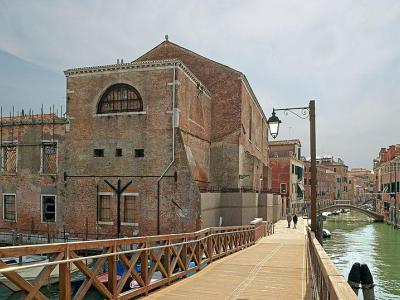
4) Ponte di Quintavalle (Quintavalle Birdge)
Located in the Castello district of Venice, this long wooden bridge spans the wide San Pietro canal. The surrounding area sees fewer tourists, except for those visiting the San Pietro di Castello basilica or those who want to soak in the Venetian atmosphere.
Take a moment on this wooden bridge to appreciate a unique perspective of Venice, offering a panoramic view of the Castello neighborhood.
As you cross the bridge, you enter the San Pietro neighborhood, an old district historically inhabited by cordeliers and marine workers. Along the walls, you may still find fishing nets hanging. The boats gently swaying in the canal are not grand pleasure vessels but rather practical tools used for transportation or fishing.
In this tranquil Quintavalle neighborhood, everything seems peaceful.
Take a moment on this wooden bridge to appreciate a unique perspective of Venice, offering a panoramic view of the Castello neighborhood.
As you cross the bridge, you enter the San Pietro neighborhood, an old district historically inhabited by cordeliers and marine workers. Along the walls, you may still find fishing nets hanging. The boats gently swaying in the canal are not grand pleasure vessels but rather practical tools used for transportation or fishing.
In this tranquil Quintavalle neighborhood, everything seems peaceful.
5) Ponte dei Sospiri (Bridge of Sighs)
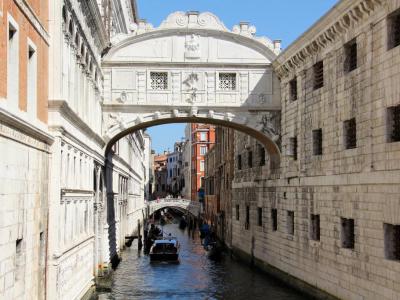
Despite its relatively small size compared to other bridges in Venice, the Bridge of Sighs holds great significance as one of the city's most renowned and frequently visited structures. Constructed in 1600, this historical landmark spans across the Palace River ("Rio di Palazzo"), connecting the New Prison ("Prigioni Nuove") to the interrogation rooms in the Doge's Palace ("Palazzo Ducale"). Crafted from white limestone, it was designed by Antonio Contino, whose uncle Antonio da Ponte was the mastermind behind the iconic Rialto Bridge.
The bridge acquired its English name, the Bridge of Sighs, in the 19th century, bestowed by Lord Byron as a translation of the Italian "Ponte dei sospiri". The name stems from the notion that prisoners would sigh as they glimpsed their final view of the enchanting city of Venice through the windows before being led to their cells. In reality, by the time the bridge was constructed, the days of inquisitions and summary executions were gone, and the cells beneath the palace's roof primarily held minor offenders. Furthermore, little could be seen from inside the bridge due to the stone grills covering the windows.
According to local legend, couples who share a kiss on a gondola beneath the Bridge of Sighs at sunset, accompanied by the chimes of Saint Mark's bell tower, are destined to experience eternal love and happiness.
The bridge acquired its English name, the Bridge of Sighs, in the 19th century, bestowed by Lord Byron as a translation of the Italian "Ponte dei sospiri". The name stems from the notion that prisoners would sigh as they glimpsed their final view of the enchanting city of Venice through the windows before being led to their cells. In reality, by the time the bridge was constructed, the days of inquisitions and summary executions were gone, and the cells beneath the palace's roof primarily held minor offenders. Furthermore, little could be seen from inside the bridge due to the stone grills covering the windows.
According to local legend, couples who share a kiss on a gondola beneath the Bridge of Sighs at sunset, accompanied by the chimes of Saint Mark's bell tower, are destined to experience eternal love and happiness.
6) Campanile di San Marco (St. Mark's Bell Tower)
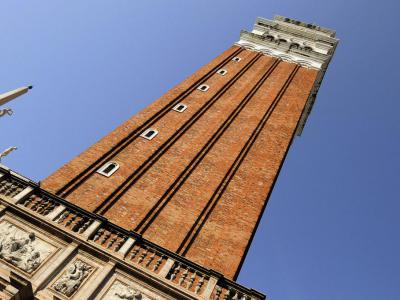
Venice's tallest bell tower was originally constructed in the 12th century. It served as a combined lighthouse and belfry and underwent continuous modifications until the 16th century when the golden angel was installed on its summit. Back in the day, each of the five bells served a specific purpose: the largest tolled to mark the beginning and end of the workday, another rang at midday, two others announced sessions of the Senate or called members of the Grand Council to meetings, and the smallest signaled an impending execution.
It was from the top of this belfry that Galileo Galilei famously showcased his telescope to the Venetian Doge in 1609 – a significant event commemorated by a plaque at the tower's observation deck. Still, the most dramatic episode associated with the Campanile occurred on July 14, 1902, when the tower collapsed shortly after giving a warning sound, causing the leisurely coffee drinkers below in the piazza to flee for their lives.
The Venetians put the Campanile back "where it was and how it was", and the tower is now safe to ascend all the way to the top. Unlike other belfries that require navigating narrow, steep spiral staircases, the Venetian one has an elevator allowing to effortlessly enjoy a pigeon's-eye view for a fee.
Rising 99 meters (325 feet) in height, the Campanile stands as the tallest structure in Venice, providing an ideal vantage point to admire the domes of Saint Mark's Basilica ("Basilica San Marco") and the surrounding lagoon. In the evenings, when the view is exceptionally clear, one can even observe distant landscapes for miles. However, even from the base of this historic bell tower, gazing up at its summit can be an equally thrilling experience.
It was from the top of this belfry that Galileo Galilei famously showcased his telescope to the Venetian Doge in 1609 – a significant event commemorated by a plaque at the tower's observation deck. Still, the most dramatic episode associated with the Campanile occurred on July 14, 1902, when the tower collapsed shortly after giving a warning sound, causing the leisurely coffee drinkers below in the piazza to flee for their lives.
The Venetians put the Campanile back "where it was and how it was", and the tower is now safe to ascend all the way to the top. Unlike other belfries that require navigating narrow, steep spiral staircases, the Venetian one has an elevator allowing to effortlessly enjoy a pigeon's-eye view for a fee.
Rising 99 meters (325 feet) in height, the Campanile stands as the tallest structure in Venice, providing an ideal vantage point to admire the domes of Saint Mark's Basilica ("Basilica San Marco") and the surrounding lagoon. In the evenings, when the view is exceptionally clear, one can even observe distant landscapes for miles. However, even from the base of this historic bell tower, gazing up at its summit can be an equally thrilling experience.
7) Basilica di San Marco (St. Mark's Basilica) (must see)
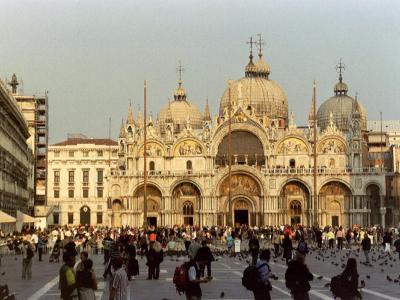
By far, the main draw for tourists visiting Venice is Saint Mark's Basilica. Its construction dates back to 832 AD when it was built to house the remains of Saint Mark, the city's patron saint. Legend has it that the holy man's body was brought from Alexandria, Egypt, hidden in barrels of pork meat, which the Venetian merchants believed the Muslim guards would never touch. Upon arrival in the lagoon, Saint Mark was said to be greeted by an angel who proclaimed that his body would find rest in that place. This legend has inspired numerous works of art throughout the centuries.
Two hundred years later, a magnificent temple was erected on the foundations of an earlier church and consecrated when Saint Mark's body was laid to rest beneath the high altar. The new basilica was designed after the renowned Church of the Apostles in Constantinople. To enhance its splendor, the structure was adorned with marble and mosaics depicting scenes from the Old and New Testaments, as well as the lives of Christ, the Virgin Mary, and Saint Mark himself.
Over time, many of the mosaics were retouched or replaced as artistic tastes evolved and damaged mosaics needed restoration. As a result, the current mosaics represent a span of 800 years of artistic styles. Some mosaics reflect traditional Byzantine representations and stand as masterpieces of medieval art, while others were based on preparatory drawings by renowned Renaissance artists from Venice and Florence, such as Paolo Veronese, Tintoretto, Titian, Paolo Uccello, and Andrea del Castagno.
Andrea del Castagno, active at San Marco in the mid-15th century, introduced a sense of perspective largely achieved with architectural settings. One of his notable contributions is the mosaic in the Mascoli Chapel, depicting the "Dormition of the Virgin". Tintoretto, on the other hand, created the mosaic in the central nave depicting the "Presentation of Jesus at the Temple" in the 16th century, while Titian designed and executed the mosaic decoration of the Sacristy vault between 1524 and 1530, depicting Old Testament prophets.
Inside the basilica, there are additional spots that can be visited for a separate fee, including the Golden Altar, the Museum, the Treasury, and the Crypt. It is highly recommended to pay for access to the first level, offering elevated views of the interior and the square outside. Alternatively, consider taking a night tour when the basilica is closed to the public, allowing you to have the entire place to yourself.
Entry to the basilica is free, but for a small fee, you can skip the line and book a time slot.
Why You Should Visit:
To witness the exceptional blend of Byzantine and Western art, showcased through the grandeur of the mosaics and the richness of the 'treasure room', offering insights into the immense power and wealth of Venice during its golden era.
Tip:
The best time to visit is around midday when the golden mosaics adorning the vaults, walls, and cupolas are illuminated and at their most spectacular. The lights are only turned on for a limited time (11:30am-12:30pm), so be sure to plan your visit accordingly to witness and appreciate the mosaics at their best.
Two hundred years later, a magnificent temple was erected on the foundations of an earlier church and consecrated when Saint Mark's body was laid to rest beneath the high altar. The new basilica was designed after the renowned Church of the Apostles in Constantinople. To enhance its splendor, the structure was adorned with marble and mosaics depicting scenes from the Old and New Testaments, as well as the lives of Christ, the Virgin Mary, and Saint Mark himself.
Over time, many of the mosaics were retouched or replaced as artistic tastes evolved and damaged mosaics needed restoration. As a result, the current mosaics represent a span of 800 years of artistic styles. Some mosaics reflect traditional Byzantine representations and stand as masterpieces of medieval art, while others were based on preparatory drawings by renowned Renaissance artists from Venice and Florence, such as Paolo Veronese, Tintoretto, Titian, Paolo Uccello, and Andrea del Castagno.
Andrea del Castagno, active at San Marco in the mid-15th century, introduced a sense of perspective largely achieved with architectural settings. One of his notable contributions is the mosaic in the Mascoli Chapel, depicting the "Dormition of the Virgin". Tintoretto, on the other hand, created the mosaic in the central nave depicting the "Presentation of Jesus at the Temple" in the 16th century, while Titian designed and executed the mosaic decoration of the Sacristy vault between 1524 and 1530, depicting Old Testament prophets.
Inside the basilica, there are additional spots that can be visited for a separate fee, including the Golden Altar, the Museum, the Treasury, and the Crypt. It is highly recommended to pay for access to the first level, offering elevated views of the interior and the square outside. Alternatively, consider taking a night tour when the basilica is closed to the public, allowing you to have the entire place to yourself.
Entry to the basilica is free, but for a small fee, you can skip the line and book a time slot.
Why You Should Visit:
To witness the exceptional blend of Byzantine and Western art, showcased through the grandeur of the mosaics and the richness of the 'treasure room', offering insights into the immense power and wealth of Venice during its golden era.
Tip:
The best time to visit is around midday when the golden mosaics adorning the vaults, walls, and cupolas are illuminated and at their most spectacular. The lights are only turned on for a limited time (11:30am-12:30pm), so be sure to plan your visit accordingly to witness and appreciate the mosaics at their best.
8) Piazza San Marco (St. Mark's Square) (must see)
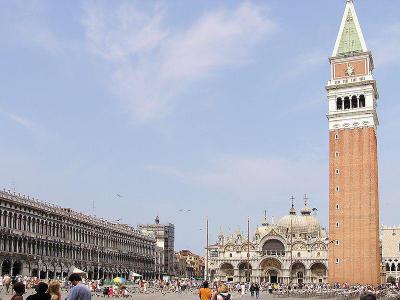
No visit to Venice – not even a recurring one – is truly complete without setting foot on Saint Mark's Square, replete with the sense of history and art. Long before the arrival of tourists, it served as the religious, commercial, and political hub of the city, where the Venetian Republic reigned for centuries. The area was initially chosen by the city's founders to establish a citadel – the Doge's Palace (Palazzo Ducale) – complete with the city's most precious place of worship, Saint Mark's Basilica. Over the centuries, these two magnificent structures have shaped a public space so distinguished and majestic that no other square in Venice was deemed worthy of the title "piazza", thus leading to all other Venetian squares being called "campi" or "campielli."
Today, Saint Mark's Square remains the heart of the city, bustling with an abundance of luxurious hotels, elegant and exorbitant cafes, extravagant seafood offerings, and luxurious shops. Evenings here are particularly enchanting, with atmospheric lighting and live music setting a romantic mood. If you don't mind paying €15 for a cup of coffee or €25 for a cocktail, take your time savoring the experience while soaking in the ambiance. However, if these prices exceed your budget, venture into the side streets of the San Marco quarter, where there is plenty of activity and more affordable options for colorful boutiques, bars, and food outlets.
Otherwise, enjoy this famous square for what it is and keep breathing its air... in and out. For you're in Venice!!!
Tips:
If your schedule allows, consider arriving in the late afternoon as it gets darker. This time offers a charming and romantic atmosphere with fewer crowds. During the day, you may come across stalls selling souvenirs, bags (including knock-offs), and other items at surprisingly reasonable prices.
Another piece of advice: if you plan to take a gondola ride, avoid the gondolas moored by the square. Seek out those located outside the main tourist areas to experience the side-canal views that photograph much better and provide a more romantic overall experience.
Today, Saint Mark's Square remains the heart of the city, bustling with an abundance of luxurious hotels, elegant and exorbitant cafes, extravagant seafood offerings, and luxurious shops. Evenings here are particularly enchanting, with atmospheric lighting and live music setting a romantic mood. If you don't mind paying €15 for a cup of coffee or €25 for a cocktail, take your time savoring the experience while soaking in the ambiance. However, if these prices exceed your budget, venture into the side streets of the San Marco quarter, where there is plenty of activity and more affordable options for colorful boutiques, bars, and food outlets.
Otherwise, enjoy this famous square for what it is and keep breathing its air... in and out. For you're in Venice!!!
Tips:
If your schedule allows, consider arriving in the late afternoon as it gets darker. This time offers a charming and romantic atmosphere with fewer crowds. During the day, you may come across stalls selling souvenirs, bags (including knock-offs), and other items at surprisingly reasonable prices.
Another piece of advice: if you plan to take a gondola ride, avoid the gondolas moored by the square. Seek out those located outside the main tourist areas to experience the side-canal views that photograph much better and provide a more romantic overall experience.
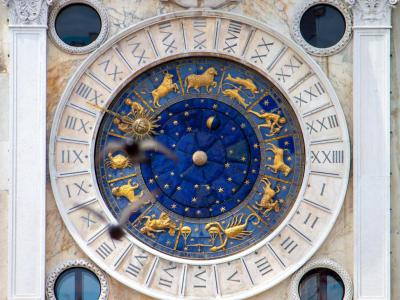
9) Torre dell'Orologio (Clock Tower) (must see)
In a square filled with iconic Venetian buildings, this remarkable Renaissance clock tower holds its own. Its base has always been a favored meeting point for Venetians, as it marks the entrance to the ancient Merceria, one of the busiest streets in Venice, now hosting both upscale boutiques and souvenir shops.
The clock itself has served as the official timekeeper of Venice since 1858. Notably, it not only tells the time but also aids the astrologer by aligning zodiac signs with the position of the sun.
Above the clock's face, against a backdrop of golden stars, you can see the winged lion of Saint Mark, a symbol of Venice found practically everywhere around the city. Beneath the lion, a statue of the Virgin Mary and Baby Jesus appears to watch over Saint Mark's Square.
The two figures striking the bell at the very top of the clock tower are among the most peculiar characters in Venice. Originally depicted as two shepherds, over time the bronze statues darkened, earning them the nickname "Moors".
If you decide to climb the tower, it is advisable to book a tour. Two English-language tours are conducted daily, with each limited to only 12 participants. During the tour, you will have the opportunity to observe the clock mechanism and other intriguing elements within the tower, including a secret door, as you ascend to the top, where you can marvel at the view of Saint Mark's Square below.
The clock itself has served as the official timekeeper of Venice since 1858. Notably, it not only tells the time but also aids the astrologer by aligning zodiac signs with the position of the sun.
Above the clock's face, against a backdrop of golden stars, you can see the winged lion of Saint Mark, a symbol of Venice found practically everywhere around the city. Beneath the lion, a statue of the Virgin Mary and Baby Jesus appears to watch over Saint Mark's Square.
The two figures striking the bell at the very top of the clock tower are among the most peculiar characters in Venice. Originally depicted as two shepherds, over time the bronze statues darkened, earning them the nickname "Moors".
If you decide to climb the tower, it is advisable to book a tour. Two English-language tours are conducted daily, with each limited to only 12 participants. During the tour, you will have the opportunity to observe the clock mechanism and other intriguing elements within the tower, including a secret door, as you ascend to the top, where you can marvel at the view of Saint Mark's Square below.
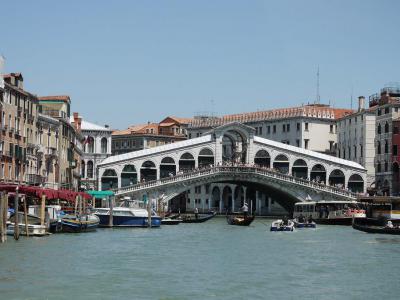
10) Ponte di Rialto (Rialto Bridge) (must see)
There are only four bridges in Venice spanning the Grand Canal, and if you explore the city on foot, you will inevitably find yourself crossing at least one of them. The Rialto Bridge, the oldest and certainly most renowned among the four, connects the Eastern and Western quarters of Venice, specifically the districts of San Marco ("Saint Mark") and San Polo ("Saint Paul").
Originally constructed of wood in the 12th century, it was later replaced by the current stone version four centuries later. The engineering solution employed seemed so audacious at the time that certain architects predicted its future ruin. However, the bridge has defied critics to become one of Venice's architectural marvels. Until the construction of the Accademia bridge in 1854, it remained the sole pedestrian crossing over the Grand Canal.
If you're comfortable navigating through the throngs of tourists bustling across the bridge, you'll be rewarded with spectacular views of the canal opening in both directions. Beyond the souvenir stalls are the centuries-old markets that traditionally showcase the abundance of fruits and vegetables harvested on the lagoon islands, as well as the fish freshly caught in the bordering Adriatic Sea. You may even catch sight of boats unloading their daily catch from the islands of Burano and Pellestrina.
The Rialto Bridge area also offers numerous shops and restaurants, usually on the pricier side, but masterfully tucked in so as not to disrupt the heritage exterior. Additionally, near the bridge, not to mention persuasive gondoliers who just happen to have a vacant gondola with your name on it, in case you're in for a boat ride.
Tip:
Evening is by far the best time to visit – much quieter and looks stunning.
Originally constructed of wood in the 12th century, it was later replaced by the current stone version four centuries later. The engineering solution employed seemed so audacious at the time that certain architects predicted its future ruin. However, the bridge has defied critics to become one of Venice's architectural marvels. Until the construction of the Accademia bridge in 1854, it remained the sole pedestrian crossing over the Grand Canal.
If you're comfortable navigating through the throngs of tourists bustling across the bridge, you'll be rewarded with spectacular views of the canal opening in both directions. Beyond the souvenir stalls are the centuries-old markets that traditionally showcase the abundance of fruits and vegetables harvested on the lagoon islands, as well as the fish freshly caught in the bordering Adriatic Sea. You may even catch sight of boats unloading their daily catch from the islands of Burano and Pellestrina.
The Rialto Bridge area also offers numerous shops and restaurants, usually on the pricier side, but masterfully tucked in so as not to disrupt the heritage exterior. Additionally, near the bridge, not to mention persuasive gondoliers who just happen to have a vacant gondola with your name on it, in case you're in for a boat ride.
Tip:
Evening is by far the best time to visit – much quieter and looks stunning.
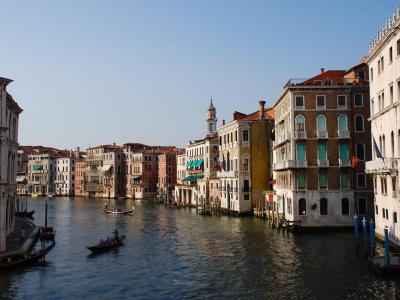
11) Canal Grande (Grand Canal) (must see)
Paris may have its Champs-Elysées, New York City its 5th Avenue, Rome its Via del Corso – but Venice, for uniqueness, tops them all with its Grand Canal ("Canal Grande"). This winding waterway, resembling an inverted S shape, traverses the city and is spanned by four bridges. Along its banks stand nearly 200 palaces, many of which were constructed between the 13th and 18th centuries. The grand aquatic thoroughfare is a bustling passage for motorboats, vaporetti (water buses), and the iconic gondolas.
Some of the most impressive buildings along the Grand Canal have been transformed into galleries and museums. Reflecting the Venetian Gothic architectural style, these structures were intended to showcase the opulence and artistic achievements of the Republic of Venice, with noble Venetian families having spared no expense in displaying their wealth. As most of these palaces stand directly on the water without walkways, the only way to appreciate their facades is from a boat, allowing for a journey free of potholes, traffic congestion, and traffic lights-quite literally the best mode to travel anyway!....
Stretching nearly four kilometers (or 2.5 miles) in length, the Grand Canal varies in width between 30 and 70 meters; it is, however, surprisingly shallow, with depths rarely exceeding 5 meters (16.5 feet).
The best way to explore the canal is by boarding vaporetto no. 1; though you'll have to be prepared to navigate the crowd and secure a seat anywhere on the exterior. The most coveted spots are at the bow, offering unobstructed views of the shimmering water.
If you'd rather rent a gondola for added romance, a word to the wise would be to schedule your ride during high tide so as to avoid encountering unsightly debris along the canal's edges, which low tide often exposes in detail. The gondoliers may even steer you into the quieter, narrower canals, where tranquility reigns and the only sounds you'll hear are the gentle lapping of water. In this serene atmosphere, you can fully appreciate the unique perspective offered by the gondola. In other words, if you're going to splurge on a tourist attraction, this is the one to choose.
It is also easy to get glimpses of the Grand Canal as you wander through the city's maze-like alleyways, granting you enchanting vistas of historic buildings, picturesque bridges, and the everyday rhythm of Venetian life.
Tip:
Investing in unlimited passes for 1 to 3 or 7 days for vaporettos is one of the wisest choices during your stay in Venice.
Some of the most impressive buildings along the Grand Canal have been transformed into galleries and museums. Reflecting the Venetian Gothic architectural style, these structures were intended to showcase the opulence and artistic achievements of the Republic of Venice, with noble Venetian families having spared no expense in displaying their wealth. As most of these palaces stand directly on the water without walkways, the only way to appreciate their facades is from a boat, allowing for a journey free of potholes, traffic congestion, and traffic lights-quite literally the best mode to travel anyway!....
Stretching nearly four kilometers (or 2.5 miles) in length, the Grand Canal varies in width between 30 and 70 meters; it is, however, surprisingly shallow, with depths rarely exceeding 5 meters (16.5 feet).
The best way to explore the canal is by boarding vaporetto no. 1; though you'll have to be prepared to navigate the crowd and secure a seat anywhere on the exterior. The most coveted spots are at the bow, offering unobstructed views of the shimmering water.
If you'd rather rent a gondola for added romance, a word to the wise would be to schedule your ride during high tide so as to avoid encountering unsightly debris along the canal's edges, which low tide often exposes in detail. The gondoliers may even steer you into the quieter, narrower canals, where tranquility reigns and the only sounds you'll hear are the gentle lapping of water. In this serene atmosphere, you can fully appreciate the unique perspective offered by the gondola. In other words, if you're going to splurge on a tourist attraction, this is the one to choose.
It is also easy to get glimpses of the Grand Canal as you wander through the city's maze-like alleyways, granting you enchanting vistas of historic buildings, picturesque bridges, and the everyday rhythm of Venetian life.
Tip:
Investing in unlimited passes for 1 to 3 or 7 days for vaporettos is one of the wisest choices during your stay in Venice.
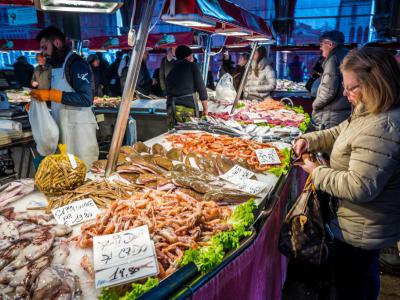
12) Mercato di Rialto (Rialto Food Market) (must see)
If you seek to experience Venice in its entirety, then head to the Rialto Market! Just like in any other city, this food market is a pulsating center of the local community. Among other things, the Rialto Market epitomizes the sincerity and joyfulness of the Venetians and their love of life, which is why some people mistake it for an open-air theme park.
To describe the Rialto Market, one must begin with its location, directly overlooking the Grand Canal since as early as the 11th century. Another distinct feature is the creative product signage crafted by the grocers. These signs not only provide information about the origin and price, but also offer detailed characteristics and sometimes even cooking tips, all presented in a very artistic style.
The entire place is as much colorful and lively as it is highly practical. Here, you can buy flowers, spices, seasonal produce, fresh meat and seafood, all of which have a wide range of options and surprisingly reasonable prices. While you may recognize some of the fish, such as salmon, the majority of the selection is quite exotic. For example, you can find cuttlefish used for the famous black ink pasta unique to Venice, as well as a wide variety of shellfish. A mere watching all this is a feast for eyes and a grand source of photo opportunities!
Tip:
As part of tourist etiquette, please keep in mind that it's a regular market, where regular people come for regular shopping – so try and be as little hindrance as possible. It is also important to ask for permission before touching any items for sale, so as not to disturb anyone.
To describe the Rialto Market, one must begin with its location, directly overlooking the Grand Canal since as early as the 11th century. Another distinct feature is the creative product signage crafted by the grocers. These signs not only provide information about the origin and price, but also offer detailed characteristics and sometimes even cooking tips, all presented in a very artistic style.
The entire place is as much colorful and lively as it is highly practical. Here, you can buy flowers, spices, seasonal produce, fresh meat and seafood, all of which have a wide range of options and surprisingly reasonable prices. While you may recognize some of the fish, such as salmon, the majority of the selection is quite exotic. For example, you can find cuttlefish used for the famous black ink pasta unique to Venice, as well as a wide variety of shellfish. A mere watching all this is a feast for eyes and a grand source of photo opportunities!
Tip:
As part of tourist etiquette, please keep in mind that it's a regular market, where regular people come for regular shopping – so try and be as little hindrance as possible. It is also important to ask for permission before touching any items for sale, so as not to disturb anyone.
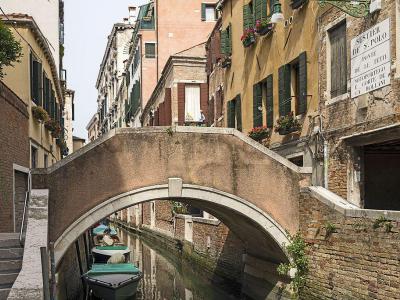
13) Ponte delle Tette (Bridge of the Tits)
Ponte delle Tette, a small bridge in the heart of Venice's former Red Light district of San Cassiano, holds a peculiar history. It earned its intriguing name, "Bridge of the Tits", due to its association with a unique practice from the past. During that time, prostitutes would gather on the bridge and openly display their bare chests, aiming to attract potential clients and convert suspected homosexuals. This particular procedure was encouraged by Venetian authorities as a means to address what they perceived as a new social issue.
Going the extra mile in its role of diverting men from "sin against nature", the Republic of Venice allowed prostitutes to use lanterns to illuminate their breasts at night, while also occasionally paying them to stand in a line across the bridge with breasts exposed (such display had the extra motivation of excluding transvestite prostitutes).
The Red Light district in Venice was officially sanctioned in the early 16th century, providing a regulated space for such activities. Casanova was said to be a frequent visitor, actively seeking his next victim.
Going the extra mile in its role of diverting men from "sin against nature", the Republic of Venice allowed prostitutes to use lanterns to illuminate their breasts at night, while also occasionally paying them to stand in a line across the bridge with breasts exposed (such display had the extra motivation of excluding transvestite prostitutes).
The Red Light district in Venice was officially sanctioned in the early 16th century, providing a regulated space for such activities. Casanova was said to be a frequent visitor, actively seeking his next victim.
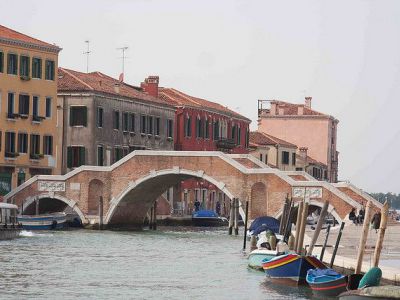
14) Ponte dei Tre Archi (Three Arches' Bridge)
The 17th-century Three Arches' Bridge ("Ponte dei Tre Archi") stands out as the sole three-arched bridge left in Venice, and largest of the city's bridges outside of the Grand Canal. Even regular motorboats pass gracefully beneath its three impressive arches. Located at the end of the Cannaregio Canal, which historically served as the main entrance to Venice before the introduction of rail and road connections, this area remains relatively untouched by tourist crowds. The bridge's commanding presence, visible from afar, adds to its Baroque-style allure and prominence.
In close proximity to the bridge, you will discover the Parco Savorgnan, one of the rare green spaces accessible to the public in Venice. On the other hand, if you venture further along the embankment, you will encounter the municipal slaughterhouse ("Macello Pubblico"). Originally constructed in 1843 by the hygiene-conscious Austrians, it bears ornate decorations featuring ox skulls. Today, following extensive deliberations, the space has been repurposed for use by the university.
In close proximity to the bridge, you will discover the Parco Savorgnan, one of the rare green spaces accessible to the public in Venice. On the other hand, if you venture further along the embankment, you will encounter the municipal slaughterhouse ("Macello Pubblico"). Originally constructed in 1843 by the hygiene-conscious Austrians, it bears ornate decorations featuring ox skulls. Today, following extensive deliberations, the space has been repurposed for use by the university.
