Custom Walk in Hiroshima, Japan by ksb69_64bd9 created on 2025-07-28
Guide Location: Japan » Hiroshima
Guide Type: Custom Walk
# of Sights: 14
Tour Duration: 3 Hour(s)
Travel Distance: 6.6 Km or 4.1 Miles
Share Key: MTX39
Guide Type: Custom Walk
# of Sights: 14
Tour Duration: 3 Hour(s)
Travel Distance: 6.6 Km or 4.1 Miles
Share Key: MTX39
How It Works
Please retrieve this walk in the GPSmyCity app. Once done, the app will guide you from one tour stop to the next as if you had a personal tour guide. If you created the walk on this website or come to the page via a link, please follow the instructions below to retrieve the walk in the app.
Retrieve This Walk in App
Step 1. Download the app "GPSmyCity: Walks in 1K+ Cities" on Apple App Store or Google Play Store.



Step 2. In the GPSmyCity app, download(or launch) the guide "Hiroshima Map and Walking Tours".
Step 3. Tap the menu button located at upper right corner of the "Walks" screen and select "Retrieve custom walk". Enter the share key: MTX39
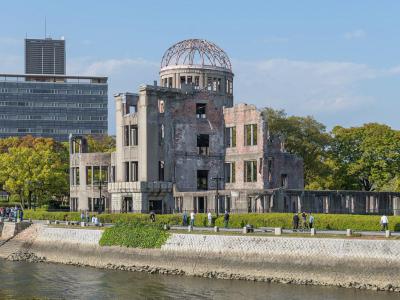
1) Atomic Bomb Dome (must see)
The Atomic Bomb Dome, also known as the Hiroshima Peace Memorial, stands as a poignant symbol of remembrance and peace in Hiroshima, Japan. Located within the Hiroshima Peace Memorial Park, this iconic structure was designated a UNESCO World Heritage Site in 1996. The building serves as a solemn memorial to the thousands of lives lost in the devastating atomic bombing of Hiroshima during World War II.
On August 6, 1945, at 8:15 am, the first nuclear bomb used in warfare detonated almost directly above the Atomic Bomb Dome. Originally, the "T"-shaped Aioi Bridge was the intended target, but the bomb missed slightly, and the dome became the center of the blast. Remarkably, the actual center of the explosion was 490 feet (150 meters) away and 1,968 feet (600 meters) above the ground. Despite being located at the epicenter of the blast, the dome's skeletal remains withstood the destructive force, making it an enduring symbol of resilience and hope amid tragedy.
In the aftermath of the bombing, as Hiroshima began to rebuild, the fate of the Atomic Bomb Dome became a matter of controversy. Some locals wanted it torn down, considering it a painful reminder of the past. However, others passionately advocated for its preservation as a somber testament to the horrors of nuclear warfare and a plea for peace.
In 1966, after much debate, Hiroshima City made the decision to preserve the A-bomb Dome indefinitely. The initiative to conserve the structure was supported by both local and international efforts, seeking funds to ensure its preservation. To date, the Atomic Bomb Dome has undergone two preservation projects to maintain its historical integrity and ensure its lasting legacy.
On August 6, 1945, at 8:15 am, the first nuclear bomb used in warfare detonated almost directly above the Atomic Bomb Dome. Originally, the "T"-shaped Aioi Bridge was the intended target, but the bomb missed slightly, and the dome became the center of the blast. Remarkably, the actual center of the explosion was 490 feet (150 meters) away and 1,968 feet (600 meters) above the ground. Despite being located at the epicenter of the blast, the dome's skeletal remains withstood the destructive force, making it an enduring symbol of resilience and hope amid tragedy.
In the aftermath of the bombing, as Hiroshima began to rebuild, the fate of the Atomic Bomb Dome became a matter of controversy. Some locals wanted it torn down, considering it a painful reminder of the past. However, others passionately advocated for its preservation as a somber testament to the horrors of nuclear warfare and a plea for peace.
In 1966, after much debate, Hiroshima City made the decision to preserve the A-bomb Dome indefinitely. The initiative to conserve the structure was supported by both local and international efforts, seeking funds to ensure its preservation. To date, the Atomic Bomb Dome has undergone two preservation projects to maintain its historical integrity and ensure its lasting legacy.
2) Ground Zero
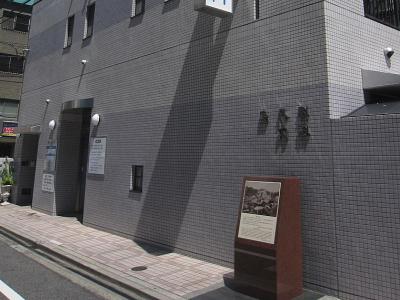
Ground Zero in Hiroshima holds a somber significance as the epicenter of the devastating atomic bombing that occurred on August 6, 1945. This marked site, located on a side street behind the A-bomb dome, stands as a poignant reminder of the destructive power of warfare and prompts deep contemplation on the necessity of such acts.
At this unassuming location, a stone plaque signifies the precise spot where the bomb was dropped, forever altering the course of history and leaving an indelible mark on the city and its people. The A-bomb dome, once the Hiroshima Prefectural Industrial Promotion Hall, stands as a haunting testament to the immense destruction unleashed by the bomb. It is a skeletal structure, preserved in its ruined state, symbolizing the resilience of humanity and the desire for peace.
Visiting Ground Zero in Hiroshima evokes a range of emotions. The sense of loss and tragedy is palpable as one stands in the place where countless lives were irrevocably changed. The sight of the A-bomb dome, with its shattered remnants frozen in time, serves as a stark reminder of the horrors of war and the catastrophic consequences of nuclear weapons.
The experience at Ground Zero compels visitors to question the necessity of war. It ignites a profound reflection on the choices made by humanity, the devastating consequences they can bring, and the urgent need to pursue peaceful solutions to conflicts. The humble nature of the site and its surroundings amplifies the gravity of the event, emphasizing the futility of war and the imperative for global cooperation and understanding.
At this unassuming location, a stone plaque signifies the precise spot where the bomb was dropped, forever altering the course of history and leaving an indelible mark on the city and its people. The A-bomb dome, once the Hiroshima Prefectural Industrial Promotion Hall, stands as a haunting testament to the immense destruction unleashed by the bomb. It is a skeletal structure, preserved in its ruined state, symbolizing the resilience of humanity and the desire for peace.
Visiting Ground Zero in Hiroshima evokes a range of emotions. The sense of loss and tragedy is palpable as one stands in the place where countless lives were irrevocably changed. The sight of the A-bomb dome, with its shattered remnants frozen in time, serves as a stark reminder of the horrors of war and the catastrophic consequences of nuclear weapons.
The experience at Ground Zero compels visitors to question the necessity of war. It ignites a profound reflection on the choices made by humanity, the devastating consequences they can bring, and the urgent need to pursue peaceful solutions to conflicts. The humble nature of the site and its surroundings amplifies the gravity of the event, emphasizing the futility of war and the imperative for global cooperation and understanding.
3) Memorial Cathedral for World Peace
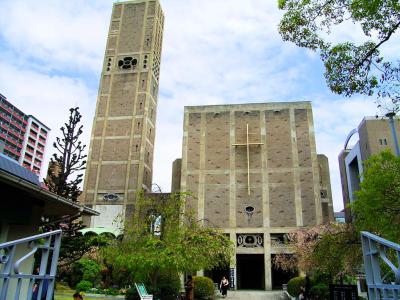
The Memorial Cathedral for World Peace, also known as the Assumption of Mary Cathedral, is a significant Catholic site located in Hiroshima. Consecrated as a monument to the victims of World War II and the atomic bombing of Hiroshima, this cathedral stands as a powerful symbol of peace and reconciliation.
The cathedral's inception is closely linked to Father Hugo Lassalle, a Jesuit priest and survivor of the atomic bombing, known in Japan as a hibakusha. Motivated by his experiences and driven by a vision of peace, Father Lassalle spearheaded the cathedral's construction, which began on August 6, 1950-the fifth anniversary of the bombing-and concluded four years later on the same date in 1954. The project received endorsements and support from global Catholic communities and even from Pope John XXIII, emphasizing its international significance.
Designed by Togo Murano, a prominent Japanese architect known for his role in various prestigious projects like the residence of Prince Hitachi and the Takarazuka City Hall, the cathedral showcases a blend of modern architectural elements and sacred art. Murano's design contributes to the cathedral's status as the first building designated as an Important Cultural Property in post-war Japan, alongside the Peace Memorial Museum.
The cathedral functions as the principal church of the Diocese of Hiroshima, following the Roman or Latin rite. Its daily services are conducted in multiple languages, including Japanese, English, Portuguese, Spanish, and Vietnamese, reflecting its global outreach and the diverse community it serves.
Artistically, the cathedral houses significant international contributions, enhancing its global connection. The main altar was donated by Belgium, the pipe organ and the statue of the cross by Germany, and the stained glass by Australia and Mexico. These elements not only enrich the aesthetic value of the cathedral but also symbolize worldwide solidarity with Hiroshima’s message of peace. The pipe organ, a gift from Cologne, Germany, is particularly notable, with monthly concerts that continue to resonate with the community and visitors alike.
The cathedral's inception is closely linked to Father Hugo Lassalle, a Jesuit priest and survivor of the atomic bombing, known in Japan as a hibakusha. Motivated by his experiences and driven by a vision of peace, Father Lassalle spearheaded the cathedral's construction, which began on August 6, 1950-the fifth anniversary of the bombing-and concluded four years later on the same date in 1954. The project received endorsements and support from global Catholic communities and even from Pope John XXIII, emphasizing its international significance.
Designed by Togo Murano, a prominent Japanese architect known for his role in various prestigious projects like the residence of Prince Hitachi and the Takarazuka City Hall, the cathedral showcases a blend of modern architectural elements and sacred art. Murano's design contributes to the cathedral's status as the first building designated as an Important Cultural Property in post-war Japan, alongside the Peace Memorial Museum.
The cathedral functions as the principal church of the Diocese of Hiroshima, following the Roman or Latin rite. Its daily services are conducted in multiple languages, including Japanese, English, Portuguese, Spanish, and Vietnamese, reflecting its global outreach and the diverse community it serves.
Artistically, the cathedral houses significant international contributions, enhancing its global connection. The main altar was donated by Belgium, the pipe organ and the statue of the cross by Germany, and the stained glass by Australia and Mexico. These elements not only enrich the aesthetic value of the cathedral but also symbolize worldwide solidarity with Hiroshima’s message of peace. The pipe organ, a gift from Cologne, Germany, is particularly notable, with monthly concerts that continue to resonate with the community and visitors alike.
4) Shukkei-en Garden (must see)
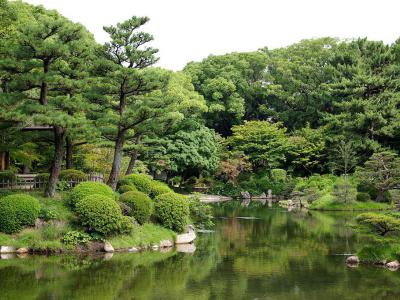
Shukkei-en Garden is a historic and exquisite Japanese garden with a rich and fascinating history. Its construction began in 1620 during the Edo period, under the orders of Asano Nagaakira, the daimyo (feudal lord) of Hiroshima Han.
To create this magnificent garden, the seventh lord of the Han summoned a skilled expert in Japanese garden construction from Kyoto. With their expertise, Shukkei-en was meticulously designed and crafted to embody the essence of traditional Japanese landscaping and aesthetics.
During the Meiji period, the garden served as a tranquil retreat and villa for the Asano family. However, its significance expanded when Emperor Meiji's Imperial General Headquarters were relocated to Hiroshima, and the emperor briefly stayed at the villa. Following this historical event, the garden was opened to the public, allowing visitors to appreciate its serene beauty and harmonious design.
The garden's journey took a significant turn during World War II when Hiroshima became the target of the first atomic bomb used in warfare. Shukkei-en Garden, unfortunately, lay in close proximity to Ground Zero of the nuclear attack. The bombing inflicted extensive damage on the garden, devastating its carefully curated landscapes and structures.
In the aftermath of the bombing, the garden served as a place of refuge for victims of the war, providing solace amidst the chaos and destruction. Despite the challenges faced during this dark period, the resilience of the people and their dedication to preserving their cultural heritage allowed for the rehabilitation and restoration of Shukkei-en Garden.
Following renovations and reconstruction efforts, the garden triumphantly reopened its gates to the public in 1951, presenting once again a haven of tranquility and beauty amidst the bustling city of Hiroshima. The carefully tended landscapes, picturesque ponds, graceful bridges, and traditional structures all contribute to the charm and allure of Shukkei-en.
Today, visitors from all over the world can experience the profound historical significance and the serene ambiance that envelopes Shukkei-en Garden. It stands as a testament to the enduring spirit of the Japanese people, symbolizing their ability to rebuild and heal even after facing immense adversity.
To create this magnificent garden, the seventh lord of the Han summoned a skilled expert in Japanese garden construction from Kyoto. With their expertise, Shukkei-en was meticulously designed and crafted to embody the essence of traditional Japanese landscaping and aesthetics.
During the Meiji period, the garden served as a tranquil retreat and villa for the Asano family. However, its significance expanded when Emperor Meiji's Imperial General Headquarters were relocated to Hiroshima, and the emperor briefly stayed at the villa. Following this historical event, the garden was opened to the public, allowing visitors to appreciate its serene beauty and harmonious design.
The garden's journey took a significant turn during World War II when Hiroshima became the target of the first atomic bomb used in warfare. Shukkei-en Garden, unfortunately, lay in close proximity to Ground Zero of the nuclear attack. The bombing inflicted extensive damage on the garden, devastating its carefully curated landscapes and structures.
In the aftermath of the bombing, the garden served as a place of refuge for victims of the war, providing solace amidst the chaos and destruction. Despite the challenges faced during this dark period, the resilience of the people and their dedication to preserving their cultural heritage allowed for the rehabilitation and restoration of Shukkei-en Garden.
Following renovations and reconstruction efforts, the garden triumphantly reopened its gates to the public in 1951, presenting once again a haven of tranquility and beauty amidst the bustling city of Hiroshima. The carefully tended landscapes, picturesque ponds, graceful bridges, and traditional structures all contribute to the charm and allure of Shukkei-en.
Today, visitors from all over the world can experience the profound historical significance and the serene ambiance that envelopes Shukkei-en Garden. It stands as a testament to the enduring spirit of the Japanese people, symbolizing their ability to rebuild and heal even after facing immense adversity.
5) Imperial Headquarter Ruins
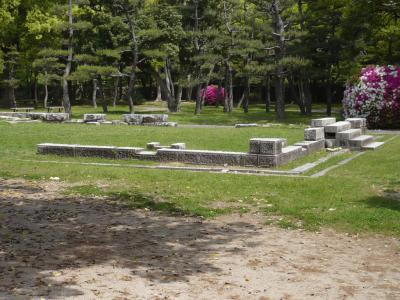
The Imperial General Headquarters Ruins in Hiroshima, located within Hiroshima Castle Park, represent a significant historical site from World War II. These ruins consist mainly of the stone foundations of military barracks that were obliterated during the 1945 atomic bombing. Alongside these foundations, the remnants of a concrete bunker are also present, notable as the location from where the first radio broadcast was made following the disaster.
Originally constructed in 1894, the site served as the headquarters for the Imperial 5th Division during the Second World War. It was one of the primary military facilities near Hiroshima Castle, a key area filled with numerous military installations such as the Chugoku regional military headquarters. This complex was centrally located within one kilometer of ground zero and was destroyed by the Hiroshima atomic bomb blast on August 6, 1945. The attack resulted in the deaths of more than 400 people at this location.
Recent excavations, which began in October 2020 and concluded in March 2022, have uncovered the extensive scale of these ruins, revealing them to be among the largest remnants of the atomic bombing discovered to date. The site historically hosted facilities for the Chugoku military district’s logistics corps, which was responsible for the transportation and supply of military essentials including ammunition, food, and clothing. Findings from the excavation include foundations of buildings, stone pavements, waterways, and other infrastructure.
Post-war, the area was repurposed to provide housing for war victims and was later transformed into the city’s central park square. Currently, there are plans to construct a new soccer stadium on this historically rich site, with the opening scheduled for 2024. This ongoing development underscores the continuous evolution and utilization of the site, bridging its historical significance with contemporary uses.
Originally constructed in 1894, the site served as the headquarters for the Imperial 5th Division during the Second World War. It was one of the primary military facilities near Hiroshima Castle, a key area filled with numerous military installations such as the Chugoku regional military headquarters. This complex was centrally located within one kilometer of ground zero and was destroyed by the Hiroshima atomic bomb blast on August 6, 1945. The attack resulted in the deaths of more than 400 people at this location.
Recent excavations, which began in October 2020 and concluded in March 2022, have uncovered the extensive scale of these ruins, revealing them to be among the largest remnants of the atomic bombing discovered to date. The site historically hosted facilities for the Chugoku military district’s logistics corps, which was responsible for the transportation and supply of military essentials including ammunition, food, and clothing. Findings from the excavation include foundations of buildings, stone pavements, waterways, and other infrastructure.
Post-war, the area was repurposed to provide housing for war victims and was later transformed into the city’s central park square. Currently, there are plans to construct a new soccer stadium on this historically rich site, with the opening scheduled for 2024. This ongoing development underscores the continuous evolution and utilization of the site, bridging its historical significance with contemporary uses.
6) Children's Science Museum
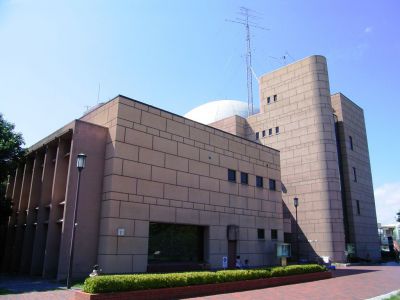
The Hiroshima Children's Museum, established in 1980, is a captivating destination nestled within the Hiroshima City Children's Library, designed to inspire and educate young minds. Located centrally, adjacent to the Green Arena convention center and the seasonal Family Pool, the museum is a beacon of learning in a city steeped in historical significance.
This museum offers a dynamic environment where children can immerse themselves in interactive exhibits and activities that cover a broad range of topics including science, culture, and local history. Given Hiroshima’s unique background as the site of the first atomic bombing, the museum also likely integrates themes of peace and understanding into its educational content.
The facility spreads across two floors, each packed with engaging and educational installations. The first floor features a science discovery area where children can explore physical phenomena like gravity and electric currents through hands-on experiments. They can measure their speed on a racing track, navigate through a climbable maze, or slide down to the floor below. The second floor offers model trains and computer simulation games, including a virtual soccer block game, enriching the learning experience with fun and interactive technology.
Additionally, the museum's proximity to the A-bomb Dome tram or bus stop, an iconic historical site, enhances its educational value, making it a poignant stop for those visiting the city. Nearby, children can also explore an old-fashioned train display and enjoy the bustling concrete courtyard popular with skateboarders and BMX riders.
While entry to the museum is free, there is a fee for the Planetarium, which promises a stellar astronomical experience. Adjacent to the museum is a public library filled with children's books primarily in Japanese, including beautifully illustrated picture books that appeal to non-Japanese speakers as well.
This museum offers a dynamic environment where children can immerse themselves in interactive exhibits and activities that cover a broad range of topics including science, culture, and local history. Given Hiroshima’s unique background as the site of the first atomic bombing, the museum also likely integrates themes of peace and understanding into its educational content.
The facility spreads across two floors, each packed with engaging and educational installations. The first floor features a science discovery area where children can explore physical phenomena like gravity and electric currents through hands-on experiments. They can measure their speed on a racing track, navigate through a climbable maze, or slide down to the floor below. The second floor offers model trains and computer simulation games, including a virtual soccer block game, enriching the learning experience with fun and interactive technology.
Additionally, the museum's proximity to the A-bomb Dome tram or bus stop, an iconic historical site, enhances its educational value, making it a poignant stop for those visiting the city. Nearby, children can also explore an old-fashioned train display and enjoy the bustling concrete courtyard popular with skateboarders and BMX riders.
While entry to the museum is free, there is a fee for the Planetarium, which promises a stellar astronomical experience. Adjacent to the museum is a public library filled with children's books primarily in Japanese, including beautifully illustrated picture books that appeal to non-Japanese speakers as well.
7) Honkawa Elementary School Peace Museum
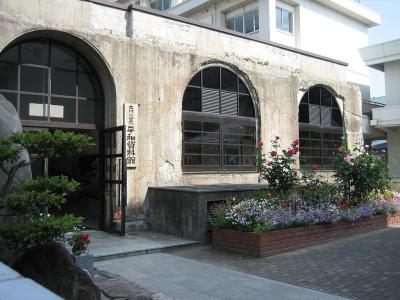
The Honkawa Elementary School Peace Museum in Hiroshima, Japan, is a significant historical site commemorating the devastating impact of the atomic bomb dropped on Hiroshima on August 6, 1945. The school, located closest to ground zero, lost around 400 students and over 10 teachers, while the building suffered extensive damage. Today, the Peace Museum, managed by the school's PTA and former members, is housed in the basement of the original building. Students actively participate in its maintenance. Each year on August 5, a memorial service honors the victims.
The school is featured in the manga "Barefoot Gen" to preserve its story. Founded in 1873, the school underwent evacuation during WWII but reopened in 1946 with limited resources. Generous donations from All Souls Church helped the school recover. Renamed Hiroshima City Honkawa Elementary School, it became a designated "School of the Peace Memorial City" in 1950. In 1988, a new building was constructed, and part of the old building became the Peace Museum. A memorial for the atomic bomb victims was established in 1998. The museum has attracted thousands of visitors, and a collection of stories related to the bombing was compiled.
The school is featured in the manga "Barefoot Gen" to preserve its story. Founded in 1873, the school underwent evacuation during WWII but reopened in 1946 with limited resources. Generous donations from All Souls Church helped the school recover. Renamed Hiroshima City Honkawa Elementary School, it became a designated "School of the Peace Memorial City" in 1950. In 1988, a new building was constructed, and part of the old building became the Peace Museum. A memorial for the atomic bomb victims was established in 1998. The museum has attracted thousands of visitors, and a collection of stories related to the bombing was compiled.
8) Atomic Bomb Memorial Burial Mound
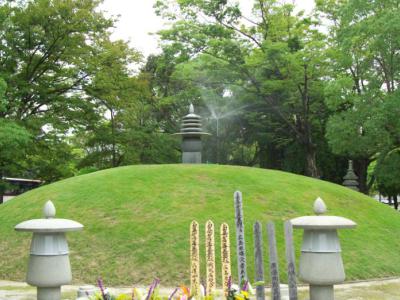
The Atomic Bomb Memorial Burial Mound stands as a poignant testament to the devastating impact of the atomic bomb on Hiroshima. Located within the serene confines of the Peace Memorial Park, this grass-covered knoll serves as the resting place for the cremated ashes of approximately 70,000 unidentified victims of the bomb.
Below the surface of the gentle mound lies a vault that holds the remains of thousands of unclaimed or unidentified victims. These individuals, tragically rendered nameless by the destructive forces unleashed upon the city, find their final resting place within this solemn memorial.
The Atomic Bomb Memorial Mound carries profound significance, not only as a burial site but also as a symbol of the immense suffering experienced by the people of Hiroshima. The horrific nature of the atomic bomb's impact left many victims beyond recognition, their bodies charred and disfigured. Consequently, their identities were lost, leaving their loved ones unable to mourn them properly or provide them with individualized resting places.
In addition to the harrowing destruction caused by the blast, the intense heat and subsequent fires that engulfed Hiroshima caused unbearable thirst among the victims. As they faced unimaginable pain and impending death, countless individuals pleaded for water to quench their unyielding thirst. As a testament to this heartbreaking aspect of the tragedy, mourners often leave glasses or bottles of water near the memorial mound, a symbolic gesture honoring the victims' final moments and their desperate cries for relief.
The site stands as a solemn place of reflection, inviting visitors from around the world to pay their respects and contemplate the devastating consequences of nuclear warfare. It serves as a poignant reminder of the horrors of the past, urging us to work towards a future where such tragedy is never repeated.
Below the surface of the gentle mound lies a vault that holds the remains of thousands of unclaimed or unidentified victims. These individuals, tragically rendered nameless by the destructive forces unleashed upon the city, find their final resting place within this solemn memorial.
The Atomic Bomb Memorial Mound carries profound significance, not only as a burial site but also as a symbol of the immense suffering experienced by the people of Hiroshima. The horrific nature of the atomic bomb's impact left many victims beyond recognition, their bodies charred and disfigured. Consequently, their identities were lost, leaving their loved ones unable to mourn them properly or provide them with individualized resting places.
In addition to the harrowing destruction caused by the blast, the intense heat and subsequent fires that engulfed Hiroshima caused unbearable thirst among the victims. As they faced unimaginable pain and impending death, countless individuals pleaded for water to quench their unyielding thirst. As a testament to this heartbreaking aspect of the tragedy, mourners often leave glasses or bottles of water near the memorial mound, a symbolic gesture honoring the victims' final moments and their desperate cries for relief.
The site stands as a solemn place of reflection, inviting visitors from around the world to pay their respects and contemplate the devastating consequences of nuclear warfare. It serves as a poignant reminder of the horrors of the past, urging us to work towards a future where such tragedy is never repeated.
9) Peace Bells
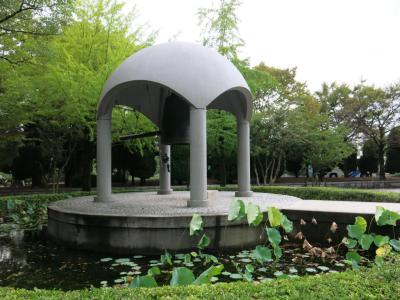
In the serene and hallowed grounds of Hiroshima Peace Park three Peace Bells stand as resonant symbols of hope, unity, and a shared vision for a world free from the ravages of war. Among these bells, the most renowned and iconic one captures the attention of visitors from near and far.
The Peace Bell, a magnificent creation dating back to 1964, is an awe-inspiring sight. Housed inside a small open-sided structure, this large Japanese bell holds a profound significance. With each melodious toll, the Peace Bell resounds throughout the park, reaching the hearts of all who hear it. The act of ringing the bell not only stands as a gesture of remembrance for the victims of the atomic bombing but also serves as a collective commitment to a future devoid of conflict and violence.
Designed by the talented artist Masahiko Katori, the surface of the bell holds a striking representation of the world. A map of the globe serves as a poignant reminder of the interconnectedness of all humanity, emphasizing the need for global cooperation and understanding. At the heart of the bell's design lies an atomic symbol, a solemn reminder of the profound consequences of nuclear warfare.
Inscribed on the bell are words that transcend language barriers. In Greek, Japanese, and Sanskrit, the inscription reads "Know yourself." This deeply philosophical message, attributed to the great thinker Socrates, serves as a profound call for self-reflection and introspection. It reminds us that understanding ourselves and our own motivations is essential in striving for a peaceful world.
The Peace Bell, a magnificent creation dating back to 1964, is an awe-inspiring sight. Housed inside a small open-sided structure, this large Japanese bell holds a profound significance. With each melodious toll, the Peace Bell resounds throughout the park, reaching the hearts of all who hear it. The act of ringing the bell not only stands as a gesture of remembrance for the victims of the atomic bombing but also serves as a collective commitment to a future devoid of conflict and violence.
Designed by the talented artist Masahiko Katori, the surface of the bell holds a striking representation of the world. A map of the globe serves as a poignant reminder of the interconnectedness of all humanity, emphasizing the need for global cooperation and understanding. At the heart of the bell's design lies an atomic symbol, a solemn reminder of the profound consequences of nuclear warfare.
Inscribed on the bell are words that transcend language barriers. In Greek, Japanese, and Sanskrit, the inscription reads "Know yourself." This deeply philosophical message, attributed to the great thinker Socrates, serves as a profound call for self-reflection and introspection. It reminds us that understanding ourselves and our own motivations is essential in striving for a peaceful world.
10) Hiroshima Peace Memorial Museum (must see)
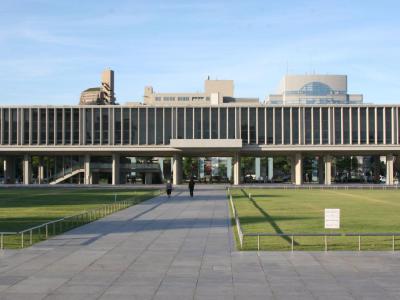
The Hiroshima Peace Memorial Museum stands as a powerful testament to the devastating impact of the atomic bomb and serves as a poignant reminder of the urgent need for peace and nuclear disarmament. Established in 1955, the museum's mission is to communicate the reality of the damage caused by the atomic bomb to people worldwide and to advocate for the abolition of nuclear weapons and the attainment of lasting global peace, at the very core of Hiroshima's essence.
On the fateful morning of August 6, 1945, at 8:15 am, Hiroshima became the first city in the world to suffer the catastrophic consequences of an atomic bomb. The unimaginable devastation resulted in the destruction of most of the city and the loss of countless lives. Those who miraculously survived the bombing endured severe physical and psychological trauma, with many A-bomb survivors continuing to suffer to this day.
The Hiroshima Peace Memorial Museum collects and displays an array of poignant photographs and artifacts, showcasing the grim remains of the A-bomb survivors and the devastation caused by the bomb's explosion. The exhibits also chronicle the history of Hiroshima before and after the bombing and offer insights into the broader context of the nuclear age. Through its thought-provoking displays, the museum offers visitors a deep understanding of the profound consequences of nuclear warfare and the impact on human lives.
Additionally, the museum plays an active role in preserving the stories of A-bomb survivors by organizing lectures where survivors share their experiences. These first-hand accounts serve as powerful testimonials, fostering empathy and understanding among visitors, and emphasizing the importance of peace and reconciliation.
On the fateful morning of August 6, 1945, at 8:15 am, Hiroshima became the first city in the world to suffer the catastrophic consequences of an atomic bomb. The unimaginable devastation resulted in the destruction of most of the city and the loss of countless lives. Those who miraculously survived the bombing endured severe physical and psychological trauma, with many A-bomb survivors continuing to suffer to this day.
The Hiroshima Peace Memorial Museum collects and displays an array of poignant photographs and artifacts, showcasing the grim remains of the A-bomb survivors and the devastation caused by the bomb's explosion. The exhibits also chronicle the history of Hiroshima before and after the bombing and offer insights into the broader context of the nuclear age. Through its thought-provoking displays, the museum offers visitors a deep understanding of the profound consequences of nuclear warfare and the impact on human lives.
Additionally, the museum plays an active role in preserving the stories of A-bomb survivors by organizing lectures where survivors share their experiences. These first-hand accounts serve as powerful testimonials, fostering empathy and understanding among visitors, and emphasizing the importance of peace and reconciliation.
11) Memorial Cenotaph (must see)
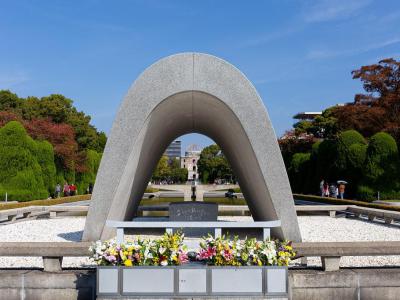
The Memorial Cenotaph stands at the heart of the Hiroshima Peace Memorial Park, a powerful symbol of remembrance and a resolute commitment to a world free from the horrors of war. This concrete, saddle-shaped monument bears the weight of history, displaying the names of all those who tragically lost their lives to the devastating atomic bomb.
The epitaph etched onto the cenotaph solemnly reads, "Rest in Peace, for the error shall not be repeated." These words serve as a haunting reminder of the consequences of nuclear warfare and the profound loss experienced by the people of Hiroshima.
As one gazes through the center of the monument, an ethereal sight unfolds. The Peace Flame and the iconic A-Bomb Dome stand in the background, forming a poignant tableau of hope amidst the ruins of destruction. The Peace Flame, eternally burning, represents the city's unyielding desire for lasting peace, while the skeletal remains of the A-Bomb Dome bear witness to the tragic events of the past, serving as a powerful testament to the need for a world free from nuclear weapons.
The arch shape of the cenotaph carries a deeper significance. It symbolizes a shelter, a sanctuary for the souls of the victims, comforting them in their eternal rest and reminding the living of their solemn duty to ensure that such horrors are never repeated.
Every year on August 6th, a day known as "A-bomb Day," the City of Hiroshima holds the Hiroshima Peace Memorial Ceremony. This solemn event serves to console the victims of the atomic bombs and to pray for a world where peace prevails. Citizens, as well as the families of the deceased, come together to participate in this poignant ceremony.
At 8:15 am, the precise moment when the atomic bomb exploded over Hiroshima, one minute of silence is observed. The city stands still, as the present honors the past, remembering those whose lives were forever altered by the devastation of war.
The Memorial Cenotaph in Hiroshima stands as a testament to the resilience of the human spirit and the unyielding pursuit of peace. It serves as a place of reflection, healing, and unity for people from all walks of life, transcending borders and cultures.
The epitaph etched onto the cenotaph solemnly reads, "Rest in Peace, for the error shall not be repeated." These words serve as a haunting reminder of the consequences of nuclear warfare and the profound loss experienced by the people of Hiroshima.
As one gazes through the center of the monument, an ethereal sight unfolds. The Peace Flame and the iconic A-Bomb Dome stand in the background, forming a poignant tableau of hope amidst the ruins of destruction. The Peace Flame, eternally burning, represents the city's unyielding desire for lasting peace, while the skeletal remains of the A-Bomb Dome bear witness to the tragic events of the past, serving as a powerful testament to the need for a world free from nuclear weapons.
The arch shape of the cenotaph carries a deeper significance. It symbolizes a shelter, a sanctuary for the souls of the victims, comforting them in their eternal rest and reminding the living of their solemn duty to ensure that such horrors are never repeated.
Every year on August 6th, a day known as "A-bomb Day," the City of Hiroshima holds the Hiroshima Peace Memorial Ceremony. This solemn event serves to console the victims of the atomic bombs and to pray for a world where peace prevails. Citizens, as well as the families of the deceased, come together to participate in this poignant ceremony.
At 8:15 am, the precise moment when the atomic bomb exploded over Hiroshima, one minute of silence is observed. The city stands still, as the present honors the past, remembering those whose lives were forever altered by the devastation of war.
The Memorial Cenotaph in Hiroshima stands as a testament to the resilience of the human spirit and the unyielding pursuit of peace. It serves as a place of reflection, healing, and unity for people from all walks of life, transcending borders and cultures.
12) Flame of Peace
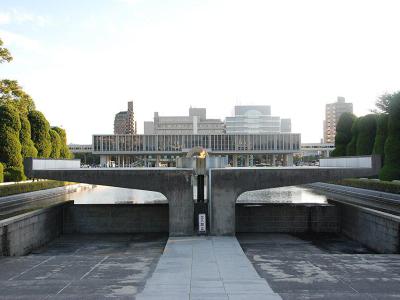
The Flame of Peace in Hiroshima is a symbol of hope and remembrance, representing the desire for a world without nuclear weapons. Located in Hiroshima Peace Memorial Park, this monument attracts visitors worldwide who come to pay their respects and promote peace. The flame burns on a stone platform shaped like hands, symbolizing the resilience of atomic bomb victims. It serves as a constant reminder to eliminate nuclear weapons.
For more than 75 years, since the end of World War II, the "Flame of Peace" has held its vigil, fueling the aspirations of those who seek a future free from the horrors of nuclear warfare.
The monument, along with the Atomic Bomb Dome, creates a solemn experience that deepens the understanding of the devastating consequences of nuclear warfare. The "Flame of Peace" has become an international symbol of peace, drawing visitors to advocate for a nuclear-free world. Its eternal glow represents the hope for a peaceful future and inspires efforts towards global security.
For more than 75 years, since the end of World War II, the "Flame of Peace" has held its vigil, fueling the aspirations of those who seek a future free from the horrors of nuclear warfare.
The monument, along with the Atomic Bomb Dome, creates a solemn experience that deepens the understanding of the devastating consequences of nuclear warfare. The "Flame of Peace" has become an international symbol of peace, drawing visitors to advocate for a nuclear-free world. Its eternal glow represents the hope for a peaceful future and inspires efforts towards global security.
13) Hiroshima Peace Memorial Park (must see)
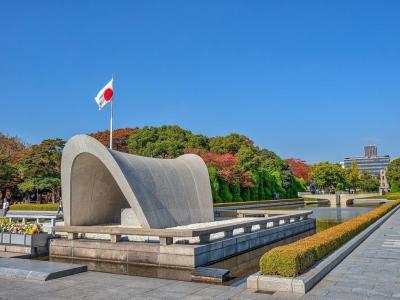
Hiroshima Peace Memorial Park stands as a profound testament to the enduring legacy of Hiroshima, as the first city in the world to suffer the devastating impact of a nuclear attack during World War II. The park is a dedicated space that pays homage to the memories of the direct and indirect victims of the atomic bomb, which claimed the lives of as many as 140,000 people. Located in what was once the bustling downtown commercial and residential district of the city, the park was built on the open field that was created by the destructive explosion.
Today, Hiroshima Peace Memorial Park encompasses a range of memorials, monuments, museums, and lecture halls, attracting over a million visitors annually from all corners of the globe. The park serves as a poignant reminder of the atrocities of nuclear warfare and the devastating consequences it can unleash upon humanity.
More than just a place of mourning, Hiroshima Peace Memorial Park serves a broader purpose: to serve as a potent symbol for peace advocacy worldwide. Visitors to the park are invited to contemplate the immense suffering and loss caused by the atomic bomb, and to reflect on the value of life and the importance of cherishing peace. The park's museums and exhibitions provide in-depth insights into the events surrounding the atomic bombing, leaving visitors with a profound sense of responsibility to work towards a world where such devastation is never repeated.
Today, Hiroshima Peace Memorial Park encompasses a range of memorials, monuments, museums, and lecture halls, attracting over a million visitors annually from all corners of the globe. The park serves as a poignant reminder of the atrocities of nuclear warfare and the devastating consequences it can unleash upon humanity.
More than just a place of mourning, Hiroshima Peace Memorial Park serves a broader purpose: to serve as a potent symbol for peace advocacy worldwide. Visitors to the park are invited to contemplate the immense suffering and loss caused by the atomic bomb, and to reflect on the value of life and the importance of cherishing peace. The park's museums and exhibitions provide in-depth insights into the events surrounding the atomic bombing, leaving visitors with a profound sense of responsibility to work towards a world where such devastation is never repeated.
14) Children's Peace Monument
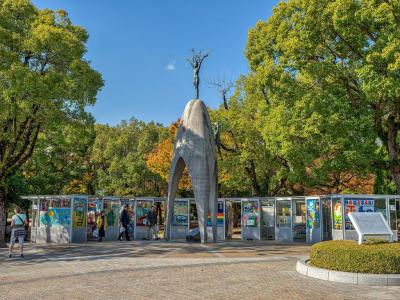
The Children's Peace Monument stands as a poignant and heartfelt tribute to the innocent victims of the atomic bombing of Hiroshima, with a special focus on one brave young girl named Sadako Sasaki. This monument, which serves as a symbol of peace and hope, was meticulously designed by Japanese artists Kazuo Kikuchi and Kiyoshi Ikebe.
The story behind the creation of the Children's Peace Monument is deeply touching. In the aftermath of the atomic bombing, a fundraising campaign was initiated by Japanese school children, including Sadako's classmates, to construct a monument dedicated to the memory of the thousands of children who tragically lost their lives due to the horrific event. On May 5, 1958, known as Children's Day in Japan, the main statue of the monument, titled 'A-bomb Children,' was unveiled to the public.
At the top of the statue stands a representation of Sadako Sasaki, a young girl who captured the hearts of many with her courageous and inspiring story. Sadako was diagnosed with leukemia, often referred to as the "atomic bomb disease," a result of the radiation exposure from the bombing. While facing her illness, she took inspiration from a Japanese legend that folding a thousand origami cranes would grant a wish. Despite her frailty, Sadako devoted her days to folding paper cranes in the hope of a world without war and suffering.
Sadly, Sadako passed away at the tender age of twelve, having folded over a thousand cranes. Her indomitable spirit and wish for peace resonated with people worldwide, leading to the tradition of leaving origami cranes at the Children's Peace Monument as a symbol of hope, peace, and solidarity with the victims of war.
The story behind the creation of the Children's Peace Monument is deeply touching. In the aftermath of the atomic bombing, a fundraising campaign was initiated by Japanese school children, including Sadako's classmates, to construct a monument dedicated to the memory of the thousands of children who tragically lost their lives due to the horrific event. On May 5, 1958, known as Children's Day in Japan, the main statue of the monument, titled 'A-bomb Children,' was unveiled to the public.
At the top of the statue stands a representation of Sadako Sasaki, a young girl who captured the hearts of many with her courageous and inspiring story. Sadako was diagnosed with leukemia, often referred to as the "atomic bomb disease," a result of the radiation exposure from the bombing. While facing her illness, she took inspiration from a Japanese legend that folding a thousand origami cranes would grant a wish. Despite her frailty, Sadako devoted her days to folding paper cranes in the hope of a world without war and suffering.
Sadly, Sadako passed away at the tender age of twelve, having folded over a thousand cranes. Her indomitable spirit and wish for peace resonated with people worldwide, leading to the tradition of leaving origami cranes at the Children's Peace Monument as a symbol of hope, peace, and solidarity with the victims of war.
