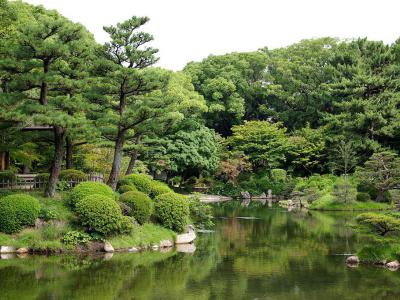


Shukkei-en Garden, Hiroshima (must see)
Shukkei-en Garden is a historic and exquisite Japanese landscape garden with a rich and fascinating history. Its construction began in 1620 during the Edo period at the request of Asano Nagaakira, the first feudal lord of the Hiroshima Domain.
The garden was designed by Ueda Sōko, a distinguished warrior, tea master, and landscape designer who served the Asano family. He created a masterpiece of traditional Japanese garden design, arranging miniature mountains, valleys, islands, bridges, and streams around a central pond to evoke the beauty of natural landscapes in a compact setting. In 1940, the Asano family donated the garden to Hiroshima Prefecture, and it was opened to the public.
The garden's history took a dramatic turn during the Second World War. On August 6, 1945, most of its buildings were destroyed, the landscape was devastated, and many trees were severely damaged. In the immediate aftermath of the bombing, the garden became a refuge for thousands of injured survivors seeking shelter, water, and medical assistance.
Following extensive reconstruction, Shukkei-en reopened to the public in 1951. Today, its carefully maintained landscapes, tranquil ponds, graceful bridges, traditional tea houses, and seasonal flowers once again offer visitors a peaceful retreat.
After entering through the main entrance on the southern side of the garden, follow the main path to reach Seifukan, a traditional tea-house building overlooking the water. From there, continue north to Kokokyo Bridge, the elegant arched stone bridge crossing the narrow central section of Takuei Pond. This is one of the garden’s most recognizable viewpoints, with small islands, carefully arranged rocks, and reflections spreading across the pond on either side.
Return to Seifukan and, with your back to the pond, turn right. Continue along the path to reach Chozenkyo, a scenic area of miniature hills, streams, and rock formations designed to resemble a mountain landscape. As you follow the path around the eastern side of the pond, look for Kankato Arbor, Yuyutei Tea House, and Geikiho Peak, an artificial hill offering elevated views across the garden.
The garden was designed by Ueda Sōko, a distinguished warrior, tea master, and landscape designer who served the Asano family. He created a masterpiece of traditional Japanese garden design, arranging miniature mountains, valleys, islands, bridges, and streams around a central pond to evoke the beauty of natural landscapes in a compact setting. In 1940, the Asano family donated the garden to Hiroshima Prefecture, and it was opened to the public.
The garden's history took a dramatic turn during the Second World War. On August 6, 1945, most of its buildings were destroyed, the landscape was devastated, and many trees were severely damaged. In the immediate aftermath of the bombing, the garden became a refuge for thousands of injured survivors seeking shelter, water, and medical assistance.
Following extensive reconstruction, Shukkei-en reopened to the public in 1951. Today, its carefully maintained landscapes, tranquil ponds, graceful bridges, traditional tea houses, and seasonal flowers once again offer visitors a peaceful retreat.
After entering through the main entrance on the southern side of the garden, follow the main path to reach Seifukan, a traditional tea-house building overlooking the water. From there, continue north to Kokokyo Bridge, the elegant arched stone bridge crossing the narrow central section of Takuei Pond. This is one of the garden’s most recognizable viewpoints, with small islands, carefully arranged rocks, and reflections spreading across the pond on either side.
Return to Seifukan and, with your back to the pond, turn right. Continue along the path to reach Chozenkyo, a scenic area of miniature hills, streams, and rock formations designed to resemble a mountain landscape. As you follow the path around the eastern side of the pond, look for Kankato Arbor, Yuyutei Tea House, and Geikiho Peak, an artificial hill offering elevated views across the garden.
Want to visit this sight? Check out these Self-Guided Walking Tours in Hiroshima. Alternatively, you can download the mobile app "GPSmyCity: Walks in 1K+ Cities" from Apple App Store or Google Play Store. The app turns your mobile device to a personal tour guide and it works offline, so no data plan is needed when traveling abroad.
Download The GPSmyCity App



Shukkei-en Garden on Map
Sight Name: Shukkei-en Garden
Sight Location: Hiroshima, Japan (See walking tours in Hiroshima)
Sight Type: Attraction/Landmark
Guide(s) Containing This Sight:
Sight Location: Hiroshima, Japan (See walking tours in Hiroshima)
Sight Type: Attraction/Landmark
Guide(s) Containing This Sight:
Nearby Sights
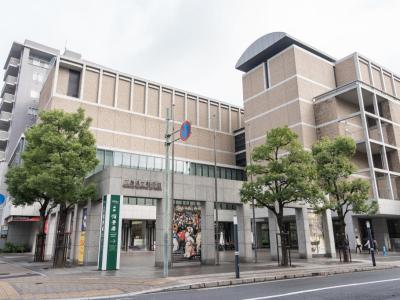
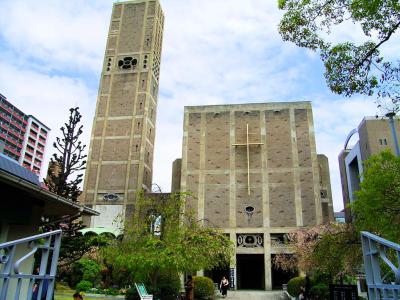
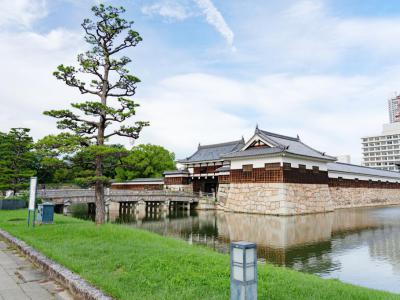

Walking Tours in Hiroshima, Japan

Create Your Own Walk in Hiroshima
Creating your own self-guided walk in Hiroshima is easy and fun. Choose the city attractions that you want to see and a walk route map will be created just for you. You can even set your hotel as the start point of the walk.
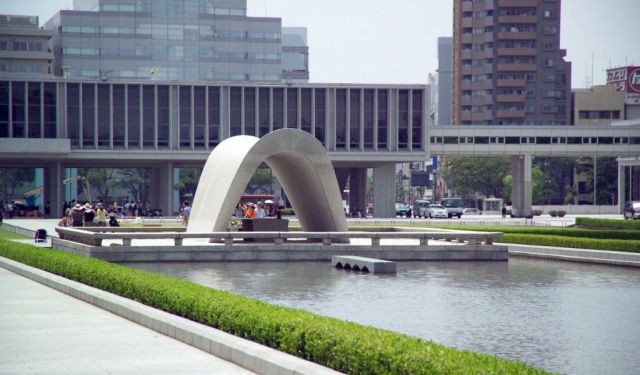
Hiroshima Peace Memorial Tour
Hiroshima Peace Memorial Park stands as a solemn testament to one of the darkest chapters in human history. It is a haunting reminder of the catastrophic consequences of nuclear warfare during the Second World War. Its grounds, marked by deeply moving memorials, bear witness to the immense suffering and loss caused by the atomic bombing of Hiroshima on August 6, 1945.
Among the most significant... view more
Tour Duration: 1 Hour(s)
Travel Distance: 1.2 Km or 0.7 Miles
Among the most significant... view more
Tour Duration: 1 Hour(s)
Travel Distance: 1.2 Km or 0.7 Miles
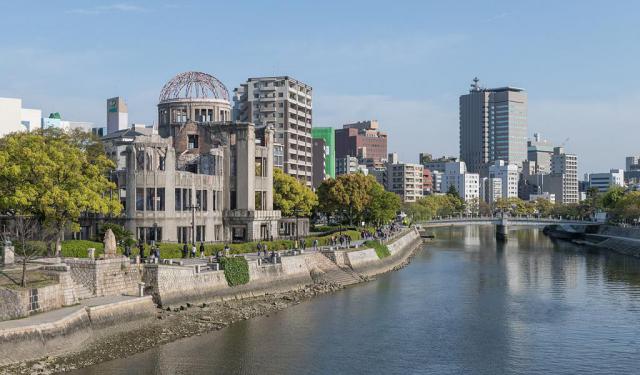
A Walk Through Hiroshima Downtown
Hiroshima is a major city in southwestern Japan, situated on the broad delta formed by the Ōta River. Its name combines the kanji hiro, meaning “wide” or “broad,” and shima, meaning “island.”
Hiroshima's history began in 1589, when the powerful feudal lord Mōri Terumoto established it as a castle town. At its center rose Hiroshima Castle, whose elegant reconstruction now... view more
Tour Duration: 2 Hour(s)
Travel Distance: 3.8 Km or 2.4 Miles
Hiroshima's history began in 1589, when the powerful feudal lord Mōri Terumoto established it as a castle town. At its center rose Hiroshima Castle, whose elegant reconstruction now... view more
Tour Duration: 2 Hour(s)
Travel Distance: 3.8 Km or 2.4 Miles