Custom Walk in Melaka, Malaysia by neethu01616_33bda created on 2025-11-02
Guide Location: Malaysia » Melaka
Guide Type: Custom Walk
# of Sights: 14
Tour Duration: 3 Hour(s)
Travel Distance: 6.1 Km or 3.8 Miles
Share Key: PEKBN
Guide Type: Custom Walk
# of Sights: 14
Tour Duration: 3 Hour(s)
Travel Distance: 6.1 Km or 3.8 Miles
Share Key: PEKBN
How It Works
Please retrieve this walk in the GPSmyCity app. Once done, the app will guide you from one tour stop to the next as if you had a personal tour guide. If you created the walk on this website or come to the page via a link, please follow the instructions below to retrieve the walk in the app.
Retrieve This Walk in App
Step 1. Download the app "GPSmyCity: Walks in 1K+ Cities" on Apple App Store or Google Play Store.



Step 2. In the GPSmyCity app, download(or launch) the guide "Melaka Map and Walking Tours".
Step 3. Tap the menu button located at upper right corner of the "Walks" screen and select "Retrieve custom walk". Enter the share key: PEKBN
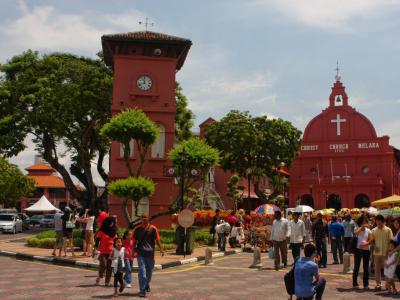
1) Dutch Square (must see)
The Dutch Square is the most famous landmark in Melaka, located in the historic district Bandar Hilir. The square is also referred to as Red Square due to the red-painted buildings that surround it. The most notable of these buildings is the City Hall, also known as Stadthuys.
The red buildings were erected during the 17th and 18th centuries. They all bring forth the distinctive features of Dutch architecture during that time. Each building offers large windows and decorative details made from wrought iron. A mixture of British and Portuguese architecture is reflected in the Tan Ben Swee Clock Tower. Portuguese influences are also seen at A Famosa ("The Famous" in English), the old fortress built in 1512.
The Dutch Square is a popular area for tourists because of its beauty and easy access to a number of places of interest. Some of these include Christ Church Melaka, the Melaka Art Gallery, and the Malaysia Youth Museum. There are also numerous stalls lining the square where visitors can find souvenirs to remember their trip.
The center of Dutch Square contains the Queen Victoria Fountain. This fountain was built in 1901 to honor Queen Victoria's diamond jubilee.
The red buildings were erected during the 17th and 18th centuries. They all bring forth the distinctive features of Dutch architecture during that time. Each building offers large windows and decorative details made from wrought iron. A mixture of British and Portuguese architecture is reflected in the Tan Ben Swee Clock Tower. Portuguese influences are also seen at A Famosa ("The Famous" in English), the old fortress built in 1512.
The Dutch Square is a popular area for tourists because of its beauty and easy access to a number of places of interest. Some of these include Christ Church Melaka, the Melaka Art Gallery, and the Malaysia Youth Museum. There are also numerous stalls lining the square where visitors can find souvenirs to remember their trip.
The center of Dutch Square contains the Queen Victoria Fountain. This fountain was built in 1901 to honor Queen Victoria's diamond jubilee.
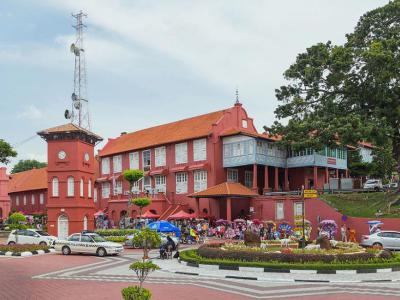
2) Stadthuys (City Hall)
The Stadthuys is the historic City Hall in Malacca. Located in Dutch Square, Stadthuys is one of the most distinctive buildings in the city. It is noted for its red-painted exterior and the accompanying Red Clock Tower added in the 19th century.
The building is thought to be the oldest Dutch building in Southeast Asia that is still standing. Designed by British naval engineer and architect Sir Maurice Alexander Cameron, in the Dutch Colonial architectural style, construction was completed in 1660 on the ruins of the old fortress.
Occupying forces used the Stadthuys for more than 300 years. It was the center of government for the Dutch, British, Japanese and Malaysian until 1980 when it was converted into the History and Ethnography Museum.
Statues with flags recognizing occupying forces greet visitors at the museum. They can then see traditional costumes and artifacts like porcelain, weaponry, works of art, and models depicting the ships that carried occupying forces through the Strait of Malacca.
The building is thought to be the oldest Dutch building in Southeast Asia that is still standing. Designed by British naval engineer and architect Sir Maurice Alexander Cameron, in the Dutch Colonial architectural style, construction was completed in 1660 on the ruins of the old fortress.
Occupying forces used the Stadthuys for more than 300 years. It was the center of government for the Dutch, British, Japanese and Malaysian until 1980 when it was converted into the History and Ethnography Museum.
Statues with flags recognizing occupying forces greet visitors at the museum. They can then see traditional costumes and artifacts like porcelain, weaponry, works of art, and models depicting the ships that carried occupying forces through the Strait of Malacca.
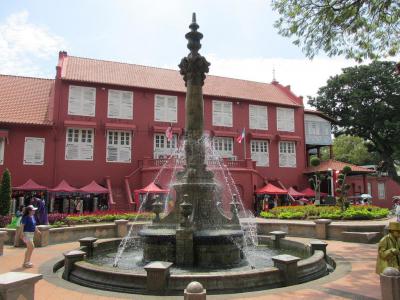
3) Queen Victoria's Fountain
Queen Victoria's Fountain in Melaka is a historic monument built in 1901 to commemorate the Diamond Jubilee of Queen Victoria, marking her 60th year on the throne. Located near significant landmarks such as The Stadthuys and Christ Church, the fountain is situated right beside the Tan Beng Siew Clock Tower, making it a central figure in a cluster of historical sites in Melaka.
Constructed from glazed earthenware bricks that display subtle greyish-green and blue tints, the fountain showcases durability and artistic craftsmanship. At its base, it features four bas-relief images of Queen Victoria, celebrating her as a significant figure in British and Malaysian history. Above these images, a plaque reads: 'Victoria Regina 1837-1901, Erected by the people of Malacca in memory of a great Queen,' noting the fountain's dedication in 1904.
Remarkably, despite being over a century old, Queen Victoria's Fountain is not only still standing but remains functional, making it probably the only working colonial water fountain left in Malaysia. This longevity and functionality add to its charm and historical value. The fountain is not only a tribute to Queen Victoria, who became the longest-reigning monarch in the history of England and Scotland on September 23, 1896 but also serves as a symbol of the era of British colonization in Malaysia.
Today, Queen Victoria's Fountain is a popular backdrop for visitors to Melaka, offering a picturesque setting that resonates with the rich colonial past of the area. It stands as one of the last remnants of British colonial influence in Malaysia, representing the once-glorious days of British rule in the region.
Constructed from glazed earthenware bricks that display subtle greyish-green and blue tints, the fountain showcases durability and artistic craftsmanship. At its base, it features four bas-relief images of Queen Victoria, celebrating her as a significant figure in British and Malaysian history. Above these images, a plaque reads: 'Victoria Regina 1837-1901, Erected by the people of Malacca in memory of a great Queen,' noting the fountain's dedication in 1904.
Remarkably, despite being over a century old, Queen Victoria's Fountain is not only still standing but remains functional, making it probably the only working colonial water fountain left in Malaysia. This longevity and functionality add to its charm and historical value. The fountain is not only a tribute to Queen Victoria, who became the longest-reigning monarch in the history of England and Scotland on September 23, 1896 but also serves as a symbol of the era of British colonization in Malaysia.
Today, Queen Victoria's Fountain is a popular backdrop for visitors to Melaka, offering a picturesque setting that resonates with the rich colonial past of the area. It stands as one of the last remnants of British colonial influence in Malaysia, representing the once-glorious days of British rule in the region.
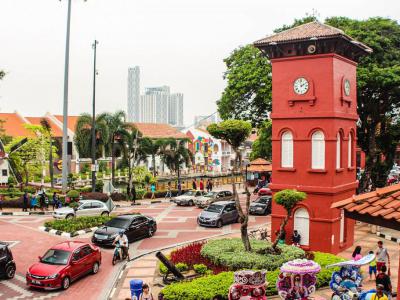
4) Red Clock Tower
The Red Clock Tower, otherwise known as Tan Beng Swee Clock Tower, is a 134-year-old clock tower located in Dutch Square. It is one of the most popular spots for tourists in Melaka.
The 50-foot tower was built in 1886 by Tan Jiak Kim, a Peranakan Chinese philanthropist who wanted to fulfill the wishes of his father Tan Beng Swee, who dreamed of a clock tower in the heart of Melaka. Tan Jiak Kim built the clock tower at the Stadthuys building where it would be most prominent.
The red color of the tower blends well with the Stadthuys, particularly with its contrasting white shutters. However, the design is not meant to reflect the Dutch Colonialism architecture of City Hall. Rather, it was constructed in Britain using a Portuguese design, present in a clock tower that previously sat in the same spot.
The four clock faces use Roman numerals to mark the time. They have continued functioning without stopping for more than 100 years due to regular cleanings and maintenance. The clock tower also features a predatory bird sound system, that deters crows and pigeons.
The Red Clock Tower is designated as a UNESCO World Heritage Site.
The 50-foot tower was built in 1886 by Tan Jiak Kim, a Peranakan Chinese philanthropist who wanted to fulfill the wishes of his father Tan Beng Swee, who dreamed of a clock tower in the heart of Melaka. Tan Jiak Kim built the clock tower at the Stadthuys building where it would be most prominent.
The red color of the tower blends well with the Stadthuys, particularly with its contrasting white shutters. However, the design is not meant to reflect the Dutch Colonialism architecture of City Hall. Rather, it was constructed in Britain using a Portuguese design, present in a clock tower that previously sat in the same spot.
The four clock faces use Roman numerals to mark the time. They have continued functioning without stopping for more than 100 years due to regular cleanings and maintenance. The clock tower also features a predatory bird sound system, that deters crows and pigeons.
The Red Clock Tower is designated as a UNESCO World Heritage Site.
5) Baba-Nonya Heritage Museum (must see)
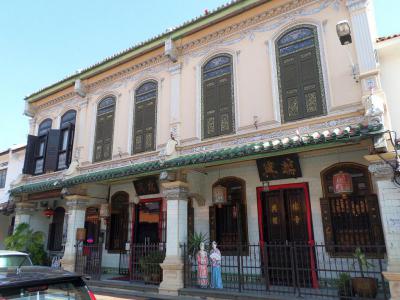
The Baba Nyonya Heritage Museum is located in Malacca City. This museum is dedicated to the history and culture of the Peranakan Chinese-Malays, also known as Baba-Nyonya, who are descendants of early Chinese settlers in Southeast Asia. Founded by Chan Kim Lay in 1986, the museum is housed in a mansion built in 1896 by Chan’s great-grandfather on Jalan Tun Tan Cheng Lock, a street famously known as "Millionaire's Row" for its opulent residences.
This two-story mansion showcases the luxurious lifestyle of the Baba-Nyonya community during their heyday. Visitors can admire the stunning, intricately carved woodwork that adorns the doors, walls, and cabinetry, as well as antique furniture that retains its original luster. The museum also features elaborate porcelain, gold leaf carvings, and various other artifacts that provide a glimpse into the past.
A particular highlight is the preserved kitchen, which was traditionally the heart of a Peranakan house, where women of the household would gather. The dining room adjacent to the kitchen displays blue-and-white ceramic dishes, reflecting the blend of Eastern and Western influences in Peranakan culture.
On the upper floor, visitors will find the Wedding Room, which was once the bedroom of the Chan family patriarch and his wife. This room now showcases wedding garments and other artifacts, offering insight into the matrimonial traditions of the Baba-Nyonya community.
One of the museum’s most unique features is its staircase, leading from the chim che (airwell) to the private residential area upstairs. This staircase is the only one of its kind in Malaysia, featuring a gilt railing with reliefs depicting the weapons of the Eight Immortals of Daoist mythology. Additionally, it includes a lockable baby gate, a 19th-century recreation of an ancient Chinese invention, designed to protect children and secure the household.
This two-story mansion showcases the luxurious lifestyle of the Baba-Nyonya community during their heyday. Visitors can admire the stunning, intricately carved woodwork that adorns the doors, walls, and cabinetry, as well as antique furniture that retains its original luster. The museum also features elaborate porcelain, gold leaf carvings, and various other artifacts that provide a glimpse into the past.
A particular highlight is the preserved kitchen, which was traditionally the heart of a Peranakan house, where women of the household would gather. The dining room adjacent to the kitchen displays blue-and-white ceramic dishes, reflecting the blend of Eastern and Western influences in Peranakan culture.
On the upper floor, visitors will find the Wedding Room, which was once the bedroom of the Chan family patriarch and his wife. This room now showcases wedding garments and other artifacts, offering insight into the matrimonial traditions of the Baba-Nyonya community.
One of the museum’s most unique features is its staircase, leading from the chim che (airwell) to the private residential area upstairs. This staircase is the only one of its kind in Malaysia, featuring a gilt railing with reliefs depicting the weapons of the Eight Immortals of Daoist mythology. Additionally, it includes a lockable baby gate, a 19th-century recreation of an ancient Chinese invention, designed to protect children and secure the household.
6) Jonker Street (must see)
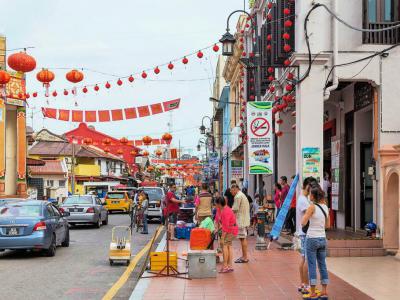
Jonker Street, also known as Jonker Walk, is the Chinatown area in the city. It begins near the Malacca River, directly across from the Dutch Square. Tourists will find historical houses that date to the 17th century.
Jonker Street vendors sell all manner of wares during the day. The night market is even more lively and worth a visit. The night market opens Friday, Saturday, and Sunday nights from 6 PM to midnight. During the night market, the street is closed to traffic and is open only to pedestrians.
Though there are plenty of chains like H&M and Hard Rock Cafe nearby, the true essence of Jonker Street is the locally owned and operated stores and restaurants. It was historically known for antique shops, but these have largely been replaced with souvenir stands, clothing outlets, and packaged food.
There are still antique shops and vendors selling handicrafts between the numerous shops selling t-shirts, magnets, and totes. The night market brings entertainment in the form of buskers and performance artists. However, watching the cooks prepare street food can be just as entertaining.
Along with numerous shopping venues, many spots can be visited around Jonker Street. Some of these include the Baba Nyonya Heritage Museum, the Cheng Ho Cultural Museum, the Cheng Hoon Teng Temple, the Hang Jebat Mausoleum, the Kampung King Mosque, the Straits Chinese Jewelry Museum, and the Tamil Methodist Church.
Jonker Street is open 24 hours. Visit during the daytime to admire the Chinese-Malay architecture but come back during the night market for a truly unique experience.
Jonker Street vendors sell all manner of wares during the day. The night market is even more lively and worth a visit. The night market opens Friday, Saturday, and Sunday nights from 6 PM to midnight. During the night market, the street is closed to traffic and is open only to pedestrians.
Though there are plenty of chains like H&M and Hard Rock Cafe nearby, the true essence of Jonker Street is the locally owned and operated stores and restaurants. It was historically known for antique shops, but these have largely been replaced with souvenir stands, clothing outlets, and packaged food.
There are still antique shops and vendors selling handicrafts between the numerous shops selling t-shirts, magnets, and totes. The night market brings entertainment in the form of buskers and performance artists. However, watching the cooks prepare street food can be just as entertaining.
Along with numerous shopping venues, many spots can be visited around Jonker Street. Some of these include the Baba Nyonya Heritage Museum, the Cheng Ho Cultural Museum, the Cheng Hoon Teng Temple, the Hang Jebat Mausoleum, the Kampung King Mosque, the Straits Chinese Jewelry Museum, and the Tamil Methodist Church.
Jonker Street is open 24 hours. Visit during the daytime to admire the Chinese-Malay architecture but come back during the night market for a truly unique experience.
7) Cheng Hoon Teng Temple
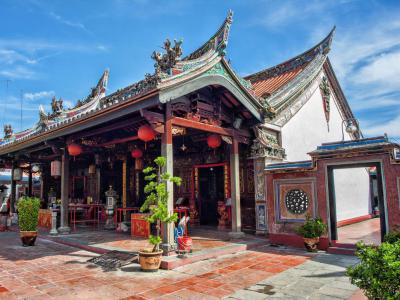
The Cheng Hoon Teng Temple, otherwise known as the Temple of Green Cloud, is a Chinese temple in Malacca City. It is the oldest still operating temple in Malaysia.
The temple practices the Three Doctrinal Systems of Buddhism, Confucianism, and Taoism. It was founded by Chinese Captains Tay Kie Ki and Tay Hong Yong in 1645. Later, in 1673, the temple was expanded with materials brought in from China.
The temple served as the central place of worship for the local Hoklo community. Due to an increase in population, the main hall was added in 1704. The temple remained untouched for nearly 100 years until it was renovated in 1801.
The main features of the temple are an ornate gate, several prayer halls, and a primary prayer hall dedicated to Guanyin, the Goddess of Mercy. The temple practices feng shui, which ensures an excellent view of the water and the high ground on both sides of the structure.
The Cheng Hoon Teng Temple was given a UNESCO award for outstanding architectural restoration in 2003.
The temple practices the Three Doctrinal Systems of Buddhism, Confucianism, and Taoism. It was founded by Chinese Captains Tay Kie Ki and Tay Hong Yong in 1645. Later, in 1673, the temple was expanded with materials brought in from China.
The temple served as the central place of worship for the local Hoklo community. Due to an increase in population, the main hall was added in 1704. The temple remained untouched for nearly 100 years until it was renovated in 1801.
The main features of the temple are an ornate gate, several prayer halls, and a primary prayer hall dedicated to Guanyin, the Goddess of Mercy. The temple practices feng shui, which ensures an excellent view of the water and the high ground on both sides of the structure.
The Cheng Hoon Teng Temple was given a UNESCO award for outstanding architectural restoration in 2003.
8) Malacca River Walk
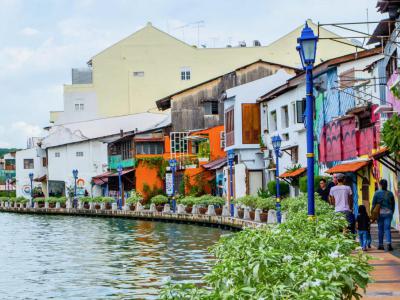
Malacca River Walk is a park that is open 24 hours. The park consists of walking paths that run along the shores of the Malacca River. The paths are lined in greenery with trees and potted plants, creating a lush atmosphere in the midst of the city.
The area is constantly under development with new spaces being regularly added. There are plenty of cafes and shops along the Malacca River Walk for those who like to break up their walking tours by sampling local food and browsing for souvenirs.
Outdoor art is featured throughout the walk. The murals decorate many of the homes on the west side of the river. There are also many places to stop and rest in shade created by pergolas covered in plants.
The Malacca River Walk is a perfect place to reach many of the historical sites in the city. It is also a fine choice for a lovely evening stroll as most of the walk is well lit at night.
The area is constantly under development with new spaces being regularly added. There are plenty of cafes and shops along the Malacca River Walk for those who like to break up their walking tours by sampling local food and browsing for souvenirs.
Outdoor art is featured throughout the walk. The murals decorate many of the homes on the west side of the river. There are also many places to stop and rest in shade created by pergolas covered in plants.
The Malacca River Walk is a perfect place to reach many of the historical sites in the city. It is also a fine choice for a lovely evening stroll as most of the walk is well lit at night.
9) Cheng Ho Cultural Museum
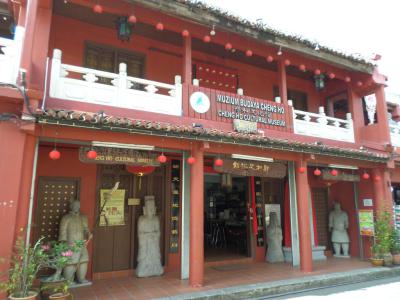
The Cheng Ho Cultural Museum, located in Malacca City, is dedicated to the life and voyages of Cheng Ho, the famed Chinese Ming Dynasty admiral. Established in 2006 by Tan Ta Sen, who also serves as the president of the International Cheng Ho Society, the museum is the largest in the state, occupying 5,110 square meters across three levels and eight units of old shop houses, some predating 1786.
The museum's site is historically significant, believed to be the original location of a warehouse complex, Guan Chang, built by Cheng Ho around 600 years ago to store goods from his travels. This complex once spanned 10 acres along the northern bank of the Malacca River. During the museum's construction, five Ming-era wells were discovered, adding to its historical authenticity.
Exhibits at the museum cover various aspects of Cheng Ho's life and his world voyages. Visitors can explore different sections, including the Old Malacca Village, Ship Gallery, Treasure Ship, Antique Gallery, and Garden Courtyard. The museum's architecture itself reflects Ming design, believed to be a restructured ancient building with two to three hundred years of history.
Cheng Ho is renowned for his seven explorations and sea voyages to regions such as the Indian Ocean, the Red Sea, and the South China Sea between 1405 and 1433. He visited Malacca five times, enhancing cultural exchange between the local ethnic communities and the Chinese. The museum showcases artifacts such as treasure ships, navigation instruments, and tea houses, underscoring these interactions.
In addition to historical exhibits, the Cheng Ho Cultural Museum offers a charming experience with cultural relics, a creative puppet show, and a beautiful garden courtyard. The museum's gift shop is a popular destination for visitors, offering items like Chinese tea, Malaysian white coffee, and durian souvenirs. The museum's quaint ambiance is enhanced by its Chinese architecture, complete with swaying lanterns and pearl furnishings.
The museum's site is historically significant, believed to be the original location of a warehouse complex, Guan Chang, built by Cheng Ho around 600 years ago to store goods from his travels. This complex once spanned 10 acres along the northern bank of the Malacca River. During the museum's construction, five Ming-era wells were discovered, adding to its historical authenticity.
Exhibits at the museum cover various aspects of Cheng Ho's life and his world voyages. Visitors can explore different sections, including the Old Malacca Village, Ship Gallery, Treasure Ship, Antique Gallery, and Garden Courtyard. The museum's architecture itself reflects Ming design, believed to be a restructured ancient building with two to three hundred years of history.
Cheng Ho is renowned for his seven explorations and sea voyages to regions such as the Indian Ocean, the Red Sea, and the South China Sea between 1405 and 1433. He visited Malacca five times, enhancing cultural exchange between the local ethnic communities and the Chinese. The museum showcases artifacts such as treasure ships, navigation instruments, and tea houses, underscoring these interactions.
In addition to historical exhibits, the Cheng Ho Cultural Museum offers a charming experience with cultural relics, a creative puppet show, and a beautiful garden courtyard. The museum's gift shop is a popular destination for visitors, offering items like Chinese tea, Malaysian white coffee, and durian souvenirs. The museum's quaint ambiance is enhanced by its Chinese architecture, complete with swaying lanterns and pearl furnishings.
10) St. Paul's Church (must see)
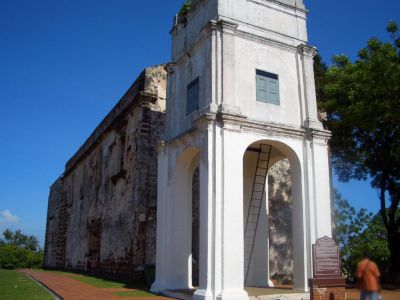
Saint Paul's Church is a former church that now functions as an outdoor museum. It is part of the Malacca Museum Complex along with the ruins of A Famosa and Stadthuys. It is the oldest church building in Malaysia and Southeast Asia.
The church was originally built as a Roman Catholic chapel in 1521 by Portuguese nobleman Duarte Coelho, as an act of gratitude following his escape from a storm in the South China Sea. It was dedicated to the Virgin Mary as Our Lady of the Annunciation. In 1548 Saint Francis Xavier, a Spanish Jesuit, the patron saint of Roman Catholic missions, developed a school on the premises of the chapel, the first school established in the Malay Peninsula. The second floor was added to the small chapel in 1556, and a belfry tower was built in 1590. The chapel was renamed the Igreja de Madre de Deus (Church of the Mother of God).
The building was later used as a Dutch Reformed church after the Dutch conquest. It was renamed Saint Paul's Church and functioned as the main church of the Dutch Community through 1753.
Saint Paul's Church fell into ruins after it was deconsecrated following the construction of a new Dutch Reformed church. During the British occupation, it was used as a powder magazine and allowed to fall into even further disrepair.
Efforts have been made over the years to restore and protect Saint Paul's though it remains in disrepair. Tourists can explore the ruins by paying careful attention to the Dutch tombstones that have been restored and placed against the church's interior walls.
The church was originally built as a Roman Catholic chapel in 1521 by Portuguese nobleman Duarte Coelho, as an act of gratitude following his escape from a storm in the South China Sea. It was dedicated to the Virgin Mary as Our Lady of the Annunciation. In 1548 Saint Francis Xavier, a Spanish Jesuit, the patron saint of Roman Catholic missions, developed a school on the premises of the chapel, the first school established in the Malay Peninsula. The second floor was added to the small chapel in 1556, and a belfry tower was built in 1590. The chapel was renamed the Igreja de Madre de Deus (Church of the Mother of God).
The building was later used as a Dutch Reformed church after the Dutch conquest. It was renamed Saint Paul's Church and functioned as the main church of the Dutch Community through 1753.
Saint Paul's Church fell into ruins after it was deconsecrated following the construction of a new Dutch Reformed church. During the British occupation, it was used as a powder magazine and allowed to fall into even further disrepair.
Efforts have been made over the years to restore and protect Saint Paul's though it remains in disrepair. Tourists can explore the ruins by paying careful attention to the Dutch tombstones that have been restored and placed against the church's interior walls.
11) A Famosa Fort
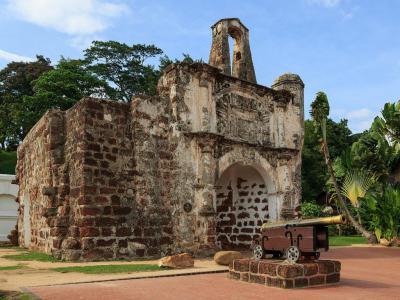
A Famosa was a Portuguese fortress built in 1512. Now mostly in ruins, visitors to the Dutch Square can see A Famosa as an integral part of the history of Melaka.
The fortress was controlled by the Portuguese from its construction through 1641. The Dutch took control of the fort from 1641 to 1795, leaving its mark on the area. In 1795, Britain became the controlling force and demolished most of the fortress in 1807.
All that remains of the fortress is a small gatehouse Santiago's Gate (Porta de Santiago), the City Hall, the church, and a restored bastion. It was once a five-story fortress with reinforced outer walls and four major towers. One of these towers was the tallest building in the area until 1641 when the tower was destroyed by Dutch forces.
These portions of the fort were restored from 2004 to 2006. Tourists may explore the gates and the bastion 24 hours a day.
The fortress was controlled by the Portuguese from its construction through 1641. The Dutch took control of the fort from 1641 to 1795, leaving its mark on the area. In 1795, Britain became the controlling force and demolished most of the fortress in 1807.
All that remains of the fortress is a small gatehouse Santiago's Gate (Porta de Santiago), the City Hall, the church, and a restored bastion. It was once a five-story fortress with reinforced outer walls and four major towers. One of these towers was the tallest building in the area until 1641 when the tower was destroyed by Dutch forces.
These portions of the fort were restored from 2004 to 2006. Tourists may explore the gates and the bastion 24 hours a day.
12) Malacca Sultanate Palace
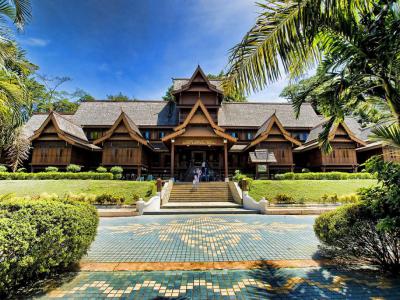
Malacca Sultanate Palace is a museum and exhibition hall. The museum showcases the culture and history of Melaka (Malacca) throughout the palace and the carefully manicured garden.
The original palace was built in the 15th century. The existing Malacca Sultanate Palace was rebuilt in 1984 for use as a museum at the behest of Prime Minister Mahathir Mohamad. The palace officially opened in July 1986.
The building was designed to resemble the palace of the Malacca Sultanate, Mansur Shah, as closely as possible. Using data from the Malay Annals, a literary work that gives a primary source of information on past events, the museum even uses the same types of construction materials that would have been used in the original palace. The walls and roof are made from wood, and the structure uses wooden pegs rather than nails.
The objective of the Malacca Sultanate Palace Museum is to preserve the architectural style used for these palaces and to exhibit artifacts from royal households. It also informs patrons about the heritage of the Malay people, the Malacca Sultanate, and the battle of Hang Tuah and Hang Jebat, the legendary Malaccan heroes known for their rebellion against the Malacca Sultanate.
The original palace was built in the 15th century. The existing Malacca Sultanate Palace was rebuilt in 1984 for use as a museum at the behest of Prime Minister Mahathir Mohamad. The palace officially opened in July 1986.
The building was designed to resemble the palace of the Malacca Sultanate, Mansur Shah, as closely as possible. Using data from the Malay Annals, a literary work that gives a primary source of information on past events, the museum even uses the same types of construction materials that would have been used in the original palace. The walls and roof are made from wood, and the structure uses wooden pegs rather than nails.
The objective of the Malacca Sultanate Palace Museum is to preserve the architectural style used for these palaces and to exhibit artifacts from royal households. It also informs patrons about the heritage of the Malay people, the Malacca Sultanate, and the battle of Hang Tuah and Hang Jebat, the legendary Malaccan heroes known for their rebellion against the Malacca Sultanate.
13) Bukit Cina Chinese Cemetery
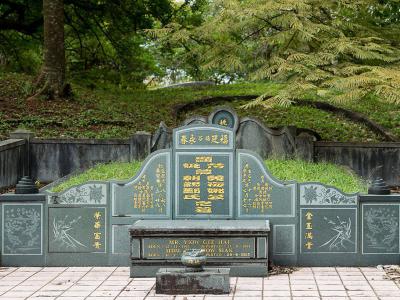
Bukit Cina Chinese Cemetery in Melaka stands as the largest Chinese cemetery outside of China, spanning an area of 820,000 square feet (250,000 square meters). This historic site, dating back to the 15th century, offers a peaceful, verdant escape amidst the bustling urban landscape of Malacca. The hillside cemetery, with over 12,000 graves, includes burials from the Middle Ages.
The history of Bukit Cina is intertwined with the arrival of Hang Li Po, the daughter of a Chinese Ming Emperor, who was sent to marry Sultan Mansur Shah of Malacca in the mid-15th century. The couple resided on this hill, which became known as Bukit Cina, or Chinese Hill. Although the estate incorporated some Malaysian elements, it predominantly reflected Chinese culture due to the presence of the princess and her 500-person entourage. Following the end of Mansur Shah’s reign, Portuguese missionaries razed the forested hill in 1581 to establish a monastery.
The site was officially designated as a Chinese cemetery by the Kapitan Cina, a Dutch-appointed official, in 1685. However, burials had already commenced with members of Hang Li Po’s entourage and a notable warrior who died during the conflict between the Portuguese and Indonesian Acehnese invaders. Over the centuries, thousands of Chinese who passed away in Malaysia were interred here.
By the 20th century, the cemetery had fallen into disuse and became overgrown. In 1984, a local government proposal to develop housing and commercial property in Bukit Cina met with significant public opposition. Hundreds of Chinese Malaysians protested to protect their ancestral heritage, ultimately preserving the cemetery.
Today, Bukit Cina serves as a public park, with forested paths popular for walking and jogging among the medieval graves. The site also features a Chinese World War II memorial, temples, and wells built by Sultan Mansur Shah. Among these is the well-known Hang Li Po Well, originally constructed for the princess and now functioning as a public wishing well.
The history of Bukit Cina is intertwined with the arrival of Hang Li Po, the daughter of a Chinese Ming Emperor, who was sent to marry Sultan Mansur Shah of Malacca in the mid-15th century. The couple resided on this hill, which became known as Bukit Cina, or Chinese Hill. Although the estate incorporated some Malaysian elements, it predominantly reflected Chinese culture due to the presence of the princess and her 500-person entourage. Following the end of Mansur Shah’s reign, Portuguese missionaries razed the forested hill in 1581 to establish a monastery.
The site was officially designated as a Chinese cemetery by the Kapitan Cina, a Dutch-appointed official, in 1685. However, burials had already commenced with members of Hang Li Po’s entourage and a notable warrior who died during the conflict between the Portuguese and Indonesian Acehnese invaders. Over the centuries, thousands of Chinese who passed away in Malaysia were interred here.
By the 20th century, the cemetery had fallen into disuse and became overgrown. In 1984, a local government proposal to develop housing and commercial property in Bukit Cina met with significant public opposition. Hundreds of Chinese Malaysians protested to protect their ancestral heritage, ultimately preserving the cemetery.
Today, Bukit Cina serves as a public park, with forested paths popular for walking and jogging among the medieval graves. The site also features a Chinese World War II memorial, temples, and wells built by Sultan Mansur Shah. Among these is the well-known Hang Li Po Well, originally constructed for the princess and now functioning as a public wishing well.
14) Malacca Straits Mosque (must see)
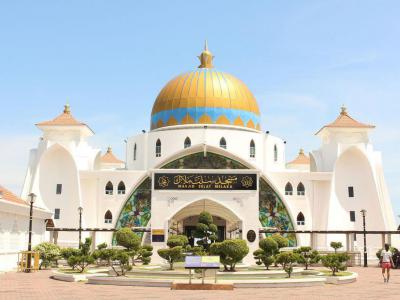
Malacca Straits Mosque is located on the man-made Malacca Island in Malacca City. This architectural marvel was inaugurated on 24 November 2006 by the Supreme Ruler of Malaysia. The mosque is renowned for its unique design that combines Middle Eastern and Malay craftsmanship. A distinctive feature of the mosque is its construction on stilts above the sea, which makes it appear as if it is floating during high tide and foggy times. This gives the mosque an ethereal appearance, particularly during sunrise and sunset, providing stunning views of the Strait of Melaka.
The architectural design of the mosque includes two intersecting archways leading to the main entrance, adorned with stained glass that covers the space between the arches. The structure also features a 30-meter tall minaret, which doubles as a lighthouse, further enhancing its coastal functionality and aesthetic appeal.
The mosque’s compound is designed with intricate details showcasing a blend of Malay and Middle Eastern architectural styles. The main dome reflects Middle Eastern influences, while the corner turrets are crowned in a traditional Malaysian style. The facade is decorated with Islamic motifs and stained glass panes. The mosque has four smaller domes at the corners and a spacious prayer hall that can accommodate up to 1,500 worshippers at once.
Malacca Straits Mosque is not only an important place of worship for the Muslim community but also a symbol of Malaysia's multiculturalism and religious tolerance. It stands as a harmonious counterpart to other places of worship in the city, welcoming non-Muslim visitors who adhere to the mosque's code of conduct. The approach to the mosque itself offers a picturesque view, showcasing the beauty of Malacca City's coastline.
The architectural design of the mosque includes two intersecting archways leading to the main entrance, adorned with stained glass that covers the space between the arches. The structure also features a 30-meter tall minaret, which doubles as a lighthouse, further enhancing its coastal functionality and aesthetic appeal.
The mosque’s compound is designed with intricate details showcasing a blend of Malay and Middle Eastern architectural styles. The main dome reflects Middle Eastern influences, while the corner turrets are crowned in a traditional Malaysian style. The facade is decorated with Islamic motifs and stained glass panes. The mosque has four smaller domes at the corners and a spacious prayer hall that can accommodate up to 1,500 worshippers at once.
Malacca Straits Mosque is not only an important place of worship for the Muslim community but also a symbol of Malaysia's multiculturalism and religious tolerance. It stands as a harmonious counterpart to other places of worship in the city, welcoming non-Muslim visitors who adhere to the mosque's code of conduct. The approach to the mosque itself offers a picturesque view, showcasing the beauty of Malacca City's coastline.
