Custom Walk in Santiago, Chile by urbanczyk_tobias_75e5c created on 2025-12-01
Guide Location: Chile » Santiago
Guide Type: Custom Walk
# of Sights: 9
Tour Duration: 6 Hours
Travel Distance: 16.6 Km or 10.3 Miles
Share Key: 2KDTQ
Guide Type: Custom Walk
# of Sights: 9
Tour Duration: 6 Hours
Travel Distance: 16.6 Km or 10.3 Miles
Share Key: 2KDTQ
How It Works
Please retrieve this walk in the GPSmyCity app. Once done, the app will guide you from one tour stop to the next as if you had a personal tour guide. If you created the walk on this website or come to the page via a link, please follow the instructions below to retrieve the walk in the app.
Retrieve This Walk in App
Step 1. Download the app "GPSmyCity: Walks in 1K+ Cities" on Apple App Store or Google Play Store.



Step 2. In the GPSmyCity app, download(or launch) the guide "Santiago Map and Walking Tours".
Step 3. Tap the menu button located at upper right corner of the "Walks" screen and select "Retrieve custom walk". Enter the share key: 2KDTQ
1) Patio Bellavista (must see)
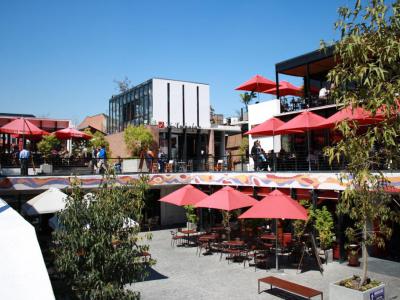
If you’re looking for a place where Santiago’s culture, food, art, and nightlife all come together, Patio Bellavista is a good place to start. Set in the heart of the Bellavista neighborhood, this lively complex brings together restaurants, wine shops, bars, cafés, galleries, and plenty of small stores under one roof.
As you walk through the patio, take some time to browse the shops. There are more than fifty of them, selling everything from jewelry and pottery to leather goods, textiles, books, artwork, and locally made souvenirs. It’s an easy place to pick up a gift or simply wander around and see what catches your eye.
Patio Bellavista is also well placed if you’re exploring this part of Santiago. La Chascona, Pablo Neruda’s former home, is nearby, while San Cristóbal Hill is also within easy reach. So, if you’ve spent the day sightseeing, this makes a convenient place to stop for lunch, dinner, or a drink.
During the day, the atmosphere is relaxed and easygoing, but by late afternoon and evening the place becomes much livelier. Restaurants and bars begin to fill up, and the patio takes on a more distinctly bohemian feel.
You’ll find a broad mix of food here, including Chilean, Italian, Spanish, and Asian cuisine, as well as pizzerias, pubs, dessert shops, and ice cream parlors. Some restaurants have upper floors or terraces overlooking the central patio, which can be especially pleasant in the evening.
Patio Bellavista also regularly hosts cultural activities, exhibitions, live music, and performances, so there may well be something interesting happening during your visit.
If you have the time, don’t rush through. Find a table at one of the open-air restaurants, order something to eat or drink, and simply enjoy the atmosphere for a while.
As you walk through the patio, take some time to browse the shops. There are more than fifty of them, selling everything from jewelry and pottery to leather goods, textiles, books, artwork, and locally made souvenirs. It’s an easy place to pick up a gift or simply wander around and see what catches your eye.
Patio Bellavista is also well placed if you’re exploring this part of Santiago. La Chascona, Pablo Neruda’s former home, is nearby, while San Cristóbal Hill is also within easy reach. So, if you’ve spent the day sightseeing, this makes a convenient place to stop for lunch, dinner, or a drink.
During the day, the atmosphere is relaxed and easygoing, but by late afternoon and evening the place becomes much livelier. Restaurants and bars begin to fill up, and the patio takes on a more distinctly bohemian feel.
You’ll find a broad mix of food here, including Chilean, Italian, Spanish, and Asian cuisine, as well as pizzerias, pubs, dessert shops, and ice cream parlors. Some restaurants have upper floors or terraces overlooking the central patio, which can be especially pleasant in the evening.
Patio Bellavista also regularly hosts cultural activities, exhibitions, live music, and performances, so there may well be something interesting happening during your visit.
If you have the time, don’t rush through. Find a table at one of the open-air restaurants, order something to eat or drink, and simply enjoy the atmosphere for a while.
2) Cerro San Cristobal (San Cristobal Hill) (must see)
For one of the best panoramic views of Santiago, make your way to San Cristóbal Hill, on the northern side of the city. Rising to about 880 meters above sea level, it stands roughly 300 meters above central Santiago and forms part of the vast Metropolitan Park.
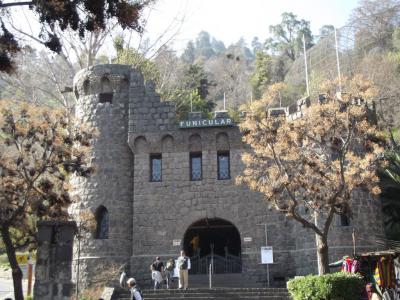
A convenient starting point is the Pío Nono entrance, near Bellavista. Here you’ll easily spot the lower station of the historic Santiago Funicular. Take the funicular uphill toward the summit, or follow the walking routes if you prefer to climb on foot.
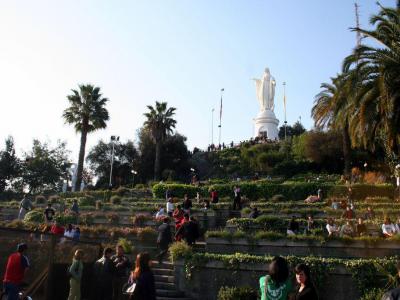
Once you reach the top, look uphill for the huge white statue of the Virgin of the Immaculate Conception. Standing on a tall pedestal, it is the clearest landmark on the summit and can be seen from many parts of the city. Follow the steps and terraces toward it. At the base of the statue is a small chapel, while nearby you’ll find the sanctuary area and church.
Now, turn away from the statue and head toward the open viewing terraces. From here, Santiago spreads out below you. On a clear day, especially after rain has cleared the haze, you can see the city’s high-rise buildings and the Andes Mountains beyond.
Before leaving the summit, look for one of the food stands selling “mote con huesillo,” a traditional cold Chilean drink made with dried peach, husked wheat, and sweet syrup. You may also want to try an “empanada de pino” (an iconic Chilean baked pastry filled with a savory minced or ground beef and onion mixture, a hard-boiled egg slice, a black olive, and sometimes a raisin).
For a different way down, follow the signs to the Cumbre Cable Car Station. The cable car crosses the park and gives you another excellent view over Santiago. If you ride toward Oasis Station, you can continue to the nearby Japanese Garden, recognizable by its landscaped paths, ornamental plants and Japanese-inspired design.
Elsewhere in Metropolitan Park, you’ll also find walking and cycling trails, playgrounds and the Tupahue swimming pool, making San Cristóbal Hill much more than simply a viewpoint.
A convenient starting point is the Pío Nono entrance, near Bellavista. Here you’ll easily spot the lower station of the historic Santiago Funicular. Take the funicular uphill toward the summit, or follow the walking routes if you prefer to climb on foot.
Once you reach the top, look uphill for the huge white statue of the Virgin of the Immaculate Conception. Standing on a tall pedestal, it is the clearest landmark on the summit and can be seen from many parts of the city. Follow the steps and terraces toward it. At the base of the statue is a small chapel, while nearby you’ll find the sanctuary area and church.
Now, turn away from the statue and head toward the open viewing terraces. From here, Santiago spreads out below you. On a clear day, especially after rain has cleared the haze, you can see the city’s high-rise buildings and the Andes Mountains beyond.
Before leaving the summit, look for one of the food stands selling “mote con huesillo,” a traditional cold Chilean drink made with dried peach, husked wheat, and sweet syrup. You may also want to try an “empanada de pino” (an iconic Chilean baked pastry filled with a savory minced or ground beef and onion mixture, a hard-boiled egg slice, a black olive, and sometimes a raisin).
For a different way down, follow the signs to the Cumbre Cable Car Station. The cable car crosses the park and gives you another excellent view over Santiago. If you ride toward Oasis Station, you can continue to the nearby Japanese Garden, recognizable by its landscaped paths, ornamental plants and Japanese-inspired design.
Elsewhere in Metropolitan Park, you’ll also find walking and cycling trails, playgrounds and the Tupahue swimming pool, making San Cristóbal Hill much more than simply a viewpoint.
3) Teleférico de Santiago (Santiago Cable Car)
The Santiago Cable Car is one of the most enjoyable ways to explore San Cristóbal Hill and the surrounding Metropolitan Park. As your cabin rises above the slopes, look out across the city below and, on a clear day, toward the Andes in the distance.
Construction of the cable car began in 1979. The rugged volcanic terrain made the work difficult, as 12 towers had to be installed along the route. The system opened on April 1, 1980, with 72 oval-shaped cabins covering the 4.8-kilometer route in around 20 minutes.
The cable car remained in service until 2009, when a mechanical failure forced it to close. After a major renovation, with new cabins and restored infrastructure, it reopened on November 24, 2016.
Today, the system has 47 passenger cabins, painted in bright red, blue, and green colors. Each can carry up to six passengers, while several specially adapted cabins can also transport bicycles, making it particularly useful for cyclists exploring the park. The system can operate at speeds of up to 5 meters per second, or roughly 18 kilometers per hour.
The route has three stations: Oasis, Tupahue, and Cumbre. If you begin at Oasis Station, the cable car gradually climbs through the park toward the summit.
The middle stop is Tupahue Station. If you get off here, follow the signs toward the Tupahue Pool and the Mapulemu Botanical Garden, a peaceful landscaped area whose name means “Forest of the Earth.” The Camino Real Restaurant is also nearby.
Continue uphill to Cumbre Station, the highest stop. When you leave the station, follow the paths toward the summit area and the large white statue of the Virgin Mary. From here, you can also connect with the historic Santiago Funicular, giving you the option of descending the hill by a different route.
Even if you're simply using it for transportation, the cable car ride itself is part of the experience, offering a good opportunity to see Santiago from an elevated angle.
Construction of the cable car began in 1979. The rugged volcanic terrain made the work difficult, as 12 towers had to be installed along the route. The system opened on April 1, 1980, with 72 oval-shaped cabins covering the 4.8-kilometer route in around 20 minutes.
The cable car remained in service until 2009, when a mechanical failure forced it to close. After a major renovation, with new cabins and restored infrastructure, it reopened on November 24, 2016.
Today, the system has 47 passenger cabins, painted in bright red, blue, and green colors. Each can carry up to six passengers, while several specially adapted cabins can also transport bicycles, making it particularly useful for cyclists exploring the park. The system can operate at speeds of up to 5 meters per second, or roughly 18 kilometers per hour.
The route has three stations: Oasis, Tupahue, and Cumbre. If you begin at Oasis Station, the cable car gradually climbs through the park toward the summit.
The middle stop is Tupahue Station. If you get off here, follow the signs toward the Tupahue Pool and the Mapulemu Botanical Garden, a peaceful landscaped area whose name means “Forest of the Earth.” The Camino Real Restaurant is also nearby.
Continue uphill to Cumbre Station, the highest stop. When you leave the station, follow the paths toward the summit area and the large white statue of the Virgin Mary. From here, you can also connect with the historic Santiago Funicular, giving you the option of descending the hill by a different route.
Even if you're simply using it for transportation, the cable car ride itself is part of the experience, offering a good opportunity to see Santiago from an elevated angle.
4) Mercado Central (Central Market) (must see)
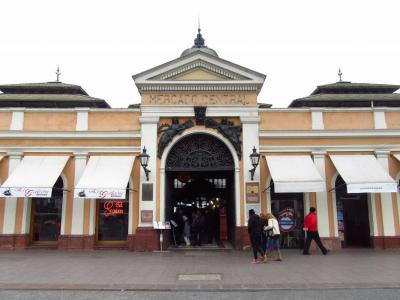
The pulsating heart of Santiago is definitely the Central Market, which showcases the richness of Chile through its fresh food, vegetables, and fruits. Right in the middle of the market stands an iron statue, adding an artistic touch to the vibrant space.
The market is a testament to the country’s abundance, offering visitors a wide range of options, from local produce to handicrafts. Like any lively marketplace, it can be noisy and crowded, but for those who don’t mind, it promises an entertaining and memorable experience.
The best time to visit is around lunch hour, when the market is at its liveliest and visitors can sample some of its delicious offerings, such as fish marinades, ceviche, or stuffed zucchini. Mariachis perform in various corners, their sweet music cutting through the bustle and serenading both locals and tourists.
The market’s metal structure was originally made in England and moved to Chile in 1872, where it was assembled to host the National Exposition before being transformed into a market. Today, it stands as a symbol of art and life in Santiago and is open every day, except on election days.
Tips: Here you can grab a bite and shop for authentic Chilean souvenirs, such as textiles or alpaca scarves, often at very reasonable prices.
The market is a testament to the country’s abundance, offering visitors a wide range of options, from local produce to handicrafts. Like any lively marketplace, it can be noisy and crowded, but for those who don’t mind, it promises an entertaining and memorable experience.
The best time to visit is around lunch hour, when the market is at its liveliest and visitors can sample some of its delicious offerings, such as fish marinades, ceviche, or stuffed zucchini. Mariachis perform in various corners, their sweet music cutting through the bustle and serenading both locals and tourists.
The market’s metal structure was originally made in England and moved to Chile in 1872, where it was assembled to host the National Exposition before being transformed into a market. Today, it stands as a symbol of art and life in Santiago and is open every day, except on election days.
Tips: Here you can grab a bite and shop for authentic Chilean souvenirs, such as textiles or alpaca scarves, often at very reasonable prices.
5) Catedral Metropolitana (Metropolitan Cathedral) (must see)
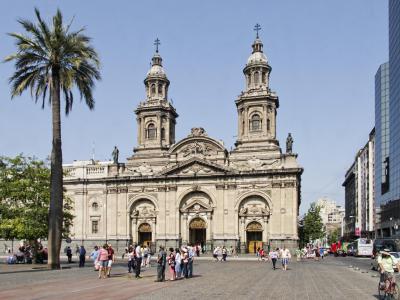
The Catedral Metropolitana was built between 1748 and 1800. This neoclassical cathedral has baroque features, including gilded columns and gorgeous, inspiring frescos. There has been a church standing on the site since the city was founded in the 1500s. The previous churches were all damaged by fire and earthquakes. Even the current cathedral has had structural damage and repairs made due to earthquakes.
Italian architect Joaquín Toesca was responsible for the gorgeous architecture of this important cathedral. The interior is stunning. The central nave is full of statues on the walls. The altar is magnificently ornate with marble and deep blue lapis lazuli. The stained glass is intricate and beautiful. Artist Ignazio Cremonesi painted the ceiling in 1906.
The seats and pulpits are meticulously carved from wood. The floor is decorated with thousands of tiny tiles in an intricate black and white pattern. The crypt houses the remains of Chilean archbishops. The lost tomb of Diego Portales, one of Chile's founding fathers, was discovered under the altar in 2005 and moved into the crypt.
Visitors will also find a museum adjoining the church. The Museum of Sacred Arts is home to many interesting religious artifacts. Silver craftsmanship by Jesuit priests includes a silver tabernacle and silver lectern. The museum also has a lovely courtyard.
Don't miss the Sacred Chapel, designed in 1846 by Eusebio Chelli.
Tips:
Arrive early in the day as the church gets quite busy. An information board at the entrance to the cathedral outlines important statues and interesting features.
Italian architect Joaquín Toesca was responsible for the gorgeous architecture of this important cathedral. The interior is stunning. The central nave is full of statues on the walls. The altar is magnificently ornate with marble and deep blue lapis lazuli. The stained glass is intricate and beautiful. Artist Ignazio Cremonesi painted the ceiling in 1906.
The seats and pulpits are meticulously carved from wood. The floor is decorated with thousands of tiny tiles in an intricate black and white pattern. The crypt houses the remains of Chilean archbishops. The lost tomb of Diego Portales, one of Chile's founding fathers, was discovered under the altar in 2005 and moved into the crypt.
Visitors will also find a museum adjoining the church. The Museum of Sacred Arts is home to many interesting religious artifacts. Silver craftsmanship by Jesuit priests includes a silver tabernacle and silver lectern. The museum also has a lovely courtyard.
Don't miss the Sacred Chapel, designed in 1846 by Eusebio Chelli.
Tips:
Arrive early in the day as the church gets quite busy. An information board at the entrance to the cathedral outlines important statues and interesting features.
6) Plaza de Armas (Arms Square) (must see)
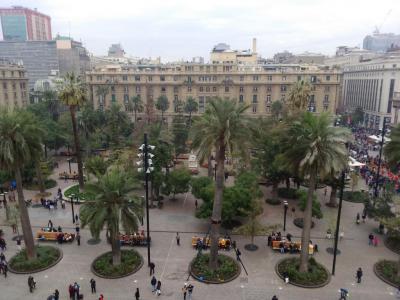
The Arms Square was founded along with Santiago in 1541. During the time of the Spanish colonization, it was customary to leave a city block empty and surround it with government buildings and a cathedral. If an attack happened, the city's residents could gather in the square and be defended.
Most of the buildings surrounding the Arms Square were completed in the 1800s. The beautiful Metropolitan Cathedral dominates the square. Other notable buildings in the square include the Royal Palace and the Central Post Office. A glorious fountain celebrating liberator Simón Bolívar stands in the center of the square. Over 100 palm trees shade the fountain.
There are several indoor malls with entrances from Arms Square. You'll find handcrafted goods, cafes, and fascinating corridors. The Chess Club of Santiago meets on the outdoor stage regularly. Just walk up and ask for a game.
On the weekends, you'll find musicians, painters, entertainers, and food vendors in the busy square. Dancers join together to dance the Cueca, a traditional Chilean dance.
Most of the buildings surrounding the Arms Square were completed in the 1800s. The beautiful Metropolitan Cathedral dominates the square. Other notable buildings in the square include the Royal Palace and the Central Post Office. A glorious fountain celebrating liberator Simón Bolívar stands in the center of the square. Over 100 palm trees shade the fountain.
There are several indoor malls with entrances from Arms Square. You'll find handcrafted goods, cafes, and fascinating corridors. The Chess Club of Santiago meets on the outdoor stage regularly. Just walk up and ask for a game.
On the weekends, you'll find musicians, painters, entertainers, and food vendors in the busy square. Dancers join together to dance the Cueca, a traditional Chilean dance.
7) Pre-Columbian Art Museum (must see)
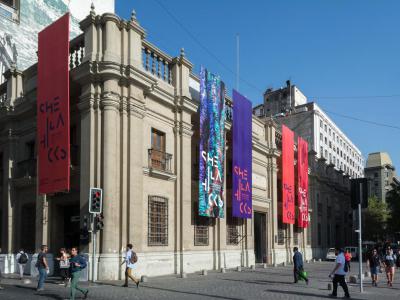
The Pre-Columbian Art Museum is one of the world's top museums and a highlight of Latin American museums. Visitors will gain an important historical look at the wonderful culture of the Pre-Columbian Americas. The museum is located in the Old Royal Customs House, built in 1807.
Inside, the museum’s permanent collection includes thousands of artifacts representing more than 100 indigenous cultures. Among the exhibits are finely crafted ceramics, intricate textiles, gold and silver ornaments, and stone carvings. Each piece reveals details about the daily life, beliefs, and artistic expression of societies such as the Maya, Aztec, Inca, and Mapuche.
One of the most remarkable sections is the Andean Hall, which explores the civilizations that flourished along the Andes Mountains. Visitors can see elaborately woven fabrics that have survived for centuries thanks to the region’s dry climate, as well as ceremonial masks and musical instruments.
The Chile Before Chile exhibit is fabulous and gives visitors a real insight into the lives of the original inhabitants of this land before colonization. The Chinchorro people mummified their dead before the more well-known Egyptian culture began mummifying their dead. The museum has a Chinchorro mummy on display, dating back to 1,900 BCE.
Visitors will also learn about the Anconcágua culture, which survived for 9,000 years hunting animals that are now extinct. Other unique pieces include Mapuche totem poles which were each carved from a single tree. Visitors will be impressed by the Rapa Nui wooden statues.
The displays are labeled in Spanish and English.
Tip:
Try to arrive before lunchtime, as it is usually packed.
Inside, the museum’s permanent collection includes thousands of artifacts representing more than 100 indigenous cultures. Among the exhibits are finely crafted ceramics, intricate textiles, gold and silver ornaments, and stone carvings. Each piece reveals details about the daily life, beliefs, and artistic expression of societies such as the Maya, Aztec, Inca, and Mapuche.
One of the most remarkable sections is the Andean Hall, which explores the civilizations that flourished along the Andes Mountains. Visitors can see elaborately woven fabrics that have survived for centuries thanks to the region’s dry climate, as well as ceremonial masks and musical instruments.
The Chile Before Chile exhibit is fabulous and gives visitors a real insight into the lives of the original inhabitants of this land before colonization. The Chinchorro people mummified their dead before the more well-known Egyptian culture began mummifying their dead. The museum has a Chinchorro mummy on display, dating back to 1,900 BCE.
Visitors will also learn about the Anconcágua culture, which survived for 9,000 years hunting animals that are now extinct. Other unique pieces include Mapuche totem poles which were each carved from a single tree. Visitors will be impressed by the Rapa Nui wooden statues.
The displays are labeled in Spanish and English.
Tip:
Try to arrive before lunchtime, as it is usually packed.
8) Santa Lucía Hill (must see)
Santa Lucia Hill is 629 meters (or 2,064 feet) above sea level and 69 meters (or 226 feet) above the local area. This unique hill is the remainder of a 15 million-year-old volcano.
The hill was originally called Huelén in pre-colonial times. In 1541, Spanish conquierer Pedro de Valdivia claimed the hill for the Spanish and named the hill Santa Lucia. Pedro de Valdivia founded Santiago from Santa Lucia, making this hill an important historical site. During Santiago's early days, missionaries used the hill to pray and worship.
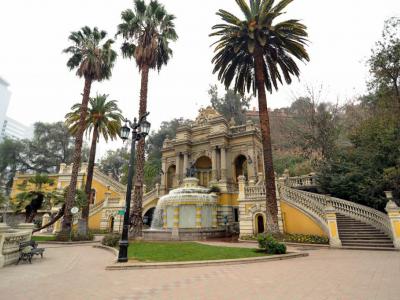
In the early 1800s, Manuel Olaguer Feliú, a Spanish military engineer, built two forts on the hill. Hidalgo Castle was built in 1820, and the fort is open to the public. Today, the site is home to an enormous park. A series of stone steps lead visitors to the top for an incredible view. The climb may be challenging, especially on a hot day.
The steep steps twist their way past terraces, trees, statues, fountains, and gardens that have been erected over the centuries. Each terrace allows visitors to rest before continuing. Don't miss the beautiful Neptune Fountain.
In 1849, United States Naval Officer James Melville Gilliss founded an American observatory on the hill. Gilliss sought to measure the solar parallax precisely. Chile purchased the equipment and formed Chile's first National Astronomical Observatory on the site.
Traditionally, an 1824 cannon is fired every day to mark the noon hour.
Tips:
Visit on a clear weekend day. On the weekends, there is less traffic, and the air is often clearer with less smog. The clearer the air, the better your view of the mountains.
The hill was originally called Huelén in pre-colonial times. In 1541, Spanish conquierer Pedro de Valdivia claimed the hill for the Spanish and named the hill Santa Lucia. Pedro de Valdivia founded Santiago from Santa Lucia, making this hill an important historical site. During Santiago's early days, missionaries used the hill to pray and worship.
In the early 1800s, Manuel Olaguer Feliú, a Spanish military engineer, built two forts on the hill. Hidalgo Castle was built in 1820, and the fort is open to the public. Today, the site is home to an enormous park. A series of stone steps lead visitors to the top for an incredible view. The climb may be challenging, especially on a hot day.
The steep steps twist their way past terraces, trees, statues, fountains, and gardens that have been erected over the centuries. Each terrace allows visitors to rest before continuing. Don't miss the beautiful Neptune Fountain.
In 1849, United States Naval Officer James Melville Gilliss founded an American observatory on the hill. Gilliss sought to measure the solar parallax precisely. Chile purchased the equipment and formed Chile's first National Astronomical Observatory on the site.
Traditionally, an 1824 cannon is fired every day to mark the noon hour.
Tips:
Visit on a clear weekend day. On the weekends, there is less traffic, and the air is often clearer with less smog. The clearer the air, the better your view of the mountains.
9) Emporio la Rosa Ice Cream
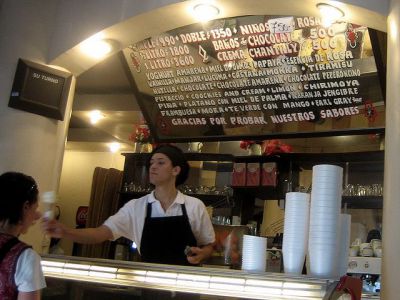
Nestled in the heart of Santiago, Emporio la Rosa is an enchanting ice cream shop that has won the hearts of locals and tourists alike. While their menu boasts a variety of delectable options like sandwiches, meals, and salads, it is their artisan ice cream that truly steals the show, making it a must-visit destination, whether it's the scorching summer or the chilly winter season.
Situated in the center of the city, Emporio la Rosa serves up a wide array of handcrafted ice creams, catering to different palates and dietary preferences. Those following a vegan lifestyle need not fret, as they have an array of vegan options available.
Emporio la Rosa's ice cream has garnered a reputation for being phenomenal, and rightfully so. With approximately 40 different types of ice cream to choose from, the options seem endless. Among the favorites are Lucuma, a nutty-tasting fruit flavor that captivates the taste buds, the intriguing combination of Chocolate-black pepper, the exquisite Ulmo honey sourced from the southern regions of Chile, and the irresistible "manjar," which is Chile's delightful rendition of dulce de leche.
Visitors have been amazed by the bold yet harmonious flavors on offer. One such surprising delight that left patrons thoroughly impressed was the "leché y arroz" flavor, which combines milk and rice. Although an unlikely pairing, it turned out to be an unexpectedly delicious treat that left a lasting impression.
Situated in the center of the city, Emporio la Rosa serves up a wide array of handcrafted ice creams, catering to different palates and dietary preferences. Those following a vegan lifestyle need not fret, as they have an array of vegan options available.
Emporio la Rosa's ice cream has garnered a reputation for being phenomenal, and rightfully so. With approximately 40 different types of ice cream to choose from, the options seem endless. Among the favorites are Lucuma, a nutty-tasting fruit flavor that captivates the taste buds, the intriguing combination of Chocolate-black pepper, the exquisite Ulmo honey sourced from the southern regions of Chile, and the irresistible "manjar," which is Chile's delightful rendition of dulce de leche.
Visitors have been amazed by the bold yet harmonious flavors on offer. One such surprising delight that left patrons thoroughly impressed was the "leché y arroz" flavor, which combines milk and rice. Although an unlikely pairing, it turned out to be an unexpectedly delicious treat that left a lasting impression.
