Custom Walk in London, England by christabuteau2959 created on 2026-01-26
Guide Location: England » London
Guide Type: Custom Walk
# of Sights: 14
Tour Duration: 7 Hour(s)
Travel Distance: 18 Km or 11.2 Miles
Share Key: XTX4E
Guide Type: Custom Walk
# of Sights: 14
Tour Duration: 7 Hour(s)
Travel Distance: 18 Km or 11.2 Miles
Share Key: XTX4E
How It Works
Please retrieve this walk in the GPSmyCity app. Once done, the app will guide you from one tour stop to the next as if you had a personal tour guide. If you created the walk on this website or come to the page via a link, please follow the instructions below to retrieve the walk in the app.
Retrieve This Walk in App
Step 1. Download the app "GPSmyCity: Walks in 1K+ Cities" on Apple App Store or Google Play Store.



Step 2. In the GPSmyCity app, download(or launch) the guide "London Map and Walking Tours".
Step 3. Tap the menu button located at upper right corner of the "Walks" screen and select "Retrieve custom walk". Enter the share key: XTX4E
1) Leadenhall Market
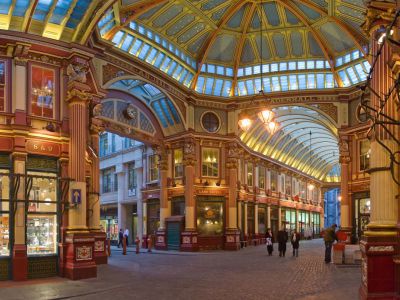
The origins of Leadenhall Market date back to the 14th century. Its name is a nod to the lead roof that once covered the medieval market hall. The location itself marks the former site of an ancient Roman forum and basilica from the days of Londinium, thus making it steeped in over two millennia of history.
The current building, a stunning example of Victorian architecture, with its distinctive glass canopy, wrought iron details, decorative arches, and intricate detailing, was redesigned in 1881 by Sir Horace Jones, the very same architect who gave us Tower Bridge.
Once the go-to place for meat, poultry, and game, Leadenhall now leans more toward wine bars, boutiques, and bistro bites, though you’ll still spot original iron meat hooks (if you look up) and even a traditional shoeshine station. Stroll its cobbled paths and you’ll find city suits mingling with selfie-takers, all basking in that golden Victorian glow. In this 21st-century era of towering skyscrapers, it survives solely due to government protection.
In recent years, Leadenhall has been a major pop culture draw for its connection to the Harry Potter movies. The surreal contrast between its ancient charm and the surrounding towers of steel is thought to have inspired J.K. Rowling’s vision for Diagon Alley- a romantic slice of London’s past, nestled right under the glassy gaze of corporate high-risers.
In particular, the market served as the filming location for parts of Harry Potter and the Philosopher’s Stone and The Goblet of Fire, specifically as the entrance to Diagon Alley. At 42 Bull's Head Passage, a humble blue doorway is easily recognizable as that leading to the Leaky Cauldron pub (in the movies). Today, the shop is home to Glass House Opticians, so you might even chance upon Mad-Eye Moody here, getting fitted for a contact lens with a bit of luck...
Indeed, whether you’re here for the history, the architecture, a cheeky pint, or just to whisper “Alohomora” at random doors, Leadenhall Market delivers all the same. It's London-layered, lively, and just a little bit enchanted.
The current building, a stunning example of Victorian architecture, with its distinctive glass canopy, wrought iron details, decorative arches, and intricate detailing, was redesigned in 1881 by Sir Horace Jones, the very same architect who gave us Tower Bridge.
Once the go-to place for meat, poultry, and game, Leadenhall now leans more toward wine bars, boutiques, and bistro bites, though you’ll still spot original iron meat hooks (if you look up) and even a traditional shoeshine station. Stroll its cobbled paths and you’ll find city suits mingling with selfie-takers, all basking in that golden Victorian glow. In this 21st-century era of towering skyscrapers, it survives solely due to government protection.
In recent years, Leadenhall has been a major pop culture draw for its connection to the Harry Potter movies. The surreal contrast between its ancient charm and the surrounding towers of steel is thought to have inspired J.K. Rowling’s vision for Diagon Alley- a romantic slice of London’s past, nestled right under the glassy gaze of corporate high-risers.
In particular, the market served as the filming location for parts of Harry Potter and the Philosopher’s Stone and The Goblet of Fire, specifically as the entrance to Diagon Alley. At 42 Bull's Head Passage, a humble blue doorway is easily recognizable as that leading to the Leaky Cauldron pub (in the movies). Today, the shop is home to Glass House Opticians, so you might even chance upon Mad-Eye Moody here, getting fitted for a contact lens with a bit of luck...
Indeed, whether you’re here for the history, the architecture, a cheeky pint, or just to whisper “Alohomora” at random doors, Leadenhall Market delivers all the same. It's London-layered, lively, and just a little bit enchanted.
2) Brick Lane Market & Truman Brewery Markets
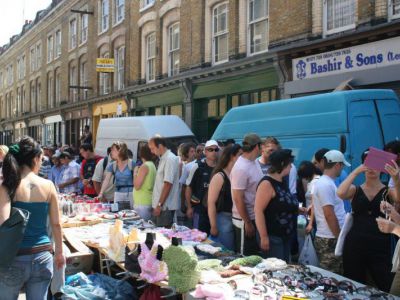
Brick Lane, once a pathway cutting through brickfields, is now renowned for its connection to the British-Bangladeshi community. Today, their curry restaurants coexist with trendy art galleries and unique boutiques. The street is home to a variety of shops and residences, some of which date back to the 18th century and have welcomed immigrants from various nations. You can find a wide array of ethnic foods, spices, silks, and saris available for purchase here. In the 19th century, this area predominantly housed a Jewish community, and traces of their presence remain, with Beigel Bake Brick Lane Bakery at #159 being the most famous.
On Sundays, a bustling market takes place in the vicinity, known for its appeal in discovering unusual items. Art students have always been drawn to this place, capturing it in photographs, while bargain hunters from all corners of London treasure it as well.
Right near the pinned location lies the Old Truman Brewery, which hosts a blend of bars, shops, and stalls. On weekends, separate markets offer a range of goods, including food, vintage clothing, and the latest fashion trends.
On Sundays, a bustling market takes place in the vicinity, known for its appeal in discovering unusual items. Art students have always been drawn to this place, capturing it in photographs, while bargain hunters from all corners of London treasure it as well.
Right near the pinned location lies the Old Truman Brewery, which hosts a blend of bars, shops, and stalls. On weekends, separate markets offer a range of goods, including food, vintage clothing, and the latest fashion trends.
3) Tower Bridge (must see)
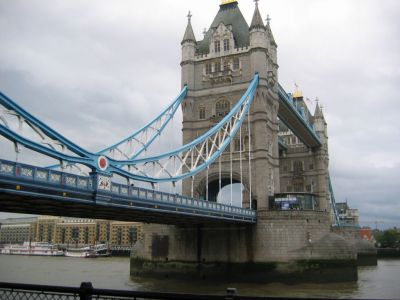
Tower Bridge-yes, that famous one with the twin towers and rising roadways-surprisingly didn’t swing into action until 1894. That’s right: it’s younger than your great-great-grandma’s fruitcake recipe, though you'd never guess it based on the number of fridge magnets it’s starred on. Indeed, in just over a century, it’s managed to become one of London’s most iconic symbols-practically the Victorian era in bridge form.
Now here’s a royal twist: Queen Victoria wasn’t exactly thrilled about it at first. She worried the bridge might compromise the security of the nearby Tower of London, which at that time doubled as an armory. Still, they painted it her favorite color-chocolate brown-and forged ahead, perhaps hoping that a well-dressed bridge would soothe Her Majesty’s nerves.
Under the hood (well, under the road), it was all quite steamy-literally. Sophisticated steam-powered engines lifted the bridge’s bascules to allow tall ships to pass through. In its very first year, the bridge went up over 6,000 times-talk about an overachiever! These days, it opens around 1,000 times a year, and somehow, they’ve managed to avoid any major mishaps. If you’re lucky, you might even catch one of those dramatic lifts in real time-free theater, London-style...
For an unforgettable experience, take in the sweeping views of the Thames, the sci-fi egg that is City Hall, the gleaming glass Shard, and the chaos of central London from the top of the bridge. Better yet, grab a ticket and ride the elevator to the elevated walkways. Up there, you’ll find a glass floor for peeking at the world below (great for photos, or mild panic), plus a museum showcasing the original steam engines-because nothing says Victorian romance like big brass machinery. Bonus points: Yes, there are restrooms at the top, so no need to “hold it” at altitude.
And in case you wonder, why you should go?-This masterpiece of Victorian engineering also sparkles at night, and-let’s face it-your trip to London wouldn't be complete without seeing it.
Now here’s a royal twist: Queen Victoria wasn’t exactly thrilled about it at first. She worried the bridge might compromise the security of the nearby Tower of London, which at that time doubled as an armory. Still, they painted it her favorite color-chocolate brown-and forged ahead, perhaps hoping that a well-dressed bridge would soothe Her Majesty’s nerves.
Under the hood (well, under the road), it was all quite steamy-literally. Sophisticated steam-powered engines lifted the bridge’s bascules to allow tall ships to pass through. In its very first year, the bridge went up over 6,000 times-talk about an overachiever! These days, it opens around 1,000 times a year, and somehow, they’ve managed to avoid any major mishaps. If you’re lucky, you might even catch one of those dramatic lifts in real time-free theater, London-style...
For an unforgettable experience, take in the sweeping views of the Thames, the sci-fi egg that is City Hall, the gleaming glass Shard, and the chaos of central London from the top of the bridge. Better yet, grab a ticket and ride the elevator to the elevated walkways. Up there, you’ll find a glass floor for peeking at the world below (great for photos, or mild panic), plus a museum showcasing the original steam engines-because nothing says Victorian romance like big brass machinery. Bonus points: Yes, there are restrooms at the top, so no need to “hold it” at altitude.
And in case you wonder, why you should go?-This masterpiece of Victorian engineering also sparkles at night, and-let’s face it-your trip to London wouldn't be complete without seeing it.
4) Tower of London (must see)
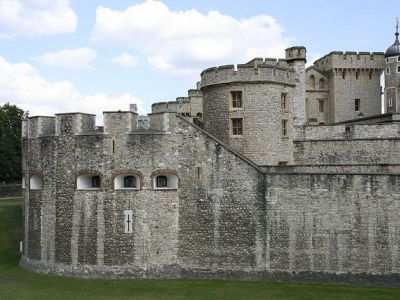
Nowhere in London does the past strut around quite so confidently as in the Tower of London-a moated, multi-towered, medieval mashup where history is practically haunting the place.
Originally built by the Normans over 900 years ago, the Tower has played just about every role imaginable: fortress, royal mint, palace, archive, and-you may like it the most-zoo. Yes, it once housed the Royal Menagerie, the wild precursor to the London Zoo. But make no mistake, the Tower is best known for its darker side-as a high-security VIP prison with a side hustle in executions. Nobles, queens, and even kings paced its echoing stone halls before meeting a less-than-ideal end. Some scratched their goodbyes into the walls. Others just lost their heads.
Now, if you were an important prisoner, you didn’t get dragged to Tower Hill with the commoners. Oh no-you got the deluxe package: a private execution on Tower Green. Only seven ever received this exclusive send-off, including Anne Boleyn and Catherine Howard, two royal wives who found out the hard way that Henry VIII was not great with long-term commitment.
At the heart of it all is the White Tower, the magnificent structure built in 1078 by William the Conqueror. Later, Henry III decided it looked better in white-hence the name. Today, it houses the Armouries, a jaw-dropping display of medieval bling, including weapons, suits of armor, and a reminder that fashion has always been a pain.
Nearby, the Traitors’ Gate offered less-than-warm welcomes to infamous prisoners as they arrived by boat. And then there’s the Bloody Tower, where the two "Princes in the Tower" disappeared under mysterious circumstances… conveniently clearing the way for their uncle to become Richard III. Coincidence? Mmm...
Also, don’t leave without gawking at the Crown Jewels-sparkly symbols of royal power that were rebooted after the English Civil War. The current set dates from 1661 and features more gems than a royal family group chat.
And if you want the full story, join a free Beefeater tour-they’re funny, sharp, and decked out in navy-and-red Tudor gear. Tours leave every half hour from the main gate and run for about 45-60 minutes.
Tip:
Buy tickets online to skip the queue. And do keep an eye out for the Tower’s resident ravens-legend has it that, if they ever fly off, the kingdom’s toast. No pressure, birds...
Originally built by the Normans over 900 years ago, the Tower has played just about every role imaginable: fortress, royal mint, palace, archive, and-you may like it the most-zoo. Yes, it once housed the Royal Menagerie, the wild precursor to the London Zoo. But make no mistake, the Tower is best known for its darker side-as a high-security VIP prison with a side hustle in executions. Nobles, queens, and even kings paced its echoing stone halls before meeting a less-than-ideal end. Some scratched their goodbyes into the walls. Others just lost their heads.
Now, if you were an important prisoner, you didn’t get dragged to Tower Hill with the commoners. Oh no-you got the deluxe package: a private execution on Tower Green. Only seven ever received this exclusive send-off, including Anne Boleyn and Catherine Howard, two royal wives who found out the hard way that Henry VIII was not great with long-term commitment.
At the heart of it all is the White Tower, the magnificent structure built in 1078 by William the Conqueror. Later, Henry III decided it looked better in white-hence the name. Today, it houses the Armouries, a jaw-dropping display of medieval bling, including weapons, suits of armor, and a reminder that fashion has always been a pain.
Nearby, the Traitors’ Gate offered less-than-warm welcomes to infamous prisoners as they arrived by boat. And then there’s the Bloody Tower, where the two "Princes in the Tower" disappeared under mysterious circumstances… conveniently clearing the way for their uncle to become Richard III. Coincidence? Mmm...
Also, don’t leave without gawking at the Crown Jewels-sparkly symbols of royal power that were rebooted after the English Civil War. The current set dates from 1661 and features more gems than a royal family group chat.
And if you want the full story, join a free Beefeater tour-they’re funny, sharp, and decked out in navy-and-red Tudor gear. Tours leave every half hour from the main gate and run for about 45-60 minutes.
Tip:
Buy tickets online to skip the queue. And do keep an eye out for the Tower’s resident ravens-legend has it that, if they ever fly off, the kingdom’s toast. No pressure, birds...
5) St. Mary-at-Hill
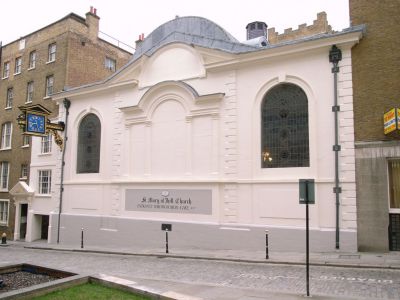
Now, let’s take a stroll back to the 10th and 11th centuries-no smartphones, no coffee shops, just Billingsgate Quay doing its thing as the Anglo-Saxon hotspot for ships and trade. This riverside hub was the main gateway heading north into the heart of old London. And smack dab on that steep, huff-and-puff climb from the Thames stood a church, logically dubbed Saint Mary at the Hill-because, well, it was very much on one.
A few centuries later, precisely in 1666, the Great Fire of London broke out. Saint Mary-at-Hill was nearly toast, its medieval bones scorched and battered. Fortunately, the architectural dream team saved the day with Sir Christopher Wren overseeing post-fire repairs across the city, and Robert Hooke stepping in to co-design the church’s revival. Walls were rebuilt, a smart new frontage added, and the church rose again-less ashes, more elegance.
Surprisingly, during the Blitz of World War II, while much of London took a pounding, Saint Mary-at-Hill stood firm, keeping its Victorian interior intact-complete with lofty box pews and rich dark wood carvings. But fate wasn’t done yet. In 1988, a fire (because why not another one?) brought down the dome and roof, leaving the interior badly damaged. Thankfully, restorers swung into action, the structure was saved, and precious furnishings went into storage for safekeeping.
Meanwhile, archaeologists poking around found even older secrets: Roman-era remains and Saxon graves that confirm this place has been spiritually active since before “London” was even fully London.
Today, Saint Mary-at-Hill keeps the legacy alive with free lunchtime recitals every Tuesday. The acoustics are heavenly, the music’s a treat, and while tickets won’t cost a thing, a little donation wouldn’t hurt. After all, keeping a thousand years of history humming isn’t exactly cheap.
A few centuries later, precisely in 1666, the Great Fire of London broke out. Saint Mary-at-Hill was nearly toast, its medieval bones scorched and battered. Fortunately, the architectural dream team saved the day with Sir Christopher Wren overseeing post-fire repairs across the city, and Robert Hooke stepping in to co-design the church’s revival. Walls were rebuilt, a smart new frontage added, and the church rose again-less ashes, more elegance.
Surprisingly, during the Blitz of World War II, while much of London took a pounding, Saint Mary-at-Hill stood firm, keeping its Victorian interior intact-complete with lofty box pews and rich dark wood carvings. But fate wasn’t done yet. In 1988, a fire (because why not another one?) brought down the dome and roof, leaving the interior badly damaged. Thankfully, restorers swung into action, the structure was saved, and precious furnishings went into storage for safekeeping.
Meanwhile, archaeologists poking around found even older secrets: Roman-era remains and Saxon graves that confirm this place has been spiritually active since before “London” was even fully London.
Today, Saint Mary-at-Hill keeps the legacy alive with free lunchtime recitals every Tuesday. The acoustics are heavenly, the music’s a treat, and while tickets won’t cost a thing, a little donation wouldn’t hurt. After all, keeping a thousand years of history humming isn’t exactly cheap.
6) Sky Garden
Designed by Uruguayan architect Rafael Viñoly, 20 Fenchurch Street is better known by its catchier nickname-the “Walkie-Talkie.” Why? Well, because it looks exactly like one, just supersized and stuck smack in the London skyline. Not everyone is a fan of its chunky silhouette, but love it or mock it, the building makes quite the statement-and unlike most skyscrapers, it actually lets the public in for free.
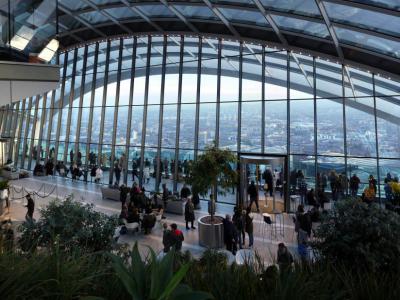
At the top sits the Sky Garden, a three-story glass crown perched on the 35th, 36th, and 37th floors. To get in, you’ll need to be quick on the click-free tickets drop every Monday, and they vanish faster than a London cab on a rainy night. Once you’ve secured your spot, you’ll be treated to one of the best panoramic views in the city, complete with a side of wine or dinner if you book a table. Yes, the bars and restaurants stay open late for those who like their skyline with a cocktail.
From this lofty perch, the view is a who’s who of London’s architectural elite: look south for the jagged elegance of The Shard, or north for a full lineup of nicknamed giants-Tower 42, the Gherkin, the Cheesegrater, the Scalpel, and the tall-and-polished 22 Bishopsgate.
As for the “garden” part of Sky Garden, it’s not just a name. You’ll find a leafy collection of semitropical trees, succulents, and flowering showstoppers like African lilies, Red Hot Pokers, and Birds of Paradise, all bordered by wafts of French lavender. It’s basically a high-rise greenhouse with views, drinks, and a better Instagram ratio than most city parks.
Bottom line: whether you’re a lover of lush greenery, skyline spotting, or just in it for the gram-the Walkie-Talkie talks back.
At the top sits the Sky Garden, a three-story glass crown perched on the 35th, 36th, and 37th floors. To get in, you’ll need to be quick on the click-free tickets drop every Monday, and they vanish faster than a London cab on a rainy night. Once you’ve secured your spot, you’ll be treated to one of the best panoramic views in the city, complete with a side of wine or dinner if you book a table. Yes, the bars and restaurants stay open late for those who like their skyline with a cocktail.
From this lofty perch, the view is a who’s who of London’s architectural elite: look south for the jagged elegance of The Shard, or north for a full lineup of nicknamed giants-Tower 42, the Gherkin, the Cheesegrater, the Scalpel, and the tall-and-polished 22 Bishopsgate.
As for the “garden” part of Sky Garden, it’s not just a name. You’ll find a leafy collection of semitropical trees, succulents, and flowering showstoppers like African lilies, Red Hot Pokers, and Birds of Paradise, all bordered by wafts of French lavender. It’s basically a high-rise greenhouse with views, drinks, and a better Instagram ratio than most city parks.
Bottom line: whether you’re a lover of lush greenery, skyline spotting, or just in it for the gram-the Walkie-Talkie talks back.
7) London Bridge
For pretty much as long as London has been… well, London, there’s been a bridge standing right here. The first one went up over 2,000 years ago, and since then it’s been a bit of a revolving door for bridges-Romans built one, William the Conqueror gave it a go, and King John had his moment too.
Back in 1014, when the Danes were running the show in London, King Ethelred the Unready-a man as prepared for battle as his name suggests-decided to team up with King Olaf of Norway and a band of Vikings. Yes, Saxons and Vikings were together at last. They sailed up the Thames, tied ropes to the wooden supports of the bridge, let the tide carry them downstream, and yoink!-down came the bridge. And just like that, the world got its catchiest medieval jingle: “London Bridge is Falling Down.”
By Tudor times, the bridge was basically a medieval high street, with 600 buildings, some six stories tall, crammed shoulder to shoulder. It was so packed, it became its own city ward. And as if bumper-to-bumper Tudor traffic wasn’t enough, the bridge also had a rather grim flair for home decor-namely, the severed heads of traitors displayed proudly on spikes. Yikes...
But the bridge couldn’t handle the modern hustle. By the 1960s, it was literally sinking at one end, buckling under the weight of traffic and time. So what did Britain do? Sell it, of course! For £1 million, or about $2.4 million back then, an American oil tycoon bought it, shipped it piece-by-piece across the Atlantic, and reassembled it over a lake in Arizona, where it stands to this day, probably wondering what happened.
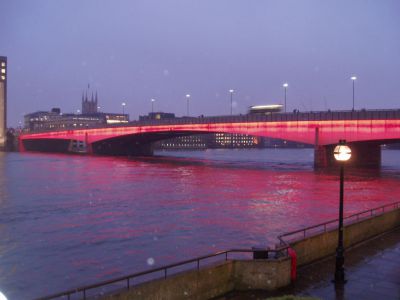
The current London Bridge, built in 1973, is a minimalist affair: clean lines, pre-stressed concrete, some polished granite, and about as much flair as a spreadsheet. But hey-it gets the job done.
And once a year, for one glorious Sunday in autumn, the bridge trades buses and bikes for a flock of sheep. It's the Sheep Drive, an ancient right of the Freemen of the City, who lead their woolly companions across the bridge in a ceremony that's part tradition, part traffic-stopping spectacle.
Because why not?
Back in 1014, when the Danes were running the show in London, King Ethelred the Unready-a man as prepared for battle as his name suggests-decided to team up with King Olaf of Norway and a band of Vikings. Yes, Saxons and Vikings were together at last. They sailed up the Thames, tied ropes to the wooden supports of the bridge, let the tide carry them downstream, and yoink!-down came the bridge. And just like that, the world got its catchiest medieval jingle: “London Bridge is Falling Down.”
By Tudor times, the bridge was basically a medieval high street, with 600 buildings, some six stories tall, crammed shoulder to shoulder. It was so packed, it became its own city ward. And as if bumper-to-bumper Tudor traffic wasn’t enough, the bridge also had a rather grim flair for home decor-namely, the severed heads of traitors displayed proudly on spikes. Yikes...
But the bridge couldn’t handle the modern hustle. By the 1960s, it was literally sinking at one end, buckling under the weight of traffic and time. So what did Britain do? Sell it, of course! For £1 million, or about $2.4 million back then, an American oil tycoon bought it, shipped it piece-by-piece across the Atlantic, and reassembled it over a lake in Arizona, where it stands to this day, probably wondering what happened.
The current London Bridge, built in 1973, is a minimalist affair: clean lines, pre-stressed concrete, some polished granite, and about as much flair as a spreadsheet. But hey-it gets the job done.
And once a year, for one glorious Sunday in autumn, the bridge trades buses and bikes for a flock of sheep. It's the Sheep Drive, an ancient right of the Freemen of the City, who lead their woolly companions across the bridge in a ceremony that's part tradition, part traffic-stopping spectacle.
Because why not?
8) Borough Market (must see)
Borough Market is London’s oldest and most atmospheric food market, boasting a history that spans over 1,000 years. Its origins trace back to the 11th century - and possibly earlier - when farmers would bring fresh produce to London Bridge, then the only southern entrance into the city. By the 18th century, the market had become so chaotic that Parliament decided to shut it down in 1756, though local volunteers soon revived it nearby. The structures seen today, with ornate Victorian ironwork and soaring arcades, were developed largely in the 19th century.
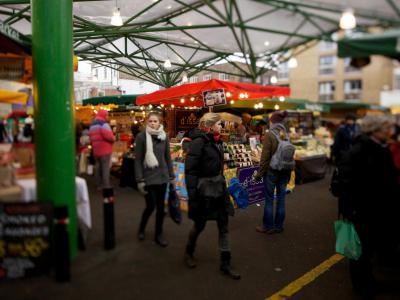
Today, with a railway rumbling overhead, this historic market hums below as a vibrant maze of culinary treasures. Visitors can explore an impressive range of artisan stalls offering cheeses, fresh bread, meats, seafood, organic produce, spices, handmade sweets, and gourmet street food. While British classics like meat pies and sausages are readily available, the real appeal lies in the diversity - from Ethiopian stews and Indian curries to Spanish paella and Middle Eastern falafel.
Navigating the market is part of the fun. Begin your adventure through the central labyrinth of food stalls until you reach Stoney Street on the western edge. From there, stroll along Park Street - a film location favorite - where you’ll find a lively pub and the famous Neal’s Yard Dairy cheese shop. Across the way, the Ginger Pig draws crowds for its traditional English bacon and sausages. For a local favorite, stop by Maria’s Market Café, a classic haunt for longtime market workers. Around every corner, more delights await, including covered terraces with extra seating for diners.
Rain or shine, Borough Market delivers. The partial roof makes it an all-weather destination, and beyond eating and shopping, visitors can enjoy food tastings, seasonal festivals, cooking demos, and culinary workshops. The market thrives on community and celebration, drawing food lovers from around the world.
Conveniently located near landmarks like Southwark Cathedral, The Shard, and Shakespeare’s Globe Theatre, it’s a perfect stop during a day exploring London’s South Bank.
Tip:
Before committing to a meal, take your time wandering. Getting a bit lost is part of the charm - and often leads to the tastiest surprises.
Today, with a railway rumbling overhead, this historic market hums below as a vibrant maze of culinary treasures. Visitors can explore an impressive range of artisan stalls offering cheeses, fresh bread, meats, seafood, organic produce, spices, handmade sweets, and gourmet street food. While British classics like meat pies and sausages are readily available, the real appeal lies in the diversity - from Ethiopian stews and Indian curries to Spanish paella and Middle Eastern falafel.
Navigating the market is part of the fun. Begin your adventure through the central labyrinth of food stalls until you reach Stoney Street on the western edge. From there, stroll along Park Street - a film location favorite - where you’ll find a lively pub and the famous Neal’s Yard Dairy cheese shop. Across the way, the Ginger Pig draws crowds for its traditional English bacon and sausages. For a local favorite, stop by Maria’s Market Café, a classic haunt for longtime market workers. Around every corner, more delights await, including covered terraces with extra seating for diners.
Rain or shine, Borough Market delivers. The partial roof makes it an all-weather destination, and beyond eating and shopping, visitors can enjoy food tastings, seasonal festivals, cooking demos, and culinary workshops. The market thrives on community and celebration, drawing food lovers from around the world.
Conveniently located near landmarks like Southwark Cathedral, The Shard, and Shakespeare’s Globe Theatre, it’s a perfect stop during a day exploring London’s South Bank.
Tip:
Before committing to a meal, take your time wandering. Getting a bit lost is part of the charm - and often leads to the tastiest surprises.
9) Bermondsey Antiques Market
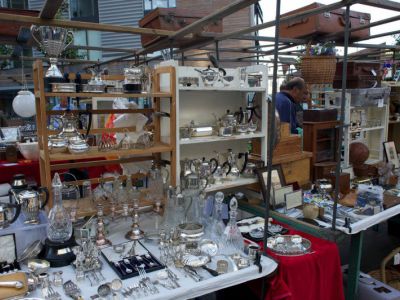
The meandering streets of Bermondsey still retain vestiges of its history, characterized by a mix of medieval, 18th-century, and Victorian buildings. In the present day, Bermondsey Street has transformed into a vibrant locale, housing art galleries, charming coffee shops, and a handful of exceptional dining establishments such as Casse-Croûte.
Furthermore, the area has gained renown for its antique market, which takes place in Bermondsey Square at the southern end of the street. Every Friday morning, starting at 6 AM, dedicated antique dealers showcase their latest acquisitions, with the most appealing bargains typically available early in the day. It serves as an excellent destination to discover a wide array of items, including furniture, jewelry, silverware, china, glassware, postcards, paintings, canes, textiles, books, toys, and much more.
Furthermore, the area has gained renown for its antique market, which takes place in Bermondsey Square at the southern end of the street. Every Friday morning, starting at 6 AM, dedicated antique dealers showcase their latest acquisitions, with the most appealing bargains typically available early in the day. It serves as an excellent destination to discover a wide array of items, including furniture, jewelry, silverware, china, glassware, postcards, paintings, canes, textiles, books, toys, and much more.
10) Garden Museum
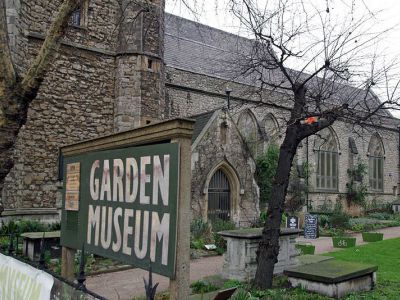
The world's inaugural museum dedicated to the history of gardens is located within the renovated (and deconsecrated) Saint Mary's parish church at Lambeth Palace, situated on the southern bank of the River Thames. Inside, it features a central garden designed in the 17th-century style, complete with authentic plants from that era. Within the museum's grounds lie the resting places of John Tradescant, both father and son, renowned as gardeners to both Charles I and Charles II, and celebrated for their adventurous plant-hunting exploits. One can also observe the tomb of William Bligh, the commanding officer of HMS Bounty, the ship famously cast adrift in the vast Pacific Ocean after the infamous mutiny. Interestingly, his vessel had been on a mission to collect plants.
The museum offers a comprehensive portrayal of the history of gardening in Britain, showcasing artifacts gathered by the Tradescants during their extensive journeys and preserving an archive of garden design. Additionally, it hosts a diverse range of exhibitions, classes, and events, complemented by a well-regarded shop and café.
Tip:
For those seeking an elevated perspective, an ascent of the church's medieval tower, involving a climb of 131 steps, provides breathtaking vistas encompassing Westminster and the meandering Thames.
The museum offers a comprehensive portrayal of the history of gardening in Britain, showcasing artifacts gathered by the Tradescants during their extensive journeys and preserving an archive of garden design. Additionally, it hosts a diverse range of exhibitions, classes, and events, complemented by a well-regarded shop and café.
Tip:
For those seeking an elevated perspective, an ascent of the church's medieval tower, involving a climb of 131 steps, provides breathtaking vistas encompassing Westminster and the meandering Thames.
11) National Portrait Gallery
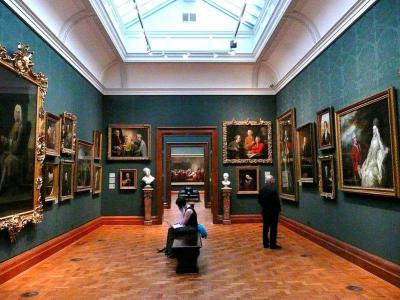
Reopened in 2023 after a substantial redevelopment, the National Portrait Gallery boasts an impressive collection of over 220,000 works, ranking among the world's most extensive assemblages of portraits. It serves as a visual narrative, chronicling the history of Britain since the 16th century, providing tangible faces to the historical figures familiar from textbooks. Founded in 1856, the gallery's first acquisition was the renowned portrayal of William Shakespeare, famously known as the "Chandos portrait", which still graces its walls. The gallery houses a vast array of other portraits, encompassing kings, queens, musicians, artists, and intellectuals from every epoch since the time of Henry VII.
The extensive refurbishment, valued in the tens of millions, has revitalized the Victorian structure, introducing a new visitor entrance named Ross Place and an airy forecourt on its northern façade. The entire collection has been thoughtfully reorganized, bringing to the forefront lesser-known individuals and narratives from British history while incorporating more pieces from the gallery's expansive photographic archive.
The primary collection is organized chronologically, beginning with the Tudor and Stuart Galleries on the 2nd floor and descending to contemporary portraits found on the ground floor and in the newly unveiled Weston Wing. Additionally, the gallery hosts special exhibitions, which may require an admission fee.
***JANE AUSTEN WALK***
A leisurely visit to the National Portrait Gallery in London offers a unique opportunity to connect with the world of Jane Austen and her illustrious contemporaries. Among the captivating portraits adorning its walls, you'll discover a particularly intimate treasure: Jane Austen's own visage, thoughtfully sketched by her sister Cassandra. As you wander through the gallery's hallowed halls, you'll immerse yourself in the visual tapestry of Austen's era, surrounded by portraits of her notable peers.
Why You Should Visit:
An exceptional assortment of portraits, where royalty, celebrities, and the common folk are represented on canvas. No other museum in London feels so purely English.
Tip:
Make sure to secure a reservation in advance if you wish to dine at the fantastic restaurant atop the building, which offers breathtaking views, as it tends to be fully booked.
The extensive refurbishment, valued in the tens of millions, has revitalized the Victorian structure, introducing a new visitor entrance named Ross Place and an airy forecourt on its northern façade. The entire collection has been thoughtfully reorganized, bringing to the forefront lesser-known individuals and narratives from British history while incorporating more pieces from the gallery's expansive photographic archive.
The primary collection is organized chronologically, beginning with the Tudor and Stuart Galleries on the 2nd floor and descending to contemporary portraits found on the ground floor and in the newly unveiled Weston Wing. Additionally, the gallery hosts special exhibitions, which may require an admission fee.
***JANE AUSTEN WALK***
A leisurely visit to the National Portrait Gallery in London offers a unique opportunity to connect with the world of Jane Austen and her illustrious contemporaries. Among the captivating portraits adorning its walls, you'll discover a particularly intimate treasure: Jane Austen's own visage, thoughtfully sketched by her sister Cassandra. As you wander through the gallery's hallowed halls, you'll immerse yourself in the visual tapestry of Austen's era, surrounded by portraits of her notable peers.
Why You Should Visit:
An exceptional assortment of portraits, where royalty, celebrities, and the common folk are represented on canvas. No other museum in London feels so purely English.
Tip:
Make sure to secure a reservation in advance if you wish to dine at the fantastic restaurant atop the building, which offers breathtaking views, as it tends to be fully booked.
12) Covent Garden Piazza (must see)
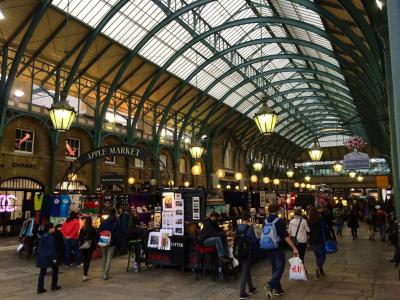
The transformation of Covent Garden from a utilitarian fruit and vegetable market in the 1670s into a trendy district was one of the most comprehensive and enduring developments of the 1980s. Unlike its neighbor Soho, Covent Garden is more mainstream and commercially oriented but also significantly more popular. Its appeal is greatly enhanced by the presence of street performers, buskers, and living statues, creating a vibrant atmosphere in the traffic-free Covent Garden Piazza.
This historically renowned piazza now encompasses three distinct market areas: the Apple Market, the East Colonnade Market, and the Jubilee Market. Within the Apple Market, located in the main covered area originally designed by Inigo Jones, you can find 40 stalls offering handcrafted jewelry, prints, clothing, ceramics, and various crafts from Tuesday to Sunday (Mondays are dedicated to antiques, curiosities, and collectibles). The East Colonnade Market features stalls primarily showcasing handmade specialty items such as soaps and jewelry, as well as housewares, accessories, and magic tricks. The Jubilee Market offers kitschy T-shirts and budget-friendly household goods from Tuesday to Friday, but on Mondays and weekends, you can explore vintage antiques, collectibles, and handcrafted goods.
Traditionally catering to tourists, Covent Garden Market has evolved and now presents a more sophisticated image, accompanied by higher price points. This transformation is evident through the introduction of upscale restaurants and well-known chains in the surrounding arcades. Notable establishments include a sizable Apple Store, beauty boutiques like Chanel and MAC, as well as exclusive boutiques for renowned brands such as N.Peal and Mulberry.
Throughout the day, Covent Garden is teeming with tourists, and in the evening, it becomes a favorite haunt for theater enthusiasts either heading to or returning from the Royal Opera House. If you happen to be touring London during the holiday season, this place is a genuine delight. Every building seems to be adorned with festive decorations and twinkling lights, creating a truly magical atmosphere.
Why You Should Visit:
While some locals may dismiss Covent Garden Market as a tourist hotspot, it remains a worthwhile destination for anyone. Historically, this market was a place where people of all social classes in London gathered with a shared purpose: shopping. Today, that original spirit of the market endures, as Londoners continue to converge here to indulge in a uniquely British shopping experience. It's a bustling, vibrant place that encapsulates the essence of authentic London at its finest.
This historically renowned piazza now encompasses three distinct market areas: the Apple Market, the East Colonnade Market, and the Jubilee Market. Within the Apple Market, located in the main covered area originally designed by Inigo Jones, you can find 40 stalls offering handcrafted jewelry, prints, clothing, ceramics, and various crafts from Tuesday to Sunday (Mondays are dedicated to antiques, curiosities, and collectibles). The East Colonnade Market features stalls primarily showcasing handmade specialty items such as soaps and jewelry, as well as housewares, accessories, and magic tricks. The Jubilee Market offers kitschy T-shirts and budget-friendly household goods from Tuesday to Friday, but on Mondays and weekends, you can explore vintage antiques, collectibles, and handcrafted goods.
Traditionally catering to tourists, Covent Garden Market has evolved and now presents a more sophisticated image, accompanied by higher price points. This transformation is evident through the introduction of upscale restaurants and well-known chains in the surrounding arcades. Notable establishments include a sizable Apple Store, beauty boutiques like Chanel and MAC, as well as exclusive boutiques for renowned brands such as N.Peal and Mulberry.
Throughout the day, Covent Garden is teeming with tourists, and in the evening, it becomes a favorite haunt for theater enthusiasts either heading to or returning from the Royal Opera House. If you happen to be touring London during the holiday season, this place is a genuine delight. Every building seems to be adorned with festive decorations and twinkling lights, creating a truly magical atmosphere.
Why You Should Visit:
While some locals may dismiss Covent Garden Market as a tourist hotspot, it remains a worthwhile destination for anyone. Historically, this market was a place where people of all social classes in London gathered with a shared purpose: shopping. Today, that original spirit of the market endures, as Londoners continue to converge here to indulge in a uniquely British shopping experience. It's a bustling, vibrant place that encapsulates the essence of authentic London at its finest.
13) British Library
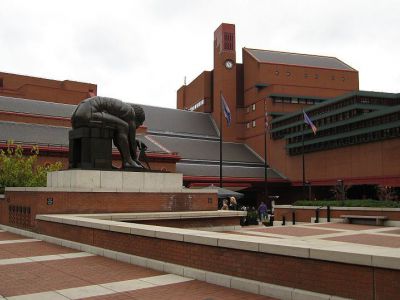
Designed by Sir Colin St John Wilson and unveiled in 1997 following nearly two decades of construction, this Grade I listed red-brick edifice was once a subject of controversy. It now serves as the custodian of the national collection of books, manuscripts, and maps. Collectively, the British Library boasts an astounding 170 million items spread across its locations in London and Yorkshire, encompassing approximately 14 million books. Access to these treasures is available to individuals possessing a Reader Pass, which can be pre-registered for online.
However, the true gem lies in the "Treasures of the British Library" exhibition. Here, visitors can marvel at remarkable artifacts, including the Magna Carta, the Codex Sinaiticus (an ancient Bible containing the oldest complete copy of the New Testament), Shakespeare's First Folio, Jane Austen's writing desk, and lyrics penned by the Beatles (including John Lennon's hand-written lyrics for "In My Life", "Strawberry Fields Forever", and "She Said She Said", along with Paul McCartney's draft on "Yesterday").
The library also hosts other rotating free exhibitions, although these often have earlier closing times than the main building during weekdays. Attendees can also partake in talks, discussions, and workshops. Throughout the year, the library organizes outstanding special exhibitions, usually requiring an admission fee. It's highly advisable to take one of their tours, which encompass a visit to the Viewing Gallery; booking at least two weeks in advance is recommended.
However, the true gem lies in the "Treasures of the British Library" exhibition. Here, visitors can marvel at remarkable artifacts, including the Magna Carta, the Codex Sinaiticus (an ancient Bible containing the oldest complete copy of the New Testament), Shakespeare's First Folio, Jane Austen's writing desk, and lyrics penned by the Beatles (including John Lennon's hand-written lyrics for "In My Life", "Strawberry Fields Forever", and "She Said She Said", along with Paul McCartney's draft on "Yesterday").
The library also hosts other rotating free exhibitions, although these often have earlier closing times than the main building during weekdays. Attendees can also partake in talks, discussions, and workshops. Throughout the year, the library organizes outstanding special exhibitions, usually requiring an admission fee. It's highly advisable to take one of their tours, which encompass a visit to the Viewing Gallery; booking at least two weeks in advance is recommended.
14) Alfies Antique Market
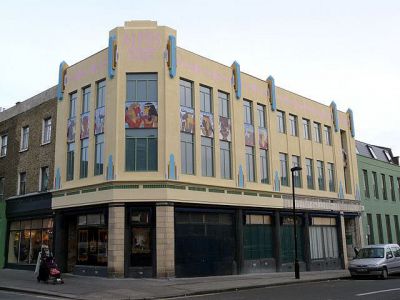
Alfies Antique Market, renowned worldwide, stands as one of London's and Britain's largest indoor antique markets, having played a significant role in establishing Marylebone as a prominent antiques destination. Featuring over seventy-five dealers, it fulfills the four essential criteria for an antique hunt: an enjoyable exploration, authentic treasures, competitive pricing, and an extensive variety of options. Offerings span from Art Deco pieces, silverware, furniture, jewelry, paintings, ceramics, and glassware to vintage clothing, all from a truly global collection.
Launched by Bennie Gray in 1976 on the premises of the Edwardian department store Jordan's, Alfies has undergone extensive renovation, including the addition of a four-storey extension in 1988. Today, the market complex spans 35,000 square feet across five floors, featuring an elegant waterfall staircase and the inviting Rooftop Restaurant. In addition to the shops, you'll also discover various services, including an upholstery workshop, antique frames and framing, watch and jewelry repairs, and even a vintage hair salon.
Why You Should Visit:
The go-to destination for serious collectors and novice shoppers alike. The dealers offer competitive prices and possess a remarkable wealth of knowledge, making a purchase not only about acquiring an item but also receiving a complimentary history lesson.
Launched by Bennie Gray in 1976 on the premises of the Edwardian department store Jordan's, Alfies has undergone extensive renovation, including the addition of a four-storey extension in 1988. Today, the market complex spans 35,000 square feet across five floors, featuring an elegant waterfall staircase and the inviting Rooftop Restaurant. In addition to the shops, you'll also discover various services, including an upholstery workshop, antique frames and framing, watch and jewelry repairs, and even a vintage hair salon.
Why You Should Visit:
The go-to destination for serious collectors and novice shoppers alike. The dealers offer competitive prices and possess a remarkable wealth of knowledge, making a purchase not only about acquiring an item but also receiving a complimentary history lesson.
