Custom Walk in Antigua, Guatemala by nanb820_ab3f8a created on 2026-02-04
Guide Location: Guatemala » Antigua
Guide Type: Custom Walk
# of Sights: 8
Tour Duration: 2 Hour(s)
Travel Distance: 3.7 Km or 2.3 Miles
Share Key:
Guide Type: Custom Walk
# of Sights: 8
Tour Duration: 2 Hour(s)
Travel Distance: 3.7 Km or 2.3 Miles
Share Key:
How It Works
Please retrieve this walk in the GPSmyCity app. Once done, the app will guide you from one tour stop to the next as if you had a personal tour guide. If you created the walk on this website or come to the page via a link, please follow the instructions below to retrieve the walk in the app.
Retrieve This Walk in App
Step 1. Download the app "GPSmyCity: Walks in 1K+ Cities" on Apple App Store or Google Play Store.



Step 2. In the GPSmyCity app, download(or launch) the guide "Antigua Map and Walking Tours".
Step 3. Tap the menu button located at upper right corner of the "Walks" screen and select "Retrieve custom walk". Enter the share key:
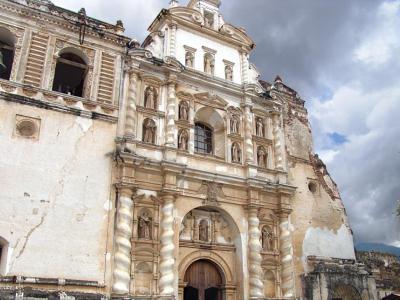
1) San Francsico el Grande (San Francisco Cathedral) (must see)
San Francisco Cathedral (San Francisco el Grande), located in Antigua Guatemala, is a historically and culturally significant church, revered particularly for housing the shrine of Peter of Saint Joseph Betancur (Santo Hermano Pedro). Established following the arrival of Franciscan missionaries from Spain in 1530, the Franciscans were originally assigned 120 villages by civil authorities. The first church built by these missionaries was constructed in the Panchoy Valley in 1541, at the current site of the School of Christ (Escuela de Cristo). After suffering damage in 1565, a new sanctuary was erected two blocks away in 1579, parts of which still stand today and represent some of the oldest architecture in Antigua.
Over the centuries, the church and its cloister were expanded and reinforced, notably surviving the 1691 earthquake. However, it sustained severe damage during the earthquakes of 1717, and 1751, particularly in 1773, after which it was only partially reconstructed. Despite these challenges, elements like its façade, characterized by twisted Salomon columns typical of Spanish-American baroque architecture, remain strikingly similar to that of San José Cathedral. Inside, the church houses sixteen vaulted niches with various saints and friars, including notable figures such as the Virgin Mary and San Antonio de Padua.
The church’s bell and clock towers, remnants of its 17th and 19th-century architecture, stand in ruins today. Despite this, the church’s interior remains adorned with rich altarpieces featuring paintings and sculptures by famous artists of the era. Additionally, San Francisco marks the start of Calle los Pasos (Steps Street), which features the Stations of the Cross, a significant religious path traditionally walked solemnly by the faithful.
San Francisco Cathedral thus serves not only as a place of worship but also as a living museum of Guatemalan history and culture, continuing to attract both the devout and the curious.
Over the centuries, the church and its cloister were expanded and reinforced, notably surviving the 1691 earthquake. However, it sustained severe damage during the earthquakes of 1717, and 1751, particularly in 1773, after which it was only partially reconstructed. Despite these challenges, elements like its façade, characterized by twisted Salomon columns typical of Spanish-American baroque architecture, remain strikingly similar to that of San José Cathedral. Inside, the church houses sixteen vaulted niches with various saints and friars, including notable figures such as the Virgin Mary and San Antonio de Padua.
The church’s bell and clock towers, remnants of its 17th and 19th-century architecture, stand in ruins today. Despite this, the church’s interior remains adorned with rich altarpieces featuring paintings and sculptures by famous artists of the era. Additionally, San Francisco marks the start of Calle los Pasos (Steps Street), which features the Stations of the Cross, a significant religious path traditionally walked solemnly by the faithful.
San Francisco Cathedral thus serves not only as a place of worship but also as a living museum of Guatemalan history and culture, continuing to attract both the devout and the curious.
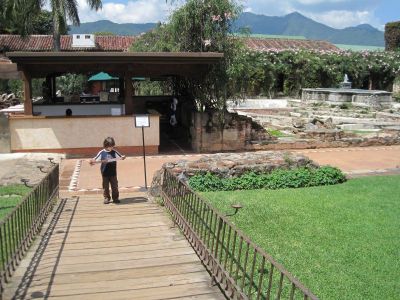
2) Casa Santo Domingo Museum (Santo Domingo Museum) (must see)
The Santo Domingo Museum is on the grounds of a convent dating back to the 16th century. Restoration efforts have made this former convent into a perfect museum space to highlight the artifacts on display. Brick arches and tile corridors help bring the area to life, replicating what the original building may have looked like.
Art that dates back to the ancient Mayan culture, including ceramics, forms an integral part of the collection. In keeping with the building's previous history as a church, the museum's collection includes religious terms. Touring this museum will give you a great appreciation for the area's history.
You can see other interesting items: silver and glassware, pharmacy articles, and archaeological artifacts. Paintings and sculptures that cover all of the site's time periods are part of the displays here. You also have the chance to see well-preserved Colonial furniture here.
Art that dates back to the ancient Mayan culture, including ceramics, forms an integral part of the collection. In keeping with the building's previous history as a church, the museum's collection includes religious terms. Touring this museum will give you a great appreciation for the area's history.
You can see other interesting items: silver and glassware, pharmacy articles, and archaeological artifacts. Paintings and sculptures that cover all of the site's time periods are part of the displays here. You also have the chance to see well-preserved Colonial furniture here.
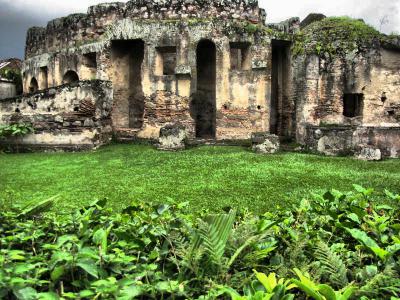
3) Convent of the Capuchins (must see)
One of the finest examples of an 18th-century convent in Guatemala, the Convent of the Capuchins was consecrated in 1736. In fact, it was the last convent to be built in the city, and the first one that stopped asking for a donation to the new nuns, allowing then poor ladies to embrace religious life. Daily routine for the nuns was ruled by strict regulations, which included, for some, maximum discipline on poverty, penance and fasting. Drinking chocolate was strictly forbidden and the requirement that they should survive on the tithing only.
Like the rest of the city, the building complex suffered damage during the 1751 and 1773 earthquakes, and was abandoned by order of the Captain-General at the time. Today, the monastery's well-preserved cells, gardens, and courtyards are open for public viewing and provide excellent photo-ops. Each twist and turn presents a view your camera will ache to capture! It's also interesting to see how small the cloisters were, and how the nuns lived during colonial times.
Tip:
The only guide is the map in the first room, so study it carefully! Don't miss the round room beneath the Nun's tower: sing quietly and be rewarded – the acoustics are incredible. The 2nd-floor art display is new and very nice, as well.
Like the rest of the city, the building complex suffered damage during the 1751 and 1773 earthquakes, and was abandoned by order of the Captain-General at the time. Today, the monastery's well-preserved cells, gardens, and courtyards are open for public viewing and provide excellent photo-ops. Each twist and turn presents a view your camera will ache to capture! It's also interesting to see how small the cloisters were, and how the nuns lived during colonial times.
Tip:
The only guide is the map in the first room, so study it carefully! Don't miss the round room beneath the Nun's tower: sing quietly and be rewarded – the acoustics are incredible. The 2nd-floor art display is new and very nice, as well.
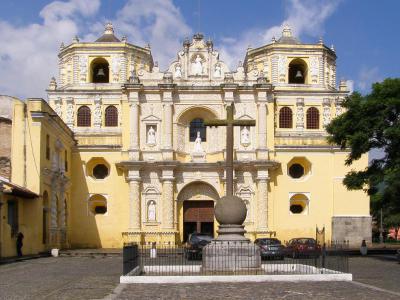
4) La Merced Church (must see)
La Merced Church in Antigua stands out for its Baroque-style architecture. The building has a beautiful facade with ornamental elements set in relief and a striking yellow color of the main walls complemented by white plaster sculptures. The church has its origins in a monastery that existed from the 17th century. After an earthquake in 1773, important statuary moved to a new congregation. However, La Merced Church's community moved back to the original building in the mid-19th century.
One of the unique things about the church is the low height of its two bell towers - it is designed to withstand the frequent tremors in Guatemala. San Pedro Nolasco, who founded the Order of the Blessed Virgin Mary of Mercy appears in an effigy form on top of the church building. The crest for his order, as was as images of two friars from this order, appear on either side of San Pedro Nolasco's image.
The facade's central niche contains an image of Our Lady of Mercedes. On the left side of this image, visitors can see effigies of San Pedro Arinengol and San Raymundo Nonnatus. Images that visitors can see on the right include depictions of San Pedro Pascual and Santa Maria de Cervellón.
After more than three centuries, the building is still standing and remains in good shape. Today the church is popular with locals and tourists alike.
One of the unique things about the church is the low height of its two bell towers - it is designed to withstand the frequent tremors in Guatemala. San Pedro Nolasco, who founded the Order of the Blessed Virgin Mary of Mercy appears in an effigy form on top of the church building. The crest for his order, as was as images of two friars from this order, appear on either side of San Pedro Nolasco's image.
The facade's central niche contains an image of Our Lady of Mercedes. On the left side of this image, visitors can see effigies of San Pedro Arinengol and San Raymundo Nonnatus. Images that visitors can see on the right include depictions of San Pedro Pascual and Santa Maria de Cervellón.
After more than three centuries, the building is still standing and remains in good shape. Today the church is popular with locals and tourists alike.
5) Santa Catalina Arch (must see)
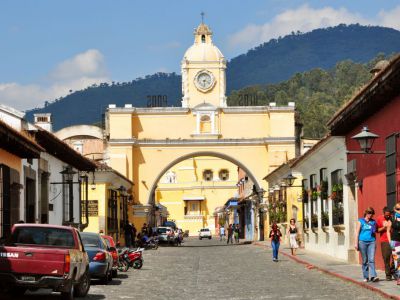
The Santa Catalina Arch is the most iconic landmark in Antigua Guatemala. Built in 1694 and located on 5th Avenue North, it originally connected the Santa Catalina Convent to a school on the other side of the street. At the time the cloistered nuns lived in the Santa Catalina Convent while they taught at the school during the day.
However there was a dilemma. The cloistered nuns had to avoid all contact with the outside world so they could not simply walk across a busy street to reach the school. To solve the problem, an arch above the street was built to connect the convent and the school. Within the arch there is a hidden passageway enabling the nuns to cross the street without being seen in public. It was an ingenious idea that worked perfectly!
The arch has suffered damage over the years, especially during the catastrophic earthquake of 1773. But miraculously, it has survived and it is now a symbol of the city’s resilience. A clock was added to the top of the arch in the era of the Central American Federation in the 1830s and it needs to be wound every three days.
Today, the Santa Catalina Arch is the most famous city monument and easily the most photographed.
However there was a dilemma. The cloistered nuns had to avoid all contact with the outside world so they could not simply walk across a busy street to reach the school. To solve the problem, an arch above the street was built to connect the convent and the school. Within the arch there is a hidden passageway enabling the nuns to cross the street without being seen in public. It was an ingenious idea that worked perfectly!
The arch has suffered damage over the years, especially during the catastrophic earthquake of 1773. But miraculously, it has survived and it is now a symbol of the city’s resilience. A clock was added to the top of the arch in the era of the Central American Federation in the 1830s and it needs to be wound every three days.
Today, the Santa Catalina Arch is the most famous city monument and easily the most photographed.
6) Parque Central (Central Plaza) (must see)
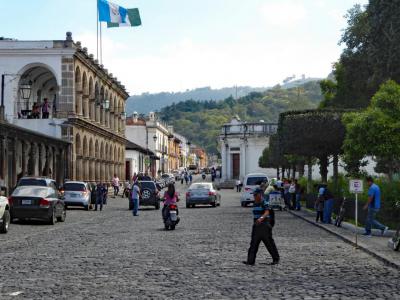
One of the reasons so many visitors enjoy visiting Parque Central is because of its popularity as a gathering place. There are plenty of trees that provide shade, as well as benches that encourage enjoyment of this space. There is a central fountain featuring a mermaid, a replica of a fountain from 1738.
This park stands out as part of Antigua's central square area. The Colonial-era buildings that line the park help add to its Old World charm. Some of the nearby landmarks you'll be able to spot include The Museum of Santiago de los Caballeros and Palacio de los Capitanes.
If you enjoy handcrafted items, there are local artisans who set up along the walkway areas every day. Marimba bands also regularly play at night, providing a lively backdrop for activity in the area. Regardless of whether you're sightseeing, shopping for crafts, enjoying the music, or people-watching, you're sure to have a great time.
This park stands out as part of Antigua's central square area. The Colonial-era buildings that line the park help add to its Old World charm. Some of the nearby landmarks you'll be able to spot include The Museum of Santiago de los Caballeros and Palacio de los Capitanes.
If you enjoy handcrafted items, there are local artisans who set up along the walkway areas every day. Marimba bands also regularly play at night, providing a lively backdrop for activity in the area. Regardless of whether you're sightseeing, shopping for crafts, enjoying the music, or people-watching, you're sure to have a great time.
7) ChocoMuseo (Chocolate Museum) (must see)
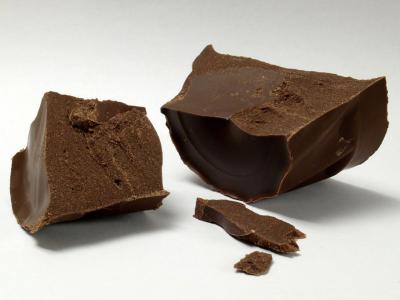
The Chocolate Museum in Antigua, Guatemala, offers one of the best ranges of overall experiences for those who love everything chocolate-related. One of the biggest highlights is a free tour where you can learn all about cacao beans and pods, in an experience that is perfect for visitors of all ages.
There are also three workshops visitors can enjoy, including one where you can make chocolate from the bean. You can also enjoy a mini-workshop if you're short on time. Another popular workshop lets you learn how to make the ganache required for shelled bonbons and truffles.
One of the things that stands out about this museum is its open production area. When you take one of these tours and buy from the Chocolate Museum, you're supporting local entrepreneurs. Meeting with the people behind local chocolate production is an excellent way to gain a new appreciation for this indulgent, sweet treat.
There are also three workshops visitors can enjoy, including one where you can make chocolate from the bean. You can also enjoy a mini-workshop if you're short on time. Another popular workshop lets you learn how to make the ganache required for shelled bonbons and truffles.
One of the things that stands out about this museum is its open production area. When you take one of these tours and buy from the Chocolate Museum, you're supporting local entrepreneurs. Meeting with the people behind local chocolate production is an excellent way to gain a new appreciation for this indulgent, sweet treat.
8) Antigua Guatemala Cathedral (must see)
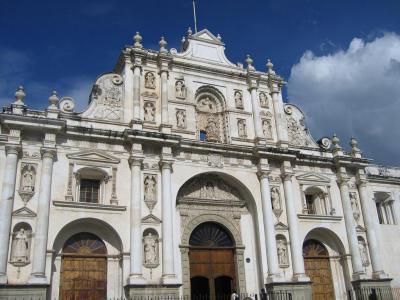
Antigua Guatemala Cathedral stands on the site of a church originally constructed in 1541. Several earthquakes damaged the original building, leading to its demolishment in 1669. Another building took its place, consecrated in 1680. This church was one of Central America's largest by 1743. The 1773 earthquake caused substantial damage, but the two towers at the building's front escaped most of the damage.
This cathedral enjoys UNESCO World Heritage Site status, with the facade being particularly impressive for many visitors. Statues of multiple saints grace the front. There are ruins from the previous part of the building destroyed in the earthquake that visitors can see, with the arches being particularly impressive. A plaza area outside the church features an impressive fountain.
Some of the sights to see inside the cathedral include sacred art that has been the subject of restorations. The high altar is one of the most well-preserved areas. At nightfall, the cathedral is impressively illuminated.
This cathedral enjoys UNESCO World Heritage Site status, with the facade being particularly impressive for many visitors. Statues of multiple saints grace the front. There are ruins from the previous part of the building destroyed in the earthquake that visitors can see, with the arches being particularly impressive. A plaza area outside the church features an impressive fountain.
Some of the sights to see inside the cathedral include sacred art that has been the subject of restorations. The high altar is one of the most well-preserved areas. At nightfall, the cathedral is impressively illuminated.
