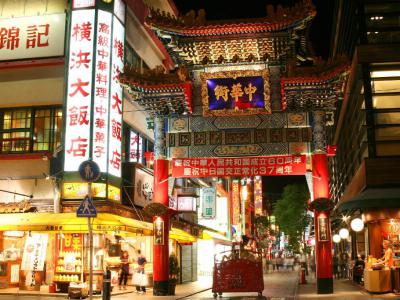


Choyomon Gate and Chinatown, Yokohama (must see)
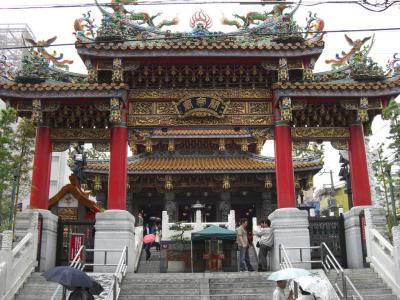
Marked by its bright blue roof and richly decorated Chinese architectural details, Choyomon Gate serves as the eastern entrance to Yokohama’s famous Chinatown. Its name means “Sunrise Gate,” reflecting its position on the eastern side of the district. The gate is dedicated to Seiryu, the Blue Dragon of the East, a guardian deity associated with spring, prosperity, and renewal.
Yokohama Chinatown traces its roots to 1859, when the port opened to international trade. Ferry links with Shanghai and Hong Kong brought Chinese immigrants to Yokohama, where they established schools, a community centre, shops, and restaurants near the foreign settlement. Growth was not easy: local laws restricted the types of work Chinese residents could perform, the Great Kantō Earthquake caused widespread destruction in 1923, and World War II brought further hardship. After the war, the district gradually began to recover.
Today, it is the largest Chinatown in Japan, with around 500 shops and restaurants catering mainly to visitors drawn by its history, food, and atmosphere. Tourism became especially important in the late 20th century after Japan established diplomatic relations with China, turning Chinatown into one of Yokohama’s most popular sightseeing destinations.
The first highlight is the East Gate itself. Here, two massive, vividly coloured columns support the heavy, multi-tiered ceramic-tile roof. The gateway features intricate wooden carvings created according to traditional feng shui principles, intended to protect the neighbourhood while welcoming prosperity from the eastern sea.
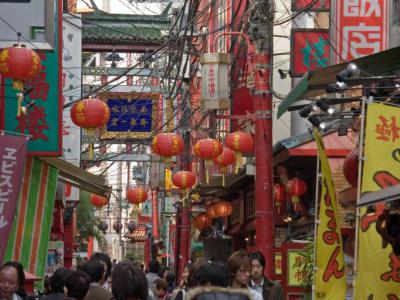
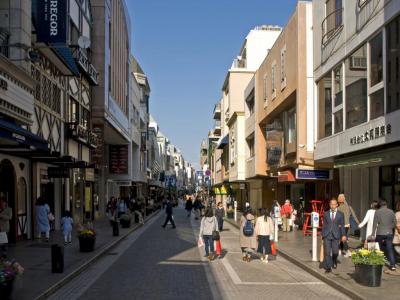
Pass through the gate and continue down the central avenue into the heart of the district. At the busy intersection with Ichiba-Dori Shopping Street, you will find one of Chinatown’s liveliest crossroads. This bustling pedestrian junction is lined with traditional storefronts, street-food stalls, and colourful dragon banners, capturing the vibrant atmosphere for which the neighbourhood is known.
Food remains the main attraction, with more than 150 Chinese restaurants serving dishes from many regions of China, as well as Taiwan. Visitors will also find bakeries selling steamed buns, cafés specializing in medicinal teas, buffets, sweet shops, souvenir stores, arcades, photography studios, karaoke bars, and craft workshops where they can try making dim sum, paper lanterns, and other traditional items. By day, Chinatown is lively and colourful; by evening, its illuminated gates and bustling restaurants give the district a festive glow.
Yokohama Chinatown traces its roots to 1859, when the port opened to international trade. Ferry links with Shanghai and Hong Kong brought Chinese immigrants to Yokohama, where they established schools, a community centre, shops, and restaurants near the foreign settlement. Growth was not easy: local laws restricted the types of work Chinese residents could perform, the Great Kantō Earthquake caused widespread destruction in 1923, and World War II brought further hardship. After the war, the district gradually began to recover.
Today, it is the largest Chinatown in Japan, with around 500 shops and restaurants catering mainly to visitors drawn by its history, food, and atmosphere. Tourism became especially important in the late 20th century after Japan established diplomatic relations with China, turning Chinatown into one of Yokohama’s most popular sightseeing destinations.
The first highlight is the East Gate itself. Here, two massive, vividly coloured columns support the heavy, multi-tiered ceramic-tile roof. The gateway features intricate wooden carvings created according to traditional feng shui principles, intended to protect the neighbourhood while welcoming prosperity from the eastern sea.
Pass through the gate and continue down the central avenue into the heart of the district. At the busy intersection with Ichiba-Dori Shopping Street, you will find one of Chinatown’s liveliest crossroads. This bustling pedestrian junction is lined with traditional storefronts, street-food stalls, and colourful dragon banners, capturing the vibrant atmosphere for which the neighbourhood is known.
Food remains the main attraction, with more than 150 Chinese restaurants serving dishes from many regions of China, as well as Taiwan. Visitors will also find bakeries selling steamed buns, cafés specializing in medicinal teas, buffets, sweet shops, souvenir stores, arcades, photography studios, karaoke bars, and craft workshops where they can try making dim sum, paper lanterns, and other traditional items. By day, Chinatown is lively and colourful; by evening, its illuminated gates and bustling restaurants give the district a festive glow.
Want to visit this sight? Check out these Self-Guided Walking Tours in Yokohama. Alternatively, you can download the mobile app "GPSmyCity: Walks in 1K+ Cities" from Apple App Store or Google Play Store. The app turns your mobile device to a personal tour guide and it works offline, so no data plan is needed when traveling abroad.
Download The GPSmyCity App



Choyomon Gate and Chinatown on Map
Sight Name: Choyomon Gate and Chinatown
Sight Location: Yokohama, Japan (See walking tours in Yokohama)
Sight Type: Attraction/Landmark
Guide(s) Containing This Sight:
Sight Location: Yokohama, Japan (See walking tours in Yokohama)
Sight Type: Attraction/Landmark
Guide(s) Containing This Sight:
Nearby Sights
Walking Tours in Yokohama, Japan

Create Your Own Walk in Yokohama
Creating your own self-guided walk in Yokohama is easy and fun. Choose the city attractions that you want to see and a walk route map will be created just for you. You can even set your hotel as the start point of the walk.
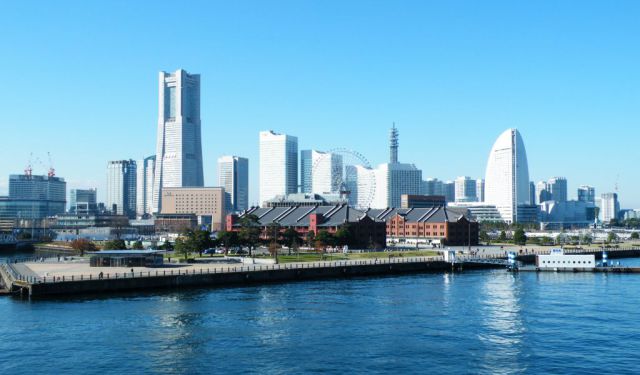
Yokohama Downtown Walking Tour
French writer Jules Verne featured Yokohama in his famous novel Around the World in Eighty Days. Even then, in 1873, Yokohama was seen as a symbol of modern, international Japan.
The city is Japan’s second-largest and one of its most important ports. The name Yokohama is derived from the words yoko, meaning “horizontal” or “sideways,” and hama, meaning “beach.” The name refers to... view more
Tour Duration: 2 Hours
Travel Distance: 3.7 Km or 2.3 Miles
The city is Japan’s second-largest and one of its most important ports. The name Yokohama is derived from the words yoko, meaning “horizontal” or “sideways,” and hama, meaning “beach.” The name refers to... view more
Tour Duration: 2 Hours
Travel Distance: 3.7 Km or 2.3 Miles
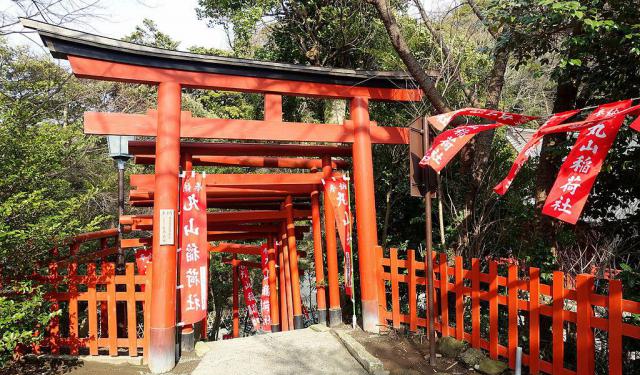
Kamakura Temples Walking Tour
Kamakura’s temples are inseparable from the story of the city itself. Once a small fishing village on Japan’s Pacific coast, Kamakura rose to national prominence in 1185, when the military leader Minamoto no Yoritomo established Japan’s first warrior government here. For nearly 150 years, Kamakura served as the political center of Japan, and its temples became both spiritual sanctuaries and... view more
Tour Duration: 2 Hours
Travel Distance: 4.7 Km or 2.9 Miles
Tour Duration: 2 Hours
Travel Distance: 4.7 Km or 2.9 Miles
City Walks Overview
