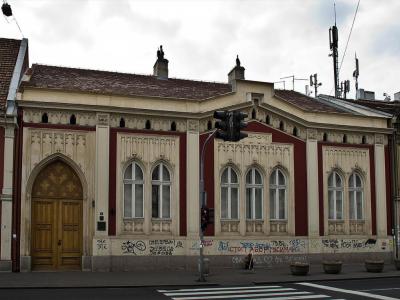


Homeland Museum of Zemun, Belgrade
The Homeland Museum of Zemun offers a comprehensive introduction to Zemun’s history, from its earliest settlements to the modern era. Founded in the 1950s, the museum initially operated at another location before becoming part of the Belgrade City Museum in 1968. Following extensive renovations, it opened in its present home, the historic Spirta House, on March 4, 1971.
The building is an attraction in its own right. Constructed in 1848 for the wealthy and influential Spirta family, it was one of the first substantial multi-story family residences in Zemun’s historic center. Its striking Gothic Revival architecture, characterized by Neo-Gothic decorative elements and flamboyant windows, distinguishes it from the surrounding buildings. The house is considered the only preserved example of this architectural style in the wider Belgrade area.
Inside, the elegant interiors reflect the elevated social status of the Spirta family, whose members were granted a noble title. Look for surviving details such as the family coat of arms, wall paintings, decorative wallpaper, inlaid parquet floors and period stoves.
The museum’s collections document Zemun’s development through historic documents, photographs, maps, rare books, posters, craftsmen’s equipment and old pharmacy furnishings. Together, they provide fascinating glimpses into the lives of the merchants, craftsmen and diverse communities that shaped the town over the centuries.
For visitors, the Spirta House itself is as fascinating as the collections it contains, bringing together Zemun’s social, architectural and cultural history under one roof.
The building is an attraction in its own right. Constructed in 1848 for the wealthy and influential Spirta family, it was one of the first substantial multi-story family residences in Zemun’s historic center. Its striking Gothic Revival architecture, characterized by Neo-Gothic decorative elements and flamboyant windows, distinguishes it from the surrounding buildings. The house is considered the only preserved example of this architectural style in the wider Belgrade area.
Inside, the elegant interiors reflect the elevated social status of the Spirta family, whose members were granted a noble title. Look for surviving details such as the family coat of arms, wall paintings, decorative wallpaper, inlaid parquet floors and period stoves.
The museum’s collections document Zemun’s development through historic documents, photographs, maps, rare books, posters, craftsmen’s equipment and old pharmacy furnishings. Together, they provide fascinating glimpses into the lives of the merchants, craftsmen and diverse communities that shaped the town over the centuries.
For visitors, the Spirta House itself is as fascinating as the collections it contains, bringing together Zemun’s social, architectural and cultural history under one roof.
Want to visit this sight? Check out these Self-Guided Walking Tours in Belgrade. Alternatively, you can download the mobile app "GPSmyCity: Walks in 1K+ Cities" from Apple App Store or Google Play Store. The app turns your mobile device to a personal tour guide and it works offline, so no data plan is needed when traveling abroad.
Download The GPSmyCity App



Homeland Museum of Zemun on Map
Sight Name: Homeland Museum of Zemun
Sight Location: Belgrade, Serbia (See walking tours in Belgrade)
Sight Type: Museum/Gallery
Guide(s) Containing This Sight:
Sight Location: Belgrade, Serbia (See walking tours in Belgrade)
Sight Type: Museum/Gallery
Guide(s) Containing This Sight:
Nearby Sights
Walking Tours in Belgrade, Serbia

Create Your Own Walk in Belgrade
Creating your own self-guided walk in Belgrade is easy and fun. Choose the city attractions that you want to see and a walk route map will be created just for you. You can even set your hotel as the start point of the walk.
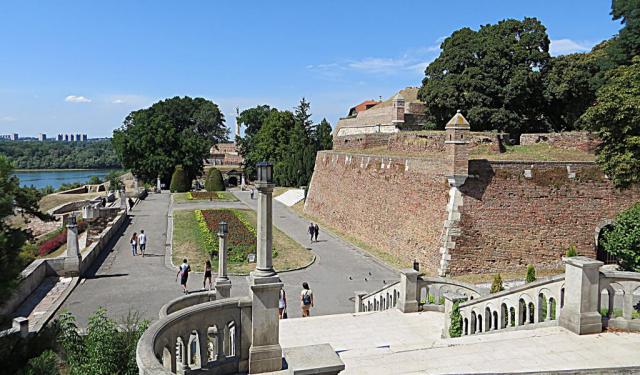
Kalemegdan Park and Belgrade Fortress Walking Tour
The most beautiful park in Belgrade, Kalemegdan Park, or simply Kalemegdan, is also the largest park and the most important cultural and historical complex in the city. The actual park occupies a smaller portion, in the southern corner, of another, grander monument - the Belgrade Fortress (which is some two millennia older).
The fortress itself, often erroneously referred to, even by the... view more
Tour Duration: 2 Hours
Travel Distance: 2.1 Km or 1.3 Miles
The fortress itself, often erroneously referred to, even by the... view more
Tour Duration: 2 Hours
Travel Distance: 2.1 Km or 1.3 Miles
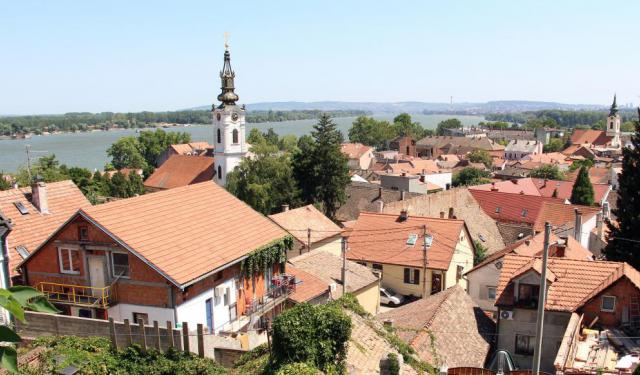
Zemun Old Town Walking Tour
Belgrade's Old Town, also known as Zemun, spread around Gardos Hill, is one of the city's oldest parts. Throughout the centuries, as the Balkans were part first of the Roman, then the Byzantine, and then the Austro-Hungarian empires, this area transformed into a beautiful neighborhood with narrow streets, cute buildings, and breathtaking views opening from the hill onto the Old Town and... view more
Tour Duration: 2 Hours
Travel Distance: 2.4 Km or 1.5 Miles
Tour Duration: 2 Hours
Travel Distance: 2.4 Km or 1.5 Miles
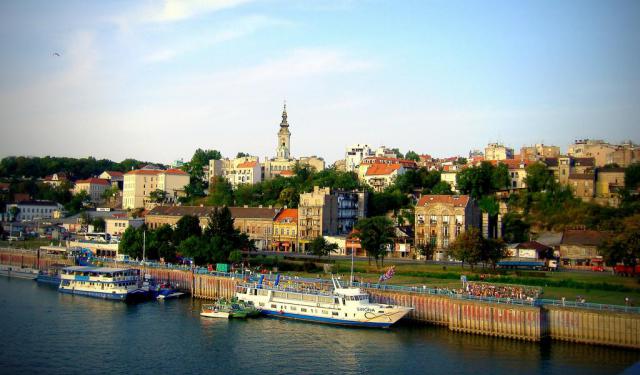
Belgrade's Top Attractions Walking Tour
Belgrade has been a city of strategic importance for millennia with its location at the confluence of the Sava and Danube rivers. In fact, it is one of the oldest continually inhabited cities on the planet.
Nomadic tribes inhabited the area as far back as 20,000 to 50,000 years ago. Some of these may have been Neanderthals rather than modern humans. By the sixth century BC, the Vinca culture... view more
Tour Duration: 2 Hours
Travel Distance: 4 Km or 2.5 Miles
Nomadic tribes inhabited the area as far back as 20,000 to 50,000 years ago. Some of these may have been Neanderthals rather than modern humans. By the sixth century BC, the Vinca culture... view more
Tour Duration: 2 Hours
Travel Distance: 4 Km or 2.5 Miles