

Zeppelinfeld (Zeppelin Field), Nuremberg
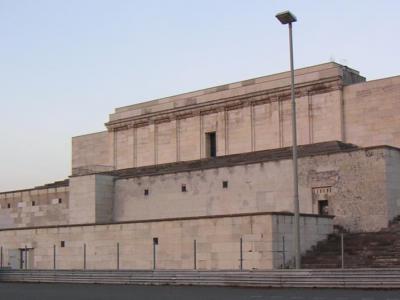
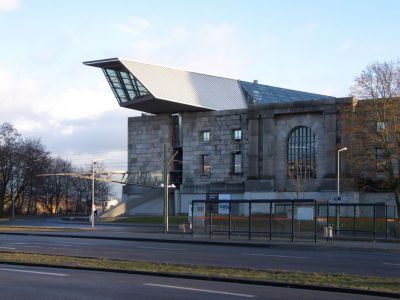
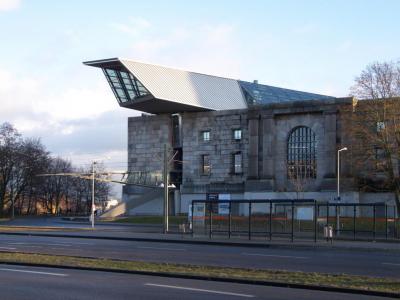
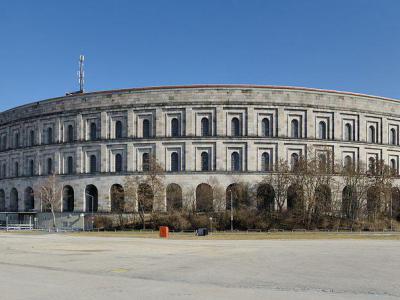
Zeppelin Field is one of the most imposing surviving sites of Nuremberg’s former Nazi Party Rally Grounds. Located east of the Great Road, it features the monumental Zeppelin Main Grandstand, which stretches about 360 metres and was designed by Albert Speer, drawing inspiration from the ancient Pergamon Altar. The field takes its name from Count Ferdinand von Zeppelin, whose airship LZ6 landed here in 1909.
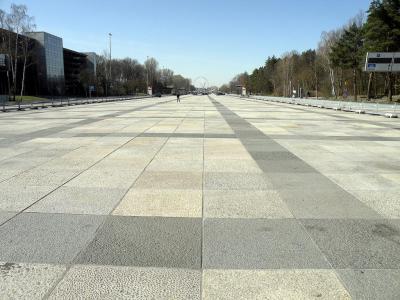
Between 1935 and 1937, the Nazis transformed the site into a vast parade and assembly ground. It was used for mass rallies and became famous for the dramatic spectacle of hundreds of thousands of people gathered before the grandstand. The site is also associated with the iconic image of the swastika being demolished from the grandstand in 1945, symbolising the collapse of Nazi Germany. To imagine the scale of the rallies that once took place here, make sure you walk up the wide stone steps onto the central tier of the Zeppelin Main Grandstand and look out across the vast grassy arena.
After the war, the field was used for American sports and military activities and became known as Soldiers Field. From the 1980s, it also hosted the German leg of the Monsters of Rock festival. Today, the grounds continue to be used for sporting events, including American football, as well as other activities.
Before you leave, stroll along the grandstand to view the weathered stone façade and examine the informational plaques detailing the site’s post-war history.
Zeppelin Field offers a powerful opportunity to understand the scale of Nazi propaganda architecture and mass spectacle.
Between 1935 and 1937, the Nazis transformed the site into a vast parade and assembly ground. It was used for mass rallies and became famous for the dramatic spectacle of hundreds of thousands of people gathered before the grandstand. The site is also associated with the iconic image of the swastika being demolished from the grandstand in 1945, symbolising the collapse of Nazi Germany. To imagine the scale of the rallies that once took place here, make sure you walk up the wide stone steps onto the central tier of the Zeppelin Main Grandstand and look out across the vast grassy arena.
After the war, the field was used for American sports and military activities and became known as Soldiers Field. From the 1980s, it also hosted the German leg of the Monsters of Rock festival. Today, the grounds continue to be used for sporting events, including American football, as well as other activities.
Before you leave, stroll along the grandstand to view the weathered stone façade and examine the informational plaques detailing the site’s post-war history.
Zeppelin Field offers a powerful opportunity to understand the scale of Nazi propaganda architecture and mass spectacle.
Want to visit this sight? Check out these Self-Guided Walking Tours in Nuremberg. Alternatively, you can download the mobile app "GPSmyCity: Walks in 1K+ Cities" from Apple App Store or Google Play Store. The app turns your mobile device to a personal tour guide and it works offline, so no data plan is needed when traveling abroad.
Download The GPSmyCity App



Zeppelinfeld (Zeppelin Field) on Map
Sight Name: Zeppelinfeld (Zeppelin Field)
Sight Location: Nuremberg, Germany (See walking tours in Nuremberg)
Sight Type: Attraction/Landmark
Guide(s) Containing This Sight:
Sight Location: Nuremberg, Germany (See walking tours in Nuremberg)
Sight Type: Attraction/Landmark
Guide(s) Containing This Sight:
Nearby Sights
Walking Tours in Nuremberg, Germany

Create Your Own Walk in Nuremberg
Creating your own self-guided walk in Nuremberg is easy and fun. Choose the city attractions that you want to see and a walk route map will be created just for you. You can even set your hotel as the start point of the walk.
Hitler's Nuremberg Tour
Nuremberg’s association with Adolf Hitler and National Socialism is one of the darkest chapters in the city’s history. Although Nuremberg is known for its medieval architecture and storybook appearance, few German cities are as closely intertwined with the Nazi legacy. Hitler referred to it as the “City of the Party Rallies” and regarded it as a model for the ideal German city.
The... view more
Tour Duration: 2 Hour(s)
Travel Distance: 4.9 Km or 3 Miles
The... view more
Tour Duration: 2 Hour(s)
Travel Distance: 4.9 Km or 3 Miles
A Walk Through Nuremberg's Historical Old Town
American poet Henry Wadsworth Longfellow described Nuremberg as a “quaint old town of toil and traffic, quaint old town of art and song.”
Nuremberg has witnessed some of the most significant events in German history. For many people, the city is first associated with the rise of the Third Reich, the Nazi Party rallies, and the postwar trials of Nazi leaders. Indeed, Hitler regarded... view more
Tour Duration: 3 Hour(s)
Travel Distance: 3.8 Km or 2.4 Miles
Nuremberg has witnessed some of the most significant events in German history. For many people, the city is first associated with the rise of the Third Reich, the Nazi Party rallies, and the postwar trials of Nazi leaders. Indeed, Hitler regarded... view more
Tour Duration: 3 Hour(s)
Travel Distance: 3.8 Km or 2.4 Miles