Custom Walk in Brisbane, Australia by karentews14_2dd35 created on 2025-07-31
Guide Location: Australia » Brisbane
Guide Type: Custom Walk
# of Sights: 11
Tour Duration: 2 Hour(s)
Travel Distance: 3.3 Km or 2.1 Miles
Share Key: 37GEF
Guide Type: Custom Walk
# of Sights: 11
Tour Duration: 2 Hour(s)
Travel Distance: 3.3 Km or 2.1 Miles
Share Key: 37GEF
How It Works
Please retrieve this walk in the GPSmyCity app. Once done, the app will guide you from one tour stop to the next as if you had a personal tour guide. If you created the walk on this website or come to the page via a link, please follow the instructions below to retrieve the walk in the app.
Retrieve This Walk in App
Step 1. Download the app "GPSmyCity: Walks in 1K+ Cities" on Apple App Store or Google Play Store.



Step 2. In the GPSmyCity app, download(or launch) the guide "Brisbane Map and Walking Tours".
Step 3. Tap the menu button located at upper right corner of the "Walks" screen and select "Retrieve custom walk". Enter the share key: 37GEF
1) Queen Street Mall
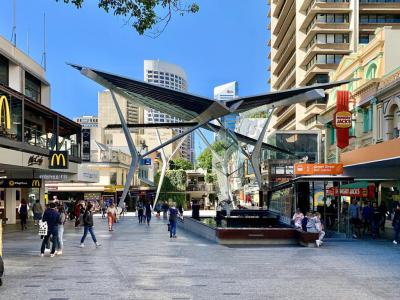
The hustle and bustle of Brisbane’s Central Business District (CBD) centers on Queen Street Mall, which is a large pedestrian shopping mall. It is the city’s predominant retail space with hundreds of retailers nestled into one of the many shopping centers or arcades there. The major shopping centers on the mall include: the Myer Center, the Wintergarden, Broadway on the Mall and Queens Plaza. Here you will find many of Queensland’s most prestigious stores alongside regular fashion and retail chains.
The Queen Street Mall is also where you can find a tourist information center as well as enjoy some of the many buskers and street performers who entertain there each day. You will also find many alfresco cafes along the mall, some of which are open 24 hours, as well as food courts in the basements of the shopping centers.
Along the mall there are plenty of Victorian or Edwardian facades that can still be seen, so keep your eyes up as you wander along the stretch – don’t miss strolling through the historic Brisbane Arcade on the Adelaide Street side of the mall. At the top of the mall you will find the Treasury Casino - one of the state’s most beautiful buildings.
The Queen Street Mall is also where you can find a tourist information center as well as enjoy some of the many buskers and street performers who entertain there each day. You will also find many alfresco cafes along the mall, some of which are open 24 hours, as well as food courts in the basements of the shopping centers.
Along the mall there are plenty of Victorian or Edwardian facades that can still be seen, so keep your eyes up as you wander along the stretch – don’t miss strolling through the historic Brisbane Arcade on the Adelaide Street side of the mall. At the top of the mall you will find the Treasury Casino - one of the state’s most beautiful buildings.
2) William Jolly Bridge
The William Jolly Bridge is an old road bridge that spans the Brisbane River, connecting North Quay in the Brisbane CBD to Grey Street in South Brisbane. It was designed by Harding Frew and constructed by MR Hornibrook Ltd. The bridge was built between 1928 and 1932 and is considered a heritage-listed structure.
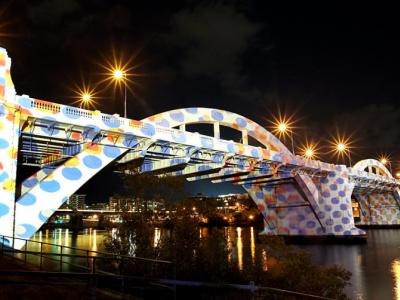
The design of the bridge reflects the Art Deco style that was in vogue during its construction period. It comprises two piers situated in the river and two pylons on the riverbanks, providing support for three elegant arches. These arches, often referred to as "rainbow arches," were a novel design and claimed to be the first of their kind in Australia. The bridge itself is made of steel with a unique concrete covering that gives it the appearance of "light-colored porphyry."
When it was first opened, back in the midst of the Great Depression, the bridge was initially known as the Grey Street Bridge. However, its name was changed to the William Jolly Bridge on July 5, 1955, in honor of William Jolly, who served as the first Lord Mayor of Greater Brisbane. The bridge was officially recognized for its historical significance and added to the Queensland Heritage Register on August 6, 1996. In 2003, the bridge served as a filming location for Inspector Gadget 2, adding to its cultural and cinematic history.
Since 2009, the bridge has been used as a canvas for artistic light displays. Two five-meter-tall towers are employed to project images onto the bridge, creating captivating visual experiences.
The design of the bridge reflects the Art Deco style that was in vogue during its construction period. It comprises two piers situated in the river and two pylons on the riverbanks, providing support for three elegant arches. These arches, often referred to as "rainbow arches," were a novel design and claimed to be the first of their kind in Australia. The bridge itself is made of steel with a unique concrete covering that gives it the appearance of "light-colored porphyry."
When it was first opened, back in the midst of the Great Depression, the bridge was initially known as the Grey Street Bridge. However, its name was changed to the William Jolly Bridge on July 5, 1955, in honor of William Jolly, who served as the first Lord Mayor of Greater Brisbane. The bridge was officially recognized for its historical significance and added to the Queensland Heritage Register on August 6, 1996. In 2003, the bridge served as a filming location for Inspector Gadget 2, adding to its cultural and cinematic history.
Since 2009, the bridge has been used as a canvas for artistic light displays. Two five-meter-tall towers are employed to project images onto the bridge, creating captivating visual experiences.
3) Queensland Museum
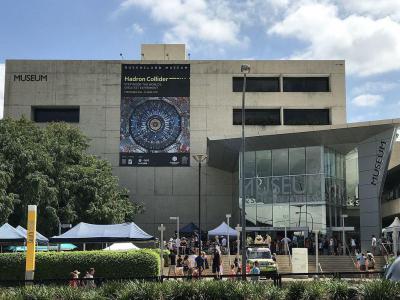
The Queensland Museum is part of the arts complex at Southbank just across the river from the CBD. The museum has been a part of the Queensland landscape for more than 150 years and has previously had homes at the Old Windmill, the Parliament Building, the Old Post Office and it was housed at the Exhibition Building for 86 years until it moved to its current site in 1985. To celebrate the museum’s 150th anniversary in 2012 it was extensively refurbished in order to provide Queenslanders with even better tangible access to their past and give visitors a clearer understanding of where the state has been and where it may go in the next 150 years.
There are more than one million artifacts in the museum’s collection, but popular permanent fixtures include: the dinosaur garden; a German AV7 tank; Captain Cook’s compass, Queensland aviator, Burt Hinkler’s aircraft from his solo flight from England to Australia in the 1920s and indigenous artifacts from the 19th century. The museum is open every day from 9.30 am - 5.00 pm. It is closed on Good Friday and Christmas Day and on ANZAC Day from 1.30 pm. General entry is free, but there may be some exhibitions that charge a small fee.
There are more than one million artifacts in the museum’s collection, but popular permanent fixtures include: the dinosaur garden; a German AV7 tank; Captain Cook’s compass, Queensland aviator, Burt Hinkler’s aircraft from his solo flight from England to Australia in the 1920s and indigenous artifacts from the 19th century. The museum is open every day from 9.30 am - 5.00 pm. It is closed on Good Friday and Christmas Day and on ANZAC Day from 1.30 pm. General entry is free, but there may be some exhibitions that charge a small fee.
4) Queensland Performing Arts Centre
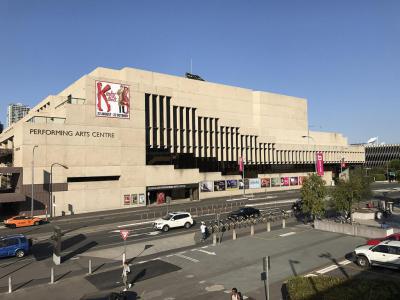
The Queensland Performing Arts Centre, often referred to as QPAC, is situated within the Queensland Cultural Centre. QPAC was created by a local architect named Robin Gibson during the mid-1970s. This decision came after the State Cabinet officially acknowledged in 1972 that there was a requirement for a new Queensland Art Gallery, a significant performing arts center, and a new site for the Queensland Museum and State Library. The venue was inaugurated in 1985 by the Duke of Kent.
In recent years, QPAC has hosted some of the world's most prominent artists and performance groups as part of the QPAC International Series. This series featured renowned acts such as the Paris Opera Ballet in 2020, the Bolshoi Ballet in 2019, La Scala Theatre Ballet in 2018, The Royal Ballet in 2017, the Bolshoi Ballet in 2013, as well as the Hamburg Ballet, Hamburg State Opera, and Hamburg Philharmonic in 2012. Additionally, the American Ballet Theatre graced the QPAC stage in 2014.
QPAC also takes pride in organizing the Out of the Box Festival, catering to children aged 8 and under. Moreover, the Clancestry program is an integral part of the QPAC First Nations Program, which acknowledges the significant contributions of First Nations Peoples to Queensland's historical, creative, and cultural heritage.
As the primary venue for Queensland's leading performing arts companies, QPAC hosts the Queensland Ballet, Queensland Theatre Company, Opera Queensland, Queensland Youth Orchestras, and Queensland Symphony Orchestra. Furthermore, QPAC frequently welcomes some of Australia's foremost performing arts companies, including The Australian Ballet, Sydney Dance Company, Australian Chamber Orchestra, and Bangarra Dance Theatre.
In recent years, QPAC has hosted some of the world's most prominent artists and performance groups as part of the QPAC International Series. This series featured renowned acts such as the Paris Opera Ballet in 2020, the Bolshoi Ballet in 2019, La Scala Theatre Ballet in 2018, The Royal Ballet in 2017, the Bolshoi Ballet in 2013, as well as the Hamburg Ballet, Hamburg State Opera, and Hamburg Philharmonic in 2012. Additionally, the American Ballet Theatre graced the QPAC stage in 2014.
QPAC also takes pride in organizing the Out of the Box Festival, catering to children aged 8 and under. Moreover, the Clancestry program is an integral part of the QPAC First Nations Program, which acknowledges the significant contributions of First Nations Peoples to Queensland's historical, creative, and cultural heritage.
As the primary venue for Queensland's leading performing arts companies, QPAC hosts the Queensland Ballet, Queensland Theatre Company, Opera Queensland, Queensland Youth Orchestras, and Queensland Symphony Orchestra. Furthermore, QPAC frequently welcomes some of Australia's foremost performing arts companies, including The Australian Ballet, Sydney Dance Company, Australian Chamber Orchestra, and Bangarra Dance Theatre.
5) Queensland Cultural Center (must see)
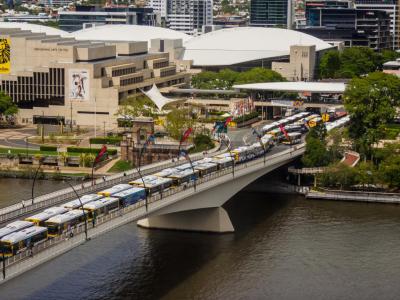
The Queensland Cultural Centre is an entertainment complex in the South Bank Parklands area. It is comprised of the Queensland Art Gallery, Gallery of Modern Art, Queensland Museum, Queensland Performing Arts Centre and the State Library of Queensland including The Edge.
Though it is now part of the South Bank Parklands, the Queensland Cultural Centre predates the park by more than two decades. Built in 1976, the primary venue was designed by architects Robin Gibson and Partners. More buildings have been erected throughout the years. The latest was the Queensland Gallery of Modern Art, which opened in 2006.
The cultural center is surrounded by many pieces of public art created by Australian artists. These include sculptures cast in steel, bronze and aluminum. Likewise there is a large mural in the Queensland Performing Arts Centre.
The Queensland Art Gallery and Gallery of Modern Art are open daily from 10 AM to 5 PM. The Queensland Museum is open daily from 9:30 AM to 4 PM. The State Library of Queensland and Queensland Performing Arts Centre have varying open hours depending on the featured programs.
Though it is now part of the South Bank Parklands, the Queensland Cultural Centre predates the park by more than two decades. Built in 1976, the primary venue was designed by architects Robin Gibson and Partners. More buildings have been erected throughout the years. The latest was the Queensland Gallery of Modern Art, which opened in 2006.
The cultural center is surrounded by many pieces of public art created by Australian artists. These include sculptures cast in steel, bronze and aluminum. Likewise there is a large mural in the Queensland Performing Arts Centre.
The Queensland Art Gallery and Gallery of Modern Art are open daily from 10 AM to 5 PM. The Queensland Museum is open daily from 9:30 AM to 4 PM. The State Library of Queensland and Queensland Performing Arts Centre have varying open hours depending on the featured programs.
6) Wheel of Brisbane
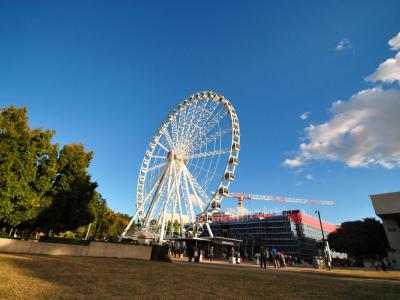
The Wheel of Brisbane is a 197-foot tall Ferris Wheel located in the South Bank Parklands. The Ferris wheel was built in 2008 in honor of the 150th anniversary of Queensland. It was also part of the celebration of the 20th anniversary of World Expo 88. Visitors can expect a 15-minute ride that offers exceptional views of Brisbane.
The wheel was built with 42 gondolas that seat up to six adults and two children. Each of the gondolas are enclosed and air conditioned. Tickets may be purchased at the wheel or in advance through the Wheel of Brisbane website. Visitors can choose standard tickets or they can have a VIP experience that consists of a double ride and a glass of wine to enjoy while riding.
The Wheel of Brisbane operates from 10 AM to 9 PM from Sunday to Thursday. It is open from 10 AM to 10 PM on Friday and Saturday. The wheel does not take reservations.
The wheel was built with 42 gondolas that seat up to six adults and two children. Each of the gondolas are enclosed and air conditioned. Tickets may be purchased at the wheel or in advance through the Wheel of Brisbane website. Visitors can choose standard tickets or they can have a VIP experience that consists of a double ride and a glass of wine to enjoy while riding.
The Wheel of Brisbane operates from 10 AM to 9 PM from Sunday to Thursday. It is open from 10 AM to 10 PM on Friday and Saturday. The wheel does not take reservations.
7) Nepalese Peace Pagoda
The Nepal Peace Pagoda holds a significant place in Brisbane's heritage, dating back to its participation in the Expo. It stands as the sole remaining international exhibit from that event. In 1986, during the United Nations International Year of Peace, the Kingdom of Nepal decided to take part in World Expo '88. The task of creating and managing the Pagoda during the Expo, as well as finding a new location for it afterward, was entrusted to the Association to Preserve Asian Culture.
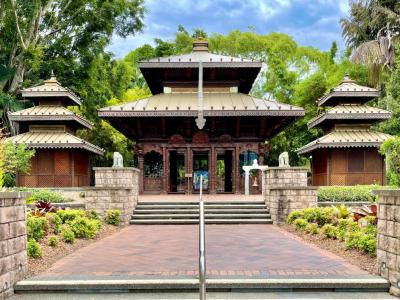
The Peace Pagoda, designed by German architect Jochen Reier for Nepal, was built using 80 metric tons of Nepalese timber from the Terai jungle. Crafted by 160 Nepalese families over two years, its components were shipped to Australia in three containers (two 40 feet, one 20 feet) and assembled by Australian workers with Nepalese experts' supervision at the Expo site for World Expo 88 in Brisbane.
This Pagoda, one of only three outside Nepal (the others in Munich and Osaka), closely resembles the Pashupatinath Temple in Kathmandu. It features Hindu and Buddhist symbols, including representations of Shiva, meditating Buddhas, auspicious Buddhist symbols, and a statue of Avalokiteshvara. The Pagoda also has a Peace Bell, two side Pavilions, a Buddhist stupa, a Peace Post, and a message of world peace in four languages. Sanskrit prayer chants and the "om" symbol are inscribed on the roof eaves of the side Pavilions.
While not primarily used as a traditional Buddhist or Hindu center, the Pagoda occasionally hosts weddings, private events, book launches, and company functions. Many visitors also find solace and use the Pagoda's interior, which includes Church pews on the first level, for personal meditation.
The Peace Pagoda, designed by German architect Jochen Reier for Nepal, was built using 80 metric tons of Nepalese timber from the Terai jungle. Crafted by 160 Nepalese families over two years, its components were shipped to Australia in three containers (two 40 feet, one 20 feet) and assembled by Australian workers with Nepalese experts' supervision at the Expo site for World Expo 88 in Brisbane.
This Pagoda, one of only three outside Nepal (the others in Munich and Osaka), closely resembles the Pashupatinath Temple in Kathmandu. It features Hindu and Buddhist symbols, including representations of Shiva, meditating Buddhas, auspicious Buddhist symbols, and a statue of Avalokiteshvara. The Pagoda also has a Peace Bell, two side Pavilions, a Buddhist stupa, a Peace Post, and a message of world peace in four languages. Sanskrit prayer chants and the "om" symbol are inscribed on the roof eaves of the side Pavilions.
While not primarily used as a traditional Buddhist or Hindu center, the Pagoda occasionally hosts weddings, private events, book launches, and company functions. Many visitors also find solace and use the Pagoda's interior, which includes Church pews on the first level, for personal meditation.
8) Plough City Inn
The Plough Inn stands as one of Brisbane's most well-known and lively gastro pubs, offering stunning views of the city and a rich historical background. It's a place where you can enjoy high-quality pub food, a remarkable selection of beers, wines, and cocktails, and live music performances every day of the week.
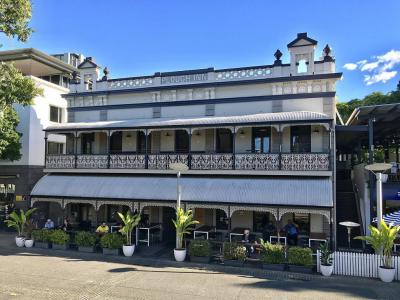
This iconic establishment is a two-story building made of rendered masonry, featuring front and rear verandahs, along with a single-story service building at the back. Its charming front facade is a piece of history from a bygone era, designed by Alexander Brown Wilson and constructed in 1885 by contractor Abraham James.
Boasting breathtaking views of the Brisbane city skyline, this recently renovated Queensland pub, located at the heart of South Bank Parklands, is an ideal venue for various events and functions. They can accommodate groups ranging from 20 to 300 people, offering a wide array of function rooms, event spaces, enticing food packages, and an extensive menu of beers, wines, and cocktails. Whether it's a corporate meeting, birthday celebration, engagement party, wedding, reunion, or a festive Christmas gathering, don't hesitate to inquire today and let them take care of your event needs!
This iconic establishment is a two-story building made of rendered masonry, featuring front and rear verandahs, along with a single-story service building at the back. Its charming front facade is a piece of history from a bygone era, designed by Alexander Brown Wilson and constructed in 1885 by contractor Abraham James.
Boasting breathtaking views of the Brisbane city skyline, this recently renovated Queensland pub, located at the heart of South Bank Parklands, is an ideal venue for various events and functions. They can accommodate groups ranging from 20 to 300 people, offering a wide array of function rooms, event spaces, enticing food packages, and an extensive menu of beers, wines, and cocktails. Whether it's a corporate meeting, birthday celebration, engagement party, wedding, reunion, or a festive Christmas gathering, don't hesitate to inquire today and let them take care of your event needs!
9) South Bank Parklands (must see)
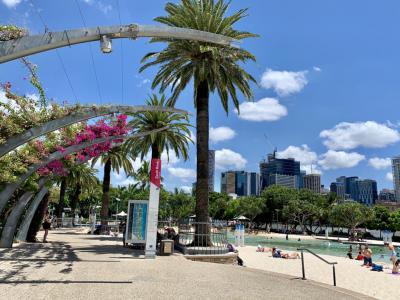
The South Bank Parklands is a large leisure area on the southern bank of the Brisbane River. It is a popular area for both local and visitors to relax, play or experience local festivities. Open since 1992, the parklands are located on the site of the Brisbane World Expo 88.
The area features free swimming facilities, public picnic areas and walking tracks. The riverfront promenade, the Queensland Conservatorium, the Grand Arbour Walkway and Street Beach are all part of the South Banks Promenade. Visitors will also see rainforest, grassy areas and the Brisbane River while they spend time in the parklands.
This is arguably the most visited areas in Brisbane thanks to the festivals that take place throughout the year. Many festivals take place in the South Bank Piazza amphitheater. Even when not being used for festivals and community celebrations, the amphitheater utilizes its screens to show sports and news.
Another popular feature in South Bank Parklands is the Nepalese Peace Pagoda. The pagoda was constructed in a traditional architecture by architect Jochen Reier with approval of the Kingdom of Nepal. Indigenous Nepalese timber and authentic Nepalese artwork was used in the building and decor of the pagoda. All construction was overseen by Nepalese supervisors.
Those who wish to spend time at the beach in Brisbane can head to Streets Beach. The man-made beach was designed by Desmond Brookes International in 1992. It uses chlorinated fresh water and sand that is sourced from Moreton Bay. It is a safe beach for families as it is very clean and always patrolled by lifeguards.
Why You Should Visit:
- To spend some leisure time in the midst of the city
- To access a number of culturally significant areas in Brisbane
- To ride the Wheel of Brisbane
Tips:
Arrive hungry! Little Stanley Street and Grey Street both have a large number of cafes, bars and restaurants that feature local eats and cuisines from around the globe.
The area features free swimming facilities, public picnic areas and walking tracks. The riverfront promenade, the Queensland Conservatorium, the Grand Arbour Walkway and Street Beach are all part of the South Banks Promenade. Visitors will also see rainforest, grassy areas and the Brisbane River while they spend time in the parklands.
This is arguably the most visited areas in Brisbane thanks to the festivals that take place throughout the year. Many festivals take place in the South Bank Piazza amphitheater. Even when not being used for festivals and community celebrations, the amphitheater utilizes its screens to show sports and news.
Another popular feature in South Bank Parklands is the Nepalese Peace Pagoda. The pagoda was constructed in a traditional architecture by architect Jochen Reier with approval of the Kingdom of Nepal. Indigenous Nepalese timber and authentic Nepalese artwork was used in the building and decor of the pagoda. All construction was overseen by Nepalese supervisors.
Those who wish to spend time at the beach in Brisbane can head to Streets Beach. The man-made beach was designed by Desmond Brookes International in 1992. It uses chlorinated fresh water and sand that is sourced from Moreton Bay. It is a safe beach for families as it is very clean and always patrolled by lifeguards.
Why You Should Visit:
- To spend some leisure time in the midst of the city
- To access a number of culturally significant areas in Brisbane
- To ride the Wheel of Brisbane
Tips:
Arrive hungry! Little Stanley Street and Grey Street both have a large number of cafes, bars and restaurants that feature local eats and cuisines from around the globe.
10) South Bank Grand Arbour
South Bank Grand Arbour is a pedestrian walkway between Vulture Street, near Griffith Film School, and the Queensland Performing Arts Centre. The Arbour Walkway, as it is often called, cuts through South Brisbane War Memorial Park, past the Griffith University Art Museum and by many shops and eateries.
The arbour walk is about 1 kilometer in length, making it only a little more than half a mile. Tourists can use the walkway to reach the Queensland Maritime Museum, the Picnic Island Playground, the Clem Jones Promenade and Streets Beach.
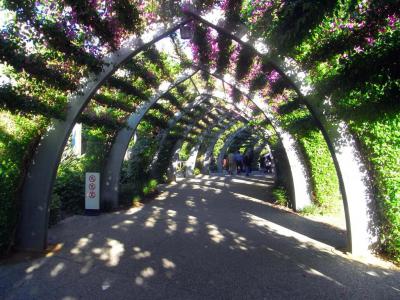
The walkway was designed by Denton Corker Marshall architectural firm. It is composed of 443 steel columns that curl overhead. The columns are lined with bright pink bougainvillea. Thanks to the climate in Brisbane, the bougainvillea vines bloom for most of the year.
South Bank Grand Arbour is open to pedestrian traffic 24 hours per day. The flowers are best viewed in the daylight but multicolor lights create a safe and lovely walk even once the sun has set.
The arbour walk is about 1 kilometer in length, making it only a little more than half a mile. Tourists can use the walkway to reach the Queensland Maritime Museum, the Picnic Island Playground, the Clem Jones Promenade and Streets Beach.
The walkway was designed by Denton Corker Marshall architectural firm. It is composed of 443 steel columns that curl overhead. The columns are lined with bright pink bougainvillea. Thanks to the climate in Brisbane, the bougainvillea vines bloom for most of the year.
South Bank Grand Arbour is open to pedestrian traffic 24 hours per day. The flowers are best viewed in the daylight but multicolor lights create a safe and lovely walk even once the sun has set.
11) Goodwill Bridge
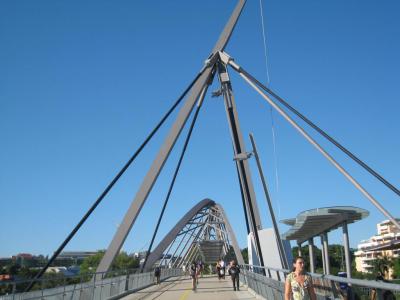
Goodwill Bridge is a pedestrian bridge that crosses the Brisbane River. It is located between Stanley Street and Gardens Point Road. It is open to both foot traffic and bicycles.
The bridge is 21.3 feet wide and 1,480 feet long. Goodwill Bridge is made from reinforced steel and brushed concrete. It was designed by architect Philip Sutton Cox, who also designed Singapore's Helix Bridge and the award-winning One One One Eagle Street building in Brisbane.
The asymmetrical bridge is functions doubly as a means of transportation and a work of art. It is also a good place to stop and relax. In the midst of the bridge is a seating area and coffee cart where visitors can watch boats pass through the river or take in a stunning vista of Brisbane.
Goodwill Bridge is widely used by both locals and visitors. Some estimates show that the bridge experiences foot traffic of about 40,000 unique individuals every day.
The bridge is 21.3 feet wide and 1,480 feet long. Goodwill Bridge is made from reinforced steel and brushed concrete. It was designed by architect Philip Sutton Cox, who also designed Singapore's Helix Bridge and the award-winning One One One Eagle Street building in Brisbane.
The asymmetrical bridge is functions doubly as a means of transportation and a work of art. It is also a good place to stop and relax. In the midst of the bridge is a seating area and coffee cart where visitors can watch boats pass through the river or take in a stunning vista of Brisbane.
Goodwill Bridge is widely used by both locals and visitors. Some estimates show that the bridge experiences foot traffic of about 40,000 unique individuals every day.
