Custom Walk in Antigua, Guatemala by jmhoagland_224d3 created on 2025-10-04
Guide Location: Guatemala » Antigua
Guide Type: Custom Walk
# of Sights: 15
Tour Duration: 4 Hour(s)
Travel Distance: 8.8 Km or 5.5 Miles
Share Key: ZQ9XQ
Guide Type: Custom Walk
# of Sights: 15
Tour Duration: 4 Hour(s)
Travel Distance: 8.8 Km or 5.5 Miles
Share Key: ZQ9XQ
How It Works
Please retrieve this walk in the GPSmyCity app. Once done, the app will guide you from one tour stop to the next as if you had a personal tour guide. If you created the walk on this website or come to the page via a link, please follow the instructions below to retrieve the walk in the app.
Retrieve This Walk in App
Step 1. Download the app "GPSmyCity: Walks in 1K+ Cities" on Apple App Store or Google Play Store.



Step 2. In the GPSmyCity app, download(or launch) the guide "Antigua Map and Walking Tours".
Step 3. Tap the menu button located at upper right corner of the "Walks" screen and select "Retrieve custom walk". Enter the share key: ZQ9XQ
1) Casa Santo Domingo Museum (Santo Domingo Museum) (must see)
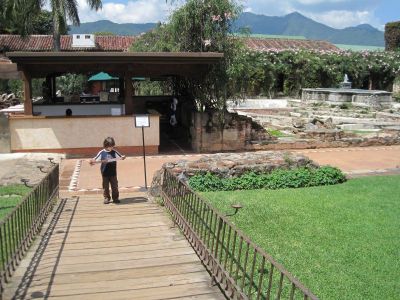
The Santo Domingo Museum is on the grounds of a convent dating back to the 16th century. Restoration efforts have made this former convent into a perfect museum space to highlight the artifacts on display. Brick arches and tile corridors help bring the area to life, replicating what the original building may have looked like.
Art that dates back to the ancient Mayan culture, including ceramics, forms an integral part of the collection. In keeping with the building's previous history as a church, the museum's collection includes religious terms. Touring this museum will give you a great appreciation for the area's history.
You can see other interesting items: silver and glassware, pharmacy articles, and archaeological artifacts. Paintings and sculptures that cover all of the site's time periods are part of the displays here. You also have the chance to see well-preserved Colonial furniture here.
Art that dates back to the ancient Mayan culture, including ceramics, forms an integral part of the collection. In keeping with the building's previous history as a church, the museum's collection includes religious terms. Touring this museum will give you a great appreciation for the area's history.
You can see other interesting items: silver and glassware, pharmacy articles, and archaeological artifacts. Paintings and sculptures that cover all of the site's time periods are part of the displays here. You also have the chance to see well-preserved Colonial furniture here.
2) Sacred Cross Hermitage
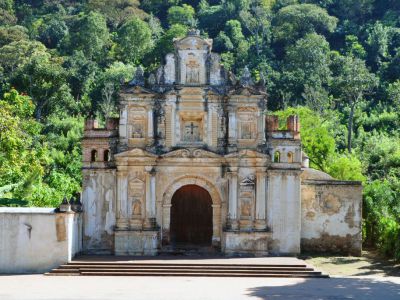
The Sacred Cross Hermitage (Ermita de la Santa Cruz) in Antigua holds a deep historical significance dating back to its origins in 1664. Initially proposed by Dominican monks, the hermitage was established to serve the local community of Indians and mulattoes in the Barrio de la Santa Cruz. These residents not only supported the mission but also actively participated in restoring the temple over the years.
Architecturally, the hermitage showcases a rich façade adorned with a stucco crucifix, surrounded by images of the Virgin Mary, Mary Magdalene, and several saints. It features distinctive elements like a niche window, recessed tympanums, octagonal holes, and discontinuous cornices, making it a unique example of local religious architecture.
Throughout its history, the hermitage has faced numerous challenges, particularly from earthquakes. The significant tremors of 1717, 1773, and 1942 each caused considerable damage, with the 1942 quake collapsing its original dome. After each event, the resilient community contributed to the building's restoration, preserving its status as a vital local landmark.
In 1968, a transformative restoration enabled the hermitage to serve a new purpose as a venue for artistic and cultural presentations, operating as an open-air theater. This adaptation highlights the community's ongoing commitment to preserving and utilizing the space in ways that celebrate local culture and history.
The Sacred Cross Hermitage is not only the oldest in Antigua but also a testament to the enduring spirit and collective effort of its residents, making it a cherished historical site in Guatemala.
Architecturally, the hermitage showcases a rich façade adorned with a stucco crucifix, surrounded by images of the Virgin Mary, Mary Magdalene, and several saints. It features distinctive elements like a niche window, recessed tympanums, octagonal holes, and discontinuous cornices, making it a unique example of local religious architecture.
Throughout its history, the hermitage has faced numerous challenges, particularly from earthquakes. The significant tremors of 1717, 1773, and 1942 each caused considerable damage, with the 1942 quake collapsing its original dome. After each event, the resilient community contributed to the building's restoration, preserving its status as a vital local landmark.
In 1968, a transformative restoration enabled the hermitage to serve a new purpose as a venue for artistic and cultural presentations, operating as an open-air theater. This adaptation highlights the community's ongoing commitment to preserving and utilizing the space in ways that celebrate local culture and history.
The Sacred Cross Hermitage is not only the oldest in Antigua but also a testament to the enduring spirit and collective effort of its residents, making it a cherished historical site in Guatemala.
3) San Francsico el Grande (San Francisco Cathedral) (must see)
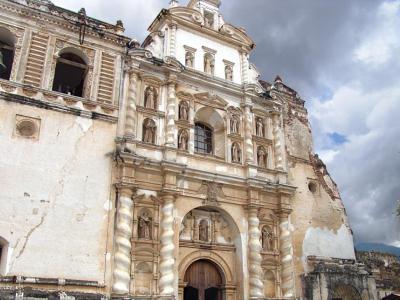
San Francisco Cathedral (San Francisco el Grande), located in Antigua Guatemala, is a historically and culturally significant church, revered particularly for housing the shrine of Peter of Saint Joseph Betancur (Santo Hermano Pedro). Established following the arrival of Franciscan missionaries from Spain in 1530, the Franciscans were originally assigned 120 villages by civil authorities. The first church built by these missionaries was constructed in the Panchoy Valley in 1541, at the current site of the School of Christ (Escuela de Cristo). After suffering damage in 1565, a new sanctuary was erected two blocks away in 1579, parts of which still stand today and represent some of the oldest architecture in Antigua.
Over the centuries, the church and its cloister were expanded and reinforced, notably surviving the 1691 earthquake. However, it sustained severe damage during the earthquakes of 1717, and 1751, particularly in 1773, after which it was only partially reconstructed. Despite these challenges, elements like its façade, characterized by twisted Salomon columns typical of Spanish-American baroque architecture, remain strikingly similar to that of San José Cathedral. Inside, the church houses sixteen vaulted niches with various saints and friars, including notable figures such as the Virgin Mary and San Antonio de Padua.
The church’s bell and clock towers, remnants of its 17th and 19th-century architecture, stand in ruins today. Despite this, the church’s interior remains adorned with rich altarpieces featuring paintings and sculptures by famous artists of the era. Additionally, San Francisco marks the start of Calle los Pasos (Steps Street), which features the Stations of the Cross, a significant religious path traditionally walked solemnly by the faithful.
San Francisco Cathedral thus serves not only as a place of worship but also as a living museum of Guatemalan history and culture, continuing to attract both the devout and the curious.
Over the centuries, the church and its cloister were expanded and reinforced, notably surviving the 1691 earthquake. However, it sustained severe damage during the earthquakes of 1717, and 1751, particularly in 1773, after which it was only partially reconstructed. Despite these challenges, elements like its façade, characterized by twisted Salomon columns typical of Spanish-American baroque architecture, remain strikingly similar to that of San José Cathedral. Inside, the church houses sixteen vaulted niches with various saints and friars, including notable figures such as the Virgin Mary and San Antonio de Padua.
The church’s bell and clock towers, remnants of its 17th and 19th-century architecture, stand in ruins today. Despite this, the church’s interior remains adorned with rich altarpieces featuring paintings and sculptures by famous artists of the era. Additionally, San Francisco marks the start of Calle los Pasos (Steps Street), which features the Stations of the Cross, a significant religious path traditionally walked solemnly by the faithful.
San Francisco Cathedral thus serves not only as a place of worship but also as a living museum of Guatemalan history and culture, continuing to attract both the devout and the curious.

4) Café No Se
Café No Sé in Antigua is an iconic destination renowned for its distinctive atmosphere and robust cultural offerings. More than just a bar, it serves as a meeting point for students, travelers, and locals alike. Open daily, this locale echoes the rustic charm of a scene straight out of a "Desperado"-style movie.
The interior of Café No Sé is an eclectic blend of bizarre and intriguing art, including photographs, postcards, images, and even a guitar adorned on the walls. Each room within the bar, along with an indoor terrace, offers a unique ambiance. The bar is the original home of Ilegal Mezcal, and apart from this famed drink, it also serves a variety of beers, other mezcals, and delicious Mexican cuisine.
What sets Café No Sé apart is its Mezcal Bar, accessed through a vintage 1950s refrigerator door, adding a touch of whimsy and exclusivity. This spot becomes particularly lively late at night when other bars close, attracting groups who continue their evening in the cozy and spirited environment of the Mezcal Bar. The drink prices are reasonable, featuring options like draft Beer Gallo and shots of mezcal.
Contrasting with other popular nightlife spots in Antigua like Mono Loco and Reilly’s Irish Tavern, Café No Sé offers a more unique and intimate experience, complete with funky decorations and a list of banned music that humorously includes artists like Lady Gaga and Metallica. Café No Sé isn't just about the drinks but about creating an unforgettable atmosphere where every visit is memorable.
The interior of Café No Sé is an eclectic blend of bizarre and intriguing art, including photographs, postcards, images, and even a guitar adorned on the walls. Each room within the bar, along with an indoor terrace, offers a unique ambiance. The bar is the original home of Ilegal Mezcal, and apart from this famed drink, it also serves a variety of beers, other mezcals, and delicious Mexican cuisine.
What sets Café No Sé apart is its Mezcal Bar, accessed through a vintage 1950s refrigerator door, adding a touch of whimsy and exclusivity. This spot becomes particularly lively late at night when other bars close, attracting groups who continue their evening in the cozy and spirited environment of the Mezcal Bar. The drink prices are reasonable, featuring options like draft Beer Gallo and shots of mezcal.
Contrasting with other popular nightlife spots in Antigua like Mono Loco and Reilly’s Irish Tavern, Café No Sé offers a more unique and intimate experience, complete with funky decorations and a list of banned music that humorously includes artists like Lady Gaga and Metallica. Café No Sé isn't just about the drinks but about creating an unforgettable atmosphere where every visit is memorable.
5) Union Water Tank
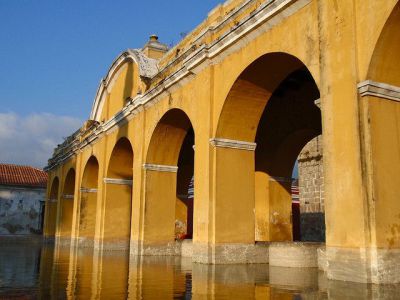
The Union Water Tank in Antigua holds significant historical and cultural importance. Originally inaugurated as Plaza de la Union in 1853 under the command of Jose Maria Palomo, this site reflects the social dynamics of the era when only the wealthiest had private laundries and baths. Initially a practical venue, it was where the local community gathered to wash clothes and collect water, fundamental daily activities at the time.
Over the years, the plaza was transformed and renamed the "Union Water Tank" to reflect its primary use. Today, while no longer serving as a communal laundry site, it has been repurposed into a charming fountain, becoming a focal point for tourists. Visitors to the Union Water Tank can enjoy the surrounding park adorned with tall palm trees, providing a scenic spot to relax and admire the breathtaking views of the Volcan de Agua, often picturesque with its peak shrouded in clouds.
This location not only offers a glimpse into the historical lifestyle of Antigua but also serves as a tranquil retreat where one can appreciate the natural beauty and architectural heritage of Guatemala.
Over the years, the plaza was transformed and renamed the "Union Water Tank" to reflect its primary use. Today, while no longer serving as a communal laundry site, it has been repurposed into a charming fountain, becoming a focal point for tourists. Visitors to the Union Water Tank can enjoy the surrounding park adorned with tall palm trees, providing a scenic spot to relax and admire the breathtaking views of the Volcan de Agua, often picturesque with its peak shrouded in clouds.
This location not only offers a glimpse into the historical lifestyle of Antigua but also serves as a tranquil retreat where one can appreciate the natural beauty and architectural heritage of Guatemala.
6) San Jose Cathedral (ruins)
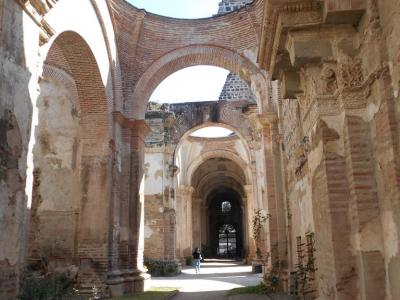
The first cathedral on this site was begun in 1545; construction was so poor, however, that the structure was in a constant state of disrepair, and an earthquake in 1583 brought down much of the roof. In 1670 work started on a new cathedral worthy of the town's role as a capital city.
For 11 years the town watched as conscripted Maya labored and the most spectacular colonial building in Central America took shape. The scale of the new cathedral was astounding: a vast dome, five naves, eighteen chapels, and a central chamber measuring 90m by 20m. Its altar was inlaid with mother-of-pearl, ivory and silver, and carvings of saints and paintings by the most revered of European and colonial artists covered the walls.
The new cathedral held out the 1689/1717 quakes, but its walls were weakened and the 1773 upheaval sent them tumbling to the ground. Today, two of the chapels have been restored as the Church of San José, which opens off the Parque Central; inside is a figure of Christ by the colonial sculptor Quirio Cataño, who also carved the famous Black Christ of Esquipulas.
Behind the church, entered from 5 Calle Oriente, are the ruins of the rest of the structure; a mass of fallen masonry, broken arches and hefty pillars, cracked and moss-covered, the great original cupola now a window to the sky. At the very rear of the original nave, steps lead down to a burial vault, blackened by candle smoke, that's regularly used for Maya religious ceremonies – an example of the coexistence of pagan and Catholic beliefs, so characteristic of Guatemala.
For 11 years the town watched as conscripted Maya labored and the most spectacular colonial building in Central America took shape. The scale of the new cathedral was astounding: a vast dome, five naves, eighteen chapels, and a central chamber measuring 90m by 20m. Its altar was inlaid with mother-of-pearl, ivory and silver, and carvings of saints and paintings by the most revered of European and colonial artists covered the walls.
The new cathedral held out the 1689/1717 quakes, but its walls were weakened and the 1773 upheaval sent them tumbling to the ground. Today, two of the chapels have been restored as the Church of San José, which opens off the Parque Central; inside is a figure of Christ by the colonial sculptor Quirio Cataño, who also carved the famous Black Christ of Esquipulas.
Behind the church, entered from 5 Calle Oriente, are the ruins of the rest of the structure; a mass of fallen masonry, broken arches and hefty pillars, cracked and moss-covered, the great original cupola now a window to the sky. At the very rear of the original nave, steps lead down to a burial vault, blackened by candle smoke, that's regularly used for Maya religious ceremonies – an example of the coexistence of pagan and Catholic beliefs, so characteristic of Guatemala.
7) Antigua Guatemala Cathedral (must see)
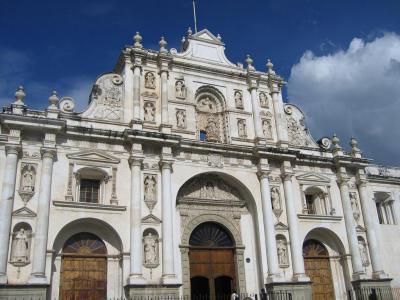
Antigua Guatemala Cathedral stands on the site of a church originally constructed in 1541. Several earthquakes damaged the original building, leading to its demolishment in 1669. Another building took its place, consecrated in 1680. This church was one of Central America's largest by 1743. The 1773 earthquake caused substantial damage, but the two towers at the building's front escaped most of the damage.
This cathedral enjoys UNESCO World Heritage Site status, with the facade being particularly impressive for many visitors. Statues of multiple saints grace the front. There are ruins from the previous part of the building destroyed in the earthquake that visitors can see, with the arches being particularly impressive. A plaza area outside the church features an impressive fountain.
Some of the sights to see inside the cathedral include sacred art that has been the subject of restorations. The high altar is one of the most well-preserved areas. At nightfall, the cathedral is impressively illuminated.
This cathedral enjoys UNESCO World Heritage Site status, with the facade being particularly impressive for many visitors. Statues of multiple saints grace the front. There are ruins from the previous part of the building destroyed in the earthquake that visitors can see, with the arches being particularly impressive. A plaza area outside the church features an impressive fountain.
Some of the sights to see inside the cathedral include sacred art that has been the subject of restorations. The high altar is one of the most well-preserved areas. At nightfall, the cathedral is impressively illuminated.
8) ChocoMuseo (Chocolate Museum) (must see)
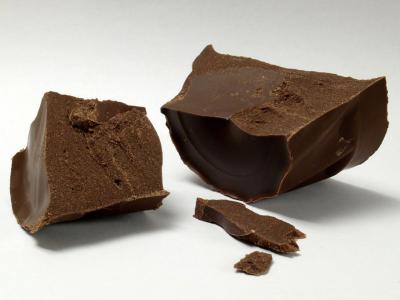
The Chocolate Museum in Antigua, Guatemala, offers one of the best ranges of overall experiences for those who love everything chocolate-related. One of the biggest highlights is a free tour where you can learn all about cacao beans and pods, in an experience that is perfect for visitors of all ages.
There are also three workshops visitors can enjoy, including one where you can make chocolate from the bean. You can also enjoy a mini-workshop if you're short on time. Another popular workshop lets you learn how to make the ganache required for shelled bonbons and truffles.
One of the things that stands out about this museum is its open production area. When you take one of these tours and buy from the Chocolate Museum, you're supporting local entrepreneurs. Meeting with the people behind local chocolate production is an excellent way to gain a new appreciation for this indulgent, sweet treat.
There are also three workshops visitors can enjoy, including one where you can make chocolate from the bean. You can also enjoy a mini-workshop if you're short on time. Another popular workshop lets you learn how to make the ganache required for shelled bonbons and truffles.
One of the things that stands out about this museum is its open production area. When you take one of these tours and buy from the Chocolate Museum, you're supporting local entrepreneurs. Meeting with the people behind local chocolate production is an excellent way to gain a new appreciation for this indulgent, sweet treat.
9) Parque Central (Central Plaza) (must see)
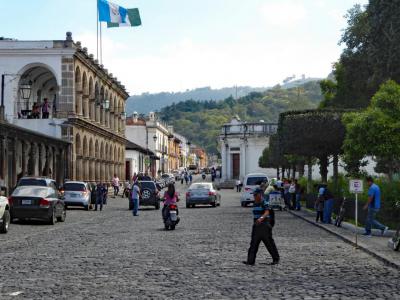
One of the reasons so many visitors enjoy visiting Parque Central is because of its popularity as a gathering place. There are plenty of trees that provide shade, as well as benches that encourage enjoyment of this space. There is a central fountain featuring a mermaid, a replica of a fountain from 1738.
This park stands out as part of Antigua's central square area. The Colonial-era buildings that line the park help add to its Old World charm. Some of the nearby landmarks you'll be able to spot include The Museum of Santiago de los Caballeros and Palacio de los Capitanes.
If you enjoy handcrafted items, there are local artisans who set up along the walkway areas every day. Marimba bands also regularly play at night, providing a lively backdrop for activity in the area. Regardless of whether you're sightseeing, shopping for crafts, enjoying the music, or people-watching, you're sure to have a great time.
This park stands out as part of Antigua's central square area. The Colonial-era buildings that line the park help add to its Old World charm. Some of the nearby landmarks you'll be able to spot include The Museum of Santiago de los Caballeros and Palacio de los Capitanes.
If you enjoy handcrafted items, there are local artisans who set up along the walkway areas every day. Marimba bands also regularly play at night, providing a lively backdrop for activity in the area. Regardless of whether you're sightseeing, shopping for crafts, enjoying the music, or people-watching, you're sure to have a great time.

10) Pablo’s Silver Shop
Pablo's Silver Shop in Antigua is a renowned destination for those seeking exquisite silver jewelry and handicrafts. Located in the heart of Antigua, a city known for its colonial charm and rich cultural heritage, Pablo's shop stands out for its exceptional craftsmanship and unique designs.
The shop offers a wide array of silver items, including rings, bracelets, earrings, necklaces, and more, all meticulously handcrafted by skilled artisans. Each piece showcases intricate detailing and reflects the traditional techniques passed down through generations.
What sets Pablo's Silver Shop apart is its commitment to quality and authenticity. Visitors can expect to find sterling silver pieces stamped with the appropriate hallmarks, ensuring their genuineness and value. Additionally, the shop prides itself on providing personalized service, with knowledgeable staff members who are passionate about sharing the stories behind the craftsmanship.
Beyond its products, Pablo's Silver Shop provides a glimpse into Guatemala's rich cultural heritage. Many of the designs are inspired by indigenous motifs and traditions, offering visitors a deeper appreciation of the country's artistic legacy.
Whether you're searching for a unique souvenir or a statement piece of jewelry, Pablo's Silver Shop offers an unforgettable shopping experience in the picturesque setting of Antigua, Guatemala.
The shop offers a wide array of silver items, including rings, bracelets, earrings, necklaces, and more, all meticulously handcrafted by skilled artisans. Each piece showcases intricate detailing and reflects the traditional techniques passed down through generations.
What sets Pablo's Silver Shop apart is its commitment to quality and authenticity. Visitors can expect to find sterling silver pieces stamped with the appropriate hallmarks, ensuring their genuineness and value. Additionally, the shop prides itself on providing personalized service, with knowledgeable staff members who are passionate about sharing the stories behind the craftsmanship.
Beyond its products, Pablo's Silver Shop provides a glimpse into Guatemala's rich cultural heritage. Many of the designs are inspired by indigenous motifs and traditions, offering visitors a deeper appreciation of the country's artistic legacy.
Whether you're searching for a unique souvenir or a statement piece of jewelry, Pablo's Silver Shop offers an unforgettable shopping experience in the picturesque setting of Antigua, Guatemala.
11) Antigua's Local Market
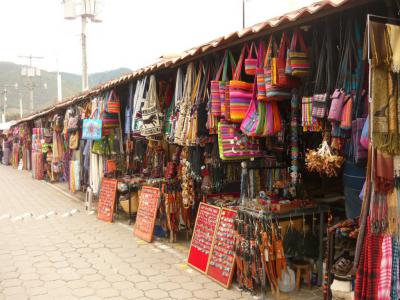
Antigua's Local Market, situated on the west side of Antigua, is a vibrant and extensive marketplace, a must-visit for both locals and tourists. This market offers a wide array of goods including traditional Guatemalan blankets, purses, clothing, wallets, scarves, shoes, and souvenirs, housed in hundreds of stalls that create a lively, organized maze.
The main building of the market is divided into two areas: one dedicated to food and the other to miscellaneous items. The food section is bustling on Mondays, Thursdays, and Saturdays-known as "market days"-while the sections for souvenirs and dining are open throughout the week.
The local side of the market is ideal for those in search of authentic crafts, gifts, and accessories, where bargaining is both expected and encouraged to secure the best prices. The market is renowned for its diverse offerings ranging from clothing, such as jeans, to unique handicrafts like textiles and wood-carved figures, as well as a variety of fresh produce, meat, and fish.
The market maintains high standards of cleanliness, with dedicated days for cleaning the food areas. Visitors on Saturdays should be prepared for crowds, keeping an eye on personal belongings while soaking in the colorful and unique atmosphere of Guatemalan life. Antigua's Local Market truly offers an immersive experience into the local culture and commerce, making it an unmissable destination in Antigua Guatemala.
The main building of the market is divided into two areas: one dedicated to food and the other to miscellaneous items. The food section is bustling on Mondays, Thursdays, and Saturdays-known as "market days"-while the sections for souvenirs and dining are open throughout the week.
The local side of the market is ideal for those in search of authentic crafts, gifts, and accessories, where bargaining is both expected and encouraged to secure the best prices. The market is renowned for its diverse offerings ranging from clothing, such as jeans, to unique handicrafts like textiles and wood-carved figures, as well as a variety of fresh produce, meat, and fish.
The market maintains high standards of cleanliness, with dedicated days for cleaning the food areas. Visitors on Saturdays should be prepared for crowds, keeping an eye on personal belongings while soaking in the colorful and unique atmosphere of Guatemalan life. Antigua's Local Market truly offers an immersive experience into the local culture and commerce, making it an unmissable destination in Antigua Guatemala.
12) Santa Catalina Arch (must see)
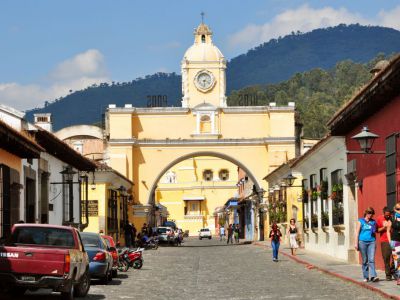
The Santa Catalina Arch is the most iconic landmark in Antigua Guatemala. Built in 1694 and located on 5th Avenue North, it originally connected the Santa Catalina Convent to a school on the other side of the street. At the time the cloistered nuns lived in the Santa Catalina Convent while they taught at the school during the day.
However there was a dilemma. The cloistered nuns had to avoid all contact with the outside world so they could not simply walk across a busy street to reach the school. To solve the problem, an arch above the street was built to connect the convent and the school. Within the arch there is a hidden passageway enabling the nuns to cross the street without being seen in public. It was an ingenious idea that worked perfectly!
The arch has suffered damage over the years, especially during the catastrophic earthquake of 1773. But miraculously, it has survived and it is now a symbol of the city’s resilience. A clock was added to the top of the arch in the era of the Central American Federation in the 1830s and it needs to be wound every three days.
Today, the Santa Catalina Arch is the most famous city monument and easily the most photographed.
However there was a dilemma. The cloistered nuns had to avoid all contact with the outside world so they could not simply walk across a busy street to reach the school. To solve the problem, an arch above the street was built to connect the convent and the school. Within the arch there is a hidden passageway enabling the nuns to cross the street without being seen in public. It was an ingenious idea that worked perfectly!
The arch has suffered damage over the years, especially during the catastrophic earthquake of 1773. But miraculously, it has survived and it is now a symbol of the city’s resilience. A clock was added to the top of the arch in the era of the Central American Federation in the 1830s and it needs to be wound every three days.
Today, the Santa Catalina Arch is the most famous city monument and easily the most photographed.
13) La Merced Church (must see)
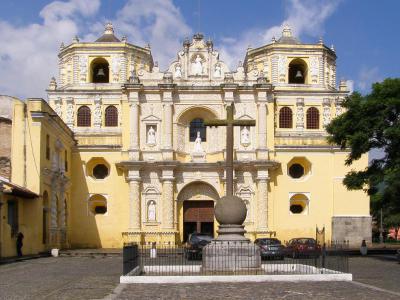
La Merced Church in Antigua stands out for its Baroque-style architecture. The building has a beautiful facade with ornamental elements set in relief and a striking yellow color of the main walls complemented by white plaster sculptures. The church has its origins in a monastery that existed from the 17th century. After an earthquake in 1773, important statuary moved to a new congregation. However, La Merced Church's community moved back to the original building in the mid-19th century.
One of the unique things about the church is the low height of its two bell towers - it is designed to withstand the frequent tremors in Guatemala. San Pedro Nolasco, who founded the Order of the Blessed Virgin Mary of Mercy appears in an effigy form on top of the church building. The crest for his order, as was as images of two friars from this order, appear on either side of San Pedro Nolasco's image.
The facade's central niche contains an image of Our Lady of Mercedes. On the left side of this image, visitors can see effigies of San Pedro Arinengol and San Raymundo Nonnatus. Images that visitors can see on the right include depictions of San Pedro Pascual and Santa Maria de Cervellón.
After more than three centuries, the building is still standing and remains in good shape. Today the church is popular with locals and tourists alike.
One of the unique things about the church is the low height of its two bell towers - it is designed to withstand the frequent tremors in Guatemala. San Pedro Nolasco, who founded the Order of the Blessed Virgin Mary of Mercy appears in an effigy form on top of the church building. The crest for his order, as was as images of two friars from this order, appear on either side of San Pedro Nolasco's image.
The facade's central niche contains an image of Our Lady of Mercedes. On the left side of this image, visitors can see effigies of San Pedro Arinengol and San Raymundo Nonnatus. Images that visitors can see on the right include depictions of San Pedro Pascual and Santa Maria de Cervellón.
After more than three centuries, the building is still standing and remains in good shape. Today the church is popular with locals and tourists alike.
14) Convent of the Capuchins (must see)
One of the finest examples of an 18th-century convent in Guatemala, the Convent of the Capuchins was consecrated in 1736. In fact, it was the last convent to be built in the city, and the first one that stopped asking for a donation to the new nuns, allowing then poor ladies to embrace religious life. Daily routine for the nuns was ruled by strict regulations, which included, for some, maximum discipline on poverty, penance and fasting. Drinking chocolate was strictly forbidden and the requirement that they should survive on the tithing only.
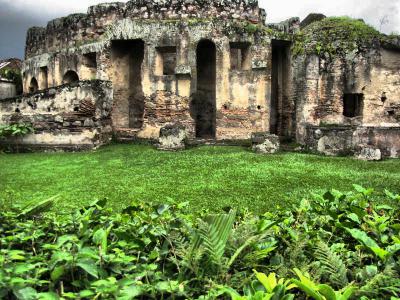
Like the rest of the city, the building complex suffered damage during the 1751 and 1773 earthquakes, and was abandoned by order of the Captain-General at the time. Today, the monastery's well-preserved cells, gardens, and courtyards are open for public viewing and provide excellent photo-ops. Each twist and turn presents a view your camera will ache to capture! It's also interesting to see how small the cloisters were, and how the nuns lived during colonial times.
Tip:
The only guide is the map in the first room, so study it carefully! Don't miss the round room beneath the Nun's tower: sing quietly and be rewarded – the acoustics are incredible. The 2nd-floor art display is new and very nice, as well.
Like the rest of the city, the building complex suffered damage during the 1751 and 1773 earthquakes, and was abandoned by order of the Captain-General at the time. Today, the monastery's well-preserved cells, gardens, and courtyards are open for public viewing and provide excellent photo-ops. Each twist and turn presents a view your camera will ache to capture! It's also interesting to see how small the cloisters were, and how the nuns lived during colonial times.
Tip:
The only guide is the map in the first room, so study it carefully! Don't miss the round room beneath the Nun's tower: sing quietly and be rewarded – the acoustics are incredible. The 2nd-floor art display is new and very nice, as well.
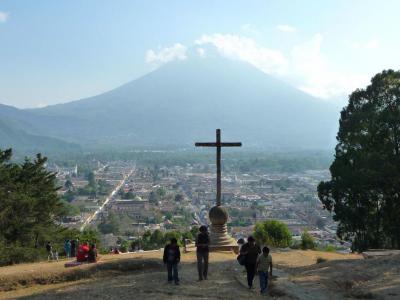
15) Cerro de la Cruz (Hill of the Cross) (must see)
Cerro de la Cruz, or Hill of the Cross, is one of Antigua's most famous points of interest. The city's views that you can enjoy from the top of the hill are just one reason to take a climb here. In addition to the city, you will also have an excellent view of the volcano.
The walk to the top of the hill takes about ten minutes. Several noteworthy landmarks are within sight from the top of the hill, including Antigua Guatemala Cathedral. You'll also enjoy the cross that rises over the summit that gives this hill its name.
Although there are steps set into the hill's side, the hike might seem a bit strenuous. As an alternative to walking, you might consider having a local guide with a car take you to the top. You'll enjoy the same outstanding view while taking less time to get there.
The walk to the top of the hill takes about ten minutes. Several noteworthy landmarks are within sight from the top of the hill, including Antigua Guatemala Cathedral. You'll also enjoy the cross that rises over the summit that gives this hill its name.
Although there are steps set into the hill's side, the hike might seem a bit strenuous. As an alternative to walking, you might consider having a local guide with a car take you to the top. You'll enjoy the same outstanding view while taking less time to get there.
