Custom Walk in London, England by n_pendevska_6f8aa7 created on 2026-02-05
Guide Location: England » London
Guide Type: Custom Walk
# of Sights: 14
Tour Duration: 7 Hour(s)
Travel Distance: 16.9 Km or 10.5 Miles
Share Key: WKNER
Guide Type: Custom Walk
# of Sights: 14
Tour Duration: 7 Hour(s)
Travel Distance: 16.9 Km or 10.5 Miles
Share Key: WKNER
How It Works
Please retrieve this walk in the GPSmyCity app. Once done, the app will guide you from one tour stop to the next as if you had a personal tour guide. If you created the walk on this website or come to the page via a link, please follow the instructions below to retrieve the walk in the app.
Retrieve This Walk in App
Step 1. Download the app "GPSmyCity: Walks in 1K+ Cities" on Apple App Store or Google Play Store.



Step 2. In the GPSmyCity app, download(or launch) the guide "London Map and Walking Tours".
Step 3. Tap the menu button located at upper right corner of the "Walks" screen and select "Retrieve custom walk". Enter the share key: WKNER
1) Trafalgar Square (must see)
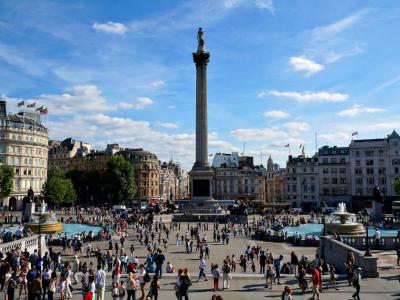
Britain’s most self-important plaza, Trafalgar Square is arguably the closest thing to London’s beating heart (if London had ventricles paved in pigeons and protest signs). Want the official center of the city? That’s actually a tiny traffic island called Charing Cross, just south of the square. Yep, all distances to London are measured from there. Not Buckingham Palace. Not Big Ben. A glorified roundabout...
Now, if you're into obscure imperial measurements, Trafalgar’s got you covered. Nestled behind the café, you’ll find the Imperial Standard measures: inches, feet, yards, chains, perches, poles... basically, the greatest hits of Victorian measuring tape. Originally installed in 1876, they were moved in 2003 when the north terrace was pedestrianized-because who needs traffic when you’ve got trivia?
The square gets its name from the Battle of Trafalgar, a Napoleonic showdown where Admiral Lord Nelson heroically defeated the French and Spanish fleets in 1805... and promptly died doing so. 30 years later, the square got its now-famous name. Then, in 1843, they added Nelson’s Column, a towering tribute built from Devon granite, with bronze panels depicting his greatest hits: Saint Vincent, The Nile, Copenhagen, and Trafalgar-which, to be fair, did earn him the naming rights.
By 1868, the stone lions guarding the column were considered too puny for British pride, so the sculptor Edwin Landseer crafted bronze ones instead, with remarkable anatomical precision. Beautiful, grand, majestic-except, apparently, he got one detail hilariously wrong: he sculpted the back of the lions as if they had beanbag backs (real lions don’t sag like that).
Surrounded by fountains, tourists, and-until recently-a whole lot of feathered freeloaders, Trafalgar was once London’s top pigeon hangout. That is, until a mayor declared them public enemy number one and evicted the birdseed dealers. The pigeons, scandalized, have never quite forgiven the city.
Tip:
Plant yourself on the steps, let the sounds of the city wash over you, and watch the sun dip behind Nelson’s heroic silhouette. Or just use it as your springboard to the rest of London-you’re already at the center, after all.
Now, if you're into obscure imperial measurements, Trafalgar’s got you covered. Nestled behind the café, you’ll find the Imperial Standard measures: inches, feet, yards, chains, perches, poles... basically, the greatest hits of Victorian measuring tape. Originally installed in 1876, they were moved in 2003 when the north terrace was pedestrianized-because who needs traffic when you’ve got trivia?
The square gets its name from the Battle of Trafalgar, a Napoleonic showdown where Admiral Lord Nelson heroically defeated the French and Spanish fleets in 1805... and promptly died doing so. 30 years later, the square got its now-famous name. Then, in 1843, they added Nelson’s Column, a towering tribute built from Devon granite, with bronze panels depicting his greatest hits: Saint Vincent, The Nile, Copenhagen, and Trafalgar-which, to be fair, did earn him the naming rights.
By 1868, the stone lions guarding the column were considered too puny for British pride, so the sculptor Edwin Landseer crafted bronze ones instead, with remarkable anatomical precision. Beautiful, grand, majestic-except, apparently, he got one detail hilariously wrong: he sculpted the back of the lions as if they had beanbag backs (real lions don’t sag like that).
Surrounded by fountains, tourists, and-until recently-a whole lot of feathered freeloaders, Trafalgar was once London’s top pigeon hangout. That is, until a mayor declared them public enemy number one and evicted the birdseed dealers. The pigeons, scandalized, have never quite forgiven the city.
Tip:
Plant yourself on the steps, let the sounds of the city wash over you, and watch the sun dip behind Nelson’s heroic silhouette. Or just use it as your springboard to the rest of London-you’re already at the center, after all.
2) National Gallery (must see)
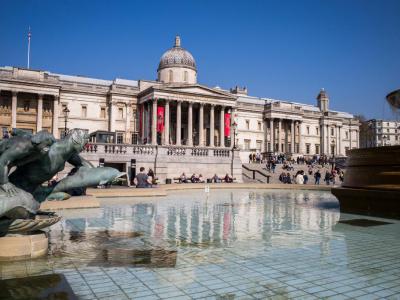
If you’ve ever even squinted at a painting and thought, “Huh, that’s nice,” then the National Gallery deserves a prime spot on your London to-do list. It’s not just any gallery-it’s a global heavyweight, housing over 2,300 works from the who’s who of art history: Michelangelo, Leonardo, Turner, Monet, van Gogh, Picasso... you get the idea. Step through its stately portico overlooking Trafalgar Square, and you’ll tumble straight into centuries of artistic genius.
Now, if you hang a sharp left at the entrance, you’ll find the Sainsbury Wing. It’s modern, it’s moody, and it’s medieval-perfect for lovers of halos, tempera, and crowds that don’t jostle quite as much.
Don’t be surprised if a “quick pop-in” turns into an all-day affair. Must-sees include Holbein’s The Ambassadors, complete with a gloriously skewed skull (visible only if you stand just right and maybe squint like you mean it). Make sure not to miss van Eyck’s Arnolfini Portrait, where a couple holds hands while a mysterious mirror photobombs from the background, or da Vinci’s Virgin of the Rocks, dripping with drama and Renaissance elegance. And of course, in Turner’s Rain, Steam, and Speed, check out the train, which is not the only thing speeding-you’ll need sharp eyes to spot a hare bolting for dear life.
The Gallery also hosts special exhibitions that are buzzy enough to make even the Mona Lisa smirk. These usually require a ticket and advance booking, but the permanent collection is gloriously free, always. You can join a guided tour, listen to a curator wax lyrical, or just wander with your own thoughts and an audio guide.
Tip:
If at some point, your stomach starts growling louder than the gallery’s whisper policy allows, head to the in-house restaurant. They serve Colchester native oysters and artful sandwiches, not to mention themed afternoon teas with more traditional choices like cakes that change with the exhibits. As for the scones, they are a permanent fixture. Afternoon tea is served daily, no reservation needed-just bring your appetite and maybe a friend who knows the difference between Impressionism and Expressionism.
Long story short: go for the art, stay for the scones.
Now, if you hang a sharp left at the entrance, you’ll find the Sainsbury Wing. It’s modern, it’s moody, and it’s medieval-perfect for lovers of halos, tempera, and crowds that don’t jostle quite as much.
Don’t be surprised if a “quick pop-in” turns into an all-day affair. Must-sees include Holbein’s The Ambassadors, complete with a gloriously skewed skull (visible only if you stand just right and maybe squint like you mean it). Make sure not to miss van Eyck’s Arnolfini Portrait, where a couple holds hands while a mysterious mirror photobombs from the background, or da Vinci’s Virgin of the Rocks, dripping with drama and Renaissance elegance. And of course, in Turner’s Rain, Steam, and Speed, check out the train, which is not the only thing speeding-you’ll need sharp eyes to spot a hare bolting for dear life.
The Gallery also hosts special exhibitions that are buzzy enough to make even the Mona Lisa smirk. These usually require a ticket and advance booking, but the permanent collection is gloriously free, always. You can join a guided tour, listen to a curator wax lyrical, or just wander with your own thoughts and an audio guide.
Tip:
If at some point, your stomach starts growling louder than the gallery’s whisper policy allows, head to the in-house restaurant. They serve Colchester native oysters and artful sandwiches, not to mention themed afternoon teas with more traditional choices like cakes that change with the exhibits. As for the scones, they are a permanent fixture. Afternoon tea is served daily, no reservation needed-just bring your appetite and maybe a friend who knows the difference between Impressionism and Expressionism.
Long story short: go for the art, stay for the scones.
3) 10 Henrietta Street
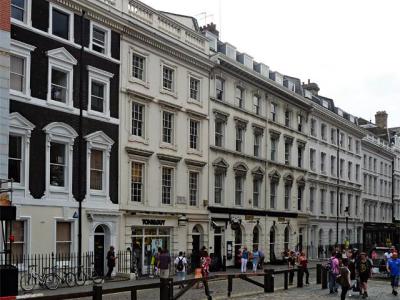
10 Henrietta Street in London bears historical significance as it once served as the residence of Henry Austen and his wife. The house holds a unique place in the life of the celebrated author Jane Austen, as it was where she often stayed during her visits to London. In the summer of 1813 and again in March 1814, Jane found herself in the welcoming confines of 10 Henrietta Street.
The house was an ideal choice for the Austen siblings, as it was conveniently located within walking distance of cultural hubs like Covent Garden and the illustrious Drury Lane Theater. This proximity to the thriving theater scene made it a perfect dwelling for Jane and Eliza, who shared a deep-seated passion for the theatrical arts. Jane's connection to 10 Henrietta Street adds another layer to the rich tapestry of her life, providing an insight into her cultural interests and the places that influenced her writing.
The house was an ideal choice for the Austen siblings, as it was conveniently located within walking distance of cultural hubs like Covent Garden and the illustrious Drury Lane Theater. This proximity to the thriving theater scene made it a perfect dwelling for Jane and Eliza, who shared a deep-seated passion for the theatrical arts. Jane's connection to 10 Henrietta Street adds another layer to the rich tapestry of her life, providing an insight into her cultural interests and the places that influenced her writing.
4) Covent Garden Piazza (must see)
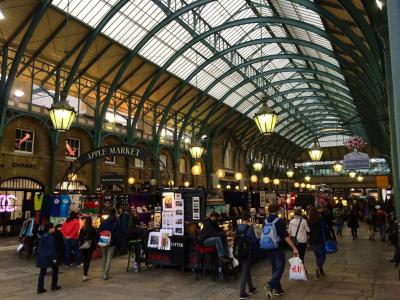
The transformation of Covent Garden from a utilitarian fruit and vegetable market in the 1670s into a trendy district was one of the most comprehensive and enduring developments of the 1980s. Unlike its neighbor Soho, Covent Garden is more mainstream and commercially oriented but also significantly more popular. Its appeal is greatly enhanced by the presence of street performers, buskers, and living statues, creating a vibrant atmosphere in the traffic-free Covent Garden Piazza.
This historically renowned piazza now encompasses three distinct market areas: the Apple Market, the East Colonnade Market, and the Jubilee Market. Within the Apple Market, located in the main covered area originally designed by Inigo Jones, you can find 40 stalls offering handcrafted jewelry, prints, clothing, ceramics, and various crafts from Tuesday to Sunday (Mondays are dedicated to antiques, curiosities, and collectibles). The East Colonnade Market features stalls primarily showcasing handmade specialty items such as soaps and jewelry, as well as housewares, accessories, and magic tricks. The Jubilee Market offers kitschy T-shirts and budget-friendly household goods from Tuesday to Friday, but on Mondays and weekends, you can explore vintage antiques, collectibles, and handcrafted goods.
Traditionally catering to tourists, Covent Garden Market has evolved and now presents a more sophisticated image, accompanied by higher price points. This transformation is evident through the introduction of upscale restaurants and well-known chains in the surrounding arcades. Notable establishments include a sizable Apple Store, beauty boutiques like Chanel and MAC, as well as exclusive boutiques for renowned brands such as N.Peal and Mulberry.
Throughout the day, Covent Garden is teeming with tourists, and in the evening, it becomes a favorite haunt for theater enthusiasts either heading to or returning from the Royal Opera House. If you happen to be touring London during the holiday season, this place is a genuine delight. Every building seems to be adorned with festive decorations and twinkling lights, creating a truly magical atmosphere.
Why You Should Visit:
While some locals may dismiss Covent Garden Market as a tourist hotspot, it remains a worthwhile destination for anyone. Historically, this market was a place where people of all social classes in London gathered with a shared purpose: shopping. Today, that original spirit of the market endures, as Londoners continue to converge here to indulge in a uniquely British shopping experience. It's a bustling, vibrant place that encapsulates the essence of authentic London at its finest.
This historically renowned piazza now encompasses three distinct market areas: the Apple Market, the East Colonnade Market, and the Jubilee Market. Within the Apple Market, located in the main covered area originally designed by Inigo Jones, you can find 40 stalls offering handcrafted jewelry, prints, clothing, ceramics, and various crafts from Tuesday to Sunday (Mondays are dedicated to antiques, curiosities, and collectibles). The East Colonnade Market features stalls primarily showcasing handmade specialty items such as soaps and jewelry, as well as housewares, accessories, and magic tricks. The Jubilee Market offers kitschy T-shirts and budget-friendly household goods from Tuesday to Friday, but on Mondays and weekends, you can explore vintage antiques, collectibles, and handcrafted goods.
Traditionally catering to tourists, Covent Garden Market has evolved and now presents a more sophisticated image, accompanied by higher price points. This transformation is evident through the introduction of upscale restaurants and well-known chains in the surrounding arcades. Notable establishments include a sizable Apple Store, beauty boutiques like Chanel and MAC, as well as exclusive boutiques for renowned brands such as N.Peal and Mulberry.
Throughout the day, Covent Garden is teeming with tourists, and in the evening, it becomes a favorite haunt for theater enthusiasts either heading to or returning from the Royal Opera House. If you happen to be touring London during the holiday season, this place is a genuine delight. Every building seems to be adorned with festive decorations and twinkling lights, creating a truly magical atmosphere.
Why You Should Visit:
While some locals may dismiss Covent Garden Market as a tourist hotspot, it remains a worthwhile destination for anyone. Historically, this market was a place where people of all social classes in London gathered with a shared purpose: shopping. Today, that original spirit of the market endures, as Londoners continue to converge here to indulge in a uniquely British shopping experience. It's a bustling, vibrant place that encapsulates the essence of authentic London at its finest.
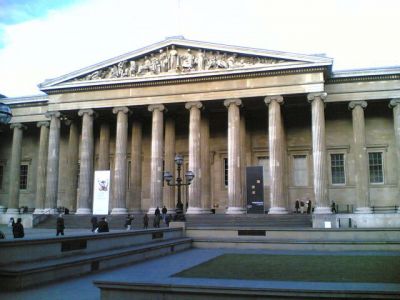
5) British Museum (must see)
Spanning several miles of galleries and featuring around 80,000 exhibits, the British Museum stands as one of the most comprehensive displays of human culture and history globally. Under its roof, it houses one of the largest collections of antiquities, prints, and drawings, with over 8,000,000 objects and a continuously expanding inventory. Its unparalleled assortment of Roman and Greek art, exceptional Egyptian collection, and captivating treasures from Africa, China, Japan, India, Mesopotamia, Anglo-Saxon, and Roman Britain make it an extraordinary institution.
From a certain perspective, the British Museum represents a repository of artifacts acquired during the peak of the British Empire's influence, often seen as a collection of "plundered goods". The most famous example of this is Lord Elgin's removal of the Elgin Marbles, but numerous other instances of sporadic looting throughout the empire's territories also contributed to the museum's holdings. Additionally, the museum commissioned archaeologists to excavate and acquire classical artifacts.
The museum's origins trace back to the 71,000 curiosities amassed by Hans Sloane, a Chelsea physician. Sloane bequeathed this collection to George II in 1753 for £20,000. When the king couldn't or wouldn't pay, the government reluctantly purchased the collection, establishing the world's first public secular museum, initially housed in a mansion funded by a controversial public lottery. As the collection expanded, a grander space became necessary, resulting in the impressive Greek Revival building that still graces London today. This building, designed by Robert Smirke in the 1820s, features a majestic Ionic colonnade and portico.
Visitors to the British Museum should be prepared for crowds, especially on weekends, as it is a far cry from its modest beginnings. In its early days, the museum was open for just three hours a day, entry required a written application, and tickets were limited to ten per hour for "any person of decent appearance". Today, it can be overwhelming even for the most devoted museum enthusiasts. To make the most of a visit, it is advisable to focus on specific areas of interest, explore the highlights, or participate in one of the museum's excellent free guided tours of individual rooms.
Why You Should Visit:
Home of the Rosetta Stone, ancient Egyptian artifacts, Roman statuary and much, much more.
Tips:
Arriving early is a wise strategy to avoid the crowds.
There are two entrances: the primary entrance at the front, and a secondary one at the rear, which tends to have fewer visitors.
Visiting the exhibits inside the museum requires an admission fee, but entry to the museum itself is free of charge.
From a certain perspective, the British Museum represents a repository of artifacts acquired during the peak of the British Empire's influence, often seen as a collection of "plundered goods". The most famous example of this is Lord Elgin's removal of the Elgin Marbles, but numerous other instances of sporadic looting throughout the empire's territories also contributed to the museum's holdings. Additionally, the museum commissioned archaeologists to excavate and acquire classical artifacts.
The museum's origins trace back to the 71,000 curiosities amassed by Hans Sloane, a Chelsea physician. Sloane bequeathed this collection to George II in 1753 for £20,000. When the king couldn't or wouldn't pay, the government reluctantly purchased the collection, establishing the world's first public secular museum, initially housed in a mansion funded by a controversial public lottery. As the collection expanded, a grander space became necessary, resulting in the impressive Greek Revival building that still graces London today. This building, designed by Robert Smirke in the 1820s, features a majestic Ionic colonnade and portico.
Visitors to the British Museum should be prepared for crowds, especially on weekends, as it is a far cry from its modest beginnings. In its early days, the museum was open for just three hours a day, entry required a written application, and tickets were limited to ten per hour for "any person of decent appearance". Today, it can be overwhelming even for the most devoted museum enthusiasts. To make the most of a visit, it is advisable to focus on specific areas of interest, explore the highlights, or participate in one of the museum's excellent free guided tours of individual rooms.
Why You Should Visit:
Home of the Rosetta Stone, ancient Egyptian artifacts, Roman statuary and much, much more.
Tips:
Arriving early is a wise strategy to avoid the crowds.
There are two entrances: the primary entrance at the front, and a secondary one at the rear, which tends to have fewer visitors.
Visiting the exhibits inside the museum requires an admission fee, but entry to the museum itself is free of charge.
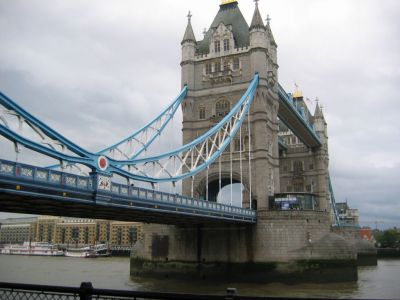
6) Tower Bridge (must see)
Tower Bridge-yes, that famous one with the twin towers and rising roadways-surprisingly didn’t swing into action until 1894. That’s right: it’s younger than your great-great-grandma’s fruitcake recipe, though you'd never guess it based on the number of fridge magnets it’s starred on. Indeed, in just over a century, it’s managed to become one of London’s most iconic symbols-practically the Victorian era in bridge form.
Now here’s a royal twist: Queen Victoria wasn’t exactly thrilled about it at first. She worried the bridge might compromise the security of the nearby Tower of London, which at that time doubled as an armory. Still, they painted it her favorite color-chocolate brown-and forged ahead, perhaps hoping that a well-dressed bridge would soothe Her Majesty’s nerves.
Under the hood (well, under the road), it was all quite steamy-literally. Sophisticated steam-powered engines lifted the bridge’s bascules to allow tall ships to pass through. In its very first year, the bridge went up over 6,000 times-talk about an overachiever! These days, it opens around 1,000 times a year, and somehow, they’ve managed to avoid any major mishaps. If you’re lucky, you might even catch one of those dramatic lifts in real time-free theater, London-style...
For an unforgettable experience, take in the sweeping views of the Thames, the sci-fi egg that is City Hall, the gleaming glass Shard, and the chaos of central London from the top of the bridge. Better yet, grab a ticket and ride the elevator to the elevated walkways. Up there, you’ll find a glass floor for peeking at the world below (great for photos, or mild panic), plus a museum showcasing the original steam engines-because nothing says Victorian romance like big brass machinery. Bonus points: Yes, there are restrooms at the top, so no need to “hold it” at altitude.
And in case you wonder, why you should go?-This masterpiece of Victorian engineering also sparkles at night, and-let’s face it-your trip to London wouldn't be complete without seeing it.
Now here’s a royal twist: Queen Victoria wasn’t exactly thrilled about it at first. She worried the bridge might compromise the security of the nearby Tower of London, which at that time doubled as an armory. Still, they painted it her favorite color-chocolate brown-and forged ahead, perhaps hoping that a well-dressed bridge would soothe Her Majesty’s nerves.
Under the hood (well, under the road), it was all quite steamy-literally. Sophisticated steam-powered engines lifted the bridge’s bascules to allow tall ships to pass through. In its very first year, the bridge went up over 6,000 times-talk about an overachiever! These days, it opens around 1,000 times a year, and somehow, they’ve managed to avoid any major mishaps. If you’re lucky, you might even catch one of those dramatic lifts in real time-free theater, London-style...
For an unforgettable experience, take in the sweeping views of the Thames, the sci-fi egg that is City Hall, the gleaming glass Shard, and the chaos of central London from the top of the bridge. Better yet, grab a ticket and ride the elevator to the elevated walkways. Up there, you’ll find a glass floor for peeking at the world below (great for photos, or mild panic), plus a museum showcasing the original steam engines-because nothing says Victorian romance like big brass machinery. Bonus points: Yes, there are restrooms at the top, so no need to “hold it” at altitude.
And in case you wonder, why you should go?-This masterpiece of Victorian engineering also sparkles at night, and-let’s face it-your trip to London wouldn't be complete without seeing it.
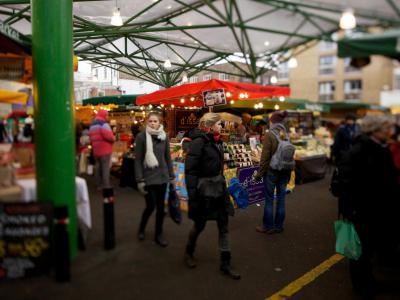
7) Borough Market (must see)
Borough Market is London’s oldest and most atmospheric food market, boasting a history that spans over 1,000 years. Its origins trace back to the 11th century - and possibly earlier - when farmers would bring fresh produce to London Bridge, then the only southern entrance into the city. By the 18th century, the market had become so chaotic that Parliament decided to shut it down in 1756, though local volunteers soon revived it nearby. The structures seen today, with ornate Victorian ironwork and soaring arcades, were developed largely in the 19th century.
Today, with a railway rumbling overhead, this historic market hums below as a vibrant maze of culinary treasures. Visitors can explore an impressive range of artisan stalls offering cheeses, fresh bread, meats, seafood, organic produce, spices, handmade sweets, and gourmet street food. While British classics like meat pies and sausages are readily available, the real appeal lies in the diversity - from Ethiopian stews and Indian curries to Spanish paella and Middle Eastern falafel.
Navigating the market is part of the fun. Begin your adventure through the central labyrinth of food stalls until you reach Stoney Street on the western edge. From there, stroll along Park Street - a film location favorite - where you’ll find a lively pub and the famous Neal’s Yard Dairy cheese shop. Across the way, the Ginger Pig draws crowds for its traditional English bacon and sausages. For a local favorite, stop by Maria’s Market Café, a classic haunt for longtime market workers. Around every corner, more delights await, including covered terraces with extra seating for diners.
Rain or shine, Borough Market delivers. The partial roof makes it an all-weather destination, and beyond eating and shopping, visitors can enjoy food tastings, seasonal festivals, cooking demos, and culinary workshops. The market thrives on community and celebration, drawing food lovers from around the world.
Conveniently located near landmarks like Southwark Cathedral, The Shard, and Shakespeare’s Globe Theatre, it’s a perfect stop during a day exploring London’s South Bank.
Tip:
Before committing to a meal, take your time wandering. Getting a bit lost is part of the charm - and often leads to the tastiest surprises.
Today, with a railway rumbling overhead, this historic market hums below as a vibrant maze of culinary treasures. Visitors can explore an impressive range of artisan stalls offering cheeses, fresh bread, meats, seafood, organic produce, spices, handmade sweets, and gourmet street food. While British classics like meat pies and sausages are readily available, the real appeal lies in the diversity - from Ethiopian stews and Indian curries to Spanish paella and Middle Eastern falafel.
Navigating the market is part of the fun. Begin your adventure through the central labyrinth of food stalls until you reach Stoney Street on the western edge. From there, stroll along Park Street - a film location favorite - where you’ll find a lively pub and the famous Neal’s Yard Dairy cheese shop. Across the way, the Ginger Pig draws crowds for its traditional English bacon and sausages. For a local favorite, stop by Maria’s Market Café, a classic haunt for longtime market workers. Around every corner, more delights await, including covered terraces with extra seating for diners.
Rain or shine, Borough Market delivers. The partial roof makes it an all-weather destination, and beyond eating and shopping, visitors can enjoy food tastings, seasonal festivals, cooking demos, and culinary workshops. The market thrives on community and celebration, drawing food lovers from around the world.
Conveniently located near landmarks like Southwark Cathedral, The Shard, and Shakespeare’s Globe Theatre, it’s a perfect stop during a day exploring London’s South Bank.
Tip:
Before committing to a meal, take your time wandering. Getting a bit lost is part of the charm - and often leads to the tastiest surprises.
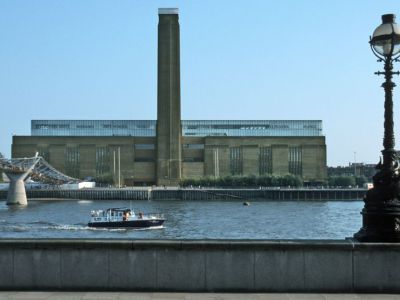
8) Tate Modern (must see)
Once upon a smokestack, this mid-20th-century power station went from fueling machines to fueling imaginations - and today, this is one of the most-visited modern art museums on the planet: the Tate Modern.
Inside, the art doesn’t march along a tidy timeline. Instead, it sprawls across eight thematically curated zones, mixing heavy-hitters like Matisse with up-to-the-minute works by contemporary rebels. The temporary exhibitions here also feature big names and bold ideas. Think Gauguin, Modigliani, Picasso, O’Keeffe… and entire showcases exploring Soviet art between the Revolution and Stalin’s iron curtain call.
Step into the Turbine Hall - Tate’s dramatic entrance that could probably house a small airport - and you’ll be greeted by gravity-defying installations like Olafur Eliasson’s indoor sun, Ai Weiwei’s sea of porcelain sunflower seeds, or Carsten Höller’s towering steel slides that turn art appreciation into a full-body experience.
Dive underground and you’ll hit The Tanks: not for oil anymore, but for experimental art. We're talking performance pieces, soundscapes, and moving images that make your brain do backflips. Climb skyward to the rooftop terrace for a killer panoramic view of London’s skyline (and if you’re lucky, some weather to match).
In between, there are three expansive exhibition levels featuring everything from global contemporary art to interactive displays and full-room installations. Level 2 is home to the Start Display, where color takes center stage in a global conversation between cultures and eras.
Tip:
If your feet get tired or your brain starts spinning, grab a seat and a snack. There’s a restaurant with skyline views on Level 9, a relaxed café on Level 1, and a cozy espresso bar on Level 3. Don’t miss the balcony on Level 3 either - the view of St. Paul’s from there is pure poetry. Oh, and don’t leave without trying the Tate Draw. Sketch, swipe, and project your masterpiece onto the wall like the digital da Vinci you are.
Inside, the art doesn’t march along a tidy timeline. Instead, it sprawls across eight thematically curated zones, mixing heavy-hitters like Matisse with up-to-the-minute works by contemporary rebels. The temporary exhibitions here also feature big names and bold ideas. Think Gauguin, Modigliani, Picasso, O’Keeffe… and entire showcases exploring Soviet art between the Revolution and Stalin’s iron curtain call.
Step into the Turbine Hall - Tate’s dramatic entrance that could probably house a small airport - and you’ll be greeted by gravity-defying installations like Olafur Eliasson’s indoor sun, Ai Weiwei’s sea of porcelain sunflower seeds, or Carsten Höller’s towering steel slides that turn art appreciation into a full-body experience.
Dive underground and you’ll hit The Tanks: not for oil anymore, but for experimental art. We're talking performance pieces, soundscapes, and moving images that make your brain do backflips. Climb skyward to the rooftop terrace for a killer panoramic view of London’s skyline (and if you’re lucky, some weather to match).
In between, there are three expansive exhibition levels featuring everything from global contemporary art to interactive displays and full-room installations. Level 2 is home to the Start Display, where color takes center stage in a global conversation between cultures and eras.
Tip:
If your feet get tired or your brain starts spinning, grab a seat and a snack. There’s a restaurant with skyline views on Level 9, a relaxed café on Level 1, and a cozy espresso bar on Level 3. Don’t miss the balcony on Level 3 either - the view of St. Paul’s from there is pure poetry. Oh, and don’t leave without trying the Tate Draw. Sketch, swipe, and project your masterpiece onto the wall like the digital da Vinci you are.
9) Big Ben & Houses of Parliament (must see)
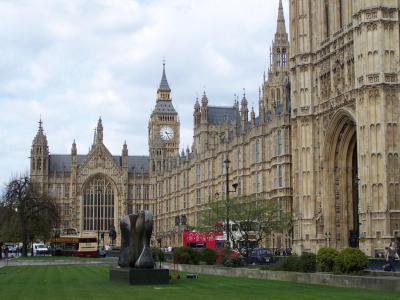
Ah yes, Big Ben-London’s most famous timekeeper! Often mistaken for the entire tower, technically, it's just the bell inside. The tower itself, once modestly named the Clock Tower, got a royal upgrade in 2012 and is now known as the Elizabeth Tower, in honor of Queen Elizabeth II’s Diamond Jubilee.
As for Big Ben-the bell-it weighs a jaw-dropping 15 tonnes. That’s about the weight of three adult elephants. It chimes every hour with a deep, resonant bong that echoes across the city, while four smaller bells handle the quarter-hour duties like loyal timekeeping sidekicks.
As for the name “Big Ben”, theories abound. Some say it was named after Benjamin Hall, the rather large man in charge of installing the bell. Others swear it honors Benjamin Caunt, a Victorian heavyweight boxer. Either way, it’s clear: you didn’t get to be “Big Ben” by being discreet.
Just next door, you'll find the Palace of Westminster, home of the Houses of Parliament-that’s the House of Commons and the House of Lords for those keeping score. After a fire in 1834 burned the old palace to a crisp, King William IV generously offered up Buckingham Palace as a backup. The MPs politely declined, presumably because having tea in the Throne Room seemed a bit too much.
These days, the House of Commons is often in the headlines, especially during the theatrical Wednesdays known as Prime Minister’s Questions. Yes, it’s as lively as it sounds. The public can watch the action live, either by scoring a free ticket through their MP or simply queuing up outside (bonus points if it’s raining-very British).
In terms of security, expect the full “airport-lite” treatment. Bags scanned, belts off, shoes inspected-but thankfully, no need to explain your carry-on liquids.
Now, if the idea of parliamentary debates doesn’t tickle your fancy and you’re more into aesthetic admiration, simply head over to Westminster Bridge-some 500 yards away. From there, you’ll get the postcard shot of Big Ben and the Parliament buildings, no queuing or shoe removal required. Just you, the view, and a thousand other camera-happy tourists. Smile for history!
As for Big Ben-the bell-it weighs a jaw-dropping 15 tonnes. That’s about the weight of three adult elephants. It chimes every hour with a deep, resonant bong that echoes across the city, while four smaller bells handle the quarter-hour duties like loyal timekeeping sidekicks.
As for the name “Big Ben”, theories abound. Some say it was named after Benjamin Hall, the rather large man in charge of installing the bell. Others swear it honors Benjamin Caunt, a Victorian heavyweight boxer. Either way, it’s clear: you didn’t get to be “Big Ben” by being discreet.
Just next door, you'll find the Palace of Westminster, home of the Houses of Parliament-that’s the House of Commons and the House of Lords for those keeping score. After a fire in 1834 burned the old palace to a crisp, King William IV generously offered up Buckingham Palace as a backup. The MPs politely declined, presumably because having tea in the Throne Room seemed a bit too much.
These days, the House of Commons is often in the headlines, especially during the theatrical Wednesdays known as Prime Minister’s Questions. Yes, it’s as lively as it sounds. The public can watch the action live, either by scoring a free ticket through their MP or simply queuing up outside (bonus points if it’s raining-very British).
In terms of security, expect the full “airport-lite” treatment. Bags scanned, belts off, shoes inspected-but thankfully, no need to explain your carry-on liquids.
Now, if the idea of parliamentary debates doesn’t tickle your fancy and you’re more into aesthetic admiration, simply head over to Westminster Bridge-some 500 yards away. From there, you’ll get the postcard shot of Big Ben and the Parliament buildings, no queuing or shoe removal required. Just you, the view, and a thousand other camera-happy tourists. Smile for history!
10) Westminster Abbey (must see)
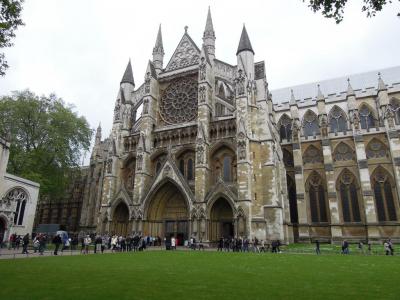
Westminster Abbey-the Gothic heavyweight champion of British heritage, parked squarely in the City of Westminster. Back in the day, Westminster wasn’t even part of London proper. It was its own thing.
The roots of this holy site stretch all the way back to the late 10th century. But it wasn’t until King Edward the Confessor decided to go full Romanesque here, in the 11th century, that things got serious. He turned the abbey into one of Europe’s top-tier religious mega-structures. Edward didn’t live to see it fully materialize, though, but history appreciates his effort.
In 1245, Henry III kicked off construction of the Gothic version we see today. He also commissioned the fancy Cosmati pavement near the High Altar-because kings of all people do appreciate custom flooring. Most of what we admire here now was wrapped up under Richard II, and in 1519, Henry VII added a gorgeous chapel to the Virgin Mary for good measure. As for the iconic west towers, Early Gothic Revival, they were built between 1722 and 1745.
But Westminster Abbey is not just a church. No. It’s the spiritual VIP lounge of the UK. Monarchs have been crowned here since 1066, starting with William the Conqueror. It’s also the final resting place for legends: Queen Elizabeth I, Isaac Newton, Charles Darwin, Geoffrey Chaucer, Rudyard Kipling, Laurence Olivier… Basically, if you’ve made Britain proud, there’s a plot here waiting for you.
And don’t forget the emotional landmarks: Princess Diana’s funeral in 1997, and the royal wedding of Prince William and Kate Middleton in 2011. Yes, this place has seen more royal drama than a season of The Crown.
If you consider visiting, remember: Lines form year-round, so book online to skip the queue like a pro. But don’t plan your Instagram reel just yet-no photography inside is allowed. It’s all eyes and memory...
As a bonus round, make a literary pilgrimage to Poet’s Corner and pay respects to Mr. Charles Dickens himself. Per his modest request, his gravestone simply reads:
CHARLES DICKENS
BORN 7th FEBRUARY 1812
DIED 9th JUNE 1870
Dickens died in Kent, but the public insisted-and The Times newspaper rallied behind the cause-that only Westminster would do as his final resting place. The funeral was private. The legacy-immortal.
So, whether it’s the soaring arches, the centuries of coronations, or the sheer weight of brilliance buried beneath your feet, Westminster Abbey is London in its architectural form-solemn, storied, and just a touch dramatic.
The roots of this holy site stretch all the way back to the late 10th century. But it wasn’t until King Edward the Confessor decided to go full Romanesque here, in the 11th century, that things got serious. He turned the abbey into one of Europe’s top-tier religious mega-structures. Edward didn’t live to see it fully materialize, though, but history appreciates his effort.
In 1245, Henry III kicked off construction of the Gothic version we see today. He also commissioned the fancy Cosmati pavement near the High Altar-because kings of all people do appreciate custom flooring. Most of what we admire here now was wrapped up under Richard II, and in 1519, Henry VII added a gorgeous chapel to the Virgin Mary for good measure. As for the iconic west towers, Early Gothic Revival, they were built between 1722 and 1745.
But Westminster Abbey is not just a church. No. It’s the spiritual VIP lounge of the UK. Monarchs have been crowned here since 1066, starting with William the Conqueror. It’s also the final resting place for legends: Queen Elizabeth I, Isaac Newton, Charles Darwin, Geoffrey Chaucer, Rudyard Kipling, Laurence Olivier… Basically, if you’ve made Britain proud, there’s a plot here waiting for you.
And don’t forget the emotional landmarks: Princess Diana’s funeral in 1997, and the royal wedding of Prince William and Kate Middleton in 2011. Yes, this place has seen more royal drama than a season of The Crown.
If you consider visiting, remember: Lines form year-round, so book online to skip the queue like a pro. But don’t plan your Instagram reel just yet-no photography inside is allowed. It’s all eyes and memory...
As a bonus round, make a literary pilgrimage to Poet’s Corner and pay respects to Mr. Charles Dickens himself. Per his modest request, his gravestone simply reads:
CHARLES DICKENS
BORN 7th FEBRUARY 1812
DIED 9th JUNE 1870
Dickens died in Kent, but the public insisted-and The Times newspaper rallied behind the cause-that only Westminster would do as his final resting place. The funeral was private. The legacy-immortal.
So, whether it’s the soaring arches, the centuries of coronations, or the sheer weight of brilliance buried beneath your feet, Westminster Abbey is London in its architectural form-solemn, storied, and just a touch dramatic.
11) Harrods (must see)
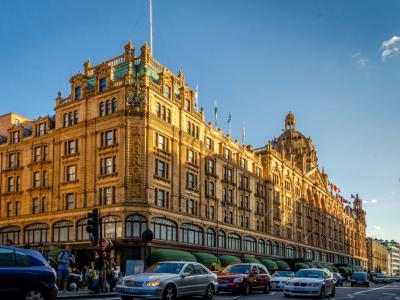
Today, Harrods is primarily frequented by window-shopping tourists and affluent international visitors, with fewer of the budget-conscious locals in sight. It's best regarded as the world's largest, most upscale, and most extravagant shopping destination, akin to a colossal mall. Spanning over four acres of retail space across seven floors, it boasts a comprehensive collection of luxury brands that could easily occupy a shopper's entire day. Grand in scale yet retaining an air of sophistication, Harrods offers a vast range of products, including clothing, electronics, jewelry, sporting gear, pet accessories, toys, food and drink, health and beauty items, packaged gifts, stationery, housewares, home appliances, furniture, and much more.
On the ground floor, you'll discover the Food Halls, featuring Edwardian tiled walls, imaginative and extravagant displays, and staff adorned in period attire-a far cry from your typical neighborhood supermarket.
Take a ride on the Egyptian Escalator, adorned with pharaoh-themed sconces, papyrus-shaped lamps, and balconies adorned with hieroglyphics, up to the 3rd floor. Here, you'll find an extraordinary toy department, complete with an impressive Harry Potter section and extravagant items like child-sized luxury pedal cars-an ideal gift for the child who seemingly has everything.
Harrods doesn't skimp on dining options either, boasting more than two dozen eateries scattered throughout the store. Choices range from a sushi bar, deli, and pizzeria to a Ladurée macaron parlor and a burger bar.
While some individuals may deem Harrods as overpriced and elitist, it remains a unique department store, distinguished by its very own gift shop and even a Dale Chihuly chandelier, situated near the exit of door 3.
On the ground floor, you'll discover the Food Halls, featuring Edwardian tiled walls, imaginative and extravagant displays, and staff adorned in period attire-a far cry from your typical neighborhood supermarket.
Take a ride on the Egyptian Escalator, adorned with pharaoh-themed sconces, papyrus-shaped lamps, and balconies adorned with hieroglyphics, up to the 3rd floor. Here, you'll find an extraordinary toy department, complete with an impressive Harry Potter section and extravagant items like child-sized luxury pedal cars-an ideal gift for the child who seemingly has everything.
Harrods doesn't skimp on dining options either, boasting more than two dozen eateries scattered throughout the store. Choices range from a sushi bar, deli, and pizzeria to a Ladurée macaron parlor and a burger bar.
While some individuals may deem Harrods as overpriced and elitist, it remains a unique department store, distinguished by its very own gift shop and even a Dale Chihuly chandelier, situated near the exit of door 3.
12) Hyde Park (must see)
Hyde Park-one of London’s most sprawling green lungs-is a royal playground with a rebellious streak. If these trees could talk, they’d probably start with Speakers’ Corner, nestled near Marble Arch on the park’s northeastern edge. Here, since the mid-1800s, the loud, the proud, and the opinionated have stood on soapboxes to air their views to anyone within earshot-on everything except Her Majesty. Even Karl Marx, Vladimir Lenin, and George Orwell had a go. It’s pretty much like Twitter, but with pigeons and fewer hashtags.
But the roots of public outcry in this spot stretch further back, way back, to the nearby Tyburn Gallows, where from 1196 to 1783, over 50,000 souls were executed. Each was granted a final mic-drop moment: some begged forgiveness, others declared their innocence, and a few went full Yelp review on the authorities. Public hangings were such an event, they sold tickets. Macabre? Absolutely. But the spirit of bold speech lives on-minus the noose, thankfully.
Just trot west and you’ll hit Rotten Row, once the height of royal commuting convenience and Britain’s first lit street. In the 1690s, William III had 300 gas lamps installed here to light his way and keep the muggers at bay. And no, "Rotten" doesn’t mean decayed-it’s a wonky take on the French “Route du Roi,” which means King’s Road. Très chic… in a smoky, horsey sort of way.
Now, if you like your history with a side of drama, say hello to Apsley House, the proud home of the first Duke of Wellington after he gave Napoleon the ultimate time-out at Waterloo. Officially, it’s 149 Piccadilly, but thanks to its prime location, it’s affectionately known as Number 1, London. And rumor has it, even if you scribble just that on an envelope, your letter will find its way there.
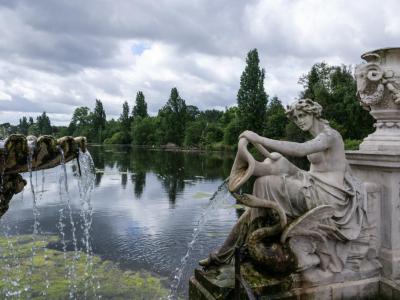
At the park’s heart is the Serpentine, a dreamy stretch of water perfect for swan-watching, selfies, or, if you’re feeling brave, a chilly Christmas swim. The Serpentine Swimming Club hosts the Peter Pan Cup each year-an event organized by the "Peter Pan" author, J.M. Barrie himself, in 1904.
Tip:
Grab a map or rent a bike if you're directionally challenged. And don’t forget your camera-Hyde Park is a living, leafy legend.
But the roots of public outcry in this spot stretch further back, way back, to the nearby Tyburn Gallows, where from 1196 to 1783, over 50,000 souls were executed. Each was granted a final mic-drop moment: some begged forgiveness, others declared their innocence, and a few went full Yelp review on the authorities. Public hangings were such an event, they sold tickets. Macabre? Absolutely. But the spirit of bold speech lives on-minus the noose, thankfully.
Just trot west and you’ll hit Rotten Row, once the height of royal commuting convenience and Britain’s first lit street. In the 1690s, William III had 300 gas lamps installed here to light his way and keep the muggers at bay. And no, "Rotten" doesn’t mean decayed-it’s a wonky take on the French “Route du Roi,” which means King’s Road. Très chic… in a smoky, horsey sort of way.
Now, if you like your history with a side of drama, say hello to Apsley House, the proud home of the first Duke of Wellington after he gave Napoleon the ultimate time-out at Waterloo. Officially, it’s 149 Piccadilly, but thanks to its prime location, it’s affectionately known as Number 1, London. And rumor has it, even if you scribble just that on an envelope, your letter will find its way there.
At the park’s heart is the Serpentine, a dreamy stretch of water perfect for swan-watching, selfies, or, if you’re feeling brave, a chilly Christmas swim. The Serpentine Swimming Club hosts the Peter Pan Cup each year-an event organized by the "Peter Pan" author, J.M. Barrie himself, in 1904.
Tip:
Grab a map or rent a bike if you're directionally challenged. And don’t forget your camera-Hyde Park is a living, leafy legend.
13) Buckingham Palace (must see)
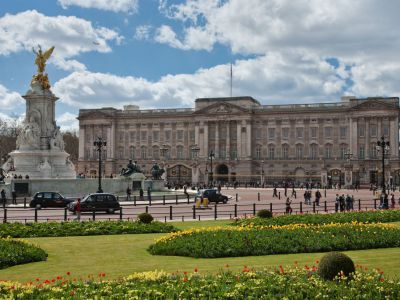
The postcard-perfect face of the British monarchy, Buckingham Palace is possibly the world’s fanciest “office.” What began in 1703 as a cozy townhouse for the Duke of Buckingham (hence the name) ended up becoming royal property in 1761 when King George III bought it for his wife, Queen Charlotte. By 1837, Queen Victoria had officially moved in, setting up camp and turning it into the headquarters of royal business and the heart of Britain's ceremonial life ever since.
Today, the palace packs a whopping 775 rooms, including 52 royal and guest bedrooms, 78 bathrooms (because clearly, you never know when you’ll need a backup loo), and countless other rooms fit for everything from crown-polishing to state banquets. While most of these royal spaces are strictly off-limits, commoners-like us, the curious public-can sneak a peek during special visiting seasons, mainly August and September, plus select days in winter and spring.
Step inside the palace’s 19 State Rooms and prepare to have your jaw royally dropped. Here, we’re talking chandeliers that could double as UFOs, lavish gold trim, and masterpieces by Rembrandt and Rubens just casually hanging around. You’ll stroll through the Throne Room (cue the imaginary fanfare), the Ballroom where knighthoods are handed out like royal gold stars, the Grand Staircase, and a variety of drawing rooms, each with its own personality-from the Blue Drawing Room’s stately charm to the Music Room’s lapis columns and the gleaming White Drawing Room. Don’t skip the State Dining Room either-this is where the portraits watch you more than you watch them.
Outside, the Changing of the Guard steals the show with its precision marching, bearskin hats, and musical flair. It’s essentially a military ballet, free of charge-but do arrive early for the best view, as everyone and their selfie stick wants in.
Right next door, the Queen’s Gallery serves up rotating exhibits from the Royal Collection, including priceless paintings, sparkling jewels, and historic treasures galore. A few steps away, the Royal Mews stables show off the royal horses and carriages, because royalty of all people needs a stylish ride.
Tip:
Snag a timed-entry ticket (they’re released in 15-minute waves), and if you’ve got time, tack on a garden tour for some fresh air and manicured perfection. Give yourself two hours-minimum-because once you step into Buckingham Palace, you’ll want to soak up every royal second.
Today, the palace packs a whopping 775 rooms, including 52 royal and guest bedrooms, 78 bathrooms (because clearly, you never know when you’ll need a backup loo), and countless other rooms fit for everything from crown-polishing to state banquets. While most of these royal spaces are strictly off-limits, commoners-like us, the curious public-can sneak a peek during special visiting seasons, mainly August and September, plus select days in winter and spring.
Step inside the palace’s 19 State Rooms and prepare to have your jaw royally dropped. Here, we’re talking chandeliers that could double as UFOs, lavish gold trim, and masterpieces by Rembrandt and Rubens just casually hanging around. You’ll stroll through the Throne Room (cue the imaginary fanfare), the Ballroom where knighthoods are handed out like royal gold stars, the Grand Staircase, and a variety of drawing rooms, each with its own personality-from the Blue Drawing Room’s stately charm to the Music Room’s lapis columns and the gleaming White Drawing Room. Don’t skip the State Dining Room either-this is where the portraits watch you more than you watch them.
Outside, the Changing of the Guard steals the show with its precision marching, bearskin hats, and musical flair. It’s essentially a military ballet, free of charge-but do arrive early for the best view, as everyone and their selfie stick wants in.
Right next door, the Queen’s Gallery serves up rotating exhibits from the Royal Collection, including priceless paintings, sparkling jewels, and historic treasures galore. A few steps away, the Royal Mews stables show off the royal horses and carriages, because royalty of all people needs a stylish ride.
Tip:
Snag a timed-entry ticket (they’re released in 15-minute waves), and if you’ve got time, tack on a garden tour for some fresh air and manicured perfection. Give yourself two hours-minimum-because once you step into Buckingham Palace, you’ll want to soak up every royal second.
14) St. James's Park (must see)
Once upon a royal time, a queen casually asked her courtier how much it would cost to kick the public out of St. James’s Park. The courtier, with nerves of steel and a flair for drama, replied, “Only your crown, ma’am.” And that pretty much sums up the importance of this place-mess with the people’s park, and you’re one coronation short of a monarchy.
Wedged gracefully between three heavy-hitters-Buckingham Palace, St. James’s Palace, and the political power zone of Westminster-St. James’s Park is London’s oldest and arguably most charming green retreat. Back in 1532, Henry VIII thought this marsh was in great need of deer, so he snapped it up for his very own deer nursery. Later, during the reign of James I, the land was drained, and an aviary was installed (giving rise to the name Birdcage Walk), along with a zoo that featured exotic species like crocodiles, camels, and even an elephant.
Then came Charles II, freshly returned from exile in France with some serious garden envy after ogling Versailles. He rolled up his sleeves and transformed the park into a regal playground with neat avenues, fruit trees, a canal, and a whole zoo of goats, sheep, and deer casually grazing the lawns. By the 1700s, the park had taken a turn for the scandalous, becoming a preferred hunting ground for the affluent individuals seeking... nighttime companions.
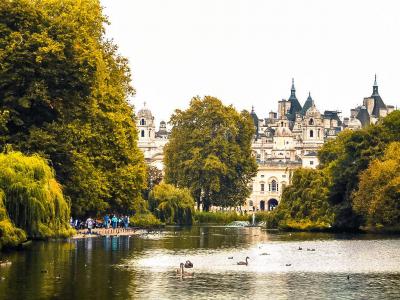
In the 19th century, the romantic stylings of John Nash (one of the foremost British architects of the Georgian and Regency eras) gave the park its current look-a picturesque escape with winding paths and dreamy views. Peer down the lake toward Buckingham Palace, and you can easily imagine having wandered onto a countryside estate-until a pelican flaps by.
Speaking of birds, Duck Island at the lake’s eastern tip is a feathery haven for pelicans, swans (King-owned, naturally), geese, and ducks. From March to October, deck chairs appear like sun-seeking mushrooms-perfect for office lunch breaks or tuning into a bandstand performance at midday.
Evenings are a delight here too, as the lake reflects the glowing silhouettes of Westminster Abbey and the Parliament buildings. It’s part fairy tale, part postcard, and entirely worth a visit. Lush lawns, birds with better titles than you, and the occasional live performance. Basically, it’s where London goes to exhale...
Wedged gracefully between three heavy-hitters-Buckingham Palace, St. James’s Palace, and the political power zone of Westminster-St. James’s Park is London’s oldest and arguably most charming green retreat. Back in 1532, Henry VIII thought this marsh was in great need of deer, so he snapped it up for his very own deer nursery. Later, during the reign of James I, the land was drained, and an aviary was installed (giving rise to the name Birdcage Walk), along with a zoo that featured exotic species like crocodiles, camels, and even an elephant.
Then came Charles II, freshly returned from exile in France with some serious garden envy after ogling Versailles. He rolled up his sleeves and transformed the park into a regal playground with neat avenues, fruit trees, a canal, and a whole zoo of goats, sheep, and deer casually grazing the lawns. By the 1700s, the park had taken a turn for the scandalous, becoming a preferred hunting ground for the affluent individuals seeking... nighttime companions.
In the 19th century, the romantic stylings of John Nash (one of the foremost British architects of the Georgian and Regency eras) gave the park its current look-a picturesque escape with winding paths and dreamy views. Peer down the lake toward Buckingham Palace, and you can easily imagine having wandered onto a countryside estate-until a pelican flaps by.
Speaking of birds, Duck Island at the lake’s eastern tip is a feathery haven for pelicans, swans (King-owned, naturally), geese, and ducks. From March to October, deck chairs appear like sun-seeking mushrooms-perfect for office lunch breaks or tuning into a bandstand performance at midday.
Evenings are a delight here too, as the lake reflects the glowing silhouettes of Westminster Abbey and the Parliament buildings. It’s part fairy tale, part postcard, and entirely worth a visit. Lush lawns, birds with better titles than you, and the occasional live performance. Basically, it’s where London goes to exhale...
