Custom Walk in London, England by kyt219_456ec4 created on 2026-07-15
Guide Location: England » London
Guide Type: Custom Walk
# of Sights: 13
Tour Duration: 4 Hour(s)
Travel Distance: 7.8 Km or 4.8 Miles
Share Key: YKPJ8
Guide Type: Custom Walk
# of Sights: 13
Tour Duration: 4 Hour(s)
Travel Distance: 7.8 Km or 4.8 Miles
Share Key: YKPJ8
How It Works
Please retrieve this walk in the GPSmyCity app. Once done, the app will guide you from one tour stop to the next as if you had a personal tour guide. If you created the walk on this website or come to the page via a link, please follow the instructions below to retrieve the walk in the app.
Retrieve This Walk in App
Step 1. Download the app "GPSmyCity: Walks in 1K+ Cities" on Apple App Store or Google Play Store.



Step 2. In the GPSmyCity app, download(or launch) the guide "London Map and Walking Tours".
Step 3. Tap the menu button located at upper right corner of the "Walks" screen and select "Retrieve custom walk". Enter the share key: YKPJ8
1) 10 Downing Street
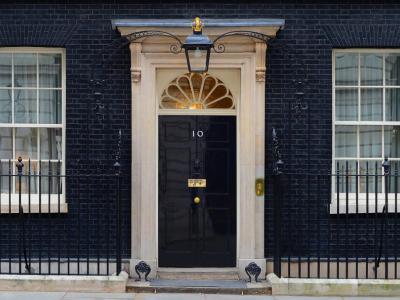
10 Downing Street-or as the British press affectionately calls it, Number 10-is the official residence and workplace of the UK’s Prime Minister. It has been the address for power players since the 18th century. Don’t be fooled by its modest black door-it’s basically the palace of spreadsheets and late-night policy debates-equal parts nerve center and nerve-wracking...
Originally cobbled together from three separate houses (because one apparently wasn't enough for 18th-century real estate ambitions), Number 10 now contains over 100 rooms. The PM’s family lives on the third floor, their kitchen’s tucked away in the basement, and the rest of the place is a maze of offices, reception rooms, and the odd spot for international awkward silences. There’s even a private garden-half an acre, no less-perfect for pondering global crises over a cup of Earl Grey.
Now, speaking of doors, that iconic black front door is not wood but reinforced steel. No keyhole, either-because obviously, in this house, you don’t knock, you get buzzed in. A doorman’s always on duty because the door only opens from the inside. (Some say this is where British stoicism is forged.)
And the phrase “in the hot seat”? Thank Number 10 for that. The hallway used to feature a rather dramatic black chair, complete with a coal-filled drawer underneath to warm the night watchman's backside. Forget ergonomics-that was 18th-century comfort.
The house has taken its share of hits. During WWII, a German bomb rudely messed with the kitchen. Then in 1991, the IRA launched a mortar attack-Downing Street survived, but a splinter still sticks defiantly in the upstairs plaster, like a war story the walls refuse to let go.
Inside, the Grand Staircase displays portraits of every British Prime Minister in order, a visual reminder that political haircuts have come a long way. Tony Blair added bees to the décor (yes, actual plaster bees in the window frames), while Margaret Thatcher insisted on a mini roof over one door-presumably for extra austerity.
Public tours-unfortunately, not happening. Entry is tighter than the King’s biscuit tin. But if you’re into wizardry, you’ll appreciate the Harry Potter trivia-Number 10 doubles as a magical portal, as revealed in The Half-Blood Prince. And yes, Kingsley wizard Shacklebolt worked here undercover, guarding the Prime Minister against the dark forces of Lord Voldemort. There's obviously more to this place than you'd expect...
Tip:
Pair your Downing Street sightseeing with a wider walk through Whitehall and Westminster. Politics, pomp, and a splash of Potter-it’s all just a few steps away.
Originally cobbled together from three separate houses (because one apparently wasn't enough for 18th-century real estate ambitions), Number 10 now contains over 100 rooms. The PM’s family lives on the third floor, their kitchen’s tucked away in the basement, and the rest of the place is a maze of offices, reception rooms, and the odd spot for international awkward silences. There’s even a private garden-half an acre, no less-perfect for pondering global crises over a cup of Earl Grey.
Now, speaking of doors, that iconic black front door is not wood but reinforced steel. No keyhole, either-because obviously, in this house, you don’t knock, you get buzzed in. A doorman’s always on duty because the door only opens from the inside. (Some say this is where British stoicism is forged.)
And the phrase “in the hot seat”? Thank Number 10 for that. The hallway used to feature a rather dramatic black chair, complete with a coal-filled drawer underneath to warm the night watchman's backside. Forget ergonomics-that was 18th-century comfort.
The house has taken its share of hits. During WWII, a German bomb rudely messed with the kitchen. Then in 1991, the IRA launched a mortar attack-Downing Street survived, but a splinter still sticks defiantly in the upstairs plaster, like a war story the walls refuse to let go.
Inside, the Grand Staircase displays portraits of every British Prime Minister in order, a visual reminder that political haircuts have come a long way. Tony Blair added bees to the décor (yes, actual plaster bees in the window frames), while Margaret Thatcher insisted on a mini roof over one door-presumably for extra austerity.
Public tours-unfortunately, not happening. Entry is tighter than the King’s biscuit tin. But if you’re into wizardry, you’ll appreciate the Harry Potter trivia-Number 10 doubles as a magical portal, as revealed in The Half-Blood Prince. And yes, Kingsley wizard Shacklebolt worked here undercover, guarding the Prime Minister against the dark forces of Lord Voldemort. There's obviously more to this place than you'd expect...
Tip:
Pair your Downing Street sightseeing with a wider walk through Whitehall and Westminster. Politics, pomp, and a splash of Potter-it’s all just a few steps away.
2) Big Ben & Houses of Parliament (must see)
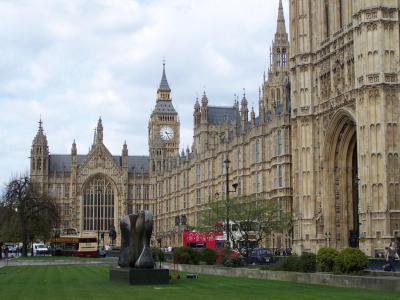
Ah yes, Big Ben-London’s most famous timekeeper! Often mistaken for the entire tower, technically, it's just the bell inside. The tower itself, once modestly named the Clock Tower, got a royal upgrade in 2012 and is now known as the Elizabeth Tower, in honor of Queen Elizabeth II’s Diamond Jubilee.
As for Big Ben-the bell-it weighs a jaw-dropping 15 tonnes. That’s about the weight of three adult elephants. It chimes every hour with a deep, resonant bong that echoes across the city, while four smaller bells handle the quarter-hour duties like loyal timekeeping sidekicks.
As for the name “Big Ben”, theories abound. Some say it was named after Benjamin Hall, the rather large man in charge of installing the bell. Others swear it honors Benjamin Caunt, a Victorian heavyweight boxer. Either way, it’s clear: you didn’t get to be “Big Ben” by being discreet.
Just next door, you'll find the Palace of Westminster, home of the Houses of Parliament-that’s the House of Commons and the House of Lords for those keeping score. After a fire in 1834 burned the old palace to a crisp, King William IV generously offered up Buckingham Palace as a backup. The MPs politely declined, presumably because having tea in the Throne Room seemed a bit too much.
These days, the House of Commons is often in the headlines, especially during the theatrical Wednesdays known as Prime Minister’s Questions. Yes, it’s as lively as it sounds. The public can watch the action live, either by scoring a free ticket through their MP or simply queuing up outside (bonus points if it’s raining-very British).
In terms of security, expect the full “airport-lite” treatment. Bags scanned, belts off, shoes inspected-but thankfully, no need to explain your carry-on liquids.
Now, if the idea of parliamentary debates doesn’t tickle your fancy and you’re more into aesthetic admiration, simply head over to Westminster Bridge-some 500 yards away. From there, you’ll get the postcard shot of Big Ben and the Parliament buildings, no queuing or shoe removal required. Just you, the view, and a thousand other camera-happy tourists. Smile for history!
As for Big Ben-the bell-it weighs a jaw-dropping 15 tonnes. That’s about the weight of three adult elephants. It chimes every hour with a deep, resonant bong that echoes across the city, while four smaller bells handle the quarter-hour duties like loyal timekeeping sidekicks.
As for the name “Big Ben”, theories abound. Some say it was named after Benjamin Hall, the rather large man in charge of installing the bell. Others swear it honors Benjamin Caunt, a Victorian heavyweight boxer. Either way, it’s clear: you didn’t get to be “Big Ben” by being discreet.
Just next door, you'll find the Palace of Westminster, home of the Houses of Parliament-that’s the House of Commons and the House of Lords for those keeping score. After a fire in 1834 burned the old palace to a crisp, King William IV generously offered up Buckingham Palace as a backup. The MPs politely declined, presumably because having tea in the Throne Room seemed a bit too much.
These days, the House of Commons is often in the headlines, especially during the theatrical Wednesdays known as Prime Minister’s Questions. Yes, it’s as lively as it sounds. The public can watch the action live, either by scoring a free ticket through their MP or simply queuing up outside (bonus points if it’s raining-very British).
In terms of security, expect the full “airport-lite” treatment. Bags scanned, belts off, shoes inspected-but thankfully, no need to explain your carry-on liquids.
Now, if the idea of parliamentary debates doesn’t tickle your fancy and you’re more into aesthetic admiration, simply head over to Westminster Bridge-some 500 yards away. From there, you’ll get the postcard shot of Big Ben and the Parliament buildings, no queuing or shoe removal required. Just you, the view, and a thousand other camera-happy tourists. Smile for history!
3) Westminster Abbey (must see)
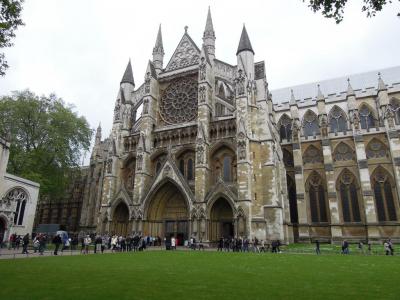
Westminster Abbey-the Gothic heavyweight champion of British heritage, parked squarely in the City of Westminster. Back in the day, Westminster wasn’t even part of London proper. It was its own thing.
The roots of this holy site stretch all the way back to the late 10th century. But it wasn’t until King Edward the Confessor decided to go full Romanesque here, in the 11th century, that things got serious. He turned the abbey into one of Europe’s top-tier religious mega-structures. Edward didn’t live to see it fully materialize, though, but history appreciates his effort.
In 1245, Henry III kicked off construction of the Gothic version we see today. He also commissioned the fancy Cosmati pavement near the High Altar-because kings of all people do appreciate custom flooring. Most of what we admire here now was wrapped up under Richard II, and in 1519, Henry VII added a gorgeous chapel to the Virgin Mary for good measure. As for the iconic west towers, Early Gothic Revival, they were built between 1722 and 1745.
But Westminster Abbey is not just a church. No. It’s the spiritual VIP lounge of the UK. Monarchs have been crowned here since 1066, starting with William the Conqueror. It’s also the final resting place for legends: Queen Elizabeth I, Isaac Newton, Charles Darwin, Geoffrey Chaucer, Rudyard Kipling, Laurence Olivier… Basically, if you’ve made Britain proud, there’s a plot here waiting for you.
And don’t forget the emotional landmarks: Princess Diana’s funeral in 1997, and the royal wedding of Prince William and Kate Middleton in 2011. Yes, this place has seen more royal drama than a season of The Crown.
If you consider visiting, remember: Lines form year-round, so book online to skip the queue like a pro. But don’t plan your Instagram reel just yet-no photography inside is allowed. It’s all eyes and memory...
As a bonus round, make a literary pilgrimage to Poet’s Corner and pay respects to Mr. Charles Dickens himself. Per his modest request, his gravestone simply reads:
CHARLES DICKENS
BORN 7th FEBRUARY 1812
DIED 9th JUNE 1870
Dickens died in Kent, but the public insisted-and The Times newspaper rallied behind the cause-that only Westminster would do as his final resting place. The funeral was private. The legacy-immortal.
So, whether it’s the soaring arches, the centuries of coronations, or the sheer weight of brilliance buried beneath your feet, Westminster Abbey is London in its architectural form-solemn, storied, and just a touch dramatic.
The roots of this holy site stretch all the way back to the late 10th century. But it wasn’t until King Edward the Confessor decided to go full Romanesque here, in the 11th century, that things got serious. He turned the abbey into one of Europe’s top-tier religious mega-structures. Edward didn’t live to see it fully materialize, though, but history appreciates his effort.
In 1245, Henry III kicked off construction of the Gothic version we see today. He also commissioned the fancy Cosmati pavement near the High Altar-because kings of all people do appreciate custom flooring. Most of what we admire here now was wrapped up under Richard II, and in 1519, Henry VII added a gorgeous chapel to the Virgin Mary for good measure. As for the iconic west towers, Early Gothic Revival, they were built between 1722 and 1745.
But Westminster Abbey is not just a church. No. It’s the spiritual VIP lounge of the UK. Monarchs have been crowned here since 1066, starting with William the Conqueror. It’s also the final resting place for legends: Queen Elizabeth I, Isaac Newton, Charles Darwin, Geoffrey Chaucer, Rudyard Kipling, Laurence Olivier… Basically, if you’ve made Britain proud, there’s a plot here waiting for you.
And don’t forget the emotional landmarks: Princess Diana’s funeral in 1997, and the royal wedding of Prince William and Kate Middleton in 2011. Yes, this place has seen more royal drama than a season of The Crown.
If you consider visiting, remember: Lines form year-round, so book online to skip the queue like a pro. But don’t plan your Instagram reel just yet-no photography inside is allowed. It’s all eyes and memory...
As a bonus round, make a literary pilgrimage to Poet’s Corner and pay respects to Mr. Charles Dickens himself. Per his modest request, his gravestone simply reads:
CHARLES DICKENS
BORN 7th FEBRUARY 1812
DIED 9th JUNE 1870
Dickens died in Kent, but the public insisted-and The Times newspaper rallied behind the cause-that only Westminster would do as his final resting place. The funeral was private. The legacy-immortal.
So, whether it’s the soaring arches, the centuries of coronations, or the sheer weight of brilliance buried beneath your feet, Westminster Abbey is London in its architectural form-solemn, storied, and just a touch dramatic.
4) Buckingham Palace (must see)
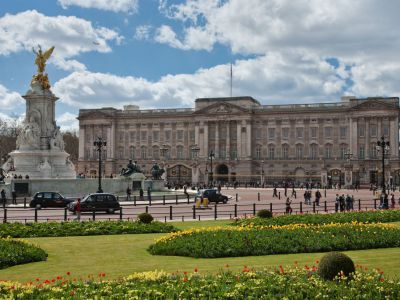
The postcard-perfect face of the British monarchy, Buckingham Palace is possibly the world’s fanciest “office.” What began in 1703 as a cozy townhouse for the Duke of Buckingham (hence the name) ended up becoming royal property in 1761 when King George III bought it for his wife, Queen Charlotte. By 1837, Queen Victoria had officially moved in, setting up camp and turning it into the headquarters of royal business and the heart of Britain's ceremonial life ever since.
Today, the palace packs a whopping 775 rooms, including 52 royal and guest bedrooms, 78 bathrooms (because clearly, you never know when you’ll need a backup loo), and countless other rooms fit for everything from crown-polishing to state banquets. While most of these royal spaces are strictly off-limits, commoners-like us, the curious public-can sneak a peek during special visiting seasons, mainly August and September, plus select days in winter and spring.
Step inside the palace’s 19 State Rooms and prepare to have your jaw royally dropped. Here, we’re talking chandeliers that could double as UFOs, lavish gold trim, and masterpieces by Rembrandt and Rubens just casually hanging around. You’ll stroll through the Throne Room (cue the imaginary fanfare), the Ballroom where knighthoods are handed out like royal gold stars, the Grand Staircase, and a variety of drawing rooms, each with its own personality-from the Blue Drawing Room’s stately charm to the Music Room’s lapis columns and the gleaming White Drawing Room. Don’t skip the State Dining Room either-this is where the portraits watch you more than you watch them.
Outside, the Changing of the Guard steals the show with its precision marching, bearskin hats, and musical flair. It’s essentially a military ballet, free of charge-but do arrive early for the best view, as everyone and their selfie stick wants in.
Right next door, the Queen’s Gallery serves up rotating exhibits from the Royal Collection, including priceless paintings, sparkling jewels, and historic treasures galore. A few steps away, the Royal Mews stables show off the royal horses and carriages, because royalty of all people needs a stylish ride.
Tip:
Snag a timed-entry ticket (they’re released in 15-minute waves), and if you’ve got time, tack on a garden tour for some fresh air and manicured perfection. Give yourself two hours-minimum-because once you step into Buckingham Palace, you’ll want to soak up every royal second.
Today, the palace packs a whopping 775 rooms, including 52 royal and guest bedrooms, 78 bathrooms (because clearly, you never know when you’ll need a backup loo), and countless other rooms fit for everything from crown-polishing to state banquets. While most of these royal spaces are strictly off-limits, commoners-like us, the curious public-can sneak a peek during special visiting seasons, mainly August and September, plus select days in winter and spring.
Step inside the palace’s 19 State Rooms and prepare to have your jaw royally dropped. Here, we’re talking chandeliers that could double as UFOs, lavish gold trim, and masterpieces by Rembrandt and Rubens just casually hanging around. You’ll stroll through the Throne Room (cue the imaginary fanfare), the Ballroom where knighthoods are handed out like royal gold stars, the Grand Staircase, and a variety of drawing rooms, each with its own personality-from the Blue Drawing Room’s stately charm to the Music Room’s lapis columns and the gleaming White Drawing Room. Don’t skip the State Dining Room either-this is where the portraits watch you more than you watch them.
Outside, the Changing of the Guard steals the show with its precision marching, bearskin hats, and musical flair. It’s essentially a military ballet, free of charge-but do arrive early for the best view, as everyone and their selfie stick wants in.
Right next door, the Queen’s Gallery serves up rotating exhibits from the Royal Collection, including priceless paintings, sparkling jewels, and historic treasures galore. A few steps away, the Royal Mews stables show off the royal horses and carriages, because royalty of all people needs a stylish ride.
Tip:
Snag a timed-entry ticket (they’re released in 15-minute waves), and if you’ve got time, tack on a garden tour for some fresh air and manicured perfection. Give yourself two hours-minimum-because once you step into Buckingham Palace, you’ll want to soak up every royal second.
5) Hyde Park (must see)
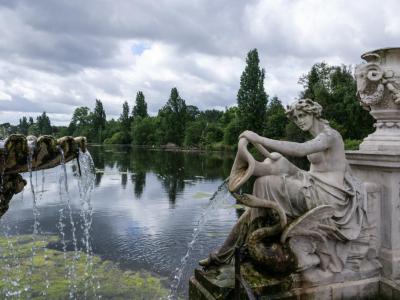
Hyde Park-one of London’s most sprawling green lungs-is a royal playground with a rebellious streak. If these trees could talk, they’d probably start with Speakers’ Corner, nestled near Marble Arch on the park’s northeastern edge. Here, since the mid-1800s, the loud, the proud, and the opinionated have stood on soapboxes to air their views to anyone within earshot-on everything except Her Majesty. Even Karl Marx, Vladimir Lenin, and George Orwell had a go. It’s pretty much like Twitter, but with pigeons and fewer hashtags.
But the roots of public outcry in this spot stretch further back, way back, to the nearby Tyburn Gallows, where from 1196 to 1783, over 50,000 souls were executed. Each was granted a final mic-drop moment: some begged forgiveness, others declared their innocence, and a few went full Yelp review on the authorities. Public hangings were such an event, they sold tickets. Macabre? Absolutely. But the spirit of bold speech lives on-minus the noose, thankfully.
Just trot west and you’ll hit Rotten Row, once the height of royal commuting convenience and Britain’s first lit street. In the 1690s, William III had 300 gas lamps installed here to light his way and keep the muggers at bay. And no, "Rotten" doesn’t mean decayed-it’s a wonky take on the French “Route du Roi,” which means King’s Road. Très chic… in a smoky, horsey sort of way.
Now, if you like your history with a side of drama, say hello to Apsley House, the proud home of the first Duke of Wellington after he gave Napoleon the ultimate time-out at Waterloo. Officially, it’s 149 Piccadilly, but thanks to its prime location, it’s affectionately known as Number 1, London. And rumor has it, even if you scribble just that on an envelope, your letter will find its way there.
At the park’s heart is the Serpentine, a dreamy stretch of water perfect for swan-watching, selfies, or, if you’re feeling brave, a chilly Christmas swim. The Serpentine Swimming Club hosts the Peter Pan Cup each year-an event organized by the "Peter Pan" author, J.M. Barrie himself, in 1904.
Tip:
Grab a map or rent a bike if you're directionally challenged. And don’t forget your camera-Hyde Park is a living, leafy legend.
But the roots of public outcry in this spot stretch further back, way back, to the nearby Tyburn Gallows, where from 1196 to 1783, over 50,000 souls were executed. Each was granted a final mic-drop moment: some begged forgiveness, others declared their innocence, and a few went full Yelp review on the authorities. Public hangings were such an event, they sold tickets. Macabre? Absolutely. But the spirit of bold speech lives on-minus the noose, thankfully.
Just trot west and you’ll hit Rotten Row, once the height of royal commuting convenience and Britain’s first lit street. In the 1690s, William III had 300 gas lamps installed here to light his way and keep the muggers at bay. And no, "Rotten" doesn’t mean decayed-it’s a wonky take on the French “Route du Roi,” which means King’s Road. Très chic… in a smoky, horsey sort of way.
Now, if you like your history with a side of drama, say hello to Apsley House, the proud home of the first Duke of Wellington after he gave Napoleon the ultimate time-out at Waterloo. Officially, it’s 149 Piccadilly, but thanks to its prime location, it’s affectionately known as Number 1, London. And rumor has it, even if you scribble just that on an envelope, your letter will find its way there.
At the park’s heart is the Serpentine, a dreamy stretch of water perfect for swan-watching, selfies, or, if you’re feeling brave, a chilly Christmas swim. The Serpentine Swimming Club hosts the Peter Pan Cup each year-an event organized by the "Peter Pan" author, J.M. Barrie himself, in 1904.
Tip:
Grab a map or rent a bike if you're directionally challenged. And don’t forget your camera-Hyde Park is a living, leafy legend.
6) Harrods (must see)
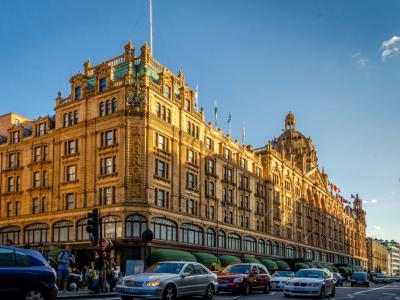
Today, Harrods is primarily frequented by window-shopping tourists and affluent international visitors, with fewer of the budget-conscious locals in sight. It's best regarded as the world's largest, most upscale, and most extravagant shopping destination, akin to a colossal mall. Spanning over four acres of retail space across seven floors, it boasts a comprehensive collection of luxury brands that could easily occupy a shopper's entire day. Grand in scale yet retaining an air of sophistication, Harrods offers a vast range of products, including clothing, electronics, jewelry, sporting gear, pet accessories, toys, food and drink, health and beauty items, packaged gifts, stationery, housewares, home appliances, furniture, and much more.
On the ground floor, you'll discover the Food Halls, featuring Edwardian tiled walls, imaginative and extravagant displays, and staff adorned in period attire-a far cry from your typical neighborhood supermarket.
Take a ride on the Egyptian Escalator, adorned with pharaoh-themed sconces, papyrus-shaped lamps, and balconies adorned with hieroglyphics, up to the 3rd floor. Here, you'll find an extraordinary toy department, complete with an impressive Harry Potter section and extravagant items like child-sized luxury pedal cars-an ideal gift for the child who seemingly has everything.
Harrods doesn't skimp on dining options either, boasting more than two dozen eateries scattered throughout the store. Choices range from a sushi bar, deli, and pizzeria to a Ladurée macaron parlor and a burger bar.
While some individuals may deem Harrods as overpriced and elitist, it remains a unique department store, distinguished by its very own gift shop and even a Dale Chihuly chandelier, situated near the exit of door 3.
On the ground floor, you'll discover the Food Halls, featuring Edwardian tiled walls, imaginative and extravagant displays, and staff adorned in period attire-a far cry from your typical neighborhood supermarket.
Take a ride on the Egyptian Escalator, adorned with pharaoh-themed sconces, papyrus-shaped lamps, and balconies adorned with hieroglyphics, up to the 3rd floor. Here, you'll find an extraordinary toy department, complete with an impressive Harry Potter section and extravagant items like child-sized luxury pedal cars-an ideal gift for the child who seemingly has everything.
Harrods doesn't skimp on dining options either, boasting more than two dozen eateries scattered throughout the store. Choices range from a sushi bar, deli, and pizzeria to a Ladurée macaron parlor and a burger bar.
While some individuals may deem Harrods as overpriced and elitist, it remains a unique department store, distinguished by its very own gift shop and even a Dale Chihuly chandelier, situated near the exit of door 3.
7) Natural History Museum (must see)
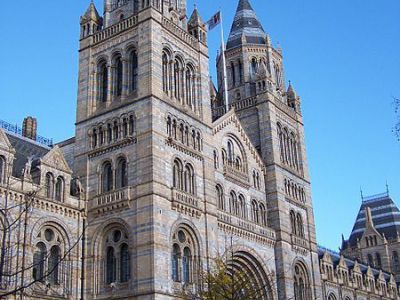
Originally constructed to serve as the housing for the British Museum's collection of natural history, and enriched with contributions from prominent 19th-century British explorers and scientists, most notably Charles Darwin, this grand Victorian edifice of scientific exploration stands as one of the world's foremost institutions devoted to natural history and earth sciences. As expected, given its strong association with Darwin, the primary focus here lies in the realms of evolution and conservation. The building's exteriorfeatures terracotta embellishments adorned with relief panels depicting both extant and extinct creatures, with some species having undergone reclassification over time. The museum's interior hosts an astounding collection of over 70 million distinct specimens, although only a fraction is available for public viewing. A full day of exploration would still leave much unseen.
Upon entering the cathedral-like entrance hall, visitors are greeted by the imposing skeleton of a colossal blue whale. In the Dinosaur Gallery ('Blue Zone'), one can encounter similarly enormous dinosaur bones, technically transformed into rocks through fossilization, alongside the lone known fossil of Spicomellus, an armored dinosaur variety characterized by spikes on its ribs. The journey continues with an encounter with a virtual Jurassic-era sea dragon and a towering animatronic 'T. rex' (three-fourths its actual size) designed to detect the presence of nearby humans and react accordingly, resulting in exhilarating shrieks of fear and delight echoing through the space.
An escalator transports guests into the expansive Earth Galleries, offering multiple levels to explore, including the earthquake simulation featured in the Volcanoes and Earthquake Gallery. Within the Darwin Centre, around 80 million items await, items that the main museum area cannot accommodate, including "Archie", a massive 28-foot giant squid. To catch a glimpse of Archie and the myriad other preserved animal specimens, visitors can book one of the "behind-the-scenes" 45-minute "Spirit Collection" tours, which are available on select dates and times and can be reserved on the same day (it's advisable to arrive early, as space is limited). For those who prefer nighttime adventures, the museum offers evening talks and the opportunity to spend an entire night within its walls during the "Dino Snores" events.
Why You Should Visit:
Huge space; interesting for adults as well as teens. And, like the majority of London's museums, absolutely free to visit.
As an added bonus, there is an ice-skating rink open from October to January, along with a widely popular Christmas fair.
Tips:
There are two entrances available: the primary one on Cromwell Rd tends to be quite crowded. However, if you head around the corner to the side of the Victoria and Albert Museum, you can enter with ease. However, given the extensive ground to cover, it's advisable to wear comfortable shoes as there will be a substantial amount of walking involved.
Upon entering the cathedral-like entrance hall, visitors are greeted by the imposing skeleton of a colossal blue whale. In the Dinosaur Gallery ('Blue Zone'), one can encounter similarly enormous dinosaur bones, technically transformed into rocks through fossilization, alongside the lone known fossil of Spicomellus, an armored dinosaur variety characterized by spikes on its ribs. The journey continues with an encounter with a virtual Jurassic-era sea dragon and a towering animatronic 'T. rex' (three-fourths its actual size) designed to detect the presence of nearby humans and react accordingly, resulting in exhilarating shrieks of fear and delight echoing through the space.
An escalator transports guests into the expansive Earth Galleries, offering multiple levels to explore, including the earthquake simulation featured in the Volcanoes and Earthquake Gallery. Within the Darwin Centre, around 80 million items await, items that the main museum area cannot accommodate, including "Archie", a massive 28-foot giant squid. To catch a glimpse of Archie and the myriad other preserved animal specimens, visitors can book one of the "behind-the-scenes" 45-minute "Spirit Collection" tours, which are available on select dates and times and can be reserved on the same day (it's advisable to arrive early, as space is limited). For those who prefer nighttime adventures, the museum offers evening talks and the opportunity to spend an entire night within its walls during the "Dino Snores" events.
Why You Should Visit:
Huge space; interesting for adults as well as teens. And, like the majority of London's museums, absolutely free to visit.
As an added bonus, there is an ice-skating rink open from October to January, along with a widely popular Christmas fair.
Tips:
There are two entrances available: the primary one on Cromwell Rd tends to be quite crowded. However, if you head around the corner to the side of the Victoria and Albert Museum, you can enter with ease. However, given the extensive ground to cover, it's advisable to wear comfortable shoes as there will be a substantial amount of walking involved.
8) 14 Prince's Gate
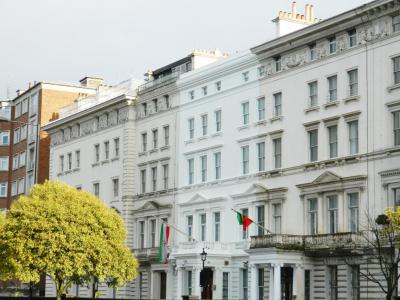
Situated at the eastern end of a row of buildings overlooking Hyde Park, 14 Princes Gate holds is listed as a Grade II designated structure in the National Heritage List for England. This terrace earned its name due to its location opposite the entrance known as the Prince of Wales' Gate to Hyde Park, a gate named after the future Edward VII when he held the title of Prince of Wales.
Constructed in 1849, the building had a varied ownership history, with members of the Morgan family, prominent American bankers, among its proprietors. From the 1920s to the 1950s, it served as the official residence for eight American ambassadors. During this period, American architect Thomas Hastings was commissioned to undertake renovations, including a facade makeover in the Beaux-Arts style, the addition of striking Native American heads in the keystones above ground floor windows, and the installation of a grand staircase.
In more recent times, 14 Princes Gate served as the inaugural headquarters of the Independent Television Authority from 1955 to 1961. Subsequently, it housed the Royal College of General Practitioners until 2010, at which point it reverted to being a private residence. Notably, on the morning of April 30, 1980, the Royal College's activities were disrupted by the start of the Iranian Embassy Siege, which occurred nearby at #16 Princes Gate. During the five-day siege, some rooms in this building were utilized by the Special Air Service for planning their operation to resolve the crisis.
Constructed in 1849, the building had a varied ownership history, with members of the Morgan family, prominent American bankers, among its proprietors. From the 1920s to the 1950s, it served as the official residence for eight American ambassadors. During this period, American architect Thomas Hastings was commissioned to undertake renovations, including a facade makeover in the Beaux-Arts style, the addition of striking Native American heads in the keystones above ground floor windows, and the installation of a grand staircase.
In more recent times, 14 Princes Gate served as the inaugural headquarters of the Independent Television Authority from 1955 to 1961. Subsequently, it housed the Royal College of General Practitioners until 2010, at which point it reverted to being a private residence. Notably, on the morning of April 30, 1980, the Royal College's activities were disrupted by the start of the Iranian Embassy Siege, which occurred nearby at #16 Princes Gate. During the five-day siege, some rooms in this building were utilized by the Special Air Service for planning their operation to resolve the crisis.
9) Albert Memorial
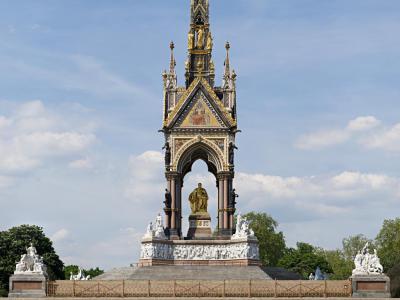
Inaugurated in 1876 under the architectural direction of George Gilbert Scott, the Albert Memorial, located on the southern edge of Kensington Gardens, serves as both a tribute to the remarkable accomplishments of the United Kingdom and as a commemoration of Queen Victoria's consort. Prince Albert, who tragically succumbed to typhoid in 1861 at the age of 42, is portrayed beneath the central canopy of the memorial, covered entirely in gold leaf and holding a catalog from the 1851 Great Exhibition.
The grandeur of this monument is truly impressive: its spire reaches a towering height of 180 feet, adorned with semiprecious stones and various marbles. A marble frieze encircles the pediment, featuring 169 life-sized male figures in high relief, representing poets, musicians, painters, architects, and sculptors from ancient Egypt onward. Atop the pillars stand bronze statues symbolizing Astronomy, Chemistry, Geology, and Geometry. Bronze statues symbolizing Astronomy, Chemistry, Geology, and Geometry crown the pillars, while mosaics depict Poetry, Painting, Architecture, and Sculpture. Four exterior marble groupings represent the continents, and various other statues pay tribute to Agriculture, Commerce, and other facets of imperial economics.
For those exploring Kensington Gardens, the Albert Memorial is accessible at any time during the park's operational hours (6am to 7:30pm); however, those desiring a closer look at the frieze or access inside the memorial railings will need to participate in a guided tour.
The grandeur of this monument is truly impressive: its spire reaches a towering height of 180 feet, adorned with semiprecious stones and various marbles. A marble frieze encircles the pediment, featuring 169 life-sized male figures in high relief, representing poets, musicians, painters, architects, and sculptors from ancient Egypt onward. Atop the pillars stand bronze statues symbolizing Astronomy, Chemistry, Geology, and Geometry. Bronze statues symbolizing Astronomy, Chemistry, Geology, and Geometry crown the pillars, while mosaics depict Poetry, Painting, Architecture, and Sculpture. Four exterior marble groupings represent the continents, and various other statues pay tribute to Agriculture, Commerce, and other facets of imperial economics.
For those exploring Kensington Gardens, the Albert Memorial is accessible at any time during the park's operational hours (6am to 7:30pm); however, those desiring a closer look at the frieze or access inside the memorial railings will need to participate in a guided tour.
10) Royal Albert Hall
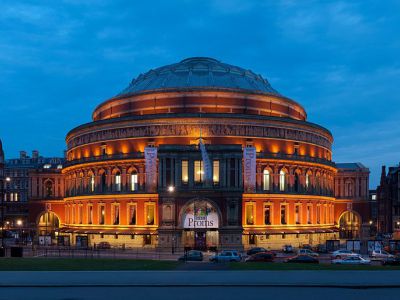
After the funds raised upon the death of the Prince Consort in 1861 were used for the nearby Albert Memorial instead, significant efforts led by Henry Cole, who had collaborated with the Prince on the Great Exhibition, were required to secure funding for the completion of the Royal Albert Hall. Plans for this magnificent auditorium with its iron and glass dome had been designed while the Prince was still alive, featuring an exterior made of red brick, terracotta, and marble, which had already become a signature of South Kensington's architectural style. Eventually finished in 1871, the hall has hosted a wide range of events, from Miss World competitions to pop concerts, and it remains the primary venue for London's annual BBC Promenade Concerts (commonly known as the Proms), held from July to September.
The rounded auditorium, with a seating capacity of 5,272, boasts an exterior made of terra-cotta adorned with a mosaic frieze known as "The Triumph of Arts and Letters", portraying individuals involved in cultural activities. Numerous visitors take leisurely walks around its circumference to appreciate the architectural beauty and immerse themselves in the atmosphere. For those interested in experiencing the interior, there are several choices available, such as reserving a guided tour, attending a live performance, or enjoying a meal at one of the venue's dining establishments.
The rounded auditorium, with a seating capacity of 5,272, boasts an exterior made of terra-cotta adorned with a mosaic frieze known as "The Triumph of Arts and Letters", portraying individuals involved in cultural activities. Numerous visitors take leisurely walks around its circumference to appreciate the architectural beauty and immerse themselves in the atmosphere. For those interested in experiencing the interior, there are several choices available, such as reserving a guided tour, attending a live performance, or enjoying a meal at one of the venue's dining establishments.
11) Kensington High Street
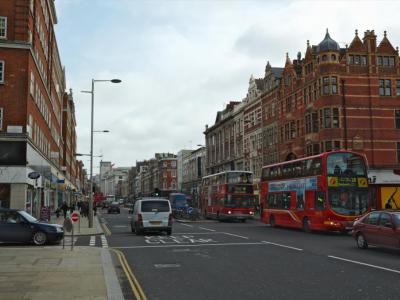
The heart of Kensington village used to revolve around Church Street, but in the 19th century, as the area evolved into a residential suburb, the commercial hub shifted to Kensington High Street. Better known as High Street Ken, it currently stands as one of the primary shopping destinations in the western part of London.
A visit to the Kensington district wouldn't be complete without a leisurely stroll along this iconic street, defined architecturally by two prominent landmarks: George Gilbert Scott's neo-Gothic Saint Mary Abbots church, boasting a towering 278-foot spire that ranks it as London's tallest parish church, and the Art Deco masterpiece that was once Barkers department store, elegantly refurbished in the 1930s and now home to various chain stores, while still proudly displaying its large block lettering on its façade.
In addition to its retail and dining establishments, Kensington High Street is home to the Design Museum, which is worth a visit not only for its exhibitions but also for its striking interior design. The interior surpasses the exterior in terms of visual impact, featuring geometric lines, spacious open areas, and a remarkable saddle-shaped roof resembling a concrete wave cascading from above and gently touching the walls. Adjacent, you'll find the Leighton House Museum, meticulously preserved with its opulent decorations, serving as an extraordinary testament to the Victorian aesthetics embodied by Leighton himself.
A visit to the Kensington district wouldn't be complete without a leisurely stroll along this iconic street, defined architecturally by two prominent landmarks: George Gilbert Scott's neo-Gothic Saint Mary Abbots church, boasting a towering 278-foot spire that ranks it as London's tallest parish church, and the Art Deco masterpiece that was once Barkers department store, elegantly refurbished in the 1930s and now home to various chain stores, while still proudly displaying its large block lettering on its façade.
In addition to its retail and dining establishments, Kensington High Street is home to the Design Museum, which is worth a visit not only for its exhibitions but also for its striking interior design. The interior surpasses the exterior in terms of visual impact, featuring geometric lines, spacious open areas, and a remarkable saddle-shaped roof resembling a concrete wave cascading from above and gently touching the walls. Adjacent, you'll find the Leighton House Museum, meticulously preserved with its opulent decorations, serving as an extraordinary testament to the Victorian aesthetics embodied by Leighton himself.
12) Kensington Palace
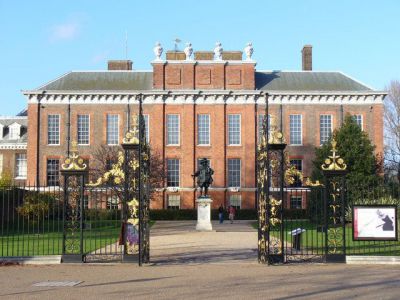
This sight presents a unique opportunity to gain insight into the more personal and domestic facets of royal life. Unlike the imposing Buckingham Palace or the charming Hampton Court, Kensington Palace possesses a distinct character as a sort of royal family commune, with various close relatives of the Queen inhabiting spacious apartments within its private section. In 1689, Queen Mary and King William III acquired the existing modest mansion as a country retreat, and they commissioned Sir Christopher Wren to transform it into a palace. Over the years, young royal families have chosen it as their residence. Princess Diana resided here with her sons following her divorce, while Prince Harry shared a cottage on the palace grounds with Meghan Markle before their marriage.
While the State Apartments are open to the public, the Queen's portion serve as the private quarters of Queen Mary II, who jointly ruled with her husband, William II. In contrast, the opulent King's State Apartments, originally constructed for George I, are a splendid ensemble of rooms where Georgian monarchs hosted courtiers, politicians, and foreign dignitaries. Particular highlights include the King's Staircase, adorned with a panoramic trompe-l'oeil painting, and the King's Gallery, featuring royal artworks framed by rich red damask walls, intricate gilding, and a splendid painted ceiling. An ongoing exhibition, "Victoria Revealed", delves into the personal life of Queen Victoria, who was born and raised here, whereas a temporary exhibition explores the portrayal of royal family life through photographs.
The palace's exterior is nearly as enchanting as its interior. Visitors can choose to picnic on one of the benches or indulge in a meal at the Baroque Orangery, which offers both lunch and an elegant Afternoon Tea. For a more casual dining experience, there are cafés located in the Italian Gardens and along the Broad Walk.
While the State Apartments are open to the public, the Queen's portion serve as the private quarters of Queen Mary II, who jointly ruled with her husband, William II. In contrast, the opulent King's State Apartments, originally constructed for George I, are a splendid ensemble of rooms where Georgian monarchs hosted courtiers, politicians, and foreign dignitaries. Particular highlights include the King's Staircase, adorned with a panoramic trompe-l'oeil painting, and the King's Gallery, featuring royal artworks framed by rich red damask walls, intricate gilding, and a splendid painted ceiling. An ongoing exhibition, "Victoria Revealed", delves into the personal life of Queen Victoria, who was born and raised here, whereas a temporary exhibition explores the portrayal of royal family life through photographs.
The palace's exterior is nearly as enchanting as its interior. Visitors can choose to picnic on one of the benches or indulge in a meal at the Baroque Orangery, which offers both lunch and an elegant Afternoon Tea. For a more casual dining experience, there are cafés located in the Italian Gardens and along the Broad Walk.
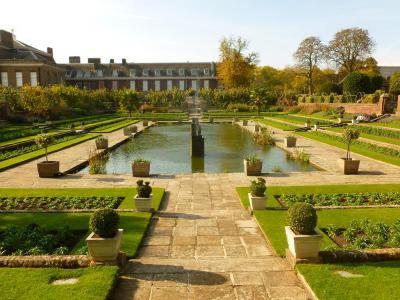
13) Kensington Gardens
Established in 1689 under the direction of William III, who entrusted Sir Christopher Wren with the task of constructing Kensington Palace, these gardens serve as a formal counterpart to the nearby Hyde Park and were opened to the public in 1841. They exude quite a delightful atmosphere, beginning with the 1912 statue of Peter Pan, a fictional character created by J. M. Barrie, who is depicted playing his pipes for the bronze fairies and animals clinging to the column below. The Diana Memorial Playground, also designed with inspiration from Barrie's book, provides another magical experience for children.
A noteworthy attraction within the gardens is the Elfin Oak, a 900-year-old tree trunk adorned with numerous intricate carvings of elves, fairies, and other imaginative creations, all painstakingly added during the 1920s. Additionally, the Italian Gardens, a decorative water garden commissioned by Prince Albert in 1860, comprises several ornamental ponds and fountains, complete with a charming on-site café, while the Round Pond, constructed in 1728, is often bustling with model boats, operated by enthusiasts of all ages.
Lastly, in the northern region near Lancaster Gate, you'll discover a dogs' cemetery established in 1880 by the then Duke of Cambridge.
A noteworthy attraction within the gardens is the Elfin Oak, a 900-year-old tree trunk adorned with numerous intricate carvings of elves, fairies, and other imaginative creations, all painstakingly added during the 1920s. Additionally, the Italian Gardens, a decorative water garden commissioned by Prince Albert in 1860, comprises several ornamental ponds and fountains, complete with a charming on-site café, while the Round Pond, constructed in 1728, is often bustling with model boats, operated by enthusiasts of all ages.
Lastly, in the northern region near Lancaster Gate, you'll discover a dogs' cemetery established in 1880 by the then Duke of Cambridge.
