

Audio Guide: Albufeira Introduction Walking Tour (Self Guided), Albufeira
Albufeira is one of the Algarve’s oldest settlements, its history closely tied to the coast, fishing, and successive waves of conquest. The town’s name derives from the Arabic al-Buḥayra, meaning “the lagoon” or “the small sea,” a reference to the sheltered waters and coastal inlets that once defined the area.
Long before the arrival of the Moors, the region was inhabited by prehistoric communities and later influenced by Phoenician traders navigating the Atlantic coast. Under Roman rule, nearby coastal settlements supported fishing, agriculture, and maritime trade, though Albufeira itself remained a modest outpost rather than a major port. Archaeological traces suggest Roman villas and fish-processing activities in the surrounding area.
From the 8th century onward, Albufeira became part of al-Andalus, developing into a fortified hilltop town overlooking the sea. Agriculture, fishing, and coastal trade sustained the town, while its natural harbour provided shelter for small vessels.
In 1249, Albufeira was taken by Portuguese forces during the Christian Reconquest under King Afonso III. Unlike some Algarve towns that rapidly expanded afterward, Albufeira remained relatively small and economically modest. Its population continued to rely mainly on fishing, salt production, and small-scale agriculture, while the old Moorish layout still defined daily life.
The town suffered repeated hardships in the early modern period. Pirate raids along the Algarve coast posed constant threats, and in 1755 the catastrophic earthquake and tsunami devastated Albufeira almost entirely, killing much of the population and destroying large sections of the town. Reconstruction was slow, and for centuries Albufeira remained a quiet community with limited regional influence.
Only in the second half of the 20th century did Albufeira undergo dramatic change. Tourism altered the town’s fate, transforming its whitewashed houses, beaches, and cliffs into one of Portugal’s most visited destinations. Despite this transformation, the historic centre still preserves traces of its layered past, from Moorish street patterns to post-earthquake rebuilding.
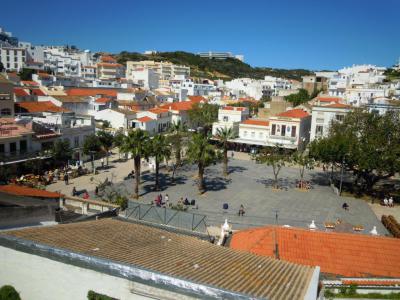
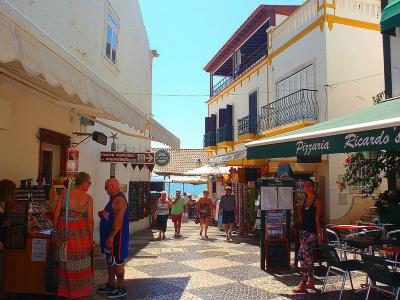
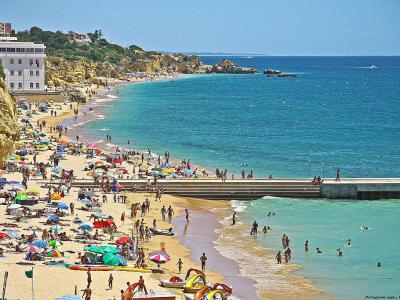
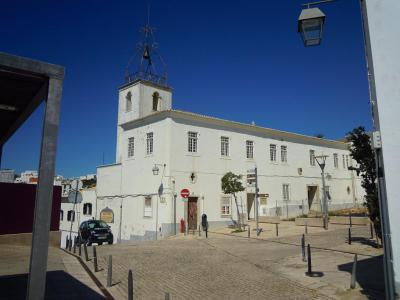
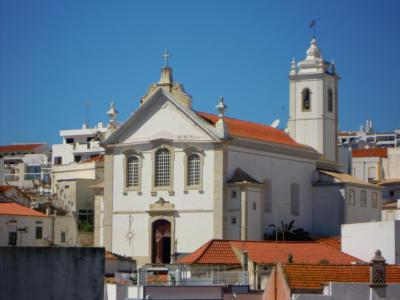
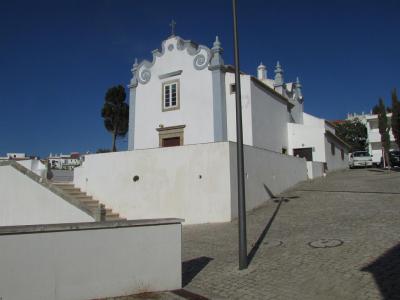
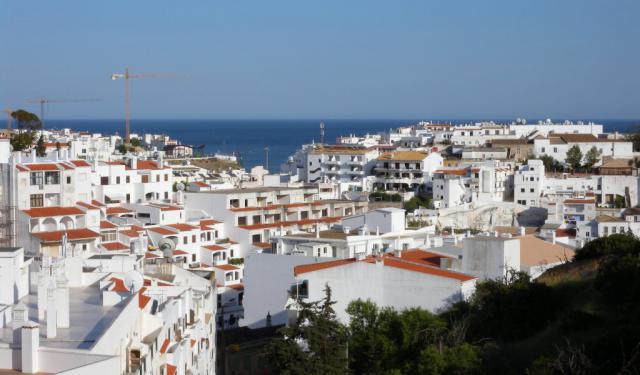
Walking through Albufeira’s old town leads you along narrow, sloping streets shaped by Moorish planning, opening onto small squares such as Old Town Square and lined with whitewashed houses trimmed with stone and tile. The route passes the Clock Tower, traditional churches, and viewpoints above Fishermen’s Beach. Cafés, local shops, and terraces line the way, while frequent glimpses of cliffs, sand, and Atlantic water anchor the town firmly to its coastal setting.
After centuries of survival and reinvention, Albufeira stands ready to be explored-not as a polished façade, but as a town shaped by resilience, memory, and the sea.
Long before the arrival of the Moors, the region was inhabited by prehistoric communities and later influenced by Phoenician traders navigating the Atlantic coast. Under Roman rule, nearby coastal settlements supported fishing, agriculture, and maritime trade, though Albufeira itself remained a modest outpost rather than a major port. Archaeological traces suggest Roman villas and fish-processing activities in the surrounding area.
From the 8th century onward, Albufeira became part of al-Andalus, developing into a fortified hilltop town overlooking the sea. Agriculture, fishing, and coastal trade sustained the town, while its natural harbour provided shelter for small vessels.
In 1249, Albufeira was taken by Portuguese forces during the Christian Reconquest under King Afonso III. Unlike some Algarve towns that rapidly expanded afterward, Albufeira remained relatively small and economically modest. Its population continued to rely mainly on fishing, salt production, and small-scale agriculture, while the old Moorish layout still defined daily life.
The town suffered repeated hardships in the early modern period. Pirate raids along the Algarve coast posed constant threats, and in 1755 the catastrophic earthquake and tsunami devastated Albufeira almost entirely, killing much of the population and destroying large sections of the town. Reconstruction was slow, and for centuries Albufeira remained a quiet community with limited regional influence.
Only in the second half of the 20th century did Albufeira undergo dramatic change. Tourism altered the town’s fate, transforming its whitewashed houses, beaches, and cliffs into one of Portugal’s most visited destinations. Despite this transformation, the historic centre still preserves traces of its layered past, from Moorish street patterns to post-earthquake rebuilding.
Walking through Albufeira’s old town leads you along narrow, sloping streets shaped by Moorish planning, opening onto small squares such as Old Town Square and lined with whitewashed houses trimmed with stone and tile. The route passes the Clock Tower, traditional churches, and viewpoints above Fishermen’s Beach. Cafés, local shops, and terraces line the way, while frequent glimpses of cliffs, sand, and Atlantic water anchor the town firmly to its coastal setting.
After centuries of survival and reinvention, Albufeira stands ready to be explored-not as a polished façade, but as a town shaped by resilience, memory, and the sea.
How it works: Download the app "GPSmyCity: Walks in 1K+ Cities" from Apple App Store or Google Play Store to your mobile phone or tablet. The app turns your mobile device into a personal tour guide and its built-in GPS navigation functions guide you from one tour stop to next. The app works offline, so no data plan is needed when traveling abroad.
Download The GPSmyCity App



Albufeira Introduction Walking Tour Map
Guide Name: Albufeira Introduction Walking Tour
Guide Location: Portugal » Albufeira (See other walking tours in Albufeira)
Guide Type: Self-guided Walking Tour (Sightseeing)
Tour Duration: 2 Hours
Travel Distance: 2.5 Km or 1.6 Miles
Tour Best Suited For: First-time visit
Guide Location: Portugal » Albufeira (See other walking tours in Albufeira)
Guide Type: Self-guided Walking Tour (Sightseeing)
Tour Duration: 2 Hours
Travel Distance: 2.5 Km or 1.6 Miles
Tour Best Suited For: First-time visit