

Bayeux Introduction Walking Tour (Self Guided), Bayeux
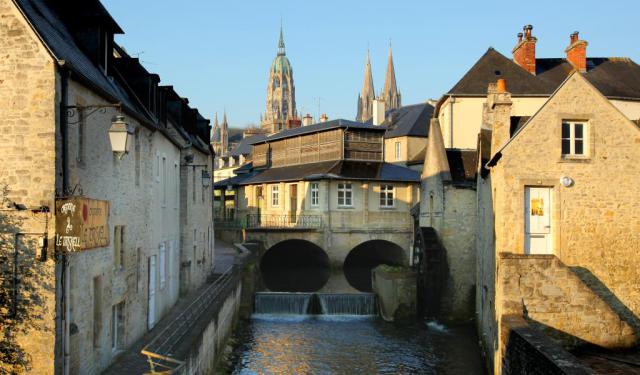
Bayeux, a city with a tumultuous past, has witnessed the ebb and flow of civilizations, each leaving an indelible mark on its landscape and identity. As such, Bayeux is full of resources: cultural, culinary, historical, and even botanical, with no shortage of possibilities to spend a quality weekend or even several days!
Founded in the 1st century BC, Bayeux served as the capital of the local Celtic tribe, Bodiocassi, whose name was possibly related to the Old Irish term Buidechass meaning “with blond locks.” Originally known as Augustodurum in the Roman Empire, which means the “door“ or “gate“ dedicated to Roman Emperor Augustus, the town later adopted the name of Bodiocassi, which ultimately evolved into Bayeux.
Bayeux became a significant city in Normandy, strategically positioned for coastal defense against regional pirates, with a Roman legion stationed here. Having endured Viking raids in the 9th century, it eventually flourished as a center of Norman culture.
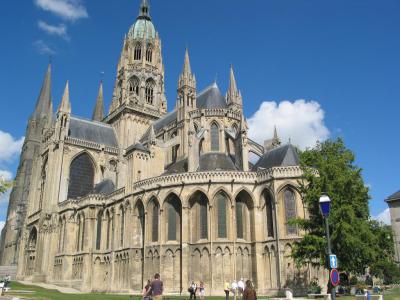
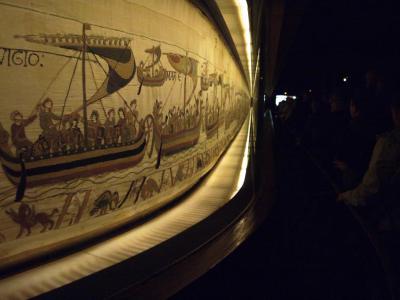
The 11th century marked the city's expansion and saw the completion of the renowned Notre Dame Cathedral by William the Conqueror's half-brother Odo. This period also saw the creation of the famous Bayeux Tapestry, an embroidered masterpiece depicting the Norman Conquest of England in 1066, currently displayed at the Bayeux Tapestry Museum.
Despite periods of decline, including devastation by Henry I of England, Bayeux regained prominence under Richard the Lionheart and later saw prosperity after being recaptured, in the 15th century, by Charles VII of France following the Hundred Years' War. This resurgence led to the construction of numerous stone mansions, signaling a return to prosperity.
The area around Bayeux was the bailiwick of the Normandy province until the French Revolution. During World War Two, Bayeux was the first major city liberated by Allied forces during Operation Overlord. In June 1944, General Charles de Gaulle made two major speeches in Bayeux outlining France's siding with the Allies.
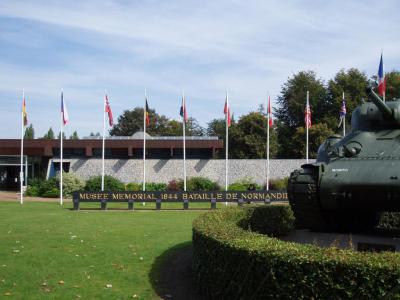
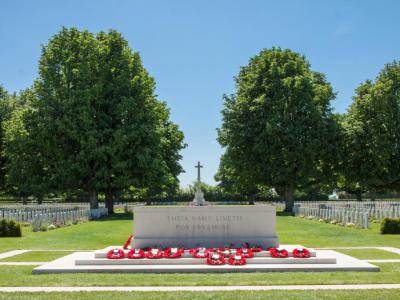
The Memorial Museum of The Battle of Normandy commemorates the heroic efforts of Allied forces during the Battle. The Bayeux War Cemetery is the largest British cemetery dating from the Second World War in France. Most of those buried there were killed during the invasion of Normandy.
Whether you're drawn to its storied past, cultural offerings, or natural beauty, Bayeux promises an unforgettable experience steeped in history and tradition. Come wander its cobblestone streets, immerse yourself in its vibrant tapestry of life, and discover the timeless allure of this enchanting French town.
Founded in the 1st century BC, Bayeux served as the capital of the local Celtic tribe, Bodiocassi, whose name was possibly related to the Old Irish term Buidechass meaning “with blond locks.” Originally known as Augustodurum in the Roman Empire, which means the “door“ or “gate“ dedicated to Roman Emperor Augustus, the town later adopted the name of Bodiocassi, which ultimately evolved into Bayeux.
Bayeux became a significant city in Normandy, strategically positioned for coastal defense against regional pirates, with a Roman legion stationed here. Having endured Viking raids in the 9th century, it eventually flourished as a center of Norman culture.
The 11th century marked the city's expansion and saw the completion of the renowned Notre Dame Cathedral by William the Conqueror's half-brother Odo. This period also saw the creation of the famous Bayeux Tapestry, an embroidered masterpiece depicting the Norman Conquest of England in 1066, currently displayed at the Bayeux Tapestry Museum.
Despite periods of decline, including devastation by Henry I of England, Bayeux regained prominence under Richard the Lionheart and later saw prosperity after being recaptured, in the 15th century, by Charles VII of France following the Hundred Years' War. This resurgence led to the construction of numerous stone mansions, signaling a return to prosperity.
The area around Bayeux was the bailiwick of the Normandy province until the French Revolution. During World War Two, Bayeux was the first major city liberated by Allied forces during Operation Overlord. In June 1944, General Charles de Gaulle made two major speeches in Bayeux outlining France's siding with the Allies.
The Memorial Museum of The Battle of Normandy commemorates the heroic efforts of Allied forces during the Battle. The Bayeux War Cemetery is the largest British cemetery dating from the Second World War in France. Most of those buried there were killed during the invasion of Normandy.
Whether you're drawn to its storied past, cultural offerings, or natural beauty, Bayeux promises an unforgettable experience steeped in history and tradition. Come wander its cobblestone streets, immerse yourself in its vibrant tapestry of life, and discover the timeless allure of this enchanting French town.
How it works: Download the app "GPSmyCity: Walks in 1K+ Cities" from Apple App Store or Google Play Store to your mobile phone or tablet. The app turns your mobile device into a personal tour guide and its built-in GPS navigation functions guide you from one tour stop to next. The app works offline, so no data plan is needed when traveling abroad.
Download The GPSmyCity App



Bayeux Introduction Walking Tour Map
Guide Name: Bayeux Introduction Walking Tour
Guide Location: France » Bayeux (See other walking tours in Bayeux)
Guide Type: Self-guided Walking Tour (Sightseeing)
Tour Duration: 2 Hours
Travel Distance: 2.6 Km or 1.6 Miles
Tour Best Suited For: First-time visit
Guide Location: France » Bayeux (See other walking tours in Bayeux)
Guide Type: Self-guided Walking Tour (Sightseeing)
Tour Duration: 2 Hours
Travel Distance: 2.6 Km or 1.6 Miles
Tour Best Suited For: First-time visit
Sights Featured in This Walk


City Walks Overview
