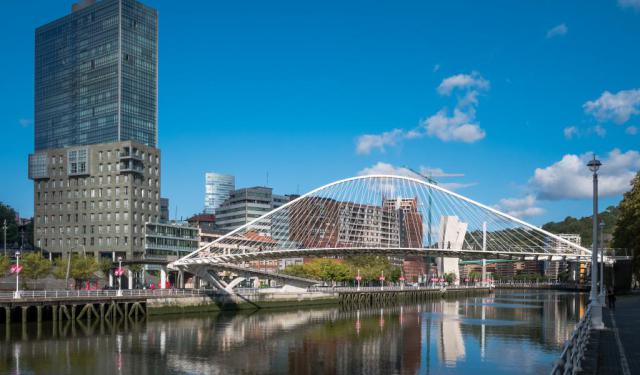


Audio Guide: Bilbao Introduction Walking Tour (Self Guided), Bilbao
Officially founded in 1300 AD by the Lord of Biscay, Bilbao began as a small port settlement. Its sheltered estuary allowed ships to load wool, iron, and other goods bound for northern Europe, while merchants imported salt, wine, and luxury items. The name "Bilbao" likely comes from the Basque words bil, meaning "settlement," and bao, meaning "estuary"-a fitting description for a town that grew where the Nervión River meets the Bay of Biscay.
During the late Middle Ages and Renaissance, Bilbao expanded into a bustling mercantile center. The city’s Consulate, established in the 16th century, regulated trade and gave Bilbao’s merchants considerable influence throughout the region. Maritime trade also brought cosmopolitan influences from Flanders, England, and beyond.
The 19th century marked Bilbao’s industrial leap. Rich iron deposits in the surrounding hills powered blast furnaces, shipbuilding, and factories. Banks and railways soon followed. The Spanish Civil War left deep scars: in 1937, Bilbao fell to Franco’s forces after heavy bombardment. Under the dictatorship, the city endured repression, even as its industries continued to drive the economy.
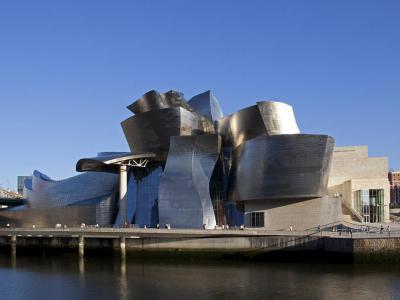
By the late 20th century, Bilbao faced crisis. The collapse of the steel and shipbuilding industries left behind unemployment, pollution, and a decaying waterfront. Reinvention came in the 1990s through ambitious urban renewal projects. The most dramatic symbol of this new era arrived in 1997 with the opening of the Guggenheim Museum. Its gleaming titanium curves along the riverfront became an icon of contemporary architecture and marked Bilbao’s transformation from industrial powerhouse to cultural capital.
Bilbao is a city of contrasts, shaped by centuries of commerce, war, industry, and innovation. The left bank of the river once echoed with factory noise and housed the working class. Across the water, the right bank holds the heart of the Old Town-the "Seven Streets"-where 700 years of architecture blend Gothic, Art Nouveau, Art Deco, Neo-Gothic, Romanesque, and Renaissance styles.
To experience Bilbao’s soul, you must walk it. From the elegance of Gran Vía to the hidden alleys of the Old Town, from the buzzing Ribera Market to the tranquil riverbanks, each step tells a part of the city's story. The Catholic Monarchs once called Bilbao “Very Noble” and “Very Loyal,” and after centuries of change, it remains both. Now, with map in hand and curiosity in tow, you’re ready to discover why some might say - Bilbao is truly remarkable.
During the late Middle Ages and Renaissance, Bilbao expanded into a bustling mercantile center. The city’s Consulate, established in the 16th century, regulated trade and gave Bilbao’s merchants considerable influence throughout the region. Maritime trade also brought cosmopolitan influences from Flanders, England, and beyond.
The 19th century marked Bilbao’s industrial leap. Rich iron deposits in the surrounding hills powered blast furnaces, shipbuilding, and factories. Banks and railways soon followed. The Spanish Civil War left deep scars: in 1937, Bilbao fell to Franco’s forces after heavy bombardment. Under the dictatorship, the city endured repression, even as its industries continued to drive the economy.
By the late 20th century, Bilbao faced crisis. The collapse of the steel and shipbuilding industries left behind unemployment, pollution, and a decaying waterfront. Reinvention came in the 1990s through ambitious urban renewal projects. The most dramatic symbol of this new era arrived in 1997 with the opening of the Guggenheim Museum. Its gleaming titanium curves along the riverfront became an icon of contemporary architecture and marked Bilbao’s transformation from industrial powerhouse to cultural capital.
Bilbao is a city of contrasts, shaped by centuries of commerce, war, industry, and innovation. The left bank of the river once echoed with factory noise and housed the working class. Across the water, the right bank holds the heart of the Old Town-the "Seven Streets"-where 700 years of architecture blend Gothic, Art Nouveau, Art Deco, Neo-Gothic, Romanesque, and Renaissance styles.
To experience Bilbao’s soul, you must walk it. From the elegance of Gran Vía to the hidden alleys of the Old Town, from the buzzing Ribera Market to the tranquil riverbanks, each step tells a part of the city's story. The Catholic Monarchs once called Bilbao “Very Noble” and “Very Loyal,” and after centuries of change, it remains both. Now, with map in hand and curiosity in tow, you’re ready to discover why some might say - Bilbao is truly remarkable.
How it works: Download the app "GPSmyCity: Walks in 1K+ Cities" from Apple App Store or Google Play Store to your mobile phone or tablet. The app turns your mobile device into a personal tour guide and its built-in GPS navigation functions guide you from one tour stop to next. The app works offline, so no data plan is needed when traveling abroad.
Download The GPSmyCity App



Bilbao Introduction Walking Tour Map
Guide Name: Bilbao Introduction Walking Tour
Guide Location: Spain » Bilbao (See other walking tours in Bilbao)
Guide Type: Self-guided Walking Tour (Sightseeing)
Tour Duration: 2 Hour(s)
Travel Distance: 4.1 Km or 2.5 Miles
Tour Best Suited For: First-time visit
Guide Location: Spain » Bilbao (See other walking tours in Bilbao)
Guide Type: Self-guided Walking Tour (Sightseeing)
Tour Duration: 2 Hour(s)
Travel Distance: 4.1 Km or 2.5 Miles
Tour Best Suited For: First-time visit
Sights Featured in This Walk
Walking Tours in Bilbao, Spain

Create Your Own Walk in Bilbao
Creating your own self-guided walk in Bilbao is easy and fun. Choose the city attractions that you want to see and a walk route map will be created just for you. You can even set your hotel as the start point of the walk.
Bilbao's Old Town Walking Tour
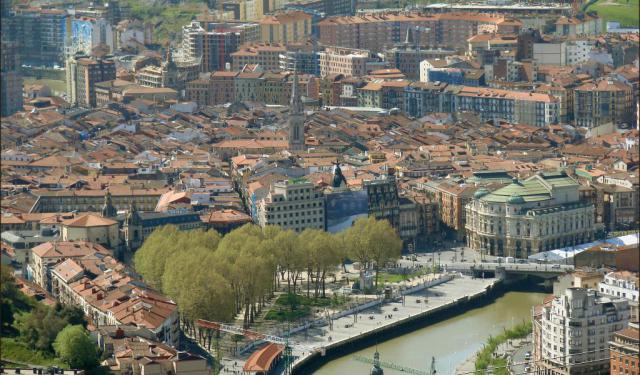
Bilbao's old town, also known as The Seven Streets, is the medieval heart of the city. Indeed, this ancient neighborhood, a place where the city began and which had been fortified by walls until the late 19th century, today consists of seven main streets and many narrow alleys – called cantons (kantoi, cantón) – that connect them.
Often regarded as a jewel of Basque architecture and... view more
Tour Duration: 1 Hour(s)
Travel Distance: 1.6 Km or 1 Miles
Often regarded as a jewel of Basque architecture and... view more
Tour Duration: 1 Hour(s)
Travel Distance: 1.6 Km or 1 Miles
The Most Popular Cities
/ view all