

Casa Manila, Manila (must see)
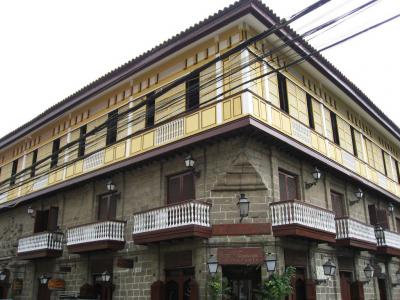
Manila House is an example of the opulence and elegance of Filipino life during the late Spanish colonial era. This living museum is meticulously designed to mirror the lifestyle of a wealthy Filipino family of the 19th century, with a façade inspired by an actual residence that once graced Jaboneros Street in Binondo's Chinese district in the 1850s. The interior of Manila House is a lavish display of late 19th-century taste, adorned with European and Chinese furniture, painted walls, crystal chandeliers, carved traceries, Chinese ceramics, and gilded furnishings, all contributing to the grandeur and luxury that characterized Manila houses of that period.
Spanning three floors, Manila House offers visitors a comprehensive glimpse into its historical past. The ground floor introduces the Main Gate, a heavy wooden gate leading to a corridor, designed for carriages, to pass through to the patio where passengers were dropped off. This patio, paved in granite and adorned with flowers, features a large fountain and windows that bathe the space in natural light. The presence of a stable, where the owner’s carriages were kept, signifies the wealth and social status of the family, with the size of one's carriage directly correlating to their societal standing.
The first floor houses the office, library, and a safe for storing valuables, alongside bedrooms designated for siesta use. Ascending to the third floor, visitors find the anteroom, a casual space for snacks, games, and smoking. Adjacent is the living room, crafted from hardwood with ample space for relaxation and social gatherings, its windows strategically placed to optimize sunlight blockage and ventilation. Additionally, this floor includes a prayer room for the Catholic family and bedrooms for family members, rounding off the immersive experience of 19th-century Manila living.
Spanning three floors, Manila House offers visitors a comprehensive glimpse into its historical past. The ground floor introduces the Main Gate, a heavy wooden gate leading to a corridor, designed for carriages, to pass through to the patio where passengers were dropped off. This patio, paved in granite and adorned with flowers, features a large fountain and windows that bathe the space in natural light. The presence of a stable, where the owner’s carriages were kept, signifies the wealth and social status of the family, with the size of one's carriage directly correlating to their societal standing.
The first floor houses the office, library, and a safe for storing valuables, alongside bedrooms designated for siesta use. Ascending to the third floor, visitors find the anteroom, a casual space for snacks, games, and smoking. Adjacent is the living room, crafted from hardwood with ample space for relaxation and social gatherings, its windows strategically placed to optimize sunlight blockage and ventilation. Additionally, this floor includes a prayer room for the Catholic family and bedrooms for family members, rounding off the immersive experience of 19th-century Manila living.
Want to visit this sight? Check out these Self-Guided Walking Tours in Manila. Alternatively, you can download the mobile app "GPSmyCity: Walks in 1K+ Cities" from Apple App Store or Google Play Store. The app turns your mobile device to a personal tour guide and it works offline, so no data plan is needed when traveling abroad.
Download The GPSmyCity App



Casa Manila on Map
Sight Name: Casa Manila
Sight Location: Manila, Philippines (See walking tours in Manila)
Sight Type: Museum/Gallery
Guide(s) Containing This Sight:
Sight Location: Manila, Philippines (See walking tours in Manila)
Sight Type: Museum/Gallery
Guide(s) Containing This Sight:
Nearby Sights
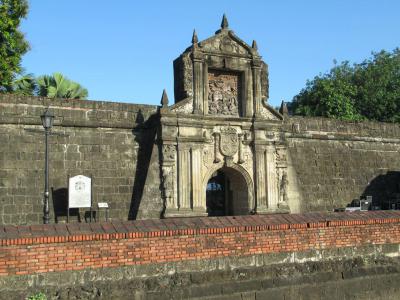
Walking Tours in Manila, Philippines

Create Your Own Walk in Manila
Creating your own self-guided walk in Manila is easy and fun. Choose the city attractions that you want to see and a walk route map will be created just for you. You can even set your hotel as the start point of the walk.
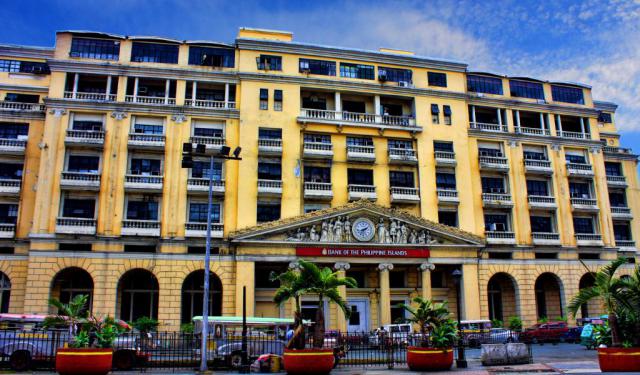
Historical Buildings Walking Tour
Every city tells a story, but few have witnessed as many triumphs and tragedies as Manila. Behind these façades lie the chapters of empire, revolution, war, and rebirth. As José Rizal wisely observed, 'To foretell the destiny of a nation, it is necessary to open the book that tells of her past.'
The historic buildings of Manila tell the story of more than four centuries of... view more
Tour Duration: 2 Hours
Travel Distance: 3.3 Km or 2.1 Miles
The historic buildings of Manila tell the story of more than four centuries of... view more
Tour Duration: 2 Hours
Travel Distance: 3.3 Km or 2.1 Miles
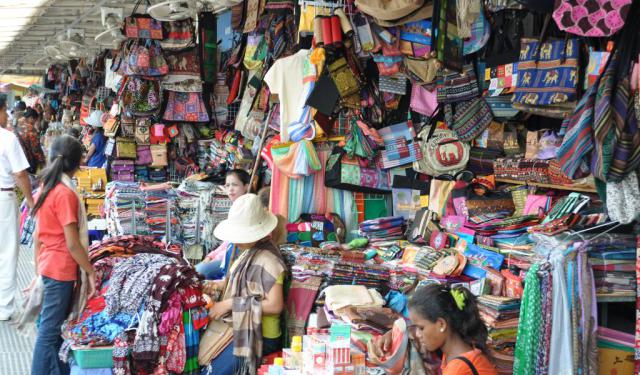
Traditional Markets
Traditional markets showcase a unique aspect of life in any city. The ones featured in this walk offer a glance into the authentic life and habits of Manila’s people and play a vital role in the Philippines' capital's economic and cultural landscape. Traditionally, local markets sell a broader range of products than regular shops can provide: from veggies and fruits to dried fish and... view more
Tour Duration: 1 Hour
Travel Distance: 3 Km or 1.9 Miles
Tour Duration: 1 Hour
Travel Distance: 3 Km or 1.9 Miles
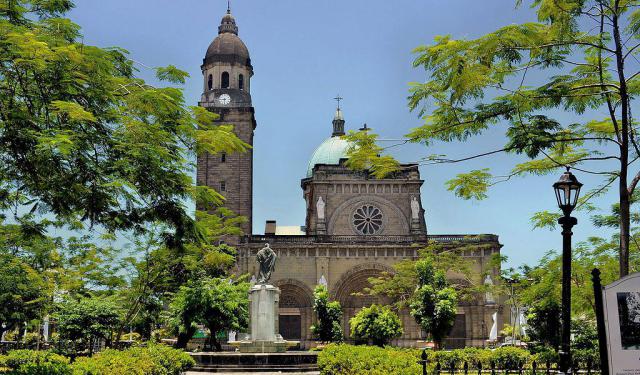
Manila Old Town (Intramuros) Walking Tour
For centuries, travelers arrived here searching for the 'Pearl of the Orient.' Behind these walls lies a city where Asian kingdoms, Spanish conquistadors, American planners, and Filipino revolutionaries all left their mark.
Manila, the capital of the Philippines, is one of Southeast Asia's oldest continuously inhabited cities and has served for centuries as the country's... view more
Tour Duration: 2 Hours
Travel Distance: 2.3 Km or 1.4 Miles
Manila, the capital of the Philippines, is one of Southeast Asia's oldest continuously inhabited cities and has served for centuries as the country's... view more
Tour Duration: 2 Hours
Travel Distance: 2.3 Km or 1.4 Miles
Useful Travel Guides for Planning Your Trip
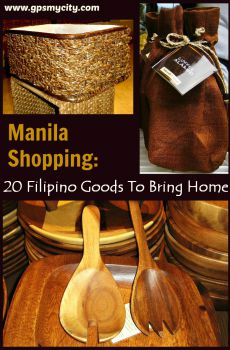
Manila Shopping: 20 Filipino Goods To Bring Home
An archipelago of 7,000+ islands, The Philippines is a diverse nation populated by different tribes, each having their own culture and traditions. In Manila, one can find a whole lot of things worth keeping as a Filipino memento; it just might take one a little while to figure out what's best...
City Walks Overview
