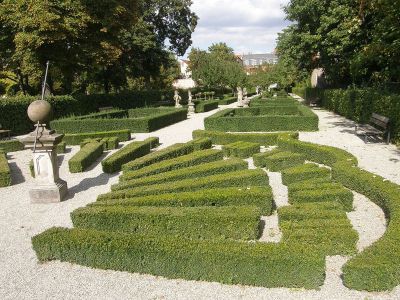


Hesperidengaerten (Baroque Gardens), Nuremberg
The Baroque Gardens (Hesperidengaerten) in Nuremberg offers a fascinating glimpse into the Baroque period, blending mythological heritage with classical garden design. Located just 150 meters south of Peace Church (Friedskirche) in the Saint John's district, these gardens trace their origins back to the Middle Ages, initially established outside the town walls.
Named after the Hesperides, nymphs from Greek mythology, the gardens were historically a site where citrus fruits were cultivated, reminiscent of the "golden apples" guarded by the daughters of Hesperus. This nod to mythology is reflected in the garden’s current array of citrus trees and the classical naming of citrus fruits as hesperidia by 17th and 18th-century scientists, linking them to the mythical golden apples.
The Baroque Gardens are famous for their precise restoration, maintaining the traditional layout and elements typical of 17th and 18th-century formal gardens, commonly referred to as "Nuremberg Hesperiden." This style is heavily influenced by Italian Renaissance and Baroque gardens, characterized by symmetrical patterns, carefully trimmed bushes, and an array of ornamental features including sculptures, a sundial, and multiple fountains. The most notable among these is the Four Seasons Fountain, surrounded by paths that invite visitors to wander and enjoy the serene atmosphere.
Significant efforts have been made to preserve the architectural and horticultural elements of the era, with the bordering residential buildings and garden houses also meticulously restored. Today, the Hesperidengaerten stands as a public space where visitors can appreciate the rich garden culture of the past, evidenced by the numerous statues and fountains that adorn the landscape.
A curious addition to the gardens is a statue of Heracles, famously known for stealing the golden apples guarded by the Hesperides, which adds a touch of irony and mythological flair to the setting. This integration of art, mythology, and historical botany makes the Hesperidengaerten not only a beautiful place to visit but also a significant cultural heritage site in Nuremberg.
Named after the Hesperides, nymphs from Greek mythology, the gardens were historically a site where citrus fruits were cultivated, reminiscent of the "golden apples" guarded by the daughters of Hesperus. This nod to mythology is reflected in the garden’s current array of citrus trees and the classical naming of citrus fruits as hesperidia by 17th and 18th-century scientists, linking them to the mythical golden apples.
The Baroque Gardens are famous for their precise restoration, maintaining the traditional layout and elements typical of 17th and 18th-century formal gardens, commonly referred to as "Nuremberg Hesperiden." This style is heavily influenced by Italian Renaissance and Baroque gardens, characterized by symmetrical patterns, carefully trimmed bushes, and an array of ornamental features including sculptures, a sundial, and multiple fountains. The most notable among these is the Four Seasons Fountain, surrounded by paths that invite visitors to wander and enjoy the serene atmosphere.
Significant efforts have been made to preserve the architectural and horticultural elements of the era, with the bordering residential buildings and garden houses also meticulously restored. Today, the Hesperidengaerten stands as a public space where visitors can appreciate the rich garden culture of the past, evidenced by the numerous statues and fountains that adorn the landscape.
A curious addition to the gardens is a statue of Heracles, famously known for stealing the golden apples guarded by the Hesperides, which adds a touch of irony and mythological flair to the setting. This integration of art, mythology, and historical botany makes the Hesperidengaerten not only a beautiful place to visit but also a significant cultural heritage site in Nuremberg.
Want to visit this sight? Check out these Self-Guided Walking Tours in Nuremberg. Alternatively, you can download the mobile app "GPSmyCity: Walks in 1K+ Cities" from Apple App Store or Google Play Store. The app turns your mobile device to a personal tour guide and it works offline, so no data plan is needed when traveling abroad.
Download The GPSmyCity App



Hesperidengaerten (Baroque Gardens) on Map
Sight Name: Hesperidengaerten (Baroque Gardens)
Sight Location: Nuremberg, Germany (See walking tours in Nuremberg)
Sight Type: Attraction/Landmark
Sight Location: Nuremberg, Germany (See walking tours in Nuremberg)
Sight Type: Attraction/Landmark
Nearby Sights

Walking Tours in Nuremberg, Germany

Create Your Own Walk in Nuremberg
Creating your own self-guided walk in Nuremberg is easy and fun. Choose the city attractions that you want to see and a walk route map will be created just for you. You can even set your hotel as the start point of the walk.
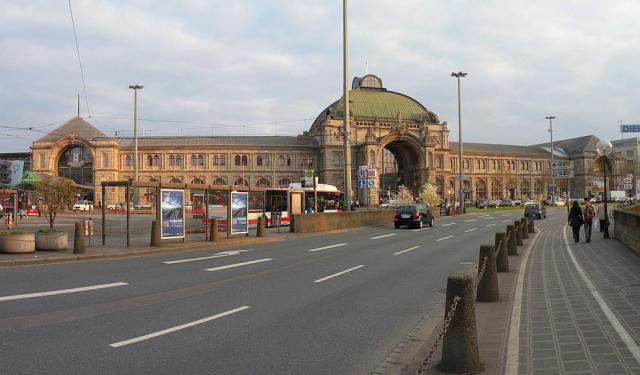
A Walk Through Nuremberg's Historical Old Town
American poet Henry Wadsworth Longfellow described Nuremberg as a “quaint old town of toil and traffic, quaint old town of art and song.”
Nuremberg has witnessed some of the most significant events in German history. For many people, the city is first associated with the rise of the Third Reich, the Nazi Party rallies, and the postwar trials of Nazi leaders. Indeed, Hitler regarded... view more
Tour Duration: 3 Hour(s)
Travel Distance: 3.8 Km or 2.4 Miles
Nuremberg has witnessed some of the most significant events in German history. For many people, the city is first associated with the rise of the Third Reich, the Nazi Party rallies, and the postwar trials of Nazi leaders. Indeed, Hitler regarded... view more
Tour Duration: 3 Hour(s)
Travel Distance: 3.8 Km or 2.4 Miles
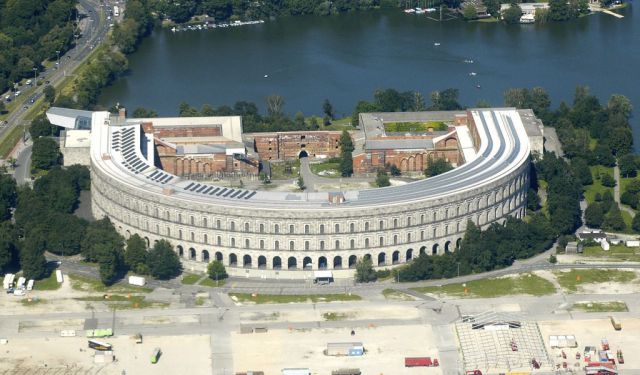
Hitler's Nuremberg Tour
Nuremberg’s association with Adolf Hitler and National Socialism is one of the darkest chapters in the city’s history. Although Nuremberg is known for its medieval architecture and storybook appearance, few German cities are as closely intertwined with the Nazi legacy. Hitler referred to it as the “City of the Party Rallies” and regarded it as a model for the ideal German city.
The... view more
Tour Duration: 2 Hour(s)
Travel Distance: 4.9 Km or 3 Miles
The... view more
Tour Duration: 2 Hour(s)
Travel Distance: 4.9 Km or 3 Miles