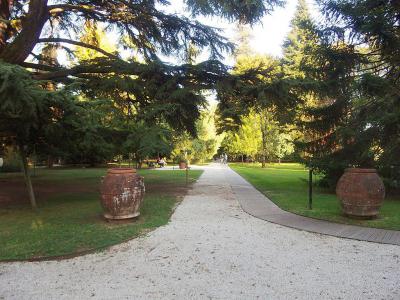


The Botanical Gardens, Lucca
Nestled in the heart of Lucca, the Botanical Garden of Lucca is a green sanctuary spanning two hectares, a peaceful retreat from the city’s historic walls. Founded in 1820 by Maria Luisa of Bourbon, then Duchess of Lucca, this living museum is home to thousands of plant species gathered from around the world, some of which have stood the test of centuries.
One of the garden’s most striking features is its majestic Libano cedar tree, planted in 1822 by Paolo Volpi. Towering 22 meters high and 6 meters wide, this impressive tree has become the garden’s emblem. Other notable giants include magnolias, ginkgo trees, and black pines, some stretching over 30 meters tall.
Botany enthusiasts will find a rich selection of medicinal plants, Ericaceae, hydrophytes, and spontaneous vegetable species traditionally used in the Lucchesia area. The camellia collection is another highlight, adding seasonal splashes of color to the greenery. The Cesare Bicchi Botanical Garden, an annex to the main structure, preserves historical herbariums, including those of Puccinelli and Bicchi, along with botanical materials passed down through generations.
Education plays a key role in the garden’s mission, with a Botanical School offering an accessible guided path for the visually impaired, complete with handrails and Braille signage. A small pond sits at the garden’s center, home to a striking bald cypress, a tree native to Florida’s swamps.
However, the pond is more than just a scenic feature-it harbors one of Lucca’s most chilling legends. The tale of Lucida Mansi tells of a noblewoman who, obsessed with her beauty, struck a deal with the devil to preserve her youth. When the time comes to pay her debt, the devil is said to have dragged her through the city in a flaming chariot, ultimately pulling her into the pond’s dark waters.
Blending botanical wonders with history, legend, and education, the Botanical Garden of Lucca is a must-visit for nature lovers and curious minds alike.
Want to visit this sight? Check out these Self-Guided Walking Tours in Lucca. Alternatively, you can download the mobile app "GPSmyCity: Walks in 1K+ Cities" from Apple App Store or Google Play Store. The app turns your mobile device to a personal tour guide and it works offline, so no data plan is needed when traveling abroad.
Download The GPSmyCity App



The Botanical Gardens on Map
Sight Name: The Botanical Gardens
Sight Location: Lucca, Italy (See walking tours in Lucca)
Sight Type: Attraction/Landmark
Sight Location: Lucca, Italy (See walking tours in Lucca)
Sight Type: Attraction/Landmark
Nearby Sights


Walking Tours in Lucca, Italy
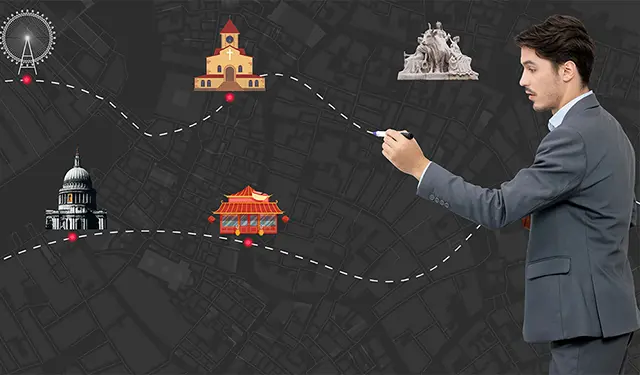
Create Your Own Walk in Lucca
Creating your own self-guided walk in Lucca is easy and fun. Choose the city attractions that you want to see and a walk route map will be created just for you. You can even set your hotel as the start point of the walk.
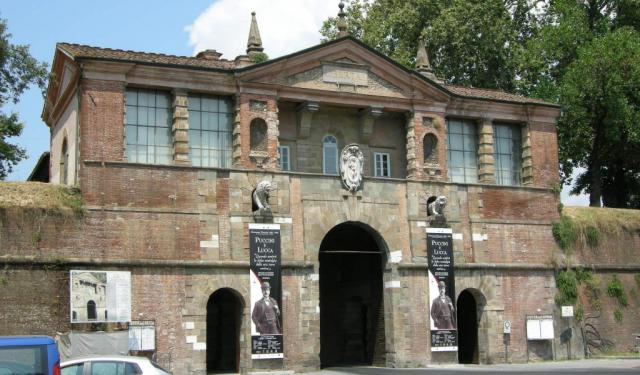
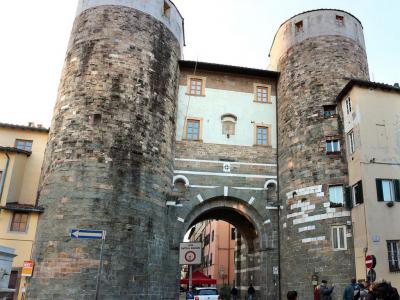
Lucca's City Wall and Gates Walking Tour
Lucca is one of Italy's most celebrated cities of art, renowned for its historic churches, medieval towers, and, above all, its remarkably well-preserved city walls. Encircling the historic center, these impressive fortifications have protected Lucca for centuries and remain one of its most distinctive features.
During the Middle Ages, Lucca's walls stood around 11 to 12 meters high,... view more
Tour Duration: 2 Hours
Travel Distance: 3.7 Km or 2.3 Miles
During the Middle Ages, Lucca's walls stood around 11 to 12 meters high,... view more
Tour Duration: 2 Hours
Travel Distance: 3.7 Km or 2.3 Miles
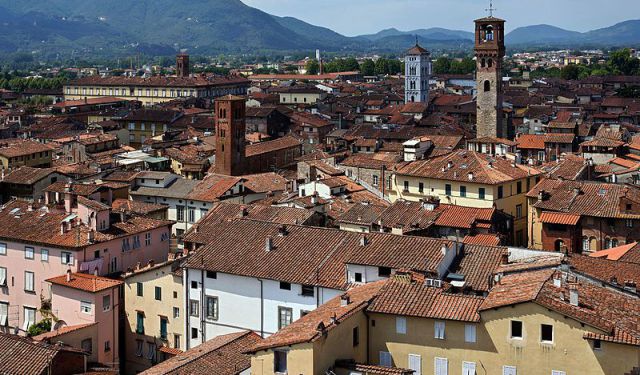
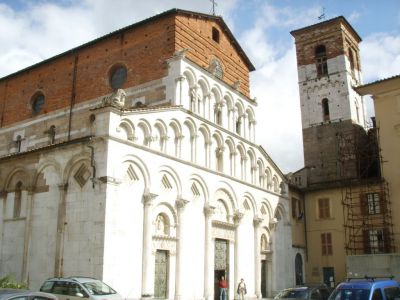
Lucca Old Town Walking Tour
Lucca is known by many names: a city of art, churches, gardens, and towers. But perhaps its most distinctive feature is its remarkable city walls. Fortifications have surrounded Lucca since Roman times, and today, its Renaissance walls remain almost perfectly intact.
Inside the walls, Lucca still follows much of its ancient Roman street plan. Square San Michele occupies the site of the old... view more
Tour Duration: 2 Hours
Travel Distance: 2.9 Km or 1.8 Miles
Inside the walls, Lucca still follows much of its ancient Roman street plan. Square San Michele occupies the site of the old... view more
Tour Duration: 2 Hours
Travel Distance: 2.9 Km or 1.8 Miles
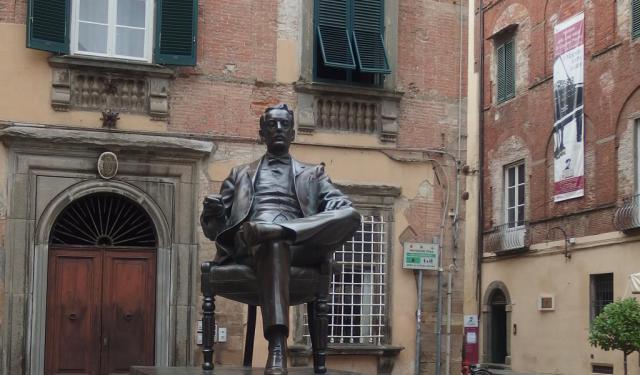
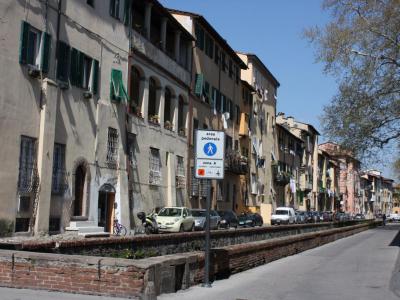
Discover Puccini's Lucca on Foot
One of the greatest musical talents of mankind, Italian composer Giacomo Puccini, was born and spent a substantial part of his life in the Tuscan city of Lucca. Today the legacy of Puccini resonates all over the world and even more so here.
Puccini's ancestors, also musicians, moved to Lucca in 1719. The future maestro was born in a house that had belonged to his family since 1815 - Casa... view more
Tour Duration: 1 Hour
Travel Distance: 1.5 Km or 0.9 Miles
Puccini's ancestors, also musicians, moved to Lucca in 1719. The future maestro was born in a house that had belonged to his family since 1815 - Casa... view more
Tour Duration: 1 Hour
Travel Distance: 1.5 Km or 0.9 Miles
City Walks Overview
