


St Pauli and the Schanzenviertel Street Art, Hamburg, Germany
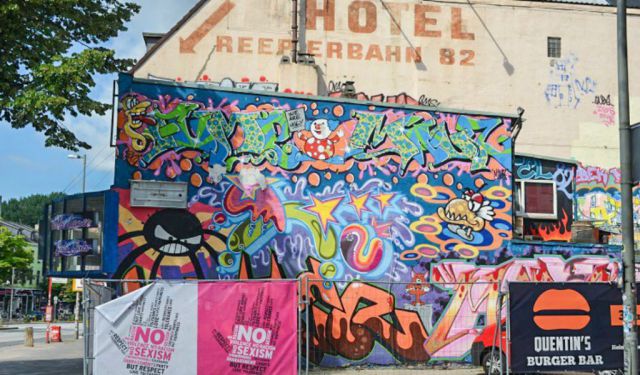
The areas of St Pauli and the Schanzenviertel in Hamburg are well known for their counter-culture. As in so many places, this culture includes music, political awareness, and street art. The street art is abundant, impossible to overlook. But is it art, or is it graffiti? And does the distinction matter?
St Pauli and the Schanzenviertel are neighbouring districts in what was once a working class area. However, the once grand buildings suggest a more prosperous past. And today it is more of a mixed neighbourhood, the streets lined with trendy cafés and independent shops. A vibrant counter-culture developed in the 1960s. The music scene was particularly important, and St Pauli is often associated with The Beatles, who first performed here in 1960. Live music continues to be one of the attractions of the area. The street art is a part of this culture. Scarcely an inch is untouched, every available space covered with brightly coloured images and slogans. Which brings us to the question of whether it really is street art, or whether it should more properly be categorised as graffiti.
Of course, there is no clear line between street art and graffiti. Indeed, some commentators would simply class graffiti as a particular subset of street art. Others might point to the intention of the artist. So that street art would be creative, designed for public consumption. Whereas graffiti is more personal and esoteric, and sometimes even destructive. There is another possible distinction: street art is “legal”, created with the sanction of the property owner, but graffiti is “illegal”. The street art in the Schanzenviertel is technically illegal, although mostly tolerated. The exception is the Flora Park, where spray painting is permitted, and where I watched two artists openly at work. The intention of the artists is of course open to conjecture. However some observers might regard the apparently random jumble of images as meaningless, and so dismiss them as “not public art”. ...... (follow the instructions below for accessing the rest of this article).
How it works: The full article is featured in the app "GPSmyCity: Walks in 1K+ Cities" on Apple App Store and Google Play Store.
Download the app to your mobile device to read the article offline and create a self-guided walking tour to visit the sights featured in this article. The app's navigation functions guide you from one sight to the next. The app works offline, so no data plan is needed when traveling abroad.
Download The GPSmyCity App



Sights Featured in This Article
Guide Name: St Pauli and the Schanzenviertel Street Art
Guide Location: Germany » Hamburg
Guide Type: Self-guided Walking Tour (Insider Tips)
Author: Karen Warren
Read it on Author's Website: https://www.worldwidewriter.co.uk/graffiti-or-street-art-st-pauli-and-the-schanzenviertel-hamburg.html
Sight(s) Featured in This Guide:
Guide Location: Germany » Hamburg
Guide Type: Self-guided Walking Tour (Insider Tips)
Author: Karen Warren
Read it on Author's Website: https://www.worldwidewriter.co.uk/graffiti-or-street-art-st-pauli-and-the-schanzenviertel-hamburg.html
Sight(s) Featured in This Guide:
- Flora Park
- Augustenpassage
- Rote Flora
Insider Tips for Hamburg, Germany
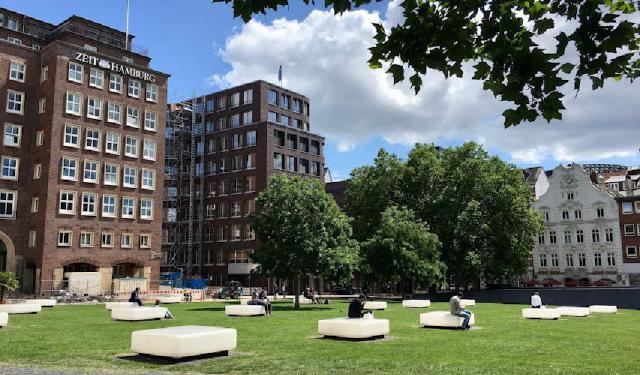
Hamburg Architecture Dreams
In the heart of Hamburg, Germany, lie architectural treasures that offer a glimpse into the city's storied past and its contemporary aspirations. These sites, each a testament to different eras and styles, collectively contribute to Hamburg's unique urban landscape. Join me as I delve into the historical significance of these architectural marvels that have stood the test of time.
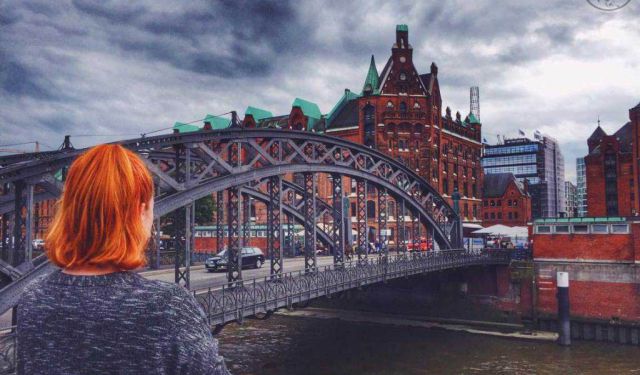
The Perfect Itinerary for First-Timers in Hamburg
Hamburg is the second largest city in Germany and a major tourist destination for locals and foreigners alike. Having grown up in the southern part of Germany, I haven’t explored the northern part of the country, which is why I am especially happy that I finally made it up to Hamburg!
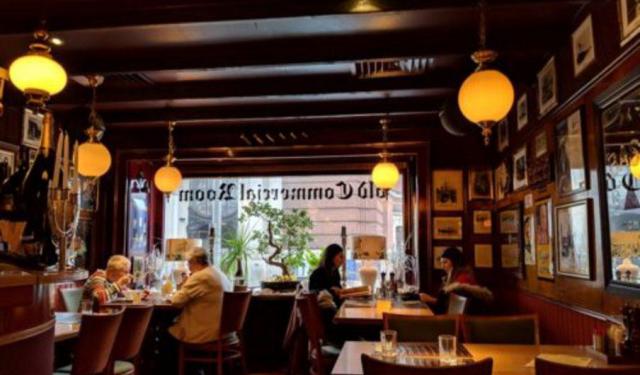
A Foodie’s Guide to Hamburg Restaurants
When I asked people what Hamburg’s cuisine is known for, I got three clear messages: seafood (Hamburg is a harbour city), Franzbrötchen (cinnamon buns) and Labskaus (a potato/corned beef/egg dish).
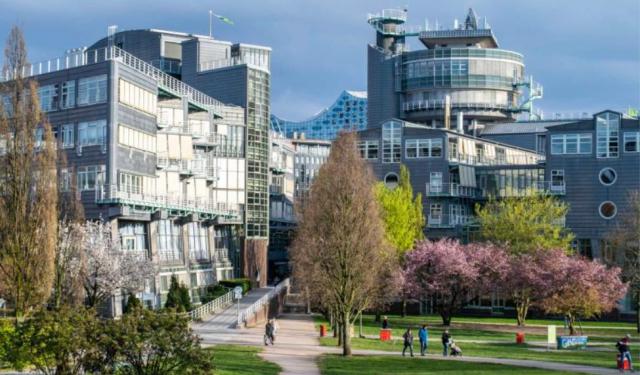
8 Super Useful Tips for Visiting Hamburg, Germany
Having spent 3 days in Hamburg sightseeing around this city in northern Germany, I can clearly see just how complex and unique Hamburg is. Only looking back on it now can I see the similarities between it and other port cities I’ve been to in Europe.
A Girls’ Weekend in Hamburg
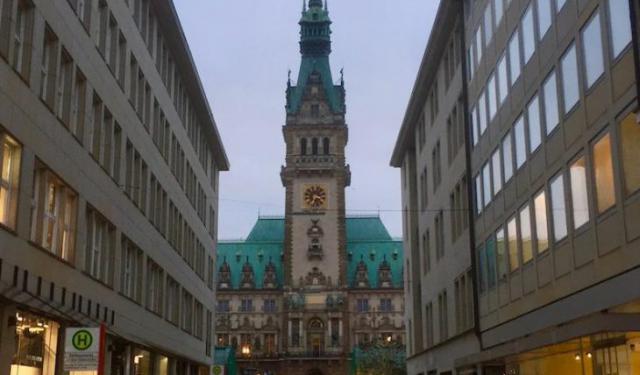
Hamburg has a picturesque historic quarter with an impressive amount of towers and spires. It has more bridges than Venice, Amsterdam and London combined. It also has some of the friendliest, most helpful people I’ve ever come across in my travels.
The Reepherbahn: Hamburg's Red Light District
I love Germans. They’re really transparent and straightforward. They don’t believe in closed doors or window shades; what you see is what you get.
Insider Tips Overview
