Custom Walk in London, England by baugust_8474c4 created on 2026-05-19
Guide Location: England » London
Guide Type: Custom Walk
# of Sights: 14
Tour Duration: 9 Hour(s)
Travel Distance: 22 Km or 13.7 Miles
Share Key: L9AAC
Guide Type: Custom Walk
# of Sights: 14
Tour Duration: 9 Hour(s)
Travel Distance: 22 Km or 13.7 Miles
Share Key: L9AAC
How It Works
Please retrieve this walk in the GPSmyCity app. Once done, the app will guide you from one tour stop to the next as if you had a personal tour guide. If you created the walk on this website or come to the page via a link, please follow the instructions below to retrieve the walk in the app.
Retrieve This Walk in App
Step 1. Download the app "GPSmyCity: Walks in 1K+ Cities" on Apple App Store or Google Play Store.



Step 2. In the GPSmyCity app, download(or launch) the guide "London Map and Walking Tours".
Step 3. Tap the menu button located at upper right corner of the "Walks" screen and select "Retrieve custom walk". Enter the share key: L9AAC
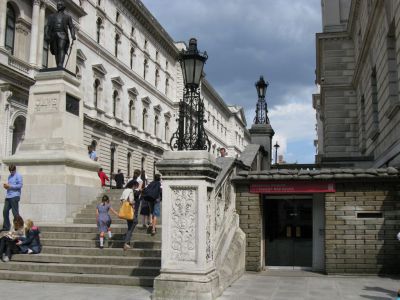
1) Churchill War Rooms (must see)
Tucked beneath the former Office of Public Information-now the Treasury-lies one of London’s best-kept “open secrets”: the Churchill War Rooms. This covert bunker was the nerve center from which Winston Churchill directed Britain’s wartime efforts... and occasionally napped in his bathrobe.
Hidden right under Clive Steps on King Charles Street, the entrance is so discreet you might walk right past without noticing it. In fact, the Nazis never guessed that Britain’s emergency government was cheekily hiding in plain sight, just 12 feet below London’s crust. For comparison, Hitler himself was holed up a paranoid 180 feet underground. Overcompensating, perhaps?
Built in 1938 and retrofitted as the war heated up, the War Rooms were reinforced with a “bomb-resistant” ceiling. Emphasis on resistant, not bomb-proof, which made every thunderclap a bit more thrilling for those working below. Spanning 30,000 square feet, the facility came equipped with everything from conference rooms to bedrooms, because a good nap is crucial for strategic warfare...
When the war ended, everyone simply left. No cleanup, no moving out, just poof-gone. Clocks are still frozen at 4:58 pm, marking the first wartime Cabinet meeting in 1940, and the calendar in the Map Room eternally reads August 16, 1945-the day Japan surrendered. It's like time hit “pause” and never came back.
You’ll see phones with odd green handles-high-tech marvels of the 1940s known as scrambler phones. They took 20 minutes to warm up and blasted white noise like an angry seashell. Eavesdropping? Not on Churchill’s watch.
Meanwhile, the walls are studded with pinholes from frantic map-stabbing, some patched so many times they now qualify as historical patchwork quilts.
Churchill himself only spent a handful of nights here, but he used the bunker frequently-for meetings, cigars, and power naps in less-than-Prime-Ministerial attire. One of the highlights is a fire bucket turned ashtray, where he’d casually discard cigar stubs. Enterprising Marine guards allegedly sold those stubs to souvenir hunters. Recycling and capitalism at their finest.
Rumor has it there’s a second, even deeper bunker underneath, full of pipes, cables, and possibly Churchill’s wine cellar. Sadly, not open to the public-yet...
Tip:
Book online to skip the queue.
The audio tour takes a little over an hour.
Bring snacks-dining nearby is limited unless you fancy lunching on history alone.
Hidden right under Clive Steps on King Charles Street, the entrance is so discreet you might walk right past without noticing it. In fact, the Nazis never guessed that Britain’s emergency government was cheekily hiding in plain sight, just 12 feet below London’s crust. For comparison, Hitler himself was holed up a paranoid 180 feet underground. Overcompensating, perhaps?
Built in 1938 and retrofitted as the war heated up, the War Rooms were reinforced with a “bomb-resistant” ceiling. Emphasis on resistant, not bomb-proof, which made every thunderclap a bit more thrilling for those working below. Spanning 30,000 square feet, the facility came equipped with everything from conference rooms to bedrooms, because a good nap is crucial for strategic warfare...
When the war ended, everyone simply left. No cleanup, no moving out, just poof-gone. Clocks are still frozen at 4:58 pm, marking the first wartime Cabinet meeting in 1940, and the calendar in the Map Room eternally reads August 16, 1945-the day Japan surrendered. It's like time hit “pause” and never came back.
You’ll see phones with odd green handles-high-tech marvels of the 1940s known as scrambler phones. They took 20 minutes to warm up and blasted white noise like an angry seashell. Eavesdropping? Not on Churchill’s watch.
Meanwhile, the walls are studded with pinholes from frantic map-stabbing, some patched so many times they now qualify as historical patchwork quilts.
Churchill himself only spent a handful of nights here, but he used the bunker frequently-for meetings, cigars, and power naps in less-than-Prime-Ministerial attire. One of the highlights is a fire bucket turned ashtray, where he’d casually discard cigar stubs. Enterprising Marine guards allegedly sold those stubs to souvenir hunters. Recycling and capitalism at their finest.
Rumor has it there’s a second, even deeper bunker underneath, full of pipes, cables, and possibly Churchill’s wine cellar. Sadly, not open to the public-yet...
Tip:
Book online to skip the queue.
The audio tour takes a little over an hour.
Bring snacks-dining nearby is limited unless you fancy lunching on history alone.
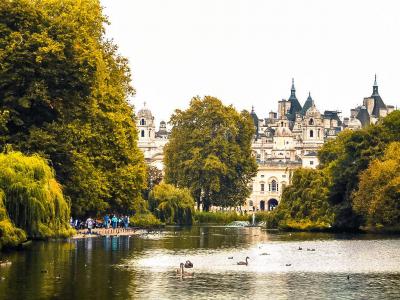
2) St. James's Park (must see)
Once upon a royal time, a queen casually asked her courtier how much it would cost to kick the public out of St. James’s Park. The courtier, with nerves of steel and a flair for drama, replied, “Only your crown, ma’am.” And that pretty much sums up the importance of this place-mess with the people’s park, and you’re one coronation short of a monarchy.
Wedged gracefully between three heavy-hitters-Buckingham Palace, St. James’s Palace, and the political power zone of Westminster-St. James’s Park is London’s oldest and arguably most charming green retreat. Back in 1532, Henry VIII thought this marsh was in great need of deer, so he snapped it up for his very own deer nursery. Later, during the reign of James I, the land was drained, and an aviary was installed (giving rise to the name Birdcage Walk), along with a zoo that featured exotic species like crocodiles, camels, and even an elephant.
Then came Charles II, freshly returned from exile in France with some serious garden envy after ogling Versailles. He rolled up his sleeves and transformed the park into a regal playground with neat avenues, fruit trees, a canal, and a whole zoo of goats, sheep, and deer casually grazing the lawns. By the 1700s, the park had taken a turn for the scandalous, becoming a preferred hunting ground for the affluent individuals seeking... nighttime companions.
In the 19th century, the romantic stylings of John Nash (one of the foremost British architects of the Georgian and Regency eras) gave the park its current look-a picturesque escape with winding paths and dreamy views. Peer down the lake toward Buckingham Palace, and you can easily imagine having wandered onto a countryside estate-until a pelican flaps by.
Speaking of birds, Duck Island at the lake’s eastern tip is a feathery haven for pelicans, swans (King-owned, naturally), geese, and ducks. From March to October, deck chairs appear like sun-seeking mushrooms-perfect for office lunch breaks or tuning into a bandstand performance at midday.
Evenings are a delight here too, as the lake reflects the glowing silhouettes of Westminster Abbey and the Parliament buildings. It’s part fairy tale, part postcard, and entirely worth a visit. Lush lawns, birds with better titles than you, and the occasional live performance. Basically, it’s where London goes to exhale...
Wedged gracefully between three heavy-hitters-Buckingham Palace, St. James’s Palace, and the political power zone of Westminster-St. James’s Park is London’s oldest and arguably most charming green retreat. Back in 1532, Henry VIII thought this marsh was in great need of deer, so he snapped it up for his very own deer nursery. Later, during the reign of James I, the land was drained, and an aviary was installed (giving rise to the name Birdcage Walk), along with a zoo that featured exotic species like crocodiles, camels, and even an elephant.
Then came Charles II, freshly returned from exile in France with some serious garden envy after ogling Versailles. He rolled up his sleeves and transformed the park into a regal playground with neat avenues, fruit trees, a canal, and a whole zoo of goats, sheep, and deer casually grazing the lawns. By the 1700s, the park had taken a turn for the scandalous, becoming a preferred hunting ground for the affluent individuals seeking... nighttime companions.
In the 19th century, the romantic stylings of John Nash (one of the foremost British architects of the Georgian and Regency eras) gave the park its current look-a picturesque escape with winding paths and dreamy views. Peer down the lake toward Buckingham Palace, and you can easily imagine having wandered onto a countryside estate-until a pelican flaps by.
Speaking of birds, Duck Island at the lake’s eastern tip is a feathery haven for pelicans, swans (King-owned, naturally), geese, and ducks. From March to October, deck chairs appear like sun-seeking mushrooms-perfect for office lunch breaks or tuning into a bandstand performance at midday.
Evenings are a delight here too, as the lake reflects the glowing silhouettes of Westminster Abbey and the Parliament buildings. It’s part fairy tale, part postcard, and entirely worth a visit. Lush lawns, birds with better titles than you, and the occasional live performance. Basically, it’s where London goes to exhale...
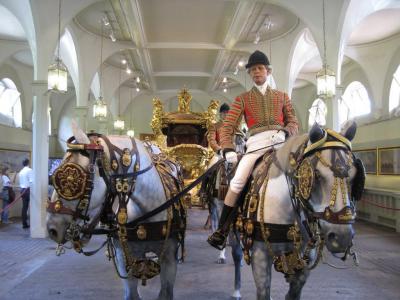
3) Royal Mews
Explore an opulent display of royalty by paying a visit to the Royal Mews. Designed by John Nash in 1825, the stables and coach houses house the royal family's state carriages, along with their distinctive horses, ridden by postilions wearing red-and-gold attire and wigs. For families with children, there are activities to enjoy, and from April to October, complimentary guided tours are offered.
The Mews boasts a vast assortment of coaches, motorcars, and carriages, including Queen Victoria's Irish state coach, acquired for the State Opening of Parliament; the 1902 royal landau, an open-top carriage used to provide the public with a prime view of newlywed royal couples; and the glass coach, also employed in royal weddings. The most recent addition is the 2012 Diamond Jubilee State Coach, an elegant black-and-gold creation featuring a concealed camera for filming during processions.
The collection's crowning jewel is the Gold State Coach, a mobile masterpiece created for George III in 1762. Adorned with 22-carat gilding and embellished with panel paintings by Cipriani, this four-tonne behemoth is supported by axles featuring four life-sized Tritons blowing conches. Eight horses are required to pull it, and the experience reportedly left Queen Victoria feeling quite queasy; as a result, it has only been used for coronations and jubilees since.
The Mews boasts a vast assortment of coaches, motorcars, and carriages, including Queen Victoria's Irish state coach, acquired for the State Opening of Parliament; the 1902 royal landau, an open-top carriage used to provide the public with a prime view of newlywed royal couples; and the glass coach, also employed in royal weddings. The most recent addition is the 2012 Diamond Jubilee State Coach, an elegant black-and-gold creation featuring a concealed camera for filming during processions.
The collection's crowning jewel is the Gold State Coach, a mobile masterpiece created for George III in 1762. Adorned with 22-carat gilding and embellished with panel paintings by Cipriani, this four-tonne behemoth is supported by axles featuring four life-sized Tritons blowing conches. Eight horses are required to pull it, and the experience reportedly left Queen Victoria feeling quite queasy; as a result, it has only been used for coronations and jubilees since.
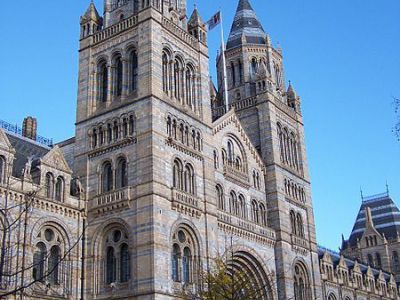
4) Natural History Museum (must see)
Originally constructed to serve as the housing for the British Museum's collection of natural history, and enriched with contributions from prominent 19th-century British explorers and scientists, most notably Charles Darwin, this grand Victorian edifice of scientific exploration stands as one of the world's foremost institutions devoted to natural history and earth sciences. As expected, given its strong association with Darwin, the primary focus here lies in the realms of evolution and conservation. The building's exteriorfeatures terracotta embellishments adorned with relief panels depicting both extant and extinct creatures, with some species having undergone reclassification over time. The museum's interior hosts an astounding collection of over 70 million distinct specimens, although only a fraction is available for public viewing. A full day of exploration would still leave much unseen.
Upon entering the cathedral-like entrance hall, visitors are greeted by the imposing skeleton of a colossal blue whale. In the Dinosaur Gallery ('Blue Zone'), one can encounter similarly enormous dinosaur bones, technically transformed into rocks through fossilization, alongside the lone known fossil of Spicomellus, an armored dinosaur variety characterized by spikes on its ribs. The journey continues with an encounter with a virtual Jurassic-era sea dragon and a towering animatronic 'T. rex' (three-fourths its actual size) designed to detect the presence of nearby humans and react accordingly, resulting in exhilarating shrieks of fear and delight echoing through the space.
An escalator transports guests into the expansive Earth Galleries, offering multiple levels to explore, including the earthquake simulation featured in the Volcanoes and Earthquake Gallery. Within the Darwin Centre, around 80 million items await, items that the main museum area cannot accommodate, including "Archie", a massive 28-foot giant squid. To catch a glimpse of Archie and the myriad other preserved animal specimens, visitors can book one of the "behind-the-scenes" 45-minute "Spirit Collection" tours, which are available on select dates and times and can be reserved on the same day (it's advisable to arrive early, as space is limited). For those who prefer nighttime adventures, the museum offers evening talks and the opportunity to spend an entire night within its walls during the "Dino Snores" events.
Why You Should Visit:
Huge space; interesting for adults as well as teens. And, like the majority of London's museums, absolutely free to visit.
As an added bonus, there is an ice-skating rink open from October to January, along with a widely popular Christmas fair.
Tips:
There are two entrances available: the primary one on Cromwell Rd tends to be quite crowded. However, if you head around the corner to the side of the Victoria and Albert Museum, you can enter with ease. However, given the extensive ground to cover, it's advisable to wear comfortable shoes as there will be a substantial amount of walking involved.
Upon entering the cathedral-like entrance hall, visitors are greeted by the imposing skeleton of a colossal blue whale. In the Dinosaur Gallery ('Blue Zone'), one can encounter similarly enormous dinosaur bones, technically transformed into rocks through fossilization, alongside the lone known fossil of Spicomellus, an armored dinosaur variety characterized by spikes on its ribs. The journey continues with an encounter with a virtual Jurassic-era sea dragon and a towering animatronic 'T. rex' (three-fourths its actual size) designed to detect the presence of nearby humans and react accordingly, resulting in exhilarating shrieks of fear and delight echoing through the space.
An escalator transports guests into the expansive Earth Galleries, offering multiple levels to explore, including the earthquake simulation featured in the Volcanoes and Earthquake Gallery. Within the Darwin Centre, around 80 million items await, items that the main museum area cannot accommodate, including "Archie", a massive 28-foot giant squid. To catch a glimpse of Archie and the myriad other preserved animal specimens, visitors can book one of the "behind-the-scenes" 45-minute "Spirit Collection" tours, which are available on select dates and times and can be reserved on the same day (it's advisable to arrive early, as space is limited). For those who prefer nighttime adventures, the museum offers evening talks and the opportunity to spend an entire night within its walls during the "Dino Snores" events.
Why You Should Visit:
Huge space; interesting for adults as well as teens. And, like the majority of London's museums, absolutely free to visit.
As an added bonus, there is an ice-skating rink open from October to January, along with a widely popular Christmas fair.
Tips:
There are two entrances available: the primary one on Cromwell Rd tends to be quite crowded. However, if you head around the corner to the side of the Victoria and Albert Museum, you can enter with ease. However, given the extensive ground to cover, it's advisable to wear comfortable shoes as there will be a substantial amount of walking involved.
5) Kensington Palace
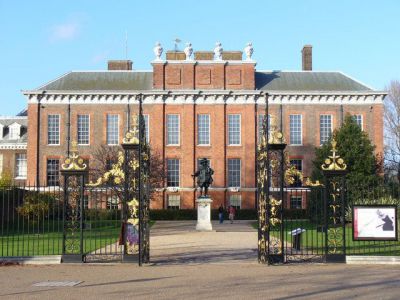
This sight presents a unique opportunity to gain insight into the more personal and domestic facets of royal life. Unlike the imposing Buckingham Palace or the charming Hampton Court, Kensington Palace possesses a distinct character as a sort of royal family commune, with various close relatives of the Queen inhabiting spacious apartments within its private section. In 1689, Queen Mary and King William III acquired the existing modest mansion as a country retreat, and they commissioned Sir Christopher Wren to transform it into a palace. Over the years, young royal families have chosen it as their residence. Princess Diana resided here with her sons following her divorce, while Prince Harry shared a cottage on the palace grounds with Meghan Markle before their marriage.
While the State Apartments are open to the public, the Queen's portion serve as the private quarters of Queen Mary II, who jointly ruled with her husband, William II. In contrast, the opulent King's State Apartments, originally constructed for George I, are a splendid ensemble of rooms where Georgian monarchs hosted courtiers, politicians, and foreign dignitaries. Particular highlights include the King's Staircase, adorned with a panoramic trompe-l'oeil painting, and the King's Gallery, featuring royal artworks framed by rich red damask walls, intricate gilding, and a splendid painted ceiling. An ongoing exhibition, "Victoria Revealed", delves into the personal life of Queen Victoria, who was born and raised here, whereas a temporary exhibition explores the portrayal of royal family life through photographs.
The palace's exterior is nearly as enchanting as its interior. Visitors can choose to picnic on one of the benches or indulge in a meal at the Baroque Orangery, which offers both lunch and an elegant Afternoon Tea. For a more casual dining experience, there are cafés located in the Italian Gardens and along the Broad Walk.
While the State Apartments are open to the public, the Queen's portion serve as the private quarters of Queen Mary II, who jointly ruled with her husband, William II. In contrast, the opulent King's State Apartments, originally constructed for George I, are a splendid ensemble of rooms where Georgian monarchs hosted courtiers, politicians, and foreign dignitaries. Particular highlights include the King's Staircase, adorned with a panoramic trompe-l'oeil painting, and the King's Gallery, featuring royal artworks framed by rich red damask walls, intricate gilding, and a splendid painted ceiling. An ongoing exhibition, "Victoria Revealed", delves into the personal life of Queen Victoria, who was born and raised here, whereas a temporary exhibition explores the portrayal of royal family life through photographs.
The palace's exterior is nearly as enchanting as its interior. Visitors can choose to picnic on one of the benches or indulge in a meal at the Baroque Orangery, which offers both lunch and an elegant Afternoon Tea. For a more casual dining experience, there are cafés located in the Italian Gardens and along the Broad Walk.
6) Hyde Park (must see)
Hyde Park-one of London’s most sprawling green lungs-is a royal playground with a rebellious streak. If these trees could talk, they’d probably start with Speakers’ Corner, nestled near Marble Arch on the park’s northeastern edge. Here, since the mid-1800s, the loud, the proud, and the opinionated have stood on soapboxes to air their views to anyone within earshot-on everything except Her Majesty. Even Karl Marx, Vladimir Lenin, and George Orwell had a go. It’s pretty much like Twitter, but with pigeons and fewer hashtags.
But the roots of public outcry in this spot stretch further back, way back, to the nearby Tyburn Gallows, where from 1196 to 1783, over 50,000 souls were executed. Each was granted a final mic-drop moment: some begged forgiveness, others declared their innocence, and a few went full Yelp review on the authorities. Public hangings were such an event, they sold tickets. Macabre? Absolutely. But the spirit of bold speech lives on-minus the noose, thankfully.
Just trot west and you’ll hit Rotten Row, once the height of royal commuting convenience and Britain’s first lit street. In the 1690s, William III had 300 gas lamps installed here to light his way and keep the muggers at bay. And no, "Rotten" doesn’t mean decayed-it’s a wonky take on the French “Route du Roi,” which means King’s Road. Très chic… in a smoky, horsey sort of way.
Now, if you like your history with a side of drama, say hello to Apsley House, the proud home of the first Duke of Wellington after he gave Napoleon the ultimate time-out at Waterloo. Officially, it’s 149 Piccadilly, but thanks to its prime location, it’s affectionately known as Number 1, London. And rumor has it, even if you scribble just that on an envelope, your letter will find its way there.
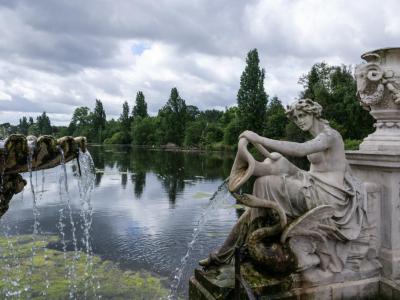
At the park’s heart is the Serpentine, a dreamy stretch of water perfect for swan-watching, selfies, or, if you’re feeling brave, a chilly Christmas swim. The Serpentine Swimming Club hosts the Peter Pan Cup each year-an event organized by the "Peter Pan" author, J.M. Barrie himself, in 1904.
Tip:
Grab a map or rent a bike if you're directionally challenged. And don’t forget your camera-Hyde Park is a living, leafy legend.
But the roots of public outcry in this spot stretch further back, way back, to the nearby Tyburn Gallows, where from 1196 to 1783, over 50,000 souls were executed. Each was granted a final mic-drop moment: some begged forgiveness, others declared their innocence, and a few went full Yelp review on the authorities. Public hangings were such an event, they sold tickets. Macabre? Absolutely. But the spirit of bold speech lives on-minus the noose, thankfully.
Just trot west and you’ll hit Rotten Row, once the height of royal commuting convenience and Britain’s first lit street. In the 1690s, William III had 300 gas lamps installed here to light his way and keep the muggers at bay. And no, "Rotten" doesn’t mean decayed-it’s a wonky take on the French “Route du Roi,” which means King’s Road. Très chic… in a smoky, horsey sort of way.
Now, if you like your history with a side of drama, say hello to Apsley House, the proud home of the first Duke of Wellington after he gave Napoleon the ultimate time-out at Waterloo. Officially, it’s 149 Piccadilly, but thanks to its prime location, it’s affectionately known as Number 1, London. And rumor has it, even if you scribble just that on an envelope, your letter will find its way there.
At the park’s heart is the Serpentine, a dreamy stretch of water perfect for swan-watching, selfies, or, if you’re feeling brave, a chilly Christmas swim. The Serpentine Swimming Club hosts the Peter Pan Cup each year-an event organized by the "Peter Pan" author, J.M. Barrie himself, in 1904.
Tip:
Grab a map or rent a bike if you're directionally challenged. And don’t forget your camera-Hyde Park is a living, leafy legend.
7) House of MinaLima (with Harry Potter exhibition)
Meet Miraphora Mina and Eduardo Lima-better known in wizarding circles as MinaLima. This magical design duo didn’t just sprinkle a little fairy dust on the Harry Potter films-they conjured up the entire graphic identity. Every Hogwarts acceptance letter, every Weasley’s Wizard Wheezes package, every screaming Daily Prophet headline-were all MinaLima. They practically gave the wizarding world its handwriting.
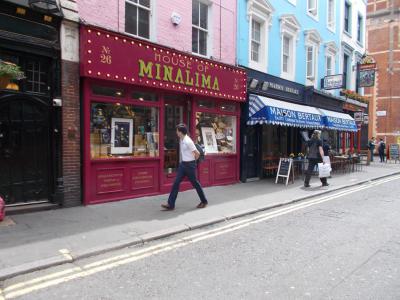
After the film series wrapped, the pair didn’t just vanish like a disillusionment charm. No, they opened The House of MinaLima-a four-story spellbinding boutique-meets-gallery dedicated to all things wizard-printed-in the heart of London.
On the ground floor, you’ll find a cozy little shop stuffed with magical loot: charming notebooks, cheeky mugs, glittering badges, and storybook prints that look straight out of the Restricted Section.
Climb a few creaky steps and the real magic begins: three full floors of original graphic props from the films, from Quibblers to Quidditch posters to textbook replicas that would make Hermione weep with joy. And yes, pretty much everything’s for sale-so whether you’re on a Muggle’s budget or ready to splash some Gringotts gold, there’s a souvenir waiting for you.
In short: if Diagon Alley had a graphic design department, this would be it.
After the film series wrapped, the pair didn’t just vanish like a disillusionment charm. No, they opened The House of MinaLima-a four-story spellbinding boutique-meets-gallery dedicated to all things wizard-printed-in the heart of London.
On the ground floor, you’ll find a cozy little shop stuffed with magical loot: charming notebooks, cheeky mugs, glittering badges, and storybook prints that look straight out of the Restricted Section.
Climb a few creaky steps and the real magic begins: three full floors of original graphic props from the films, from Quibblers to Quidditch posters to textbook replicas that would make Hermione weep with joy. And yes, pretty much everything’s for sale-so whether you’re on a Muggle’s budget or ready to splash some Gringotts gold, there’s a souvenir waiting for you.
In short: if Diagon Alley had a graphic design department, this would be it.
8) British Library
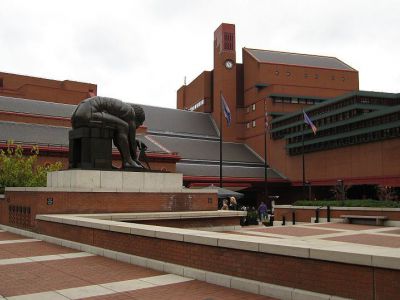
Designed by Sir Colin St John Wilson and unveiled in 1997 following nearly two decades of construction, this Grade I listed red-brick edifice was once a subject of controversy. It now serves as the custodian of the national collection of books, manuscripts, and maps. Collectively, the British Library boasts an astounding 170 million items spread across its locations in London and Yorkshire, encompassing approximately 14 million books. Access to these treasures is available to individuals possessing a Reader Pass, which can be pre-registered for online.
However, the true gem lies in the "Treasures of the British Library" exhibition. Here, visitors can marvel at remarkable artifacts, including the Magna Carta, the Codex Sinaiticus (an ancient Bible containing the oldest complete copy of the New Testament), Shakespeare's First Folio, Jane Austen's writing desk, and lyrics penned by the Beatles (including John Lennon's hand-written lyrics for "In My Life", "Strawberry Fields Forever", and "She Said She Said", along with Paul McCartney's draft on "Yesterday").
The library also hosts other rotating free exhibitions, although these often have earlier closing times than the main building during weekdays. Attendees can also partake in talks, discussions, and workshops. Throughout the year, the library organizes outstanding special exhibitions, usually requiring an admission fee. It's highly advisable to take one of their tours, which encompass a visit to the Viewing Gallery; booking at least two weeks in advance is recommended.
However, the true gem lies in the "Treasures of the British Library" exhibition. Here, visitors can marvel at remarkable artifacts, including the Magna Carta, the Codex Sinaiticus (an ancient Bible containing the oldest complete copy of the New Testament), Shakespeare's First Folio, Jane Austen's writing desk, and lyrics penned by the Beatles (including John Lennon's hand-written lyrics for "In My Life", "Strawberry Fields Forever", and "She Said She Said", along with Paul McCartney's draft on "Yesterday").
The library also hosts other rotating free exhibitions, although these often have earlier closing times than the main building during weekdays. Attendees can also partake in talks, discussions, and workshops. Throughout the year, the library organizes outstanding special exhibitions, usually requiring an admission fee. It's highly advisable to take one of their tours, which encompass a visit to the Viewing Gallery; booking at least two weeks in advance is recommended.
9) King's Cross Station & Platform 9 3⁄4
Established in 1852, King's Cross station stands as a prominent railway terminus, deriving its name from the Kings Cross locality in London, which itself was christened in honor of a monument dedicated to King George IV. During the 1970s, a comprehensive redevelopment of the station complex occurred, streamlining its layout and introducing electric suburban services. It also emerged as a pivotal terminus for the high-speed InterCity 125 trains. However, as the latter half of the 20th century unfolded, the area surrounding the station gained notoriety for its somewhat unsavory and lower-end character, leading to its use as a backdrop in several films. Subsequently, a substantial revitalization effort was launched in the 21st century, encompassing the restoration of the original roof.
***HARRY POTTER MOVIE***
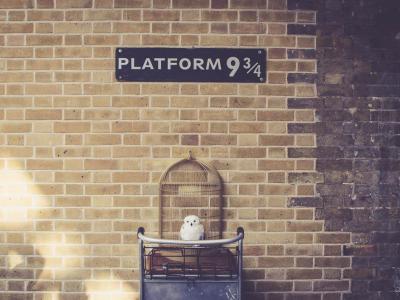
In the iconic scene from the "Harry Potter" film series, Harry boards the train to Hogwarts at King's Cross Station. (Note that the fantastical exterior depicted in the 2002 film "Chamber of Secrets" was actually filmed at the nearby St. Pancras International Station.) Inside the station's glass-roofed interior, on a pedestrian sky bridge spanning the tracks, Harry makes his way to platform 9¾, where he and his newfound friend Ron perform the magical act of pushing their luggage carts through a seemingly solid brick pillar between the platforms. For an enjoyable photo opportunity, visitors can visit track 9, where they will find the iconic Platform 9¾ sign, a luggage cart cleverly designed to appear as if it's disappearing into the wall, and a Harry Potter-themed gift shop.
***HARRY POTTER MOVIE***
In the iconic scene from the "Harry Potter" film series, Harry boards the train to Hogwarts at King's Cross Station. (Note that the fantastical exterior depicted in the 2002 film "Chamber of Secrets" was actually filmed at the nearby St. Pancras International Station.) Inside the station's glass-roofed interior, on a pedestrian sky bridge spanning the tracks, Harry makes his way to platform 9¾, where he and his newfound friend Ron perform the magical act of pushing their luggage carts through a seemingly solid brick pillar between the platforms. For an enjoyable photo opportunity, visitors can visit track 9, where they will find the iconic Platform 9¾ sign, a luggage cart cleverly designed to appear as if it's disappearing into the wall, and a Harry Potter-themed gift shop.
Sight description based on Wikipedia.
10) Leadenhall Market
The origins of Leadenhall Market date back to the 14th century. Its name is a nod to the lead roof that once covered the medieval market hall. The location itself marks the former site of an ancient Roman forum and basilica from the days of Londinium, thus making it steeped in over two millennia of history.
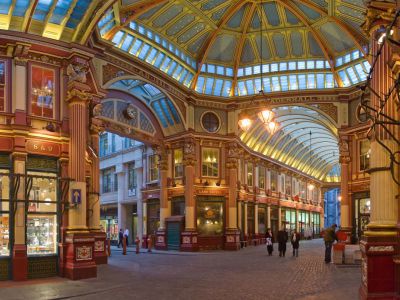
The current building, a stunning example of Victorian architecture, with its distinctive glass canopy, wrought iron details, decorative arches, and intricate detailing, was redesigned in 1881 by Sir Horace Jones, the very same architect who gave us Tower Bridge.
Once the go-to place for meat, poultry, and game, Leadenhall now leans more toward wine bars, boutiques, and bistro bites, though you’ll still spot original iron meat hooks (if you look up) and even a traditional shoeshine station. Stroll its cobbled paths and you’ll find city suits mingling with selfie-takers, all basking in that golden Victorian glow. In this 21st-century era of towering skyscrapers, it survives solely due to government protection.
In recent years, Leadenhall has been a major pop culture draw for its connection to the Harry Potter movies. The surreal contrast between its ancient charm and the surrounding towers of steel is thought to have inspired J.K. Rowling’s vision for Diagon Alley- a romantic slice of London’s past, nestled right under the glassy gaze of corporate high-risers.
In particular, the market served as the filming location for parts of Harry Potter and the Philosopher’s Stone and The Goblet of Fire, specifically as the entrance to Diagon Alley. At 42 Bull's Head Passage, a humble blue doorway is easily recognizable as that leading to the Leaky Cauldron pub (in the movies). Today, the shop is home to Glass House Opticians, so you might even chance upon Mad-Eye Moody here, getting fitted for a contact lens with a bit of luck...
Indeed, whether you’re here for the history, the architecture, a cheeky pint, or just to whisper “Alohomora” at random doors, Leadenhall Market delivers all the same. It's London-layered, lively, and just a little bit enchanted.
The current building, a stunning example of Victorian architecture, with its distinctive glass canopy, wrought iron details, decorative arches, and intricate detailing, was redesigned in 1881 by Sir Horace Jones, the very same architect who gave us Tower Bridge.
Once the go-to place for meat, poultry, and game, Leadenhall now leans more toward wine bars, boutiques, and bistro bites, though you’ll still spot original iron meat hooks (if you look up) and even a traditional shoeshine station. Stroll its cobbled paths and you’ll find city suits mingling with selfie-takers, all basking in that golden Victorian glow. In this 21st-century era of towering skyscrapers, it survives solely due to government protection.
In recent years, Leadenhall has been a major pop culture draw for its connection to the Harry Potter movies. The surreal contrast between its ancient charm and the surrounding towers of steel is thought to have inspired J.K. Rowling’s vision for Diagon Alley- a romantic slice of London’s past, nestled right under the glassy gaze of corporate high-risers.
In particular, the market served as the filming location for parts of Harry Potter and the Philosopher’s Stone and The Goblet of Fire, specifically as the entrance to Diagon Alley. At 42 Bull's Head Passage, a humble blue doorway is easily recognizable as that leading to the Leaky Cauldron pub (in the movies). Today, the shop is home to Glass House Opticians, so you might even chance upon Mad-Eye Moody here, getting fitted for a contact lens with a bit of luck...
Indeed, whether you’re here for the history, the architecture, a cheeky pint, or just to whisper “Alohomora” at random doors, Leadenhall Market delivers all the same. It's London-layered, lively, and just a little bit enchanted.
11) Sky Garden
Designed by Uruguayan architect Rafael Viñoly, 20 Fenchurch Street is better known by its catchier nickname-the “Walkie-Talkie.” Why? Well, because it looks exactly like one, just supersized and stuck smack in the London skyline. Not everyone is a fan of its chunky silhouette, but love it or mock it, the building makes quite the statement-and unlike most skyscrapers, it actually lets the public in for free.
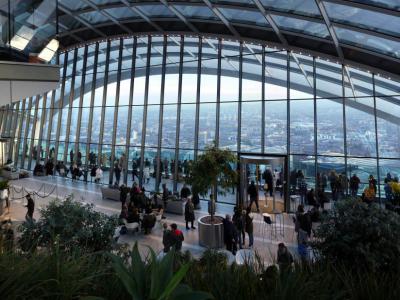
At the top sits the Sky Garden, a three-story glass crown perched on the 35th, 36th, and 37th floors. To get in, you’ll need to be quick on the click-free tickets drop every Monday, and they vanish faster than a London cab on a rainy night. Once you’ve secured your spot, you’ll be treated to one of the best panoramic views in the city, complete with a side of wine or dinner if you book a table. Yes, the bars and restaurants stay open late for those who like their skyline with a cocktail.
From this lofty perch, the view is a who’s who of London’s architectural elite: look south for the jagged elegance of The Shard, or north for a full lineup of nicknamed giants-Tower 42, the Gherkin, the Cheesegrater, the Scalpel, and the tall-and-polished 22 Bishopsgate.
As for the “garden” part of Sky Garden, it’s not just a name. You’ll find a leafy collection of semitropical trees, succulents, and flowering showstoppers like African lilies, Red Hot Pokers, and Birds of Paradise, all bordered by wafts of French lavender. It’s basically a high-rise greenhouse with views, drinks, and a better Instagram ratio than most city parks.
Bottom line: whether you’re a lover of lush greenery, skyline spotting, or just in it for the gram-the Walkie-Talkie talks back.
At the top sits the Sky Garden, a three-story glass crown perched on the 35th, 36th, and 37th floors. To get in, you’ll need to be quick on the click-free tickets drop every Monday, and they vanish faster than a London cab on a rainy night. Once you’ve secured your spot, you’ll be treated to one of the best panoramic views in the city, complete with a side of wine or dinner if you book a table. Yes, the bars and restaurants stay open late for those who like their skyline with a cocktail.
From this lofty perch, the view is a who’s who of London’s architectural elite: look south for the jagged elegance of The Shard, or north for a full lineup of nicknamed giants-Tower 42, the Gherkin, the Cheesegrater, the Scalpel, and the tall-and-polished 22 Bishopsgate.
As for the “garden” part of Sky Garden, it’s not just a name. You’ll find a leafy collection of semitropical trees, succulents, and flowering showstoppers like African lilies, Red Hot Pokers, and Birds of Paradise, all bordered by wafts of French lavender. It’s basically a high-rise greenhouse with views, drinks, and a better Instagram ratio than most city parks.
Bottom line: whether you’re a lover of lush greenery, skyline spotting, or just in it for the gram-the Walkie-Talkie talks back.
12) Old Operating Theatre Museum and Herb Garret
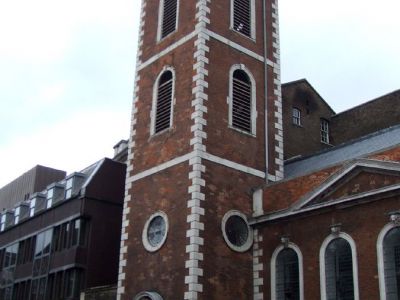
This exceptional 19th-century operating theater, the oldest surviving one in Europe, has its origins dating back to 1822. It emerged within the expansive herb garret of the 17th-century Saint Thomas's Church, situated atop what is now a part of the namesake hospital. This English Baroque church was originally a component of the hospital, founded in the 12th century as a monastery with a mission to care for the sick; however, in 1862, the hospital relocated to its current Lambeth location, leading to the closure of the operating theatre. It remained abandoned until 1956 when it underwent restoration and was outfitted to mirror its appearance in the early 19th century, a time predating the discovery of both antiseptics and anesthetics.
Visitors today can observe artifacts from early-19th-century medical practice, including the wooden operating table positioned beneath a skylight, the box of sawdust underneath meant for absorbing blood, and the surrounding tiers of seats where students once gathered to witness surgical procedures. On Saturdays at 10am, there are demonstrations of pre-anesthetic surgical practices, using the knives, pliers, and handsaws that constituted the surgeon's toolkit during that era (not suitable for the faint-hearted or young children). Access to the theater involves ascending a 52-step spiral staircase, although elevator access can be arranged in advance. Adjacent to the theater is a meticulously recreated 17th-century Herb Garret, featuring displays of the medicinal herbs utilized by Saint Thomas's apothecary. Be sure to book your visit in advance, as admission is by timed ticket only.
Visitors today can observe artifacts from early-19th-century medical practice, including the wooden operating table positioned beneath a skylight, the box of sawdust underneath meant for absorbing blood, and the surrounding tiers of seats where students once gathered to witness surgical procedures. On Saturdays at 10am, there are demonstrations of pre-anesthetic surgical practices, using the knives, pliers, and handsaws that constituted the surgeon's toolkit during that era (not suitable for the faint-hearted or young children). Access to the theater involves ascending a 52-step spiral staircase, although elevator access can be arranged in advance. Adjacent to the theater is a meticulously recreated 17th-century Herb Garret, featuring displays of the medicinal herbs utilized by Saint Thomas's apothecary. Be sure to book your visit in advance, as admission is by timed ticket only.
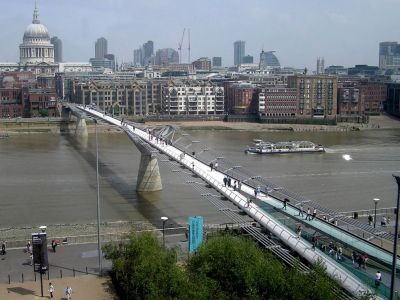
13) Millennium Bridge
The Millennium Bridge-London’s bold leap into the 21st century, and quite literally, a wobbly one.
This sleek steel span holds not one, not two, but three distinctions. First, it’s the youngest of the Thames crossings. Second, it’s the only bridge in London where cars are banished-only pedestrians, photographers, and the occasional rollerblader. And third? It set a record for the fastest closure in UK bridge history. Opened with great fanfare... then swiftly shut down just two days later because, well, it couldn’t handle people's excitement. Or their footsteps...
Designed to mark the year 2000, the bridge was formally inaugurated by Queen Elizabeth II as the winning brainchild of Foster & Partners and Ove Arup & Partners-those clever folks you call when you want something to be both futuristic and structurally sound. Stretching 325 meters (or 1060+ feet), it tiptoes across the Thames with eight low-slung suspension cables (tensioned to exert a formidable 2000-ton force against the sturdy piers rooted on each bank) that don’t dare obstruct your Insta-worthy shot of St. Paul’s Cathedral.
Indeed, as a pedestrian-only portal between the Tate Modern and Shakespeare’s Globe on one end, and the mighty dome of St. Paul’s on the other, the views it affords are truly a chef’s kiss.
Of course, its opening-day wobble-thanks to 90,000 enthusiastic pedestrians striding in unintentional unison-earned it the affectionate moniker “The Wobbly Bridge.” But fear not: engineers came to the rescue with over 50 high-tech dampers and stabilizers galore, and by 2002, the bridge was back in action, shimmy-free.
Speaking of dramatic comebacks-yes, that was the very bridge you saw disintegrating in Harry Potter and the Half-Blood Prince. Death Eaters swoop in, chaos erupts, and the Millennium Bridge bends like a paperclip. Don’t worry, though-it was all movie magic. The real bridge stood firm and survived the scene unscathed, unlike its fictional counterpart.
Tip:
Wear good walking shoes, bring a raincoat (because it's London), and don’t forget to glance down-sometimes there are funky little art stickers underfoot. Because, again, this is London, and even the pavement might be making a statement.
This sleek steel span holds not one, not two, but three distinctions. First, it’s the youngest of the Thames crossings. Second, it’s the only bridge in London where cars are banished-only pedestrians, photographers, and the occasional rollerblader. And third? It set a record for the fastest closure in UK bridge history. Opened with great fanfare... then swiftly shut down just two days later because, well, it couldn’t handle people's excitement. Or their footsteps...
Designed to mark the year 2000, the bridge was formally inaugurated by Queen Elizabeth II as the winning brainchild of Foster & Partners and Ove Arup & Partners-those clever folks you call when you want something to be both futuristic and structurally sound. Stretching 325 meters (or 1060+ feet), it tiptoes across the Thames with eight low-slung suspension cables (tensioned to exert a formidable 2000-ton force against the sturdy piers rooted on each bank) that don’t dare obstruct your Insta-worthy shot of St. Paul’s Cathedral.
Indeed, as a pedestrian-only portal between the Tate Modern and Shakespeare’s Globe on one end, and the mighty dome of St. Paul’s on the other, the views it affords are truly a chef’s kiss.
Of course, its opening-day wobble-thanks to 90,000 enthusiastic pedestrians striding in unintentional unison-earned it the affectionate moniker “The Wobbly Bridge.” But fear not: engineers came to the rescue with over 50 high-tech dampers and stabilizers galore, and by 2002, the bridge was back in action, shimmy-free.
Speaking of dramatic comebacks-yes, that was the very bridge you saw disintegrating in Harry Potter and the Half-Blood Prince. Death Eaters swoop in, chaos erupts, and the Millennium Bridge bends like a paperclip. Don’t worry, though-it was all movie magic. The real bridge stood firm and survived the scene unscathed, unlike its fictional counterpart.
Tip:
Wear good walking shoes, bring a raincoat (because it's London), and don’t forget to glance down-sometimes there are funky little art stickers underfoot. Because, again, this is London, and even the pavement might be making a statement.
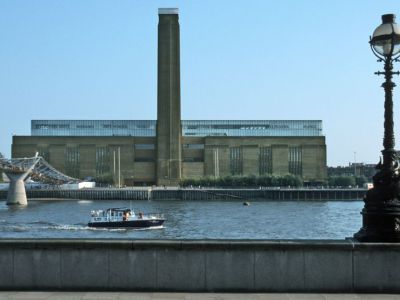
14) Tate Modern (must see)
Once upon a smokestack, this mid-20th-century power station went from fueling machines to fueling imaginations - and today, this is one of the most-visited modern art museums on the planet: the Tate Modern.
Inside, the art doesn’t march along a tidy timeline. Instead, it sprawls across eight thematically curated zones, mixing heavy-hitters like Matisse with up-to-the-minute works by contemporary rebels. The temporary exhibitions here also feature big names and bold ideas. Think Gauguin, Modigliani, Picasso, O’Keeffe… and entire showcases exploring Soviet art between the Revolution and Stalin’s iron curtain call.
Step into the Turbine Hall - Tate’s dramatic entrance that could probably house a small airport - and you’ll be greeted by gravity-defying installations like Olafur Eliasson’s indoor sun, Ai Weiwei’s sea of porcelain sunflower seeds, or Carsten Höller’s towering steel slides that turn art appreciation into a full-body experience.
Dive underground and you’ll hit The Tanks: not for oil anymore, but for experimental art. We're talking performance pieces, soundscapes, and moving images that make your brain do backflips. Climb skyward to the rooftop terrace for a killer panoramic view of London’s skyline (and if you’re lucky, some weather to match).
In between, there are three expansive exhibition levels featuring everything from global contemporary art to interactive displays and full-room installations. Level 2 is home to the Start Display, where color takes center stage in a global conversation between cultures and eras.
Tip:
If your feet get tired or your brain starts spinning, grab a seat and a snack. There’s a restaurant with skyline views on Level 9, a relaxed café on Level 1, and a cozy espresso bar on Level 3. Don’t miss the balcony on Level 3 either - the view of St. Paul’s from there is pure poetry. Oh, and don’t leave without trying the Tate Draw. Sketch, swipe, and project your masterpiece onto the wall like the digital da Vinci you are.
Inside, the art doesn’t march along a tidy timeline. Instead, it sprawls across eight thematically curated zones, mixing heavy-hitters like Matisse with up-to-the-minute works by contemporary rebels. The temporary exhibitions here also feature big names and bold ideas. Think Gauguin, Modigliani, Picasso, O’Keeffe… and entire showcases exploring Soviet art between the Revolution and Stalin’s iron curtain call.
Step into the Turbine Hall - Tate’s dramatic entrance that could probably house a small airport - and you’ll be greeted by gravity-defying installations like Olafur Eliasson’s indoor sun, Ai Weiwei’s sea of porcelain sunflower seeds, or Carsten Höller’s towering steel slides that turn art appreciation into a full-body experience.
Dive underground and you’ll hit The Tanks: not for oil anymore, but for experimental art. We're talking performance pieces, soundscapes, and moving images that make your brain do backflips. Climb skyward to the rooftop terrace for a killer panoramic view of London’s skyline (and if you’re lucky, some weather to match).
In between, there are three expansive exhibition levels featuring everything from global contemporary art to interactive displays and full-room installations. Level 2 is home to the Start Display, where color takes center stage in a global conversation between cultures and eras.
Tip:
If your feet get tired or your brain starts spinning, grab a seat and a snack. There’s a restaurant with skyline views on Level 9, a relaxed café on Level 1, and a cozy espresso bar on Level 3. Don’t miss the balcony on Level 3 either - the view of St. Paul’s from there is pure poetry. Oh, and don’t leave without trying the Tate Draw. Sketch, swipe, and project your masterpiece onto the wall like the digital da Vinci you are.
