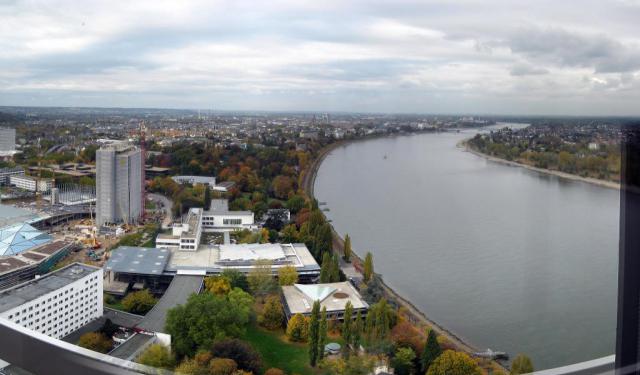


Bonn Introduction Walking Tour (Self Guided), Bonn
In 12 BC or thereabouts, the Roman army established in the Rhine valley, a large military encampment called "Castra Bonnensis." Literally "Fort Bonn." Built of wood at first and then replaced by stone, the fort lasted well into the 5th century AD.
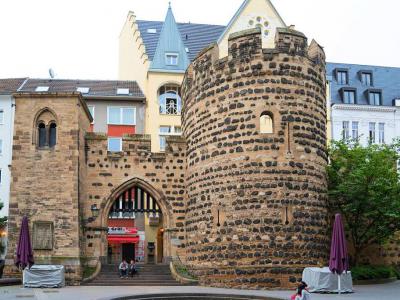
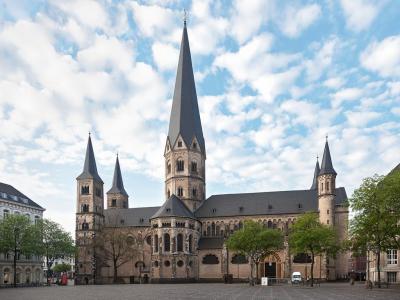
The old fort materials were used to build Bonn's 13th century walls. The medieval city formed around the Romanesque church of Bonne Minster, built between the 11th and 13th centuries. In 1597 Bonn became the seat of the Archdiocese of Cologne.
In the 18th century the Prince elector Clemens August initiated the construction of a series of Baroque style buildings, setting a style for the city that lasts today. Max Franz, elector from 1784 to 1794, founder of the University of Bonn, is mainly remembered as a patron of young Ludwig van Beethoven.
In 1794 the city was made a part of the French Empire under Napoleon. After Napoleon resettled himself in the Island of St Helena, Bonn was transferred to the Kingdom of Prussia. It was a part of the German Empire in 1871. It became the capital of West Germany after World War II. It retains some government functions since reunification.
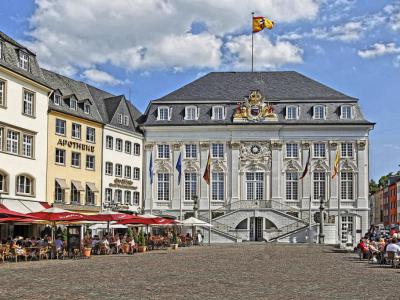
The center of old Bonn is the enormous Market Square. Among the attractive Rococo-style buildings is the former Town Hall. The towering obelisk monument and fountain commands the center of the square. The ancient Bonne Minster church hovers at the edges.
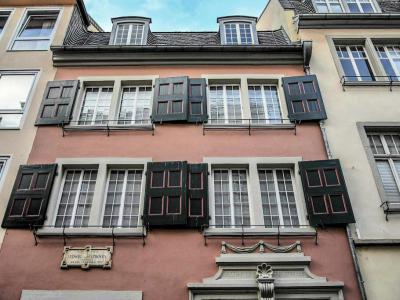
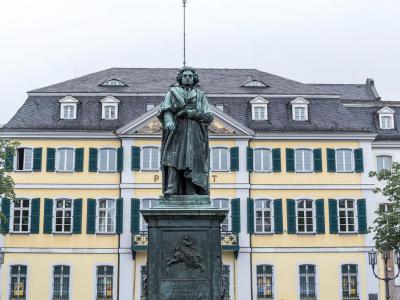
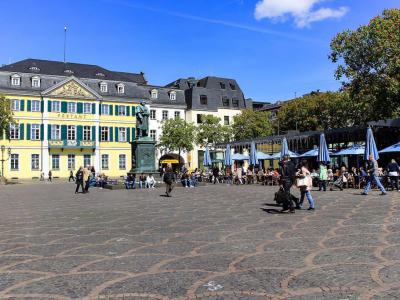
To visit Bonn is to visit the life and times of its most famous citizen, Ludwig van Beethoven. His birth house and museum is Beethovenhaus at Bonngasse 20. The Beethoven orchestra plays at Beethoven Hall. His imposing memorial statue dominates Munster Square, another vast public square of Bonn.
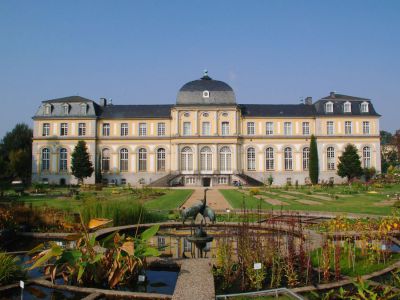
On Museum Mile visit the House of History, Alexander Konig Museum, Deutches Museum, Art Museum, Arithmeum and LVR-Landes Museum. See the pleasure palace of the elector, Poppelsdorf Palace, and the unmatchable Botanical Gardens.
Charles de Gaulle, John F. Kennedy, Mikail Gorbachev, Nelson Mandela were welcomed here. Princes, Queens, artists, musicians and lovers of art have made Bonn a magnet of culture and beauty. Come to Bonn.
The old fort materials were used to build Bonn's 13th century walls. The medieval city formed around the Romanesque church of Bonne Minster, built between the 11th and 13th centuries. In 1597 Bonn became the seat of the Archdiocese of Cologne.
In the 18th century the Prince elector Clemens August initiated the construction of a series of Baroque style buildings, setting a style for the city that lasts today. Max Franz, elector from 1784 to 1794, founder of the University of Bonn, is mainly remembered as a patron of young Ludwig van Beethoven.
In 1794 the city was made a part of the French Empire under Napoleon. After Napoleon resettled himself in the Island of St Helena, Bonn was transferred to the Kingdom of Prussia. It was a part of the German Empire in 1871. It became the capital of West Germany after World War II. It retains some government functions since reunification.
The center of old Bonn is the enormous Market Square. Among the attractive Rococo-style buildings is the former Town Hall. The towering obelisk monument and fountain commands the center of the square. The ancient Bonne Minster church hovers at the edges.
To visit Bonn is to visit the life and times of its most famous citizen, Ludwig van Beethoven. His birth house and museum is Beethovenhaus at Bonngasse 20. The Beethoven orchestra plays at Beethoven Hall. His imposing memorial statue dominates Munster Square, another vast public square of Bonn.
On Museum Mile visit the House of History, Alexander Konig Museum, Deutches Museum, Art Museum, Arithmeum and LVR-Landes Museum. See the pleasure palace of the elector, Poppelsdorf Palace, and the unmatchable Botanical Gardens.
Charles de Gaulle, John F. Kennedy, Mikail Gorbachev, Nelson Mandela were welcomed here. Princes, Queens, artists, musicians and lovers of art have made Bonn a magnet of culture and beauty. Come to Bonn.
How it works: Download the app "GPSmyCity: Walks in 1K+ Cities" from Apple App Store or Google Play Store to your mobile phone or tablet. The app turns your mobile device into a personal tour guide and its built-in GPS navigation functions guide you from one tour stop to next. The app works offline, so no data plan is needed when traveling abroad.
Download The GPSmyCity App



Bonn Introduction Walking Tour Map
Guide Name: Bonn Introduction Walking Tour
Guide Location: Germany » Bonn (See other walking tours in Bonn)
Guide Type: Self-guided Walking Tour (Sightseeing)
Tour Duration: 1 Hour(s)
Travel Distance: 2.4 Km or 1.5 Miles
Guide Location: Germany » Bonn (See other walking tours in Bonn)
Guide Type: Self-guided Walking Tour (Sightseeing)
Tour Duration: 1 Hour(s)
Travel Distance: 2.4 Km or 1.5 Miles
Sights Featured in This Walk
2) Beethoven House (must see)
6) Bonn Minster (must see)
Walking Tours in Bonn, Germany

Create Your Own Walk in Bonn
Creating your own self-guided walk in Bonn is easy and fun. Choose the city attractions that you want to see and a walk route map will be created just for you. You can even set your hotel as the start point of the walk.
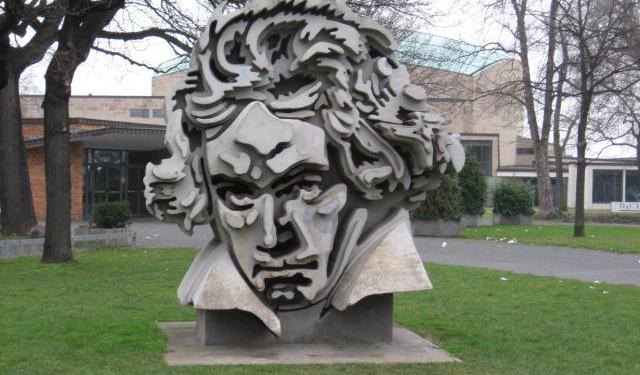
Beethoven Trail
One of the most recognized music geniuses, whose works remain mainstays of the classical music repertoire around the world, Ludwig van Beethoven saw the light of day in Bonn in 1770. Needless to say that the legacy of the city’s most famous resident is highly respected and honored today. Indeed, Beethoven's presence is still very much felt throughout Bonn, encountering visitors in many... view more
Tour Duration: 1 Hour(s)
Travel Distance: 1.5 Km or 0.9 Miles
Tour Duration: 1 Hour(s)
Travel Distance: 1.5 Km or 0.9 Miles
The Most Popular Cities
/ view all