

Museums & Art Galleries Tour, Nassau

Museums & Art Galleries Tour (Self Guided), Nassau

The capital of the Bahamas, Nassau, has no shortage of museums and art galleries for visitors to explore. The displayed collections reflect the history, culture, and local way of life.

One of the notable institutions is the Bahamas Historical Museum, where you can dive into the past of this island nation and discover its intriguing heritage. The Nassau Public Library and Museum is a place that combines literature and history, offering a unique blend of knowledge and artifacts. The Balcony House Museum is another fascinating stop, providing insight into colonial life through its well-preserved architecture.

For those interested in understanding the painful history of slavery and the journey to emancipation, the Pompey Museum of Slavery & Emancipation is a must-visit. It sheds light on the struggles and triumphs of those who fought for freedom.

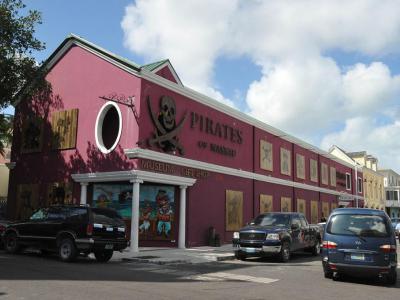
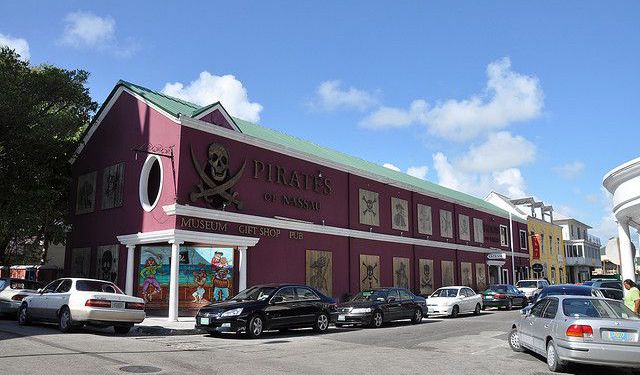
As with many cities set on an island in the ocean, one of the most popular museums in Nassau is the Pirates Museum which takes you on a thrilling voyage into the world of swashbuckling pirates, offering an entertaining and educational experience.

For a deeper dive into Bahamian culture and heritage, the Heritage Museum of the Bahamas is a treasure trove of artifacts and exhibits that showcase the nation's diverse traditions. Meanwhile, the National Art Gallery of The Bahamas celebrates the vibrant local art scene, featuring contemporary and traditional works by Bahamian artists.

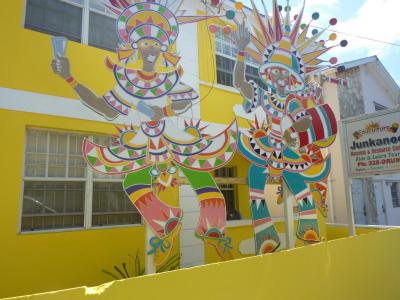
Lastly, the Educulture Junkanoo Museum immerses visitors in the lively and colorful Junkanoo festival, an integral part of Bahamian culture.

As such, Nassau's museums and art galleries offer a captivating journey through the country's history, culture, and artistry. Don't miss the opportunity to enrich your knowledge and appreciation of the Bahamas' heritage by visiting these incredible places during your stay. You'll find it both informative and entertaining.
How it works: Download the app "GPSmyCity: Walks in 1K+ Cities" from Apple App Store or Google Play Store to your mobile phone or tablet. The app turns your mobile device into a personal tour guide and its built-in GPS navigation functions guide you from one tour stop to next. The app works offline, so no data plan is needed when traveling abroad.

Download The GPSmyCity App

Museums & Art Galleries Tour Map

Guide Name: Museums & Art Galleries Tour
Guide Location: Bahamas » Nassau (See other walking tours in Nassau)
Guide Type: Self-guided Walking Tour (Sightseeing)
# of Attractions: 8
Tour Duration: 1 Hour(s)
Travel Distance: 1.6 Km or 1 Miles
Author: vickyc
Sight(s) Featured in This Guide:
  • Bahamas Historical Museum
  • Nassau Public Library and Museum
  • Balcony House Museum
  • Pompey Museum of Slavery & Emancipation
  • Pirates of Nassau Museum
  • Heritage Museum of the Bahamas
  • National Art Gallery of The Bahamas
  • Educulture Junkanoo Museum
1
Bahamas Historical Museum

1) Bahamas Historical Museum

The Bahamas Historical Museum, also known as the Pompey Museum, is housed in Vendue House, one of the oldest surviving commercial buildings in the city. Dating to the late 18th century, the structure originally functioned as a slave auction house and later as a customs and commercial space. Its reuse as a museum places difficult history at the forefront, anchoring the institution firmly within the physical fabric of Nassau’s colonial past.

The museum focuses on the history of slavery and emancipation in the Bahamas, presenting the subject through documents, images, artifacts, and carefully framed narratives. Exhibits trace the transatlantic slave trade, plantation life, resistance, and the path toward abolition, with particular attention given to the 1830 revolt led by Pompey, after whom the museum is named. Rather than overwhelming visitors with scale, the displays emphasize clarity and context, encouraging reflection on how global systems of exploitation shaped local society.

Beyond slavery, the museum also explores broader themes of Bahamian identity, including African cultural heritage, post-emancipation life, and the gradual development of a distinct national consciousness. Personal stories and community memory play a central role, helping visitors understand how historical events continue to influence social structures and cultural expression today.
2
Nassau Public Library and Museum

2) Nassau Public Library and Museum

The Nassau Public Library and Museum is both the oldest and the largest library in the country. It was founded by the Bahamas Society for the Diffusion of Knowledge in 1837 as a reading society. The institution became an official library 10 years later.

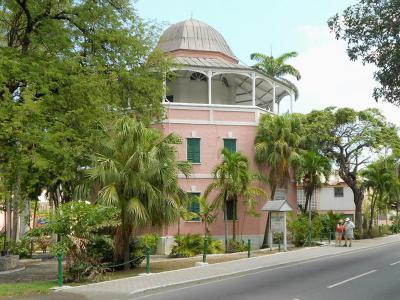
The building that houses the Nassau Public Library and Museum was built in 1797. Functioning as a jail, the building owes its octagonal design inspiration to the Old Powder Magazine in Williamsburg, Virginia. The Old Powder Magazine is thought to have been designed by Lieutenant Governor Alexander Spotswood in 1714.

The jail was converted into a library in 1873. The prison cells are now used to hold documents, newspapers, charts, books, historic prints and Arawak artifacts. It also has computers with internet access that can be rented for a minimum of 15 minutes at a time.

The Nassau Public Library and Museum is open Monday through Friday from 10 AM to 5:45 PM and Saturdays from 10 AM to 3:45 PM. It is closed on Sunday.
3
Balcony House Museum

3) Balcony House Museum

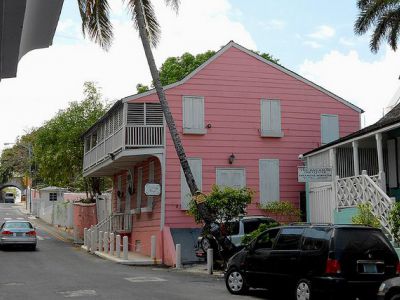
The Balcony House Museum is the oldest, still-standing wooden house in Nassau. Though there is no record of an exact date when the home was built, historical maps show its presence from at least the late-18th century. It is named for the prominent balcony that stretches along the entirety of the home's second floor.

Stephen Dillet, the first black member of the Bahamian House of Assembly, lived in the home in the mid-1800s. Dillet also served as inspect of the Nassau Police and justice of the peace.

The house was converted into a museum in 1992. It is appointed with antique furnishings and unique items that show the history of the Bahamas from the 18th and 19th centuries. The house also displays the Loyalist architecture of the period with its balcony and mahogany staircase.

The Balcony House Museum is open on Monday through Friday from 9:30 AM to 4:30 PM. It is closed on weekends. Admission to the Balcony House Museum is free.
4
Pompey Museum of Slavery & Emancipation

4) Pompey Museum of Slavery & Emancipation

Pompey Museum of Slavery & Emancipation is named in honor of Pompey, an enslaved man associated with Rolle Plantation on Exuma. In 1830, Pompey led an act of resistance after plantation owner John Rolle ordered Pompey and more than 70 other enslaved people to be forcibly relocated to another island.

Rather than comply, Pompey fled the plantation and attempted to sail to Nassau in order to petition the colonial governor for permission to remain on Exuma. Although he did not successfully reach Nassau, the case drew official attention, and the proposed transfer was halted. His actions became widely known among enslaved communities and were remembered as a powerful act of resistance.

The museum is housed in Vendue House, a structure dating from the late 18th century. During the colonial period, Vendue House functioned as a public auction site, including the sale of enslaved people.

Inside, the museum presents photographs, documents, and artifacts that explore the Bahamian slave system, daily life under enslavement, resistance, and the path to emancipation. One notable exhibition, “Wade in the Water: Peter Mowell, the Last Slave Ship in The Bahamas”, examines the 1860 wreck of an illegal slave ship near the Abaco Islands and the fate of the Africans on board. Together, the exhibits situate Bahamian slavery within a wider Atlantic history while foregrounding local experiences and acts of defiance.
5
Pirates of Nassau Museum

5) Pirates of Nassau Museum (must see)

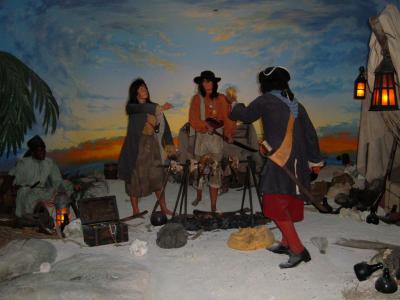
Pirates of Nassau Museum is an interactive museum designed to introduce visitors to the pirate era that shaped Nassau’s early history. Rather than a traditional display museum, it uses immersive sets and walk-through exhibits to recreate the atmosphere of the town during its most notorious period. Visitors enter the experience by boarding a full-scale replica of the pirate ship Revenge, which serves as the starting point for the exhibition.

The period roughly between the late 17th century and the early 18th century is commonly referred to as the Golden Age of Piracy. During these years, Nassau gained a reputation as a major pirate base due to its protected harbor and surrounding shallow waters. These conditions allowed pirates to navigate small, shallow-draft vessels through channels inaccessible to larger naval ships, while still maintaining quick access to major Atlantic trade routes.

The museum presents this history in an accessible, theatrical format. Visitors move through a recreated dockside settlement before stepping aboard the ship, where exhibits explain pirate life, maritime navigation, and the social codes that governed pirate crews. Displays include reconstructed living quarters, weapons, tools, and everyday objects associated with seafaring life.

Several historical figures are introduced along the route, including well-known pirates such as Blackbeard, as well as Woodes Rogers, whose arrival in 1718 marked the end of Nassau’s pirate era. The museum also highlights women pirates, notably Anne Bonny and Mary Read, whose stories challenge common assumptions about piracy.

Thematic rooms include the Marooned exhibit, illustrating punishments for breaking pirate codes, and the Flag Room, which explains the symbolism of pirate flags used to intimidate targets. An on-site restaurant, Smugglers, offers Bahamian dishes such as conch salad, allowing visitors to extend the experience beyond the exhibition.
6
Heritage Museum of the Bahamas

6) Heritage Museum of the Bahamas

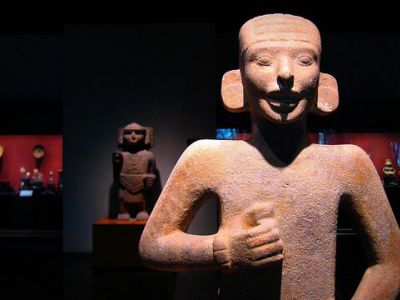
The Heritage Museum of the Bahamas is a museum that offers collected items from prehistoric times to present day. The museum is located in the historic Mountbatten House. The home was built in the mid-19th century. It was restored to its original state by the Garzaroli family who wished to create a museum to honor the island nation's history.

Most of pieces in the museum are owned by British antiques collector Hamilton White. These items include fossils, relics and a 4.5 billion year old slice of meteorite. The museum is located on the upper flower of the house. There is also a gift shop onsite.

The museum is considered to be the foundation of Heritage Village. Along with the museum, tourists can visit the Heritage Village Artists' Studios where they can meet local artisans. These artists create jewelry, paintings, shell carvings and pottery. There are also photographers and shoemakers onsite.

The Heritage Museum was founded in 2014. It is open daily from 9 AM to 5 PM.
7
National Art Gallery of The Bahamas

7) National Art Gallery of The Bahamas

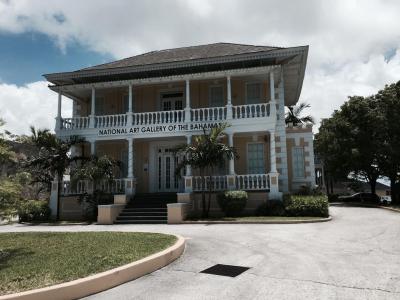
The National Art Gallery of the Bahamas is a museum and art gallery that exhibits historical artifacts alongside pieces of art. The National Collection of Bahamian Art is held on the museum's ground floor while the collection of international art and temporary exhibits are located upstairs.

The National Art Gallery is held in the historic Villa Doyle house. The home was built in the 1860s and was converted into the National Art Gallery in 1996. Along with this home, the National Art Gallery grounds include the outdoor amphitheater Fiona's Theatre, which is used for music, theatre, cultural events and private celebrations.

The NAGB Art Park is located adjacent to the museum. This is the site of the first African hospital in Nassau. It now has an outdoor sculpture collection that appears along a sculpture walk. It reflects the history and culture of the Bahamas.
8
Educulture Junkanoo Museum

8) Educulture Junkanoo Museum

The Educulture Junkanoo Museum is a must-visit destination for anyone interested in learning about Bahamian culture and traditions. Located on West Street in downtown Nassau, the museum is the brainchild of Arlene Nash Ferguson, who is an expert on Bahamian culture and has served on the National Junkanoo Committee for 24 years. The museum is housed in her childhood home, which has been repurposed to showcase the rich history and culture of Junkanoo and The Bahamas.

As you make your way through the museum's exhibits, you'll be transported back in time to the origins of Junkanoo and its evolution over the years. The displays include a wide variety of costume pieces, traditional fabrics, and other artifacts that bring the festival to life. You'll also have the opportunity to listen to soulful Bahamian music and learn about the history and significance of the festival.

One of the highlights of the Educulture Junkanoo Museum is the interactive experience it offers. Visitors can make colorful masks, dance to Bahamian music, and even meet a Junkanoo queen. The museum's friendly staff is always on hand to answer any questions and provide insights into the festival and its cultural significance.

The museum is open Monday to Friday, from 9:00am to 3:00pm, and admission is affordable. The museum also offers Junkanoo drinks, which are a must-try for anyone looking to sample the local cuisine.

Walking Tours in Nassau, Bahamas

Create Your Own Walk in Nassau

Create Your Own Walk in Nassau

Creating your own self-guided walk in Nassau is easy and fun. Choose the city attractions that you want to see and a walk route map will be created just for you. You can even set your hotel as the start point of the walk.
Nassau Introduction Walking Tour

Nassau Introduction Walking Tour

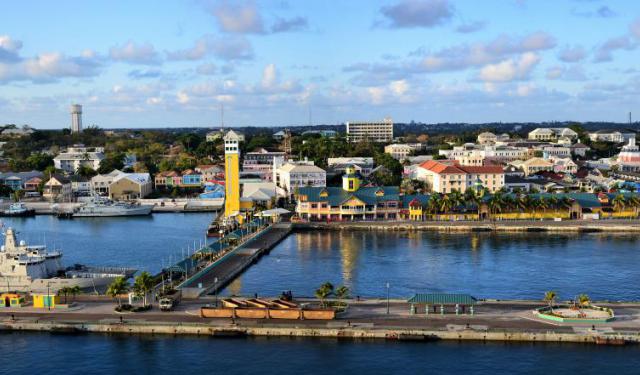
Nassau, the capital of the Bahamas, has a history shaped by colonial rivalry, maritime trade, piracy, and gradual transformation into a modern Caribbean city. Its development reflects the wider currents of Atlantic history, from early European settlement to the age of empires and beyond.

The area was originally inhabited by the Lucayan people, an Indigenous Taíno group, before European contact...  view more

Tour Duration: 2 Hour(s)
Travel Distance: 2.7 Km or 1.7 Miles